21 Annual Flowers That Reseed Themselves (No Replanting Needed!)
Have you ever thought, “If only my garden could just maintain itself?” Well, good news—annual flowers that reseed themselves can make that dream somewhat of a reality. It’s like having plants that come with their own backup plan. Plus, they save you from the dreaded yearly debate on what to plant next spring. But before we start, here’s a little gardening humor to lighten the soil—what’s a gardener’s favorite genre of music? Heavy mulch, of course!
Now, grab your trowel, and let’s plant the seeds for a vibrant garden that keeps on giving. Below, you’ll find 21 delightful annual flowers that are as hardworking as they are beautiful.
What Are Self-Reseeding Annual Flowers?
Before we dig into the list (pun fully intended!), you might be wondering what “self-reseeding” actually means—especially since annuals are typically known for their one-season lifespan. Simply put, self-seeding annuals drop seeds at the end of their growing season, which sprout into new plants the following year. It’s nature’s free subscription to blooms!
1. Larkspur
Resembling a cousin of the Delphinium, Larkspur adds tall spikes of purple, white, or pink blooms. A sunny spot and well-drained soil are all this beauty needs to work its magic year after year.

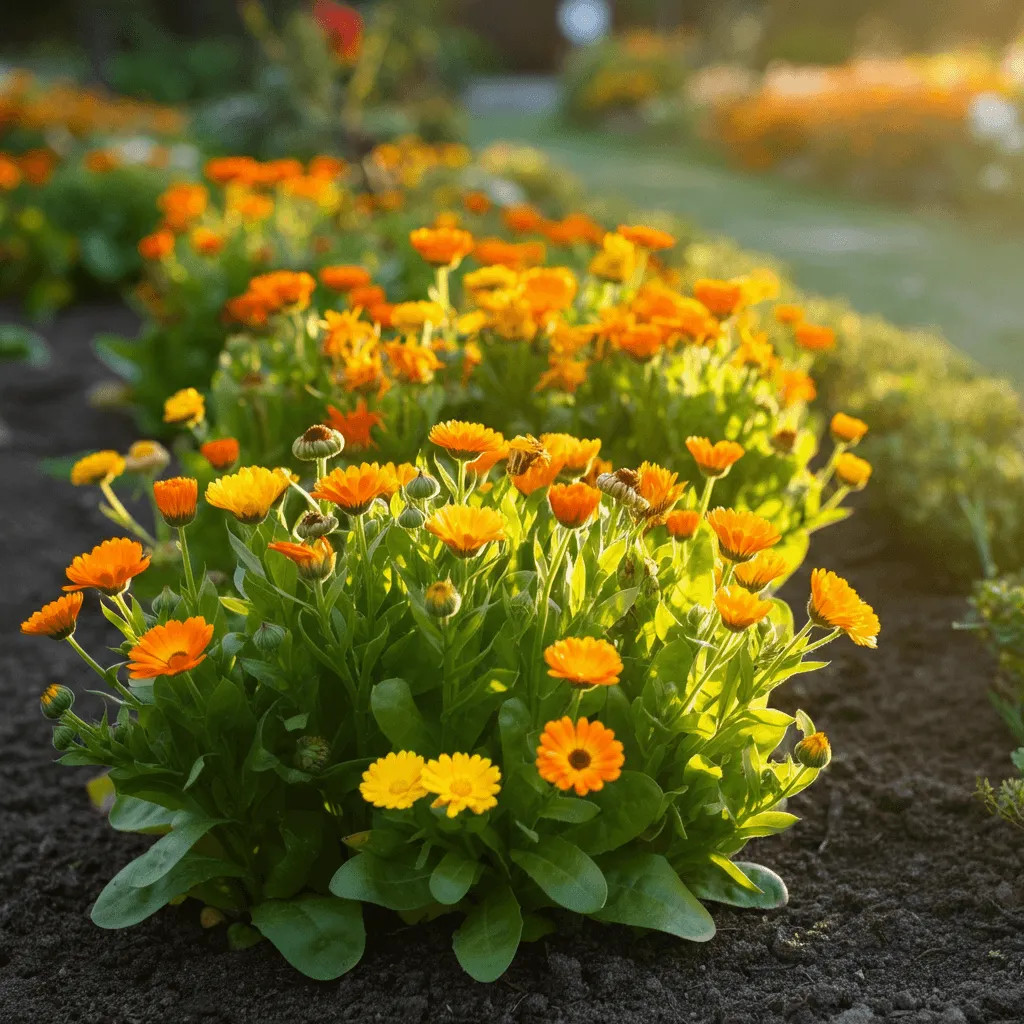
2. Calendula (Pot Marigold)
A cool-season champion, Calendula is as versatile as it is charming. Known for its bright hues of yellow and orange, this flower thrives in most garden beds and reseeds with gusto.
3. Cosmos
With their delicate fern-like foliage and cheerful flowers, Cosmos offer easygoing beauty. A small patch can quickly turn into an entire meadow by season’s end.

4. Sweet Alyssum
These low-growing blooms form a fragrant carpet that can edge walkways or fill pots. Plus, pollinators love them—bees can’t seem to resist.

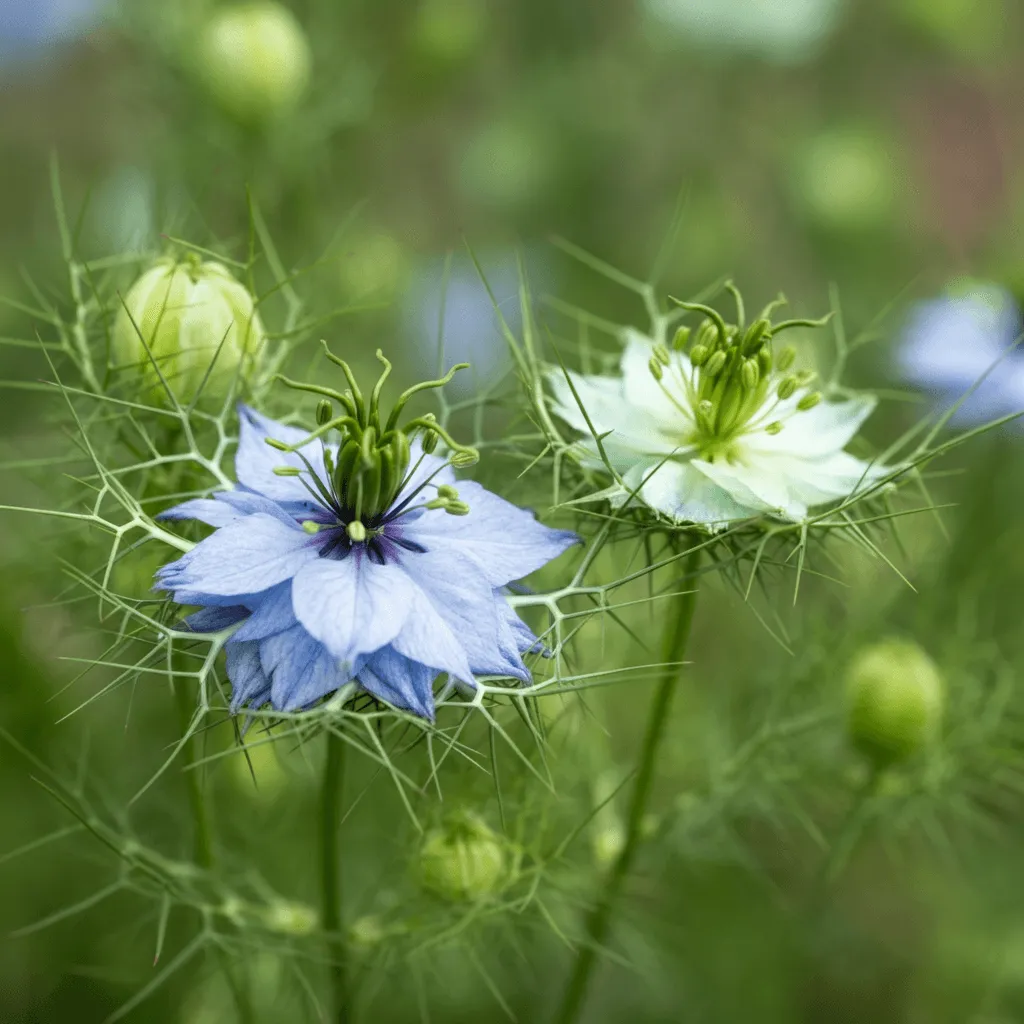
5. Nigella (Love-in-a-Mist)
The unique star-shaped blooms, surrounded by whorls of lacy foliage, make Nigella a showstopper in any garden. Once planted, they’re happy to scatter seeds and reappear next spring.
6. Four O’Clocks
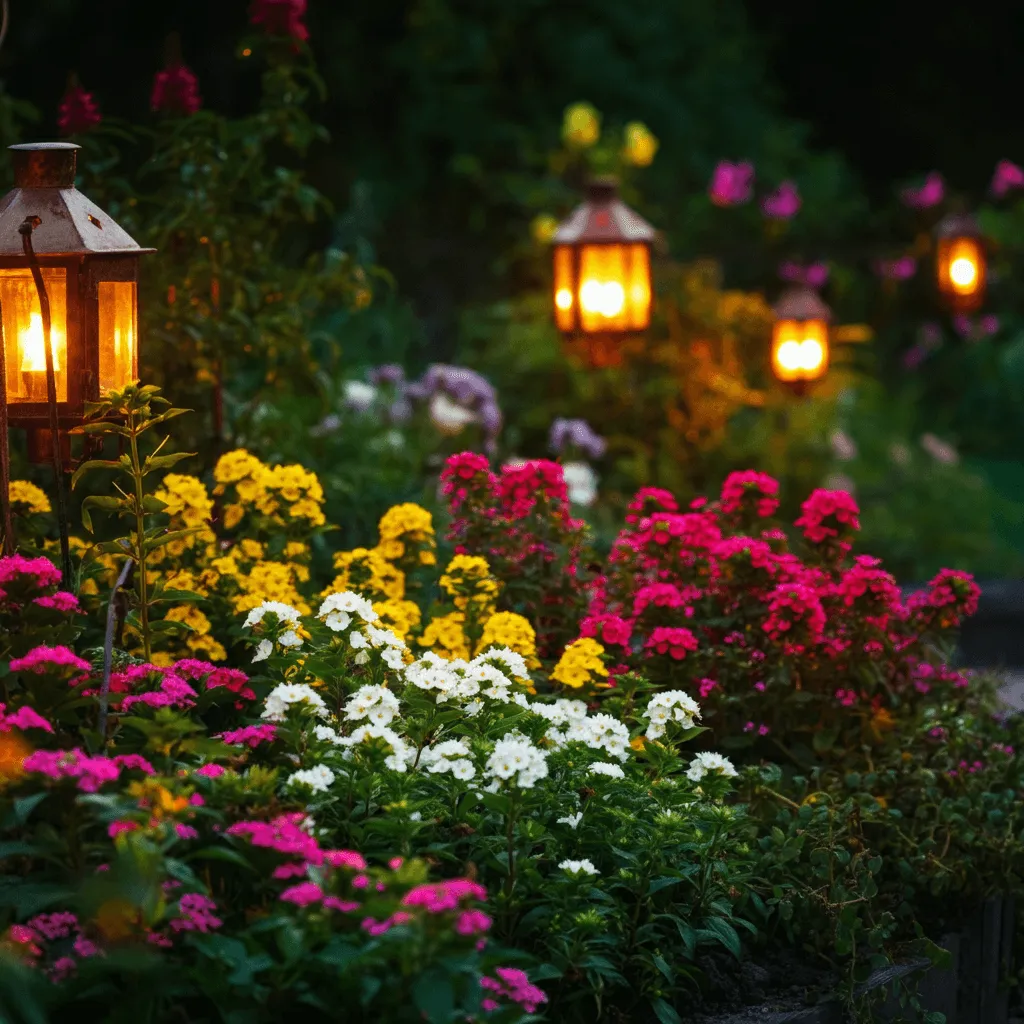
Their name is derived from their timekeeping ability; these flowers open late in the day. Plus, they’re well-suited to a variety of soil types, making them easy to cultivate.
7. Bachelor’s Buttons (Cornflowers)
Often decked in shades of blue—though pink, purple, and white varieties exist—Bachelor’s Buttons perform wonderfully in both garden beds and wildflower meadows.

8. Poppies
Both the Flanders poppy and the California variety are pros at reseeding. Their delicate papery petals add charm to any outdoor space.

9. Zinnias
Available in a kaleidoscope of colors, Zinnias are tough, sun-loving flowers that require minimal care once established. Scatter their seeds in spring, and they’ll handle the rest.

10. Cleome (Spider Flower)
Cleome is a tall, airy annual with unique spider-like flowers. It seeds itself so well you may find them popping up outside your intended garden area!

11. Snapdragons
Typically treated as annuals, Snapdragons seed prolifically if left to their own devices. Early-season blooms keep your garden lively even when temperatures drop.

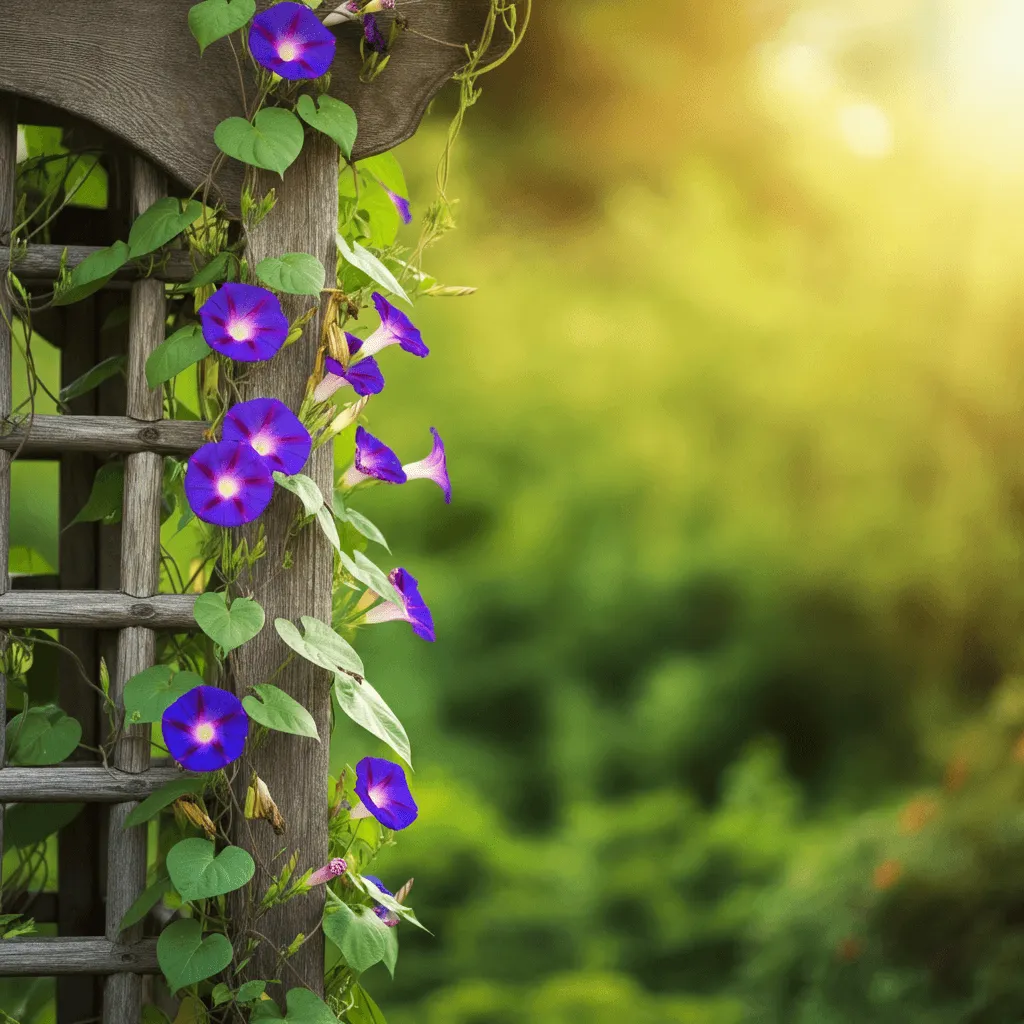
12. Morning Glory
Known for climbing anything in sight, these trumpet-shaped flowers are excellent for garden structures like trellises. You’ll wish you’d discovered them sooner.
13. Verbena
Perfect for hanging baskets or borders, Verbena adds splashes of color that bees and butterflies adore. Their seeds scatter generously.

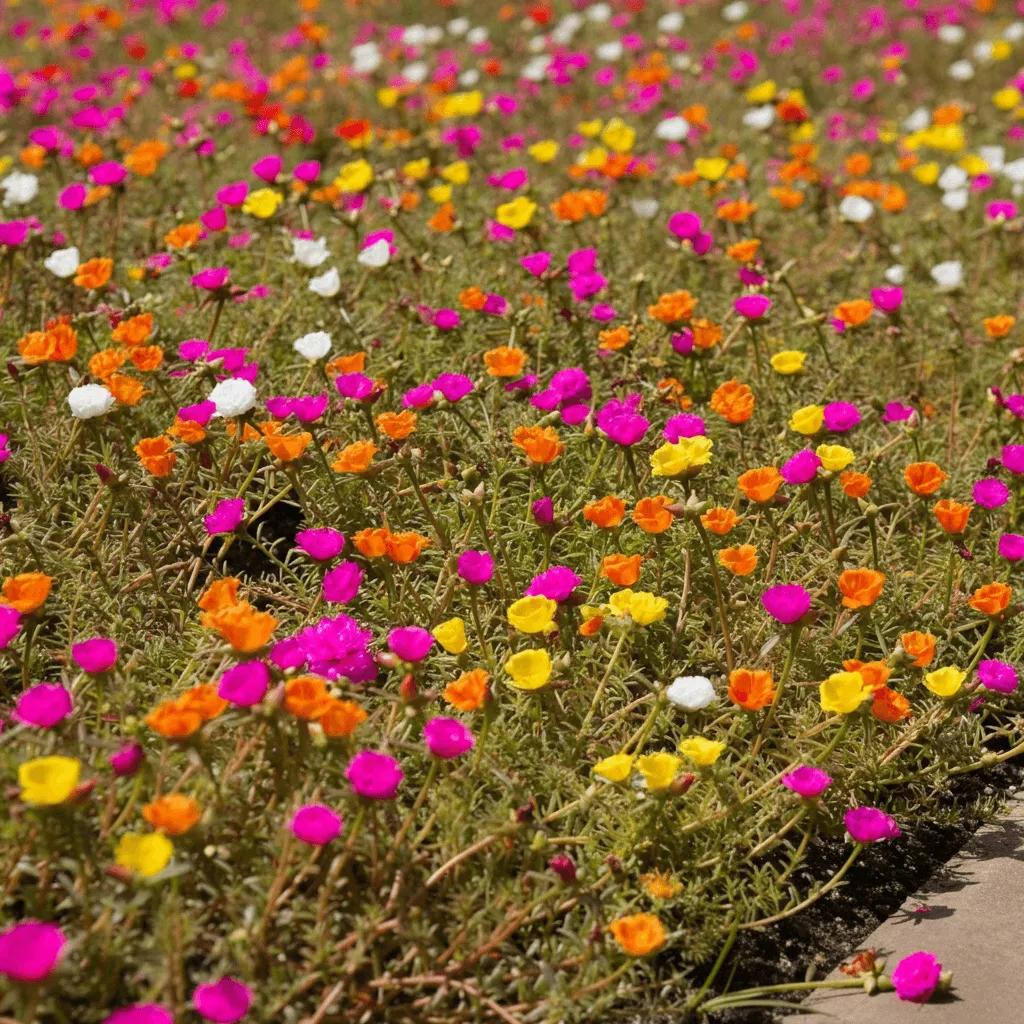
14. Portulaca (Moss Rose)
This drought-tolerant wonder thrives with little fuss. Its vibrant colors make it an ideal ground cover for sunny areas.
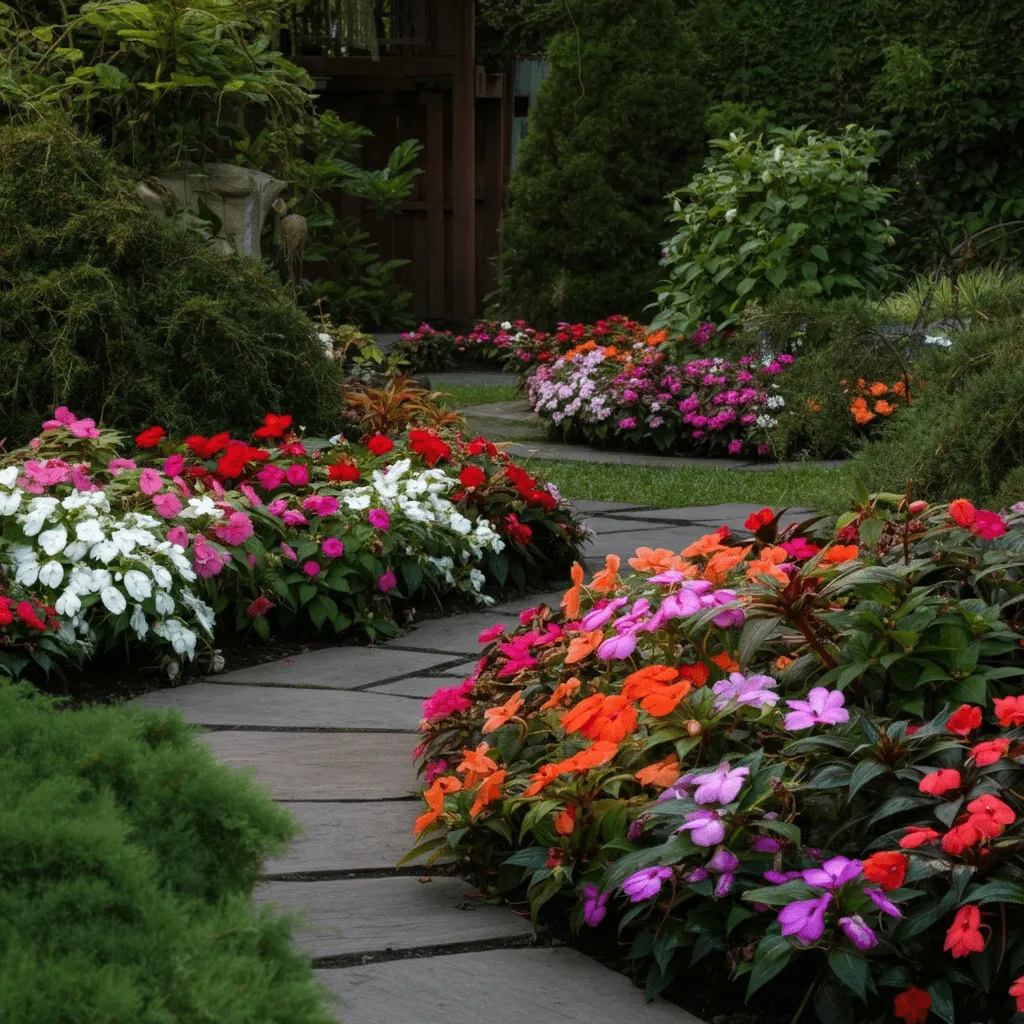
15. Impatiens
Impossibly cheerful, Impatiens do well in shady spots. Although slow to reseed, once established, they’re practically unstoppable.
16. Coreopsis (Tickseed)
Coreopsis offers daisy-like blooms in radiant shades of yellow and deep red. Their low-maintenance nature makes them perfect for beginner gardeners.

17. Clarkia
Love a cottage-style garden? Clarkia’s pastel blooms fit right in. These flowers thrive in well-drained soil and partial sun.

18. Balsam
This showy, compact flower does well in shaded gardens and reseeds itself effortlessly. If you’re looking for no-fuss vibrancy, this one’s for you.
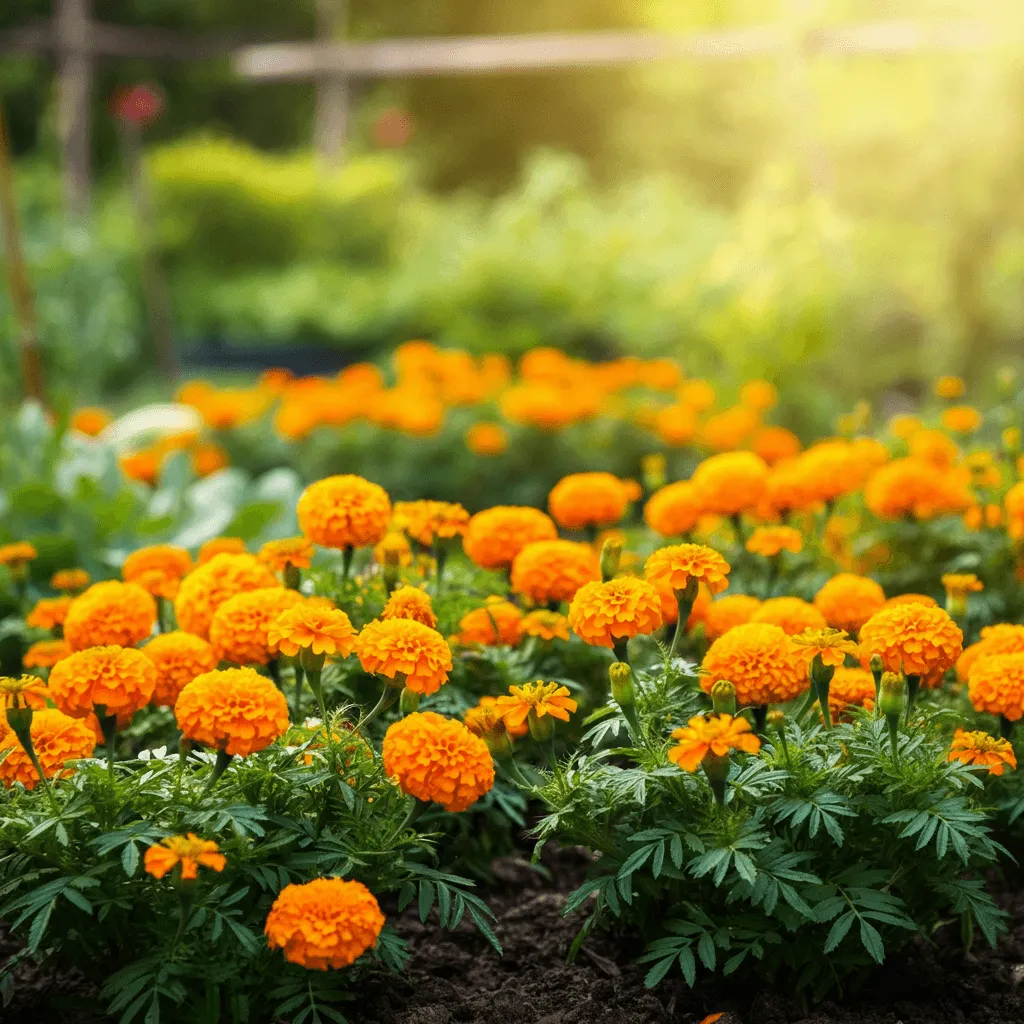
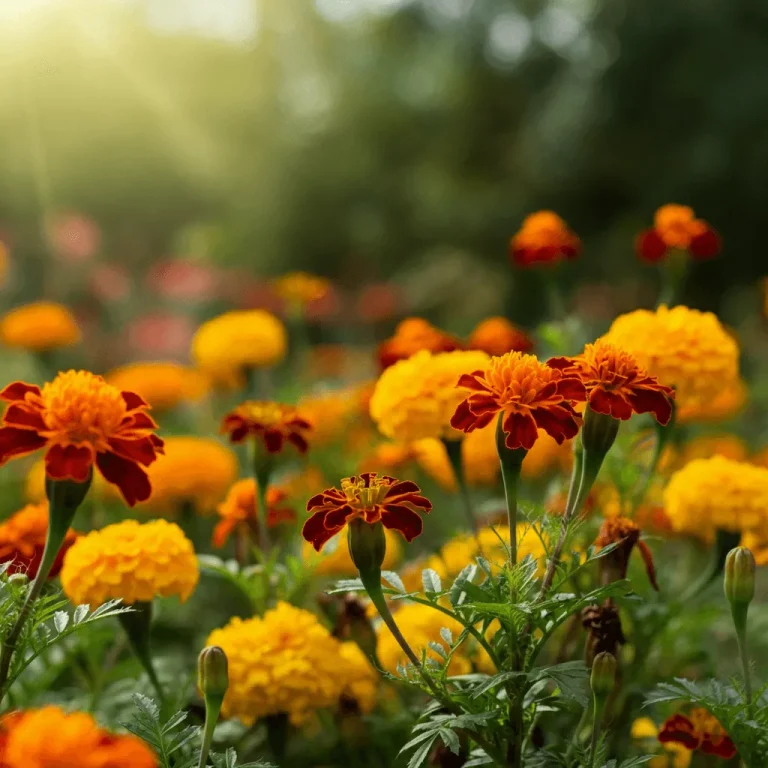
19. Marigolds
Long-standing favorites, Marigolds aren’t just for their sunny appearance. They’re great pest deterrents too, making them a win-win.

20. Tithonia (Mexican Sunflower)
Bring a touch of tropical to your garden with Tithonia. Their long-lasting blooms guarantee your garden will buzz with pollinator activity.

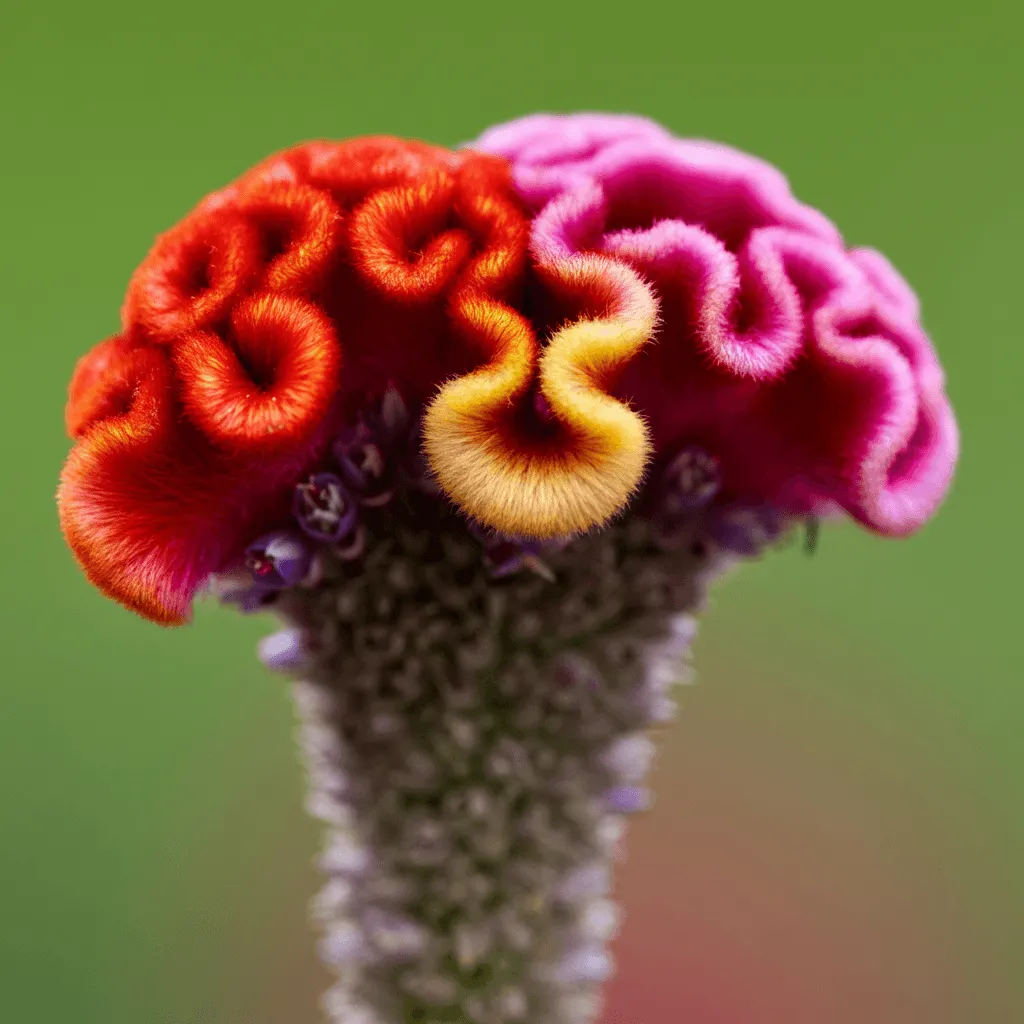
21. Cockscomb (Celosia)
Known for their flame-like or crested blooms, Cockscombs add exotic flair. Rest assured, they’ll reseed, bringing drama back year after year.
Frequently Asked Questions
1. Will self-reseeding flowers take over my garden?
It depends on the flower. Some, like Poppies, might spread rapidly, while others like Sweet Alyssum grow more modestly. Keep an eye on their behavior.
2. Do they require special care during winter?
Most seeds are hardy and can survive frost. However, adding a light covering of soil or compost may help protect them.
3. Can I combine self-reseeding flowers with perennials?
Absolutely! Mixing them brings diverse colors and ensures consistent blooms across seasons.
4. Are they good for pollinators?
Definitely. Many reseeding annuals, such as Zinnias and Cosmos, attract bees and butterflies.
Final Word
Why work harder when your garden can work smarter? These annuals prove that beauty doesn’t always need constant replanting. With a bit of care upfront, these flowers will reward you with a stunning backyard that, year after year, feels like a gift to yourself.