9 Captivating Carnivorous Plant Terrarium Ideas for Your Home
Ever feel like your houseplants are plotting against you? Perhaps it’s because you’ve got a particularly savage philodendron that seems to trap dust instead of fresh air. Well, fret not—carnivorous plants thrive on being different (and slightly terrifying). Creating terrariums with these fascinating plants can turn your home into a botanical wonderland and spark plenty of conversations.
This article explores nine creative ways to design carnivorous plant terrariums that not only look stunning but also make caring for these unique companions surprisingly fun. Plus, who wouldn’t want a plant that snacks on flies instead of fertilizer?
1. Hanging Glass Terrariums for a Floaty Look
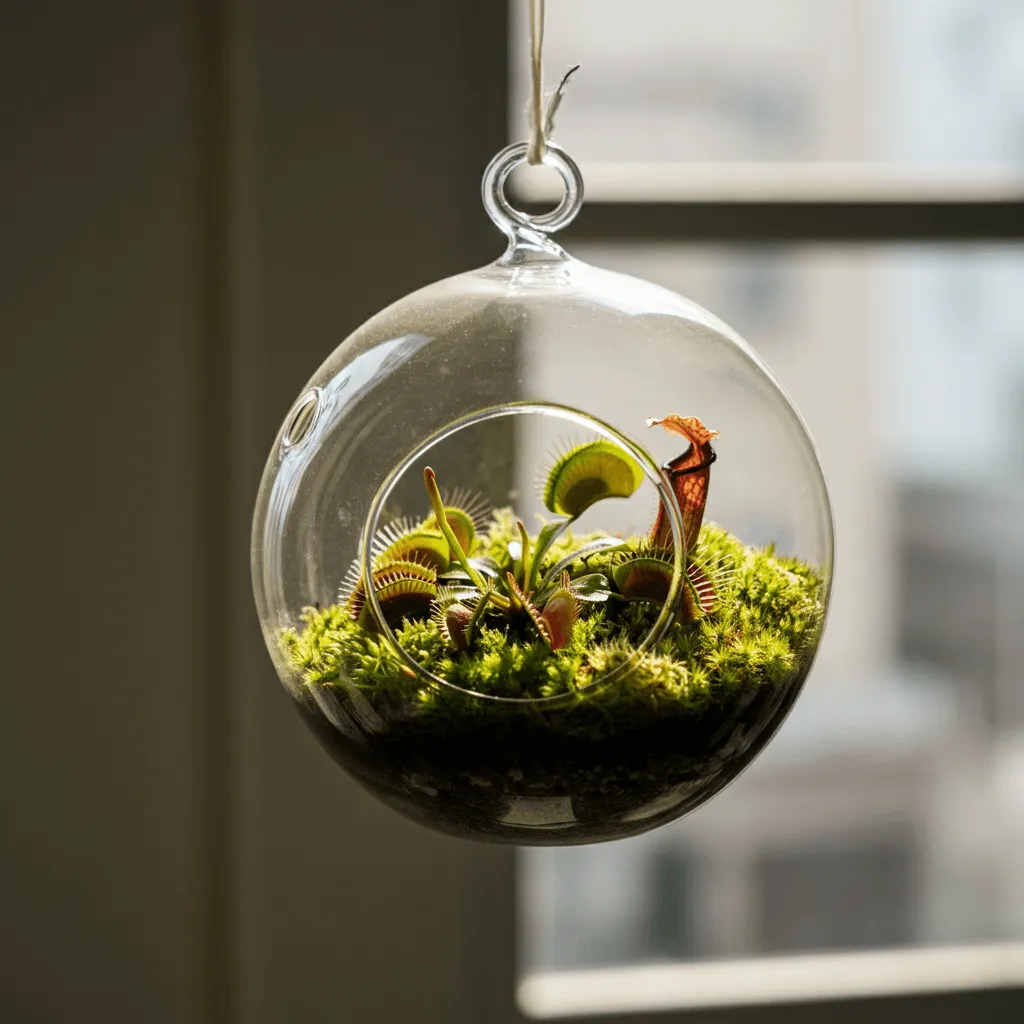
Hanging terrariums are perfect for small spaces. Use clear glass orbs to create miniature ecosystems that dangle elegantly in any room. Incorporate tiny Venus flytraps or sundews—these plants thrive inside humid conditions, which a sealed globe provides beautifully.
For best results:
- Choose moss as your base to retain moisture.
- Hang the terrariums near east-facing windows for indirect sunlight.
- Mist plants regularly (but not excessively) to maintain their preferred levels of humidity.
Not only do these floating gardens offer a modern aesthetic, but they also keep fruit flies and gnats at bay—a win-win!
2. Rustic Wooden Box Terrarium for Cottage Vibes
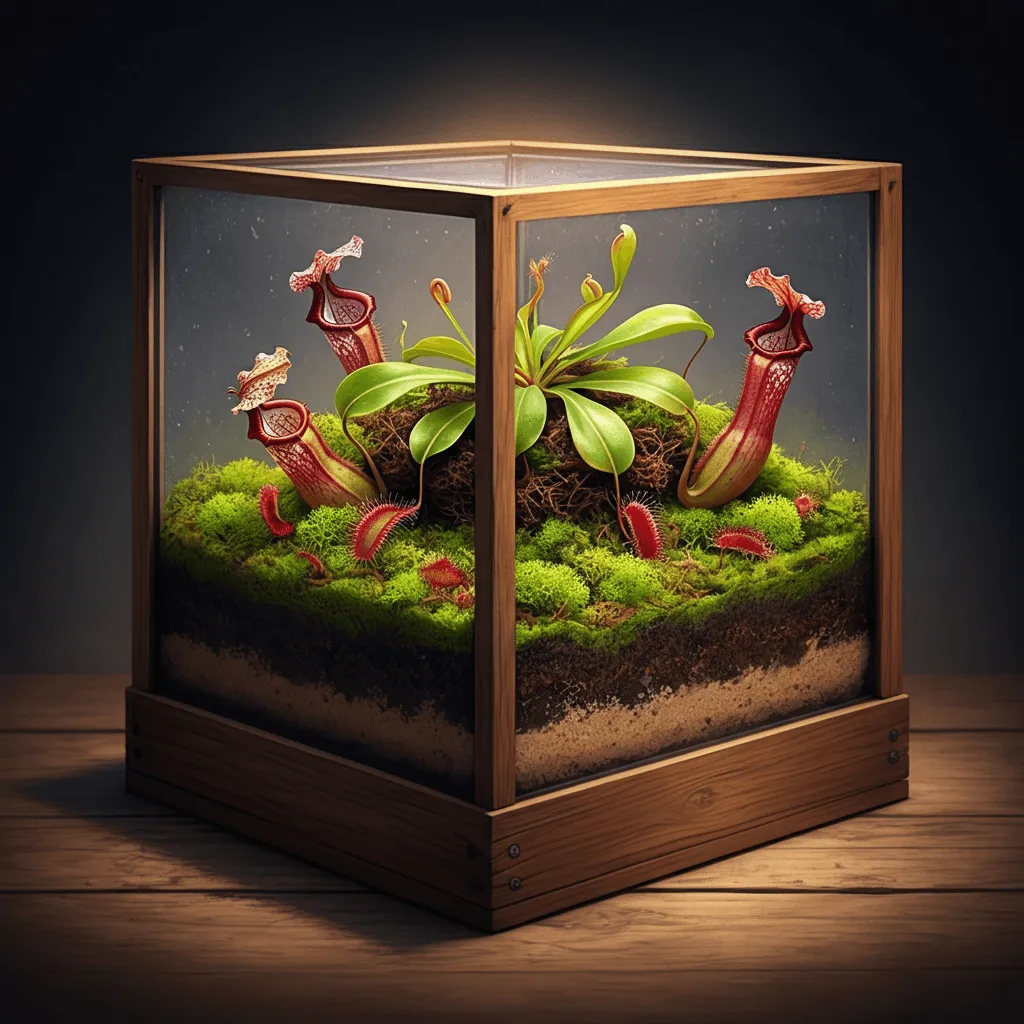
Rustic wooden terrariums add vintage charm to your home décor. Imagine a sturdy wooden box with a glass lid enclosing a lively assembly of pitcher plants and sundews. The earthy texture of the wood complements the wild, vibrant nature of carnivorous plants, creating a natural look that feels like it belongs in a whimsical forest.
Pro tip:
- Use sphagnum moss and sand mixture as your growing medium.
- Keep the lid slightly ajar to allow airflow and prevent mold growth, especially in humid climates.
This design fits perfectly in cozy corners or as a centerpiece on farmhouse-style tables.
3. Mini Terrariums for Window Sills
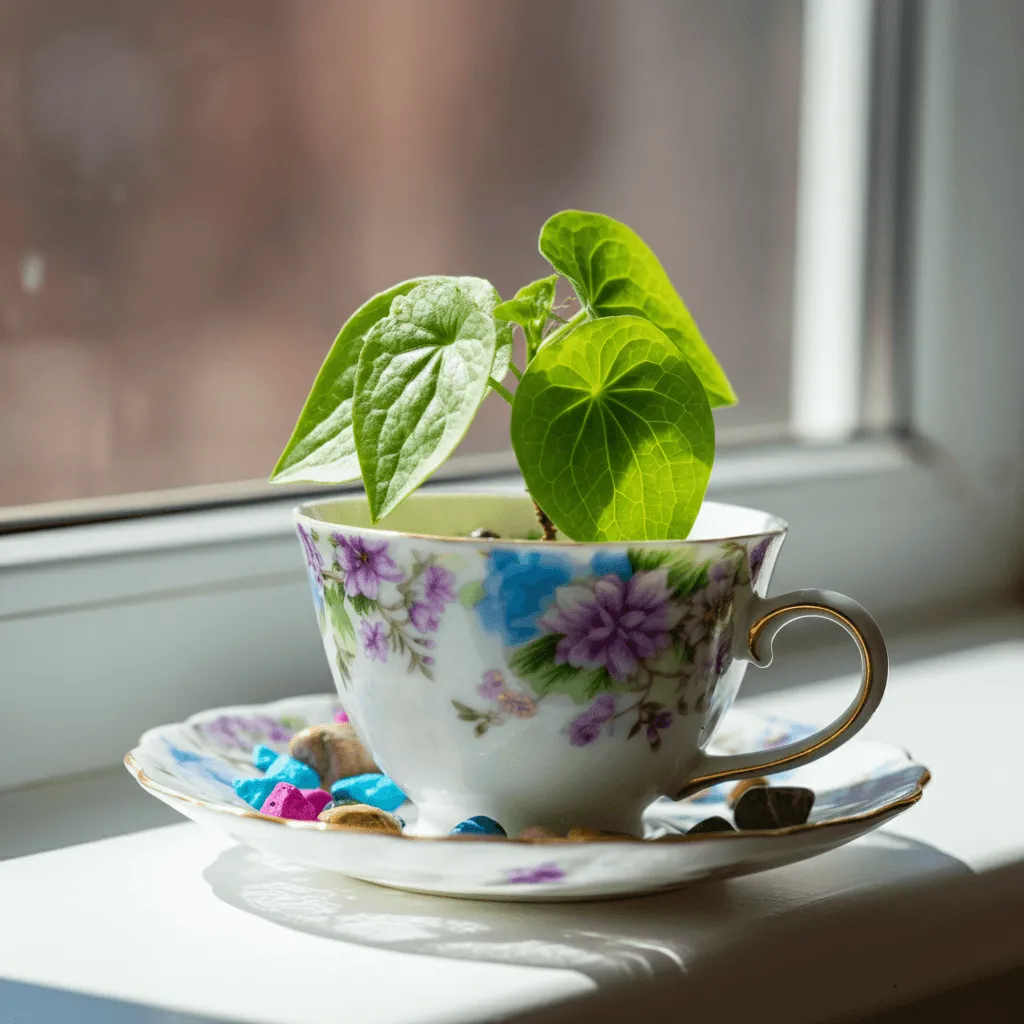
Small but mighty, mini terrariums are great for beginners and fit snugly on narrow spaces like window sills or bookshelves. These can feature a single plant, such as a butterwort (known for its star-shaped leaves) that doubles as eye-catching home décor.
Make it interactive:
- Add decorative pebbles for a polished look.
- Experiment with clear containers like teacups or jelly jars for creativity.
These tiny companions won’t demand much space and are highly photogenic.
4. Bioluminescent-Themed Terrariums
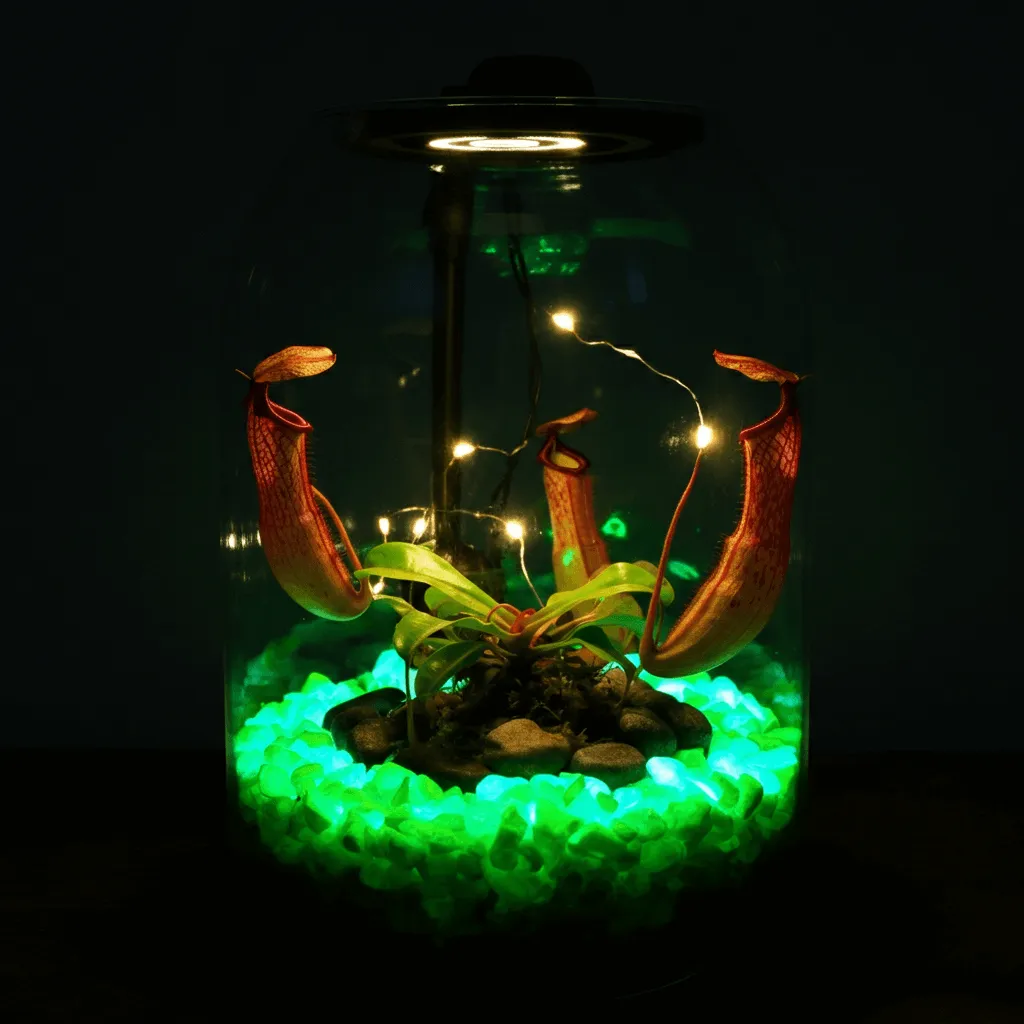
Want to take your creativity up a notch? Combine glow-in-the-dark elements with carnivorous plants for an otherworldly display. Incorporate special bioluminescent pebbles or paints around your terrarium’s base to mimic a celestial garden.
Flashy yet functional:
- Grow Nepenthes (tropical pitcher plants) for their sweeping tendrils.
- Include small LED lights for an extra glow at night without affecting plant health.
This idea is perfect for living rooms or bedrooms and creates a relaxing ambiance.
5. Aquatic-Inspired Terrarium Featuring Water Lovers
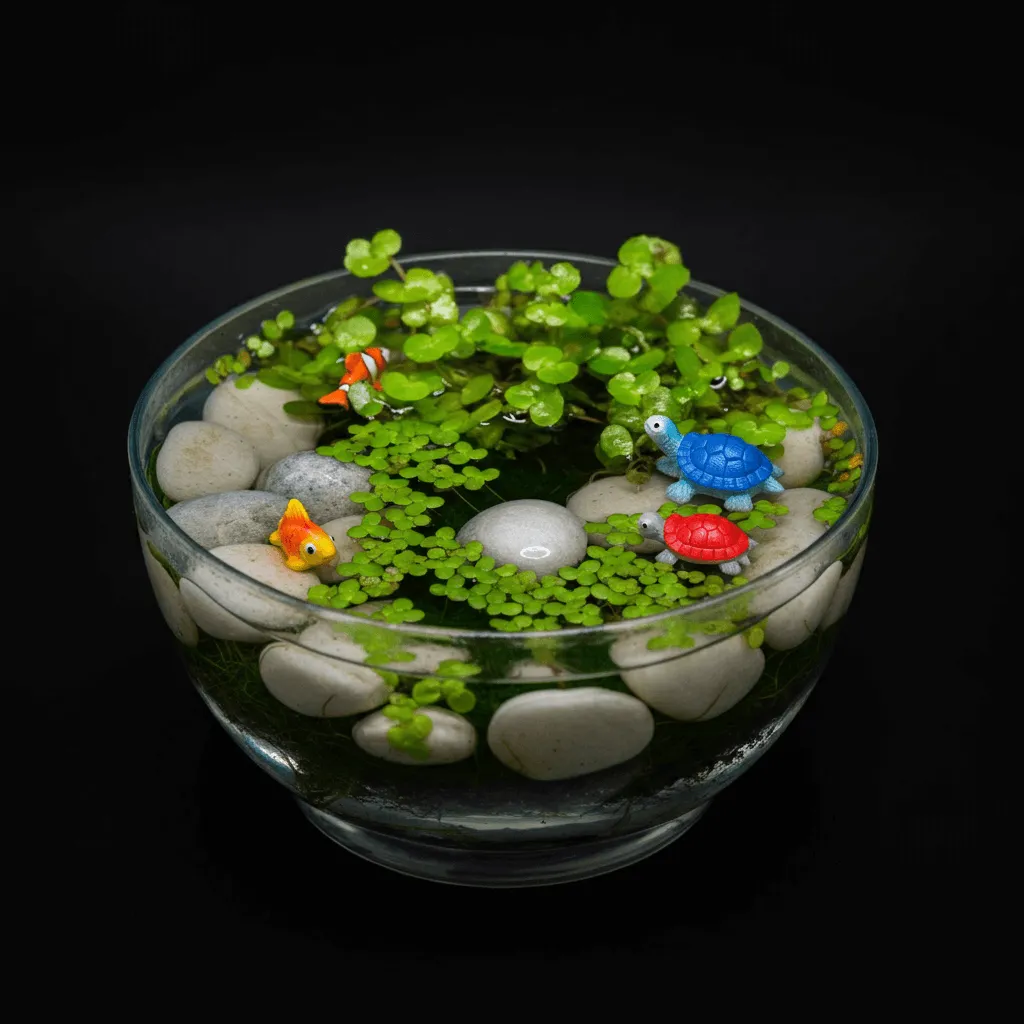
If you’re fascinated by water elements, consider creating an aquatic-style terrarium. Combine carnivorous water plants like bladderworts with stylized aquatic décor such as smooth river stones or small figurines of fish and turtles.
Key tips:
- Use a shallow, water-tight container to mimic their natural aquatic environment.
- Change water frequently to maintain cleanliness and provide necessary nutrients.
This theme is especially engaging for kids and adults alike who want a glimpse into the plant world’s aquatic side.
6. Steampunk Terrariums for a Vintage Edge
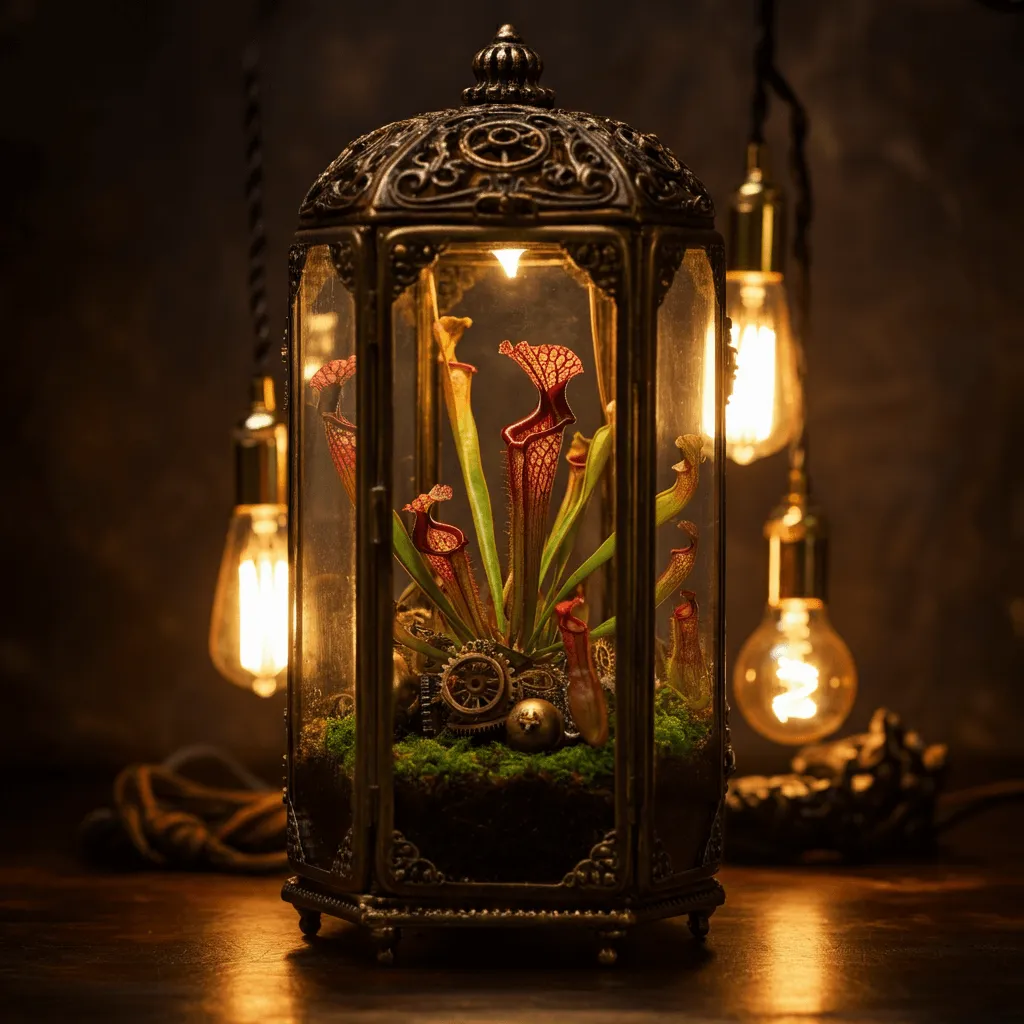
Steampunk-inspired designs are all about blending antique with quirky science fiction. Add mini gears, brass ornaments, and copper pipes into a terrarium housing pitcher plants or spoonleaf sundews. These bold elements give your terrarium an unusual yet striking look.
To complete the vibe:
- Use antique glass cases or salvaged lab beakers as containers.
- Combine with Edison-style light bulbs nearby for dramatic flair.
Transport yourself to a bygone mechanical future, all while enjoying your carnivorous garden.
7. Tabletop Greenhouses for Larger Collections
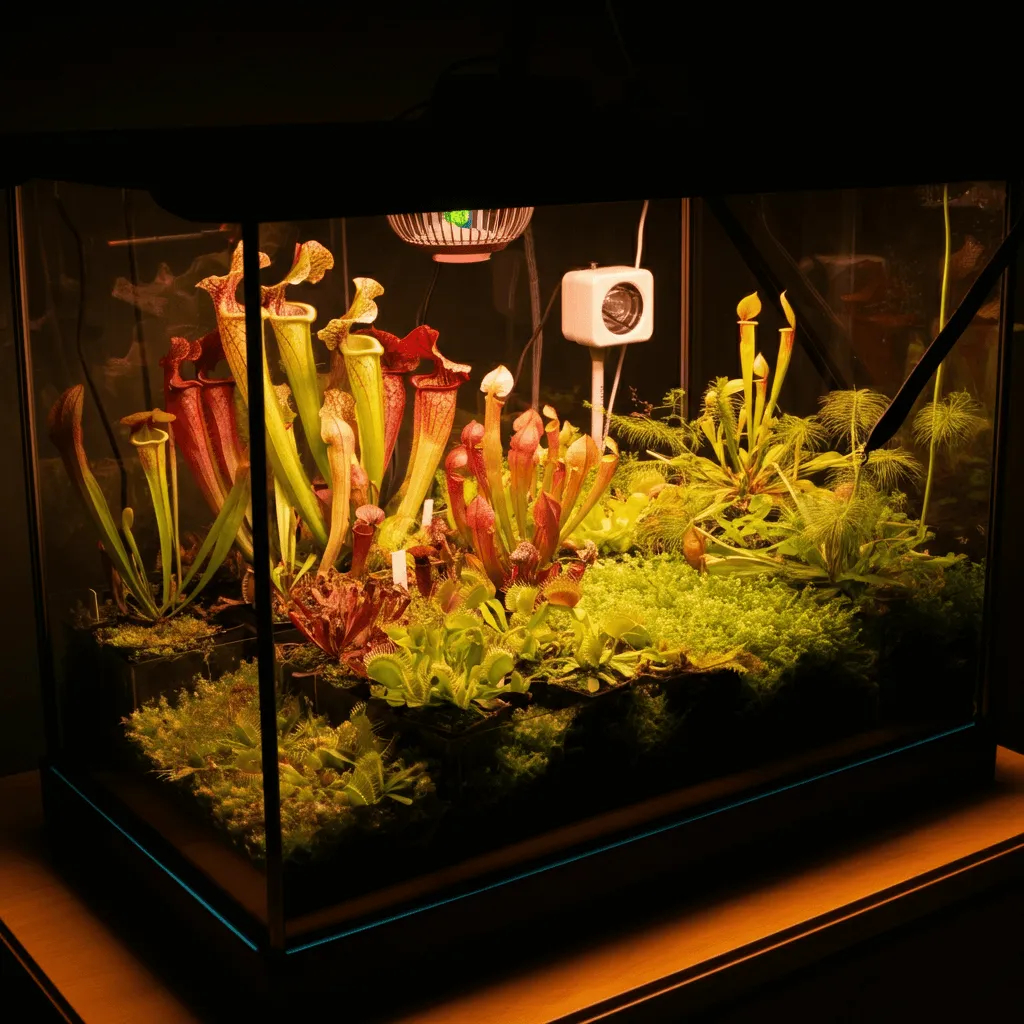
If you’re ready for something on a grander scale, invest in a tabletop greenhouse terrarium. Fill it with a lush collection of Venus flytraps, pitcher plants, and cobra lilies. Not only do these larger setups accommodate plant diversity, but they also become the focal point of your room.
Care essentials:
- Add a small fan for controlled airflow.
- Adjust lighting with grow lamps if natural light is insufficient.
This larger format allows enthusiasts to experiment with plant arrangements and care techniques, adding both substance and style to your home.
8. Fairy Garden Carnivorous Terrarium
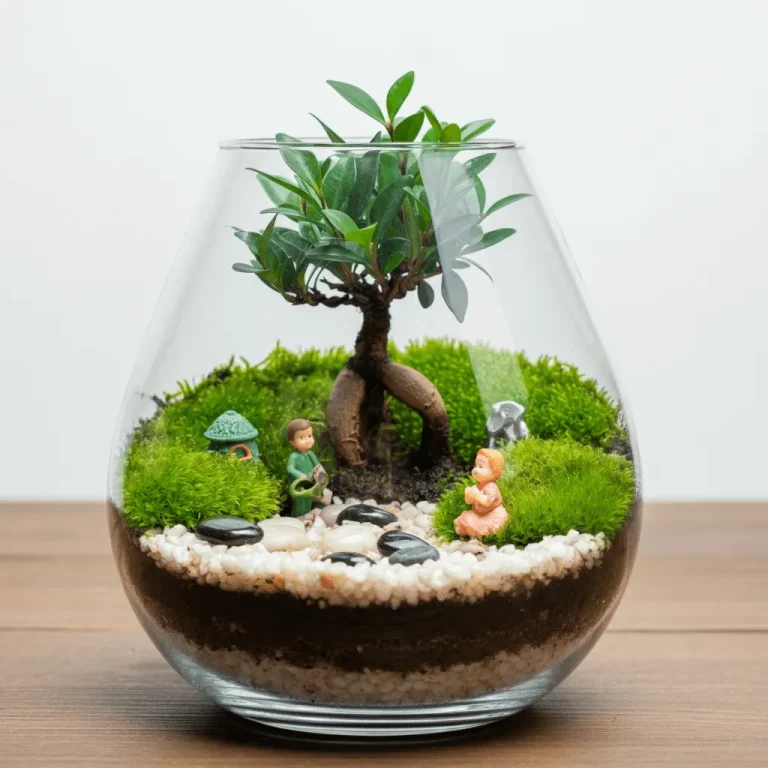
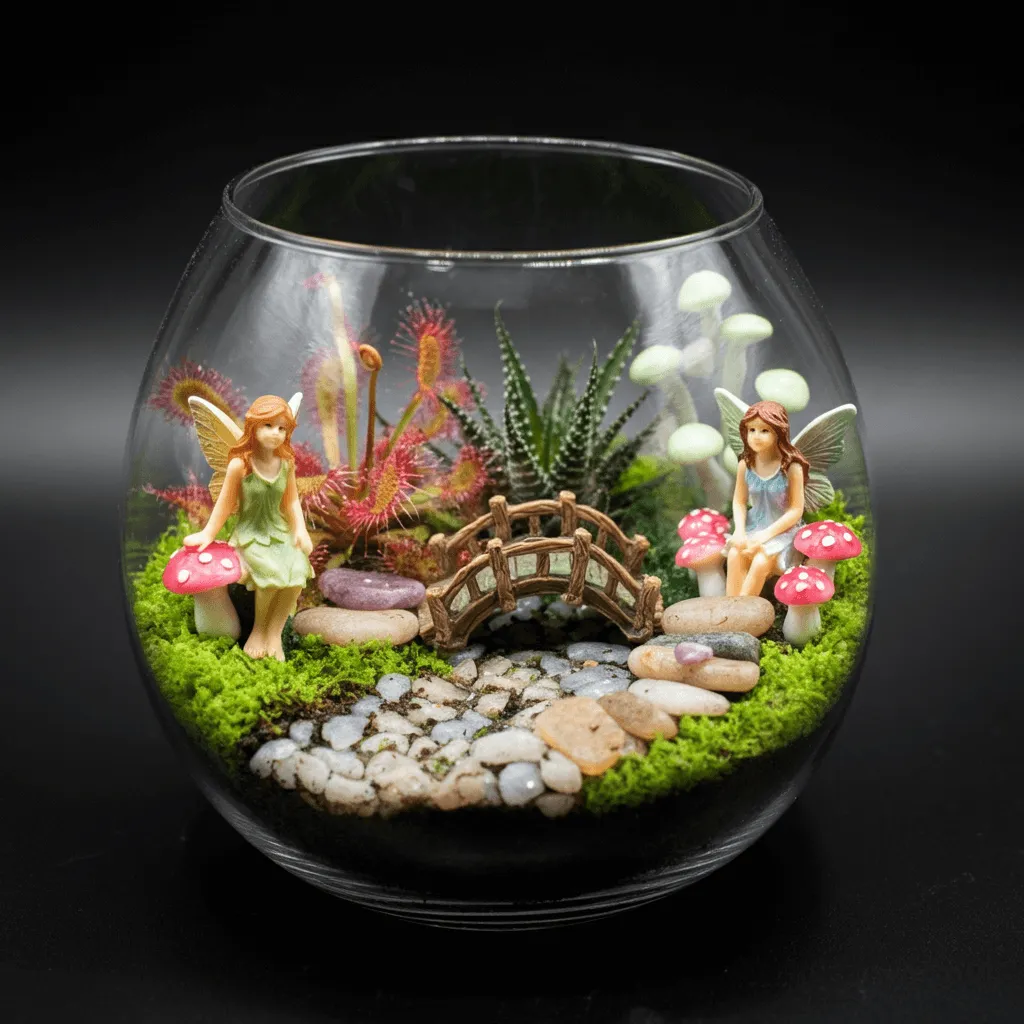
Bring fantasy into your world with a fairy garden terrarium. Use tiny figurines, faux mushrooms, and ornamental bridges to create a whimsical storybook aesthetic. Surround these features with colorful sundews or delicate butterworts for that magical touch.
Appealing to any age:
- Arrange your plants to mimic real-life forests.
- Feature pastel-colored stones or crystals to enhance imagination.
Voilà! You now have a terrarium with charm (and a touch of childhood nostalgia).
9. Wall Frame Terrariums for Vertical Appeal
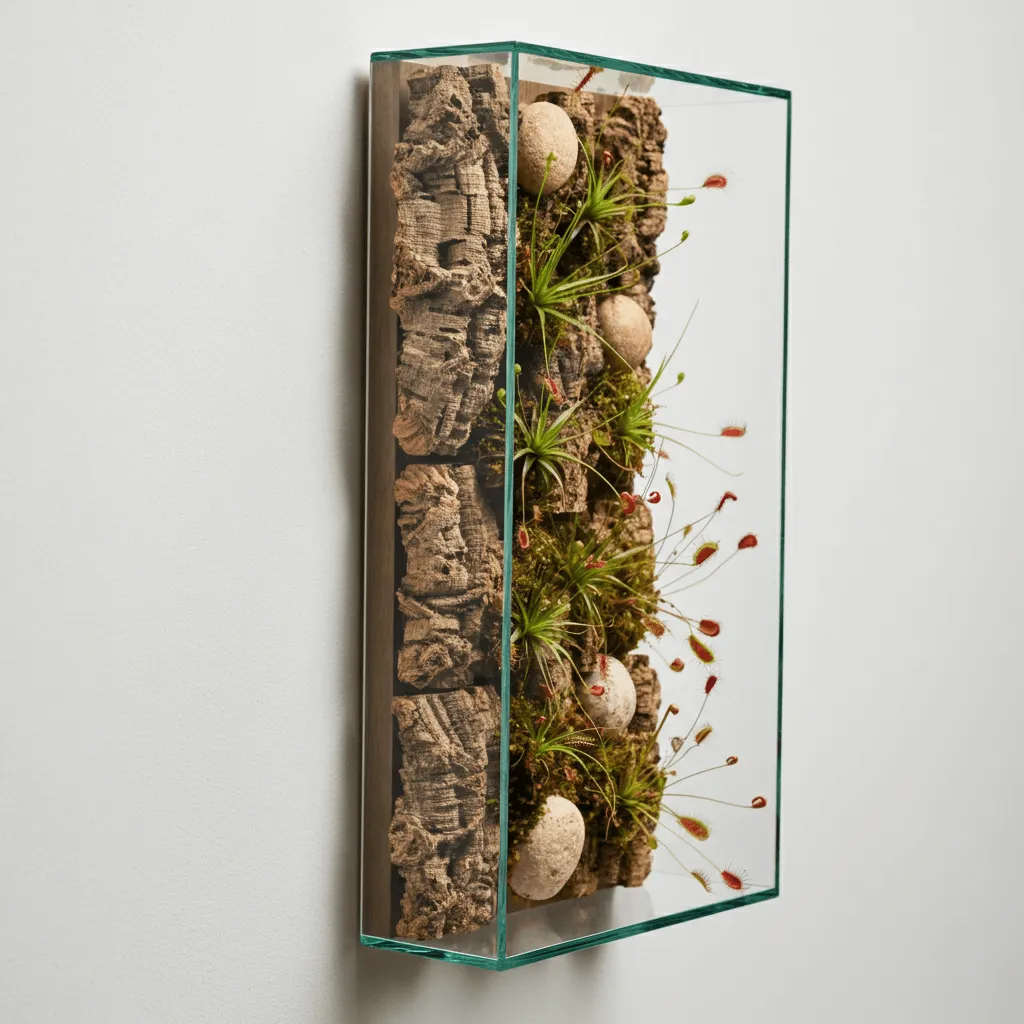
Transform your walls into plant galleries! Wall-mounted terrariums use flat containers with transparent fronts, allowing you to showcase carnivorous flora while maximizing space efficiency.
Ideal plants:
- Smaller species like pygmy sundews work best in confined spaces.
- Add cork bark or fossil stones for texture.
With strategic placement, these mini vertical gardens turn blank walls into dynamic, artistic displays that breathe life into your home.
Frequently Asked Questions
Q1. Are carnivorous plants hard to care for in terrariums?
Not really! Most carnivorous plants adapt well to terrarium environments. Ensure you maintain high humidity, plenty of light, and nutrient-free soil to keep them happy.
Q2. Can I mix carnivorous plant types in one terrarium?
Yes! Many thrive together. Just ensure their light, moisture, and temperature needs align.
Q3. Do I need to feed my carnivorous plants?
Occasionally feeding them insects can be beneficial, though most get by just fine catching flies, ants, or gnats naturally.
Q4. Where can I buy these plants?
Local nurseries, specialty gardening shops, or online websites dedicated to exotic plants are great options.
Q5. How do I prevent mold inside terrariums?
Avoid overwatering, allow adequate airflow, and clean the glass regularly to discourage mold growth.
Final Thoughts
Carnivorous plant terrariums offer a unique way to elevate your home’s aesthetic while housing fascinating living organisms. Whether you prefer a modern, futuristic, or rustic vibe, there’s a terrarium idea for every personality and home décor style. Plus, these plants make nurturing indoor nature incredibly thrilling—bugs beware, as your plants are always hungry! Grab some soil, glassware, and imagination and get started today. Your home is about to get a whole lot greener—and maybe a little more carnivorous.