25 Creative Forest Garden Ideas for Your Green Paradise
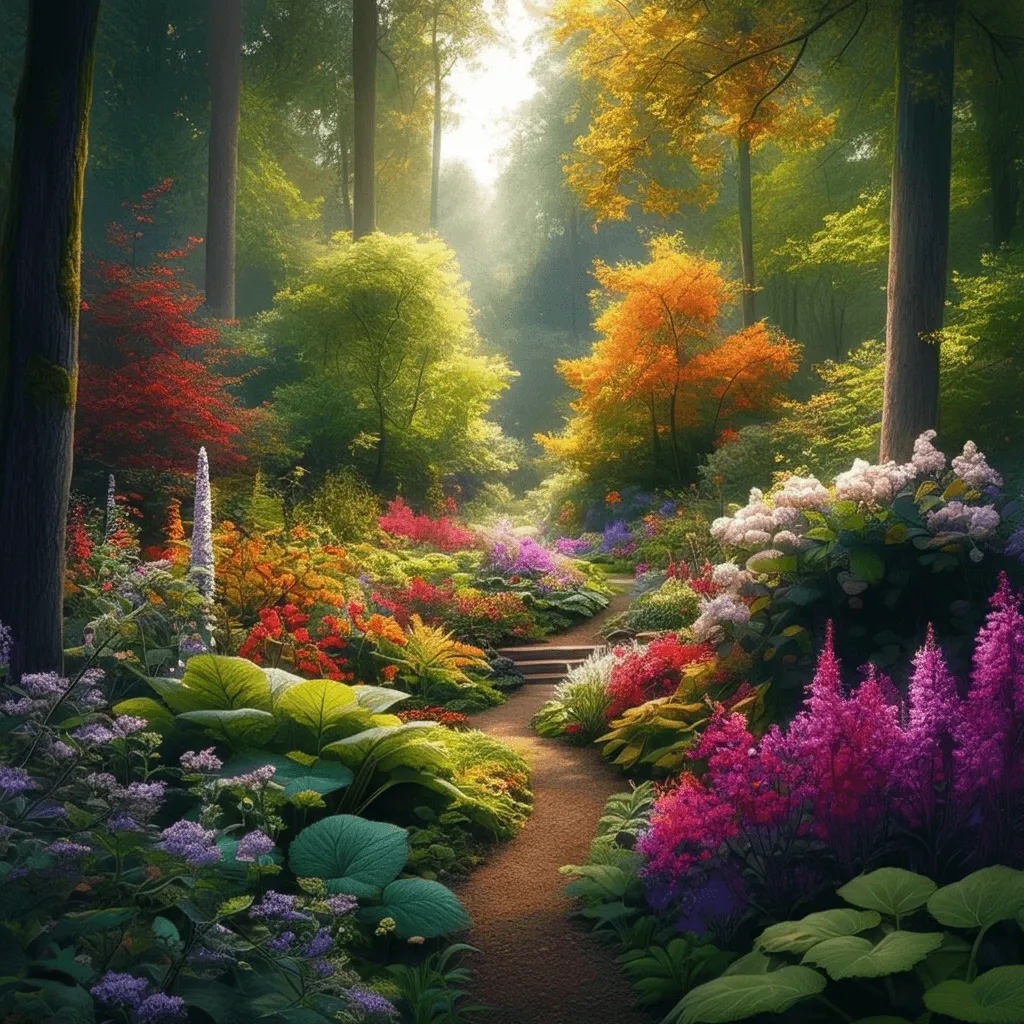
Transforming a piece of land into a lush forest garden is a beautiful way to create a thriving ecosystem that benefits both you and the planet. With the right planning and creativity, your green space can become a sanctuary of biodiversity, sustainability, and charm. Below are 25 unique and inspiring ideas to bring a forest garden vision to life.
1. Layered Planting for Maximum Yield
Blend tall trees, shrubs, herbs, ground covers, and climbers to mimic natural forest ecosystems. Each layer contributes to productivity and diverse habitats.
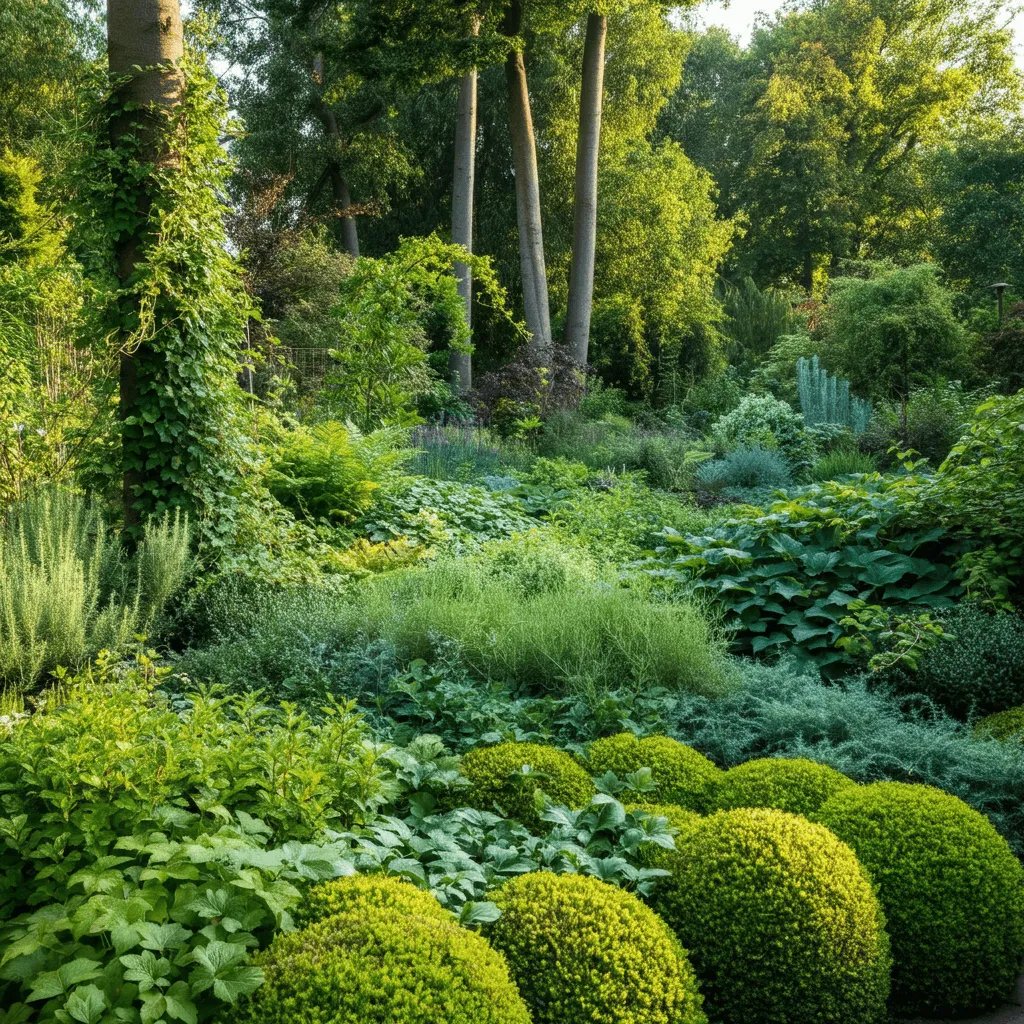
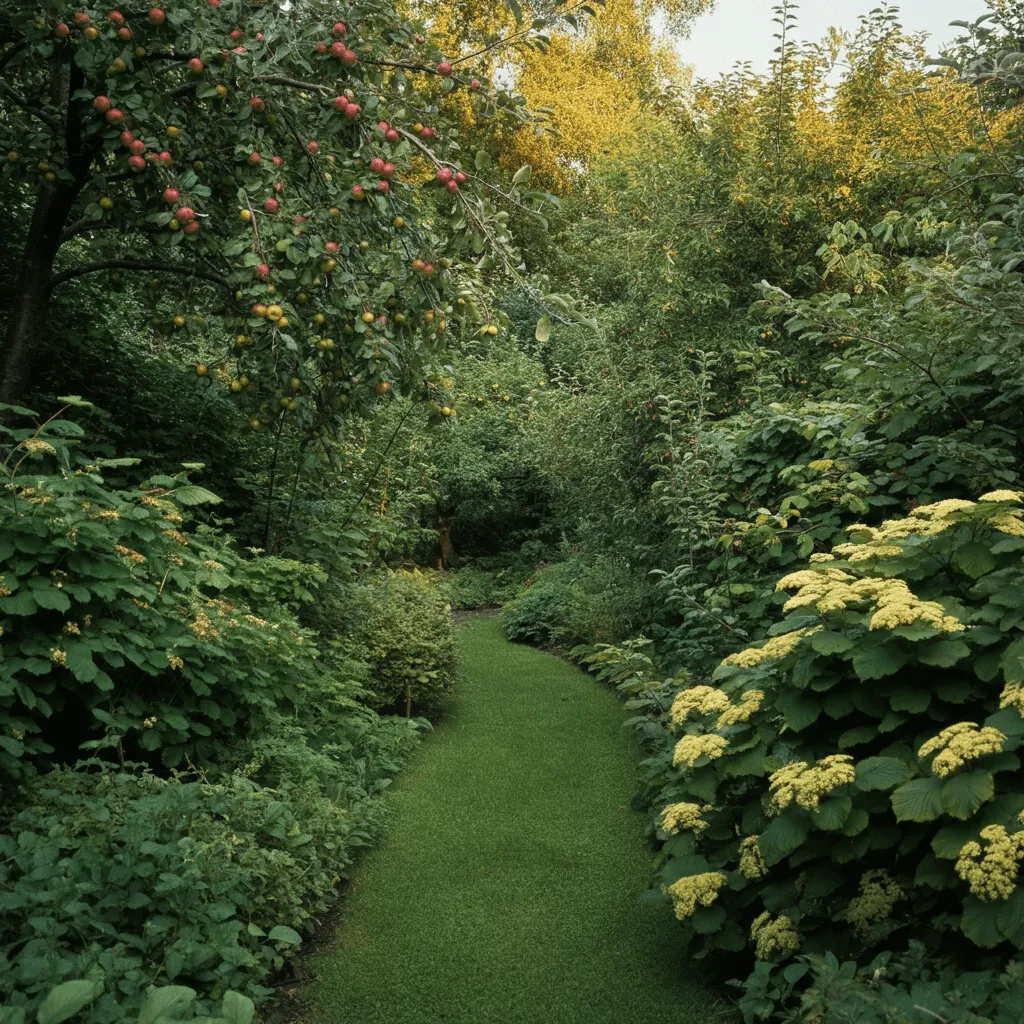
2. Integrate Edible Trees and Shrubs
Include fruit and nut trees like apple, cherry, hazelnut, and elderberry. These provide beauty, food, and shelter for wildlife.
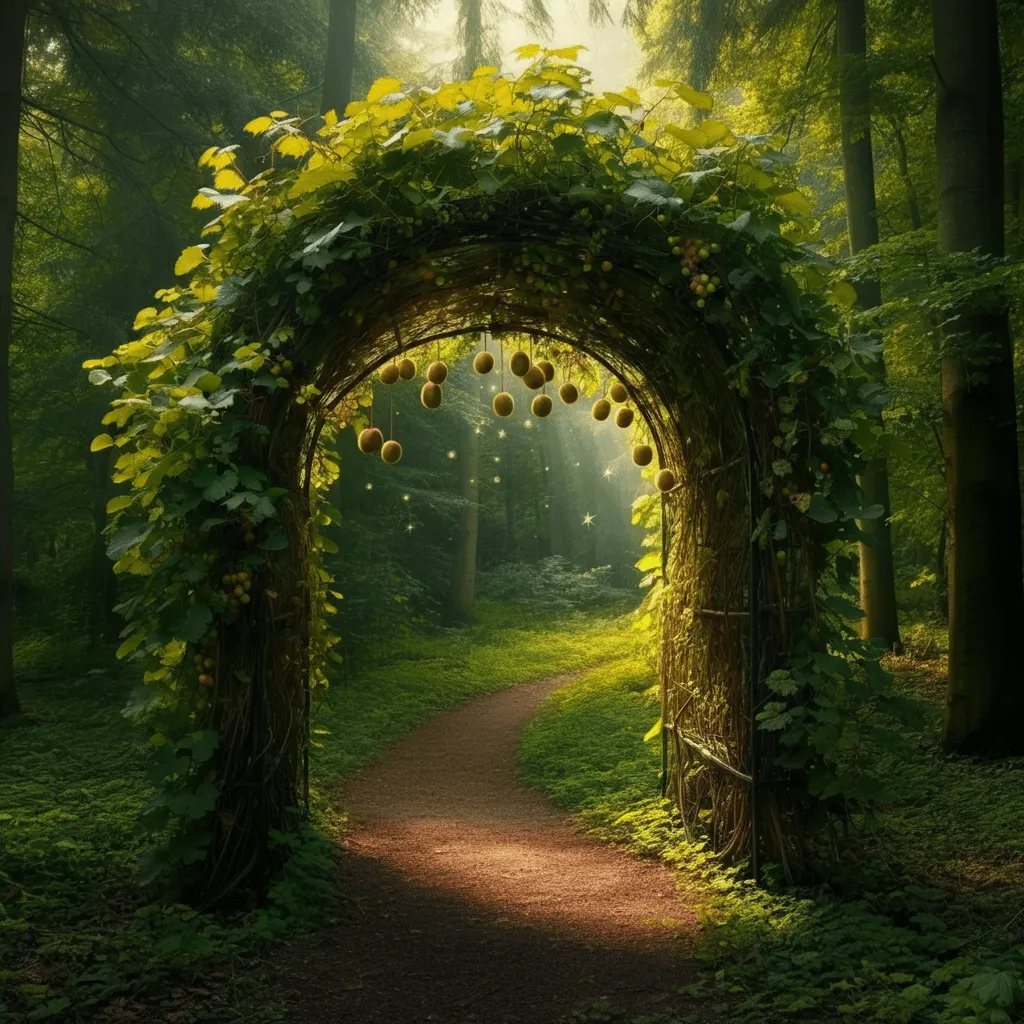
3. Create a Living Archway
Train climbing plants such as grapes or kiwis over a sturdy arched frame to create a magical pathway while producing fruit.
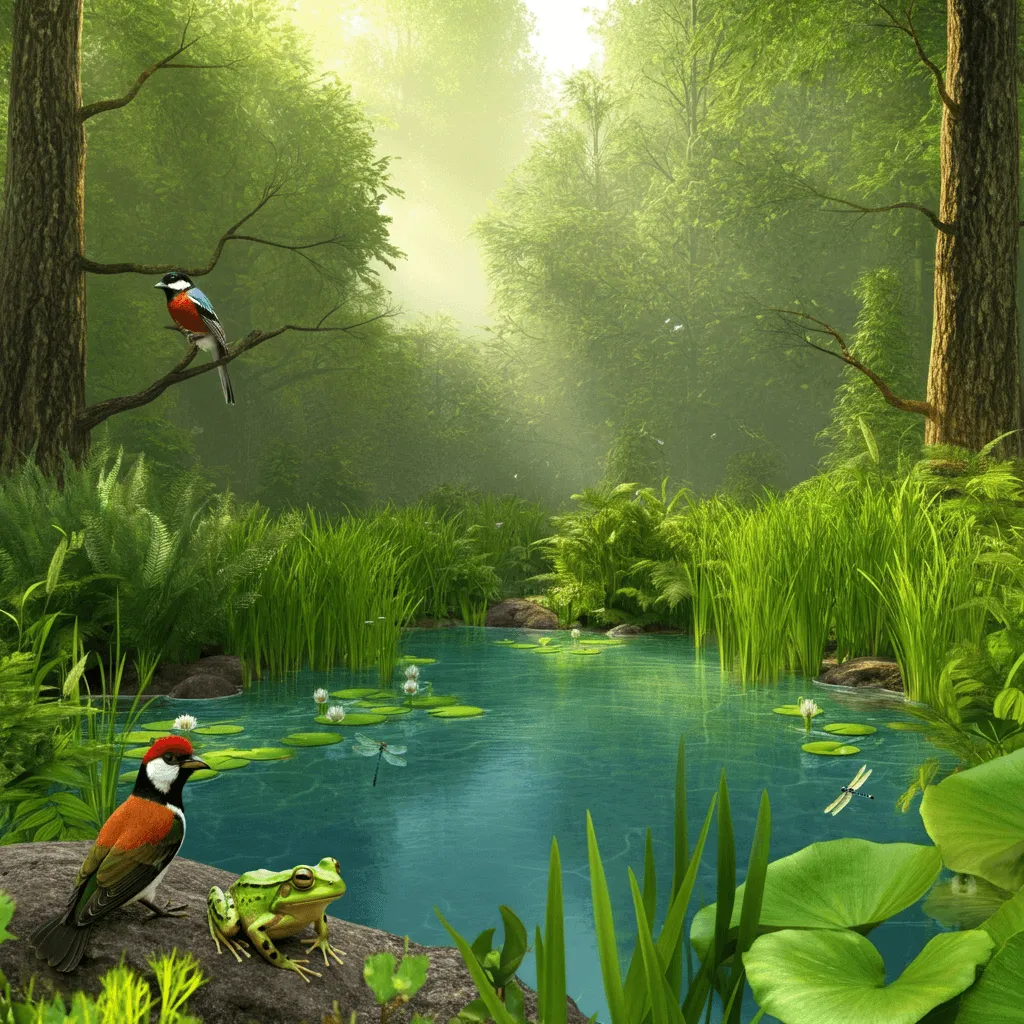
4. Wildlife Water Features
Add a small pond or waterhole surrounded by native vegetation. These features attract birds, amphibians, and insects, enhancing biodiversity.
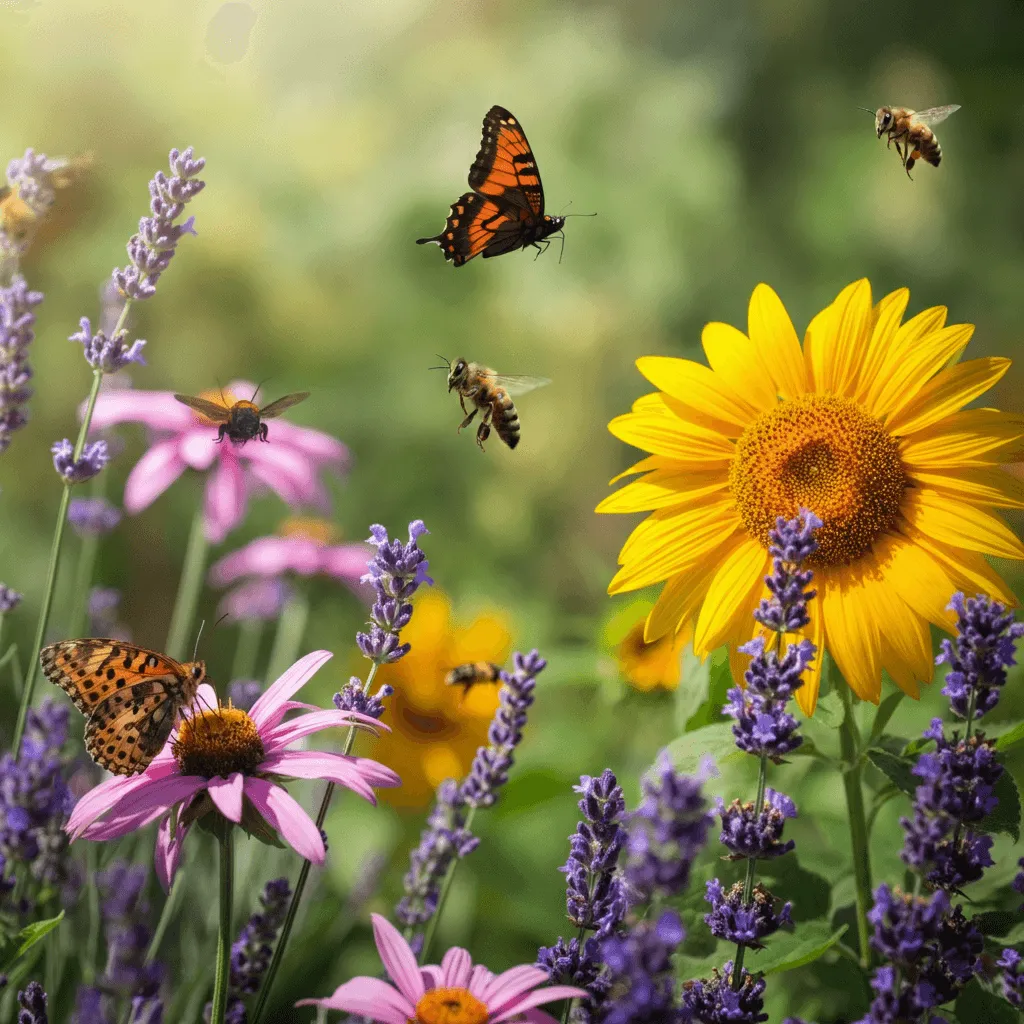
5. Native Pollinator Havens
Plant flowers such as lavender, bee balm, and sunflowers to support bees, butterflies, and other pollinators critical for the ecosystem.
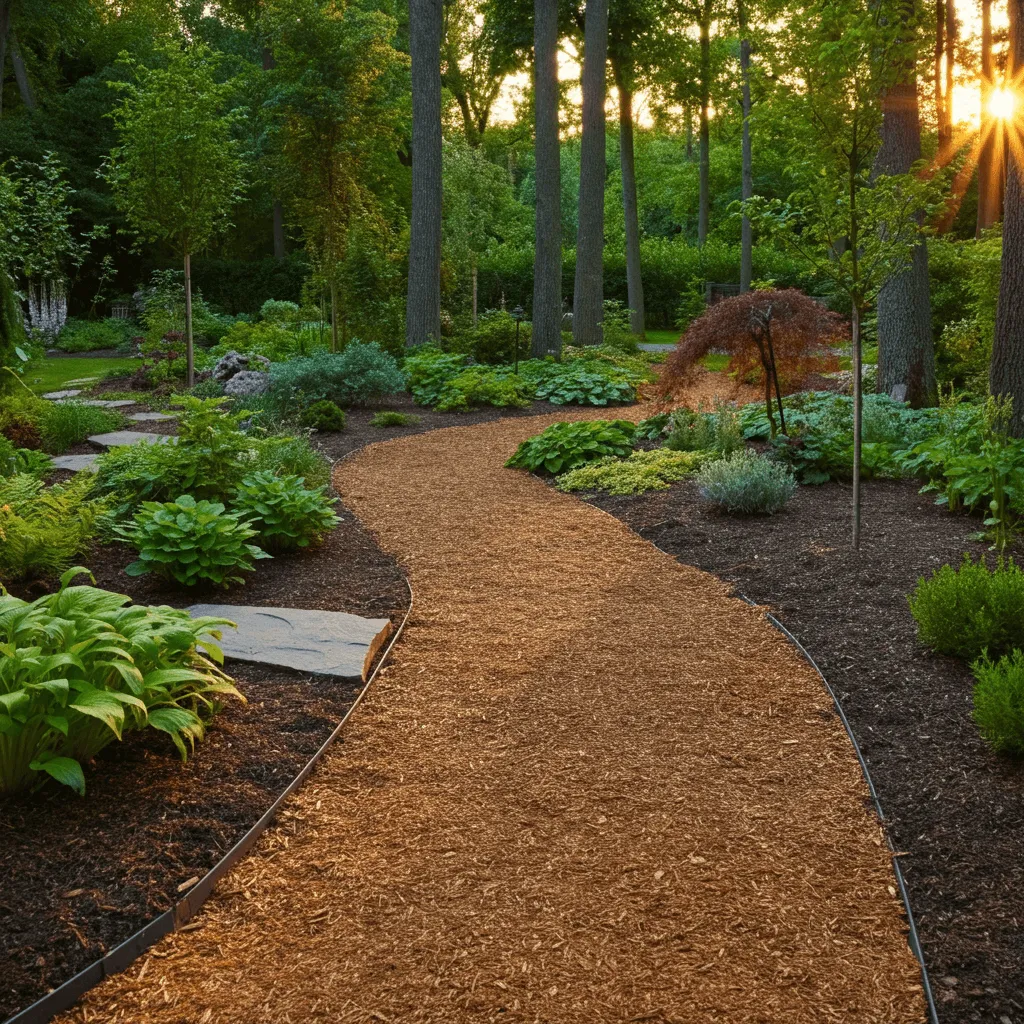
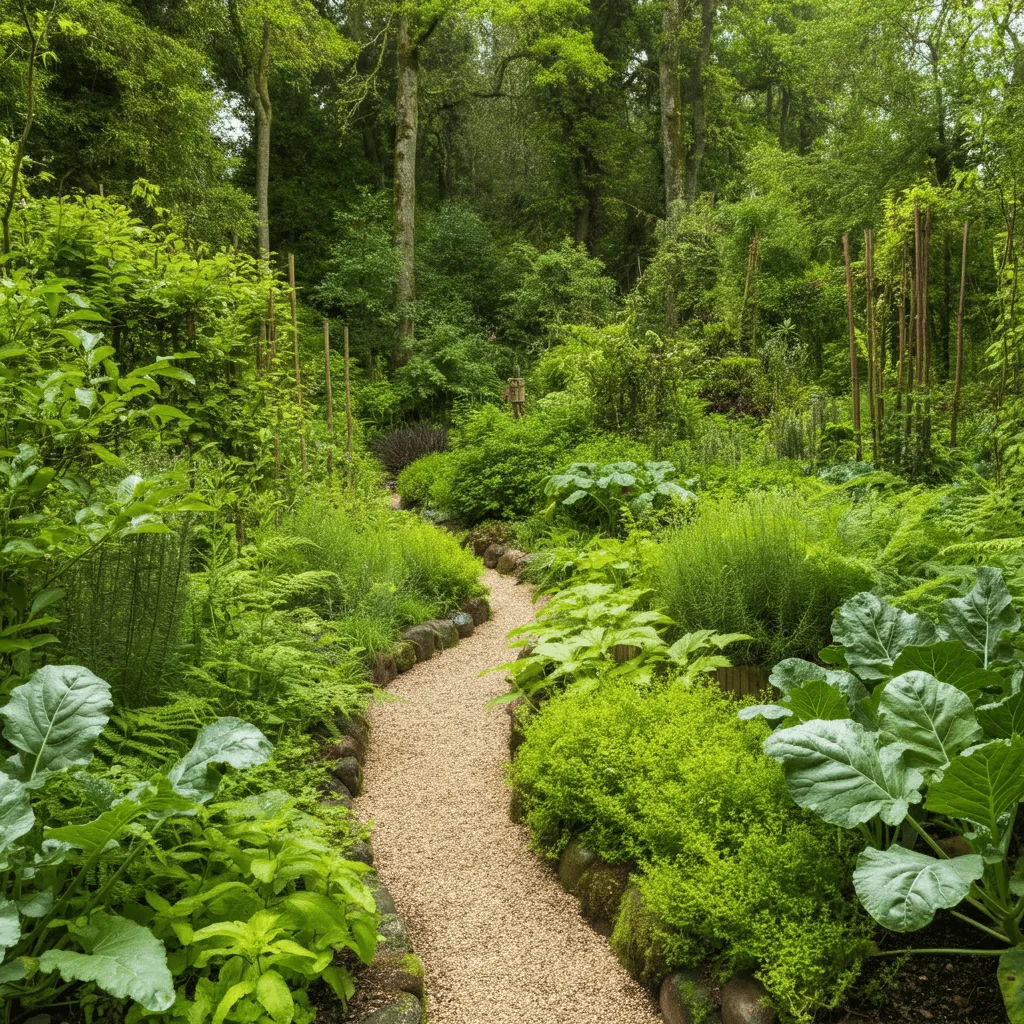
6. Permanent Pathways
Establish mulch or stone-covered paths to reduce soil compaction and define areas within your garden while maintaining a natural aesthetic.
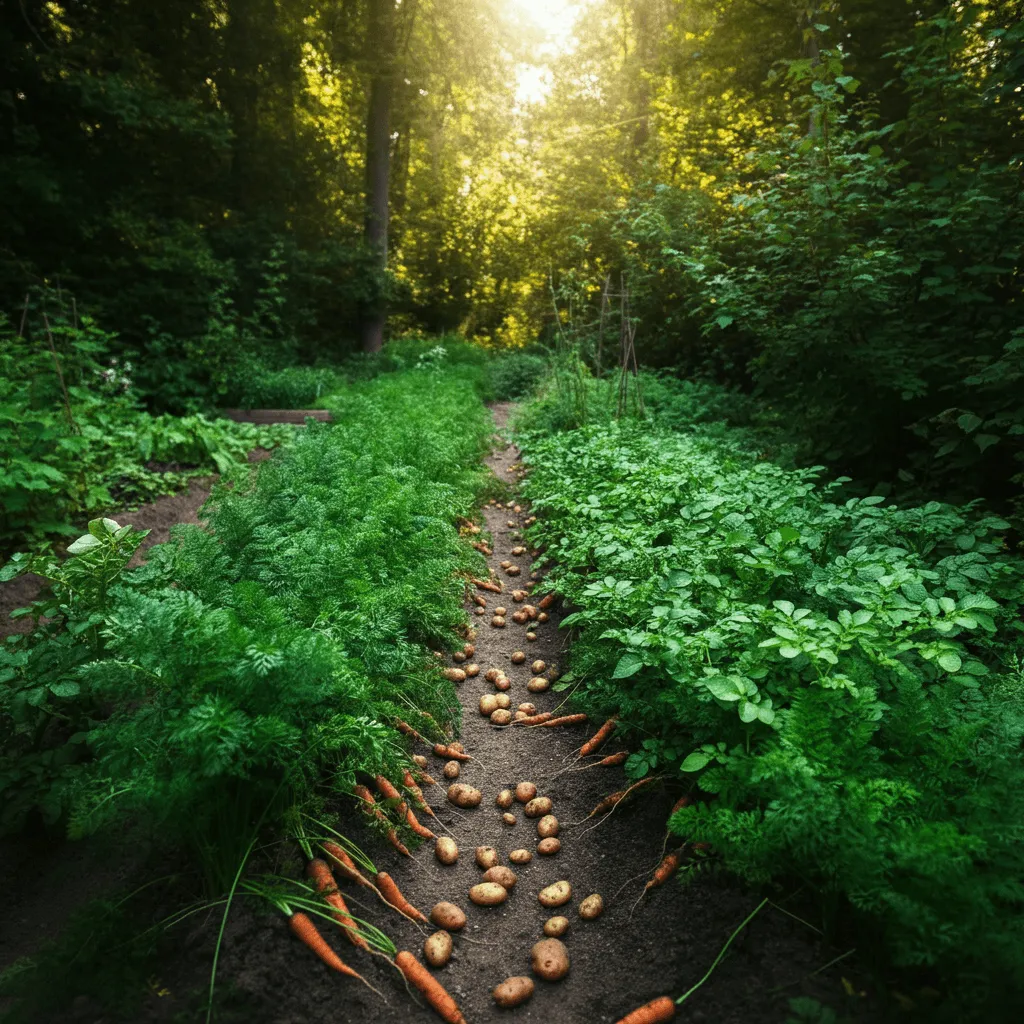
7. Underground Root Crops
Grow root vegetables like carrots and potatoes between taller plants. This utilizes underground space while increasing the garden’s productivity.
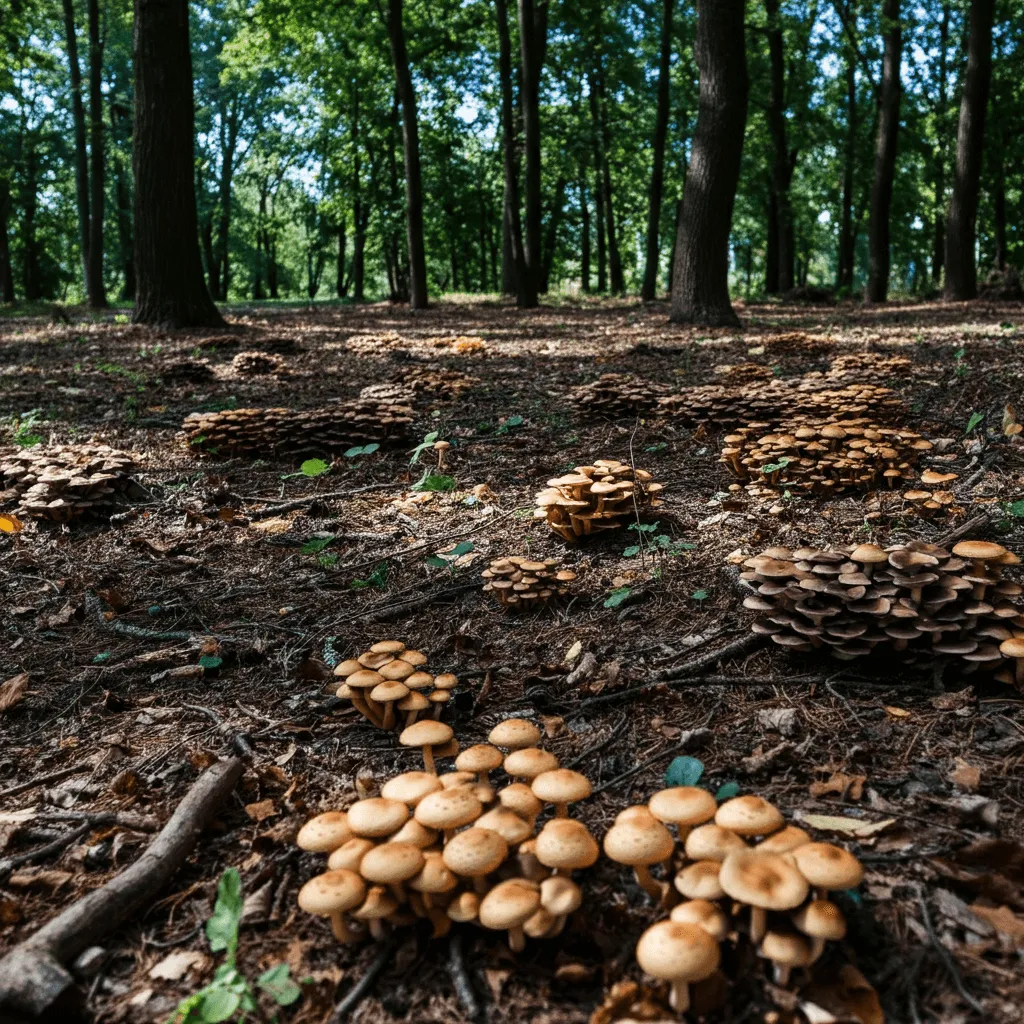
8. Fungi Farming
Introduce mushroom cultivation under layers of trees and leaf litter. Fungi are excellent for soil health and add to the garden’s diversity.
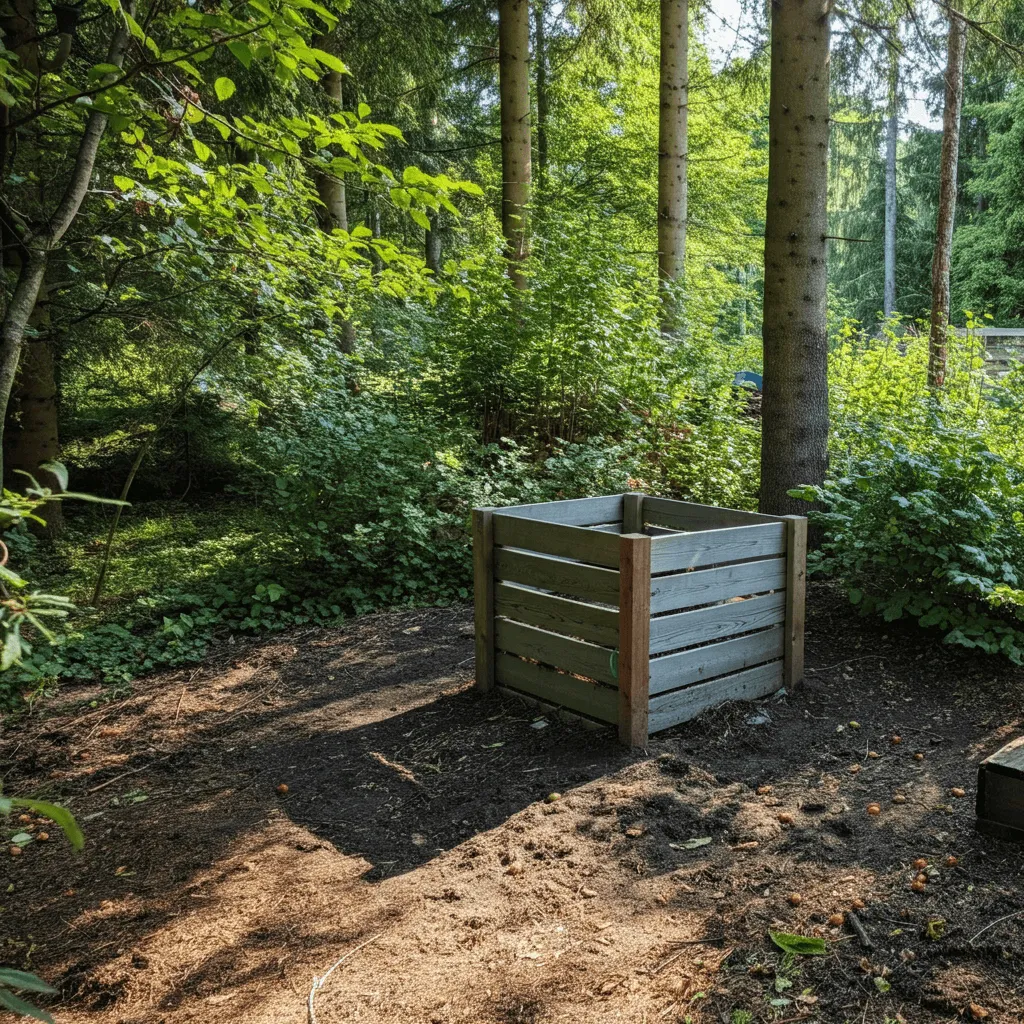
9. Compost Corner
Dedicate a corner to a compost system for turning organic waste into nutrient-rich soil.
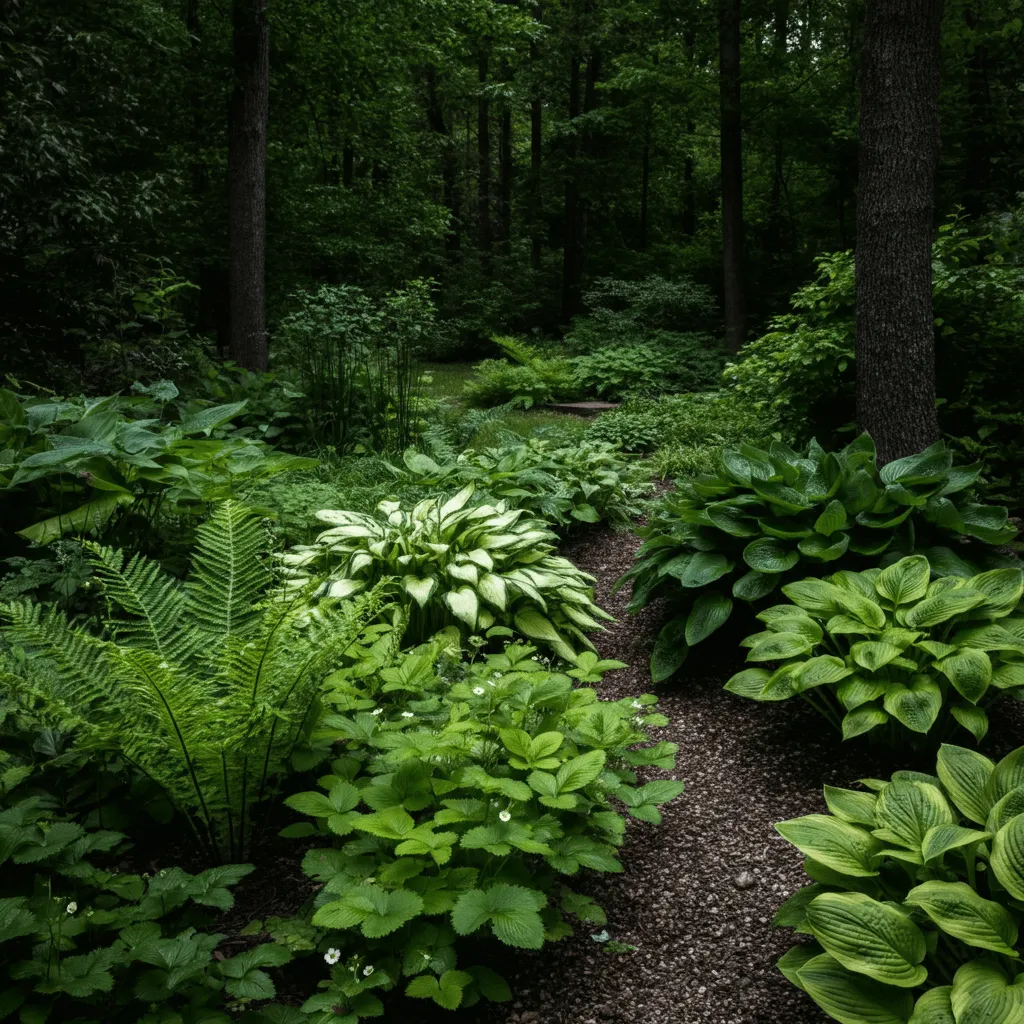
10. Shade-Loving Plants
Utilize shaded zones for planting ferns, hostas, and woodland strawberries. These thrive under the canopy-layer trees.
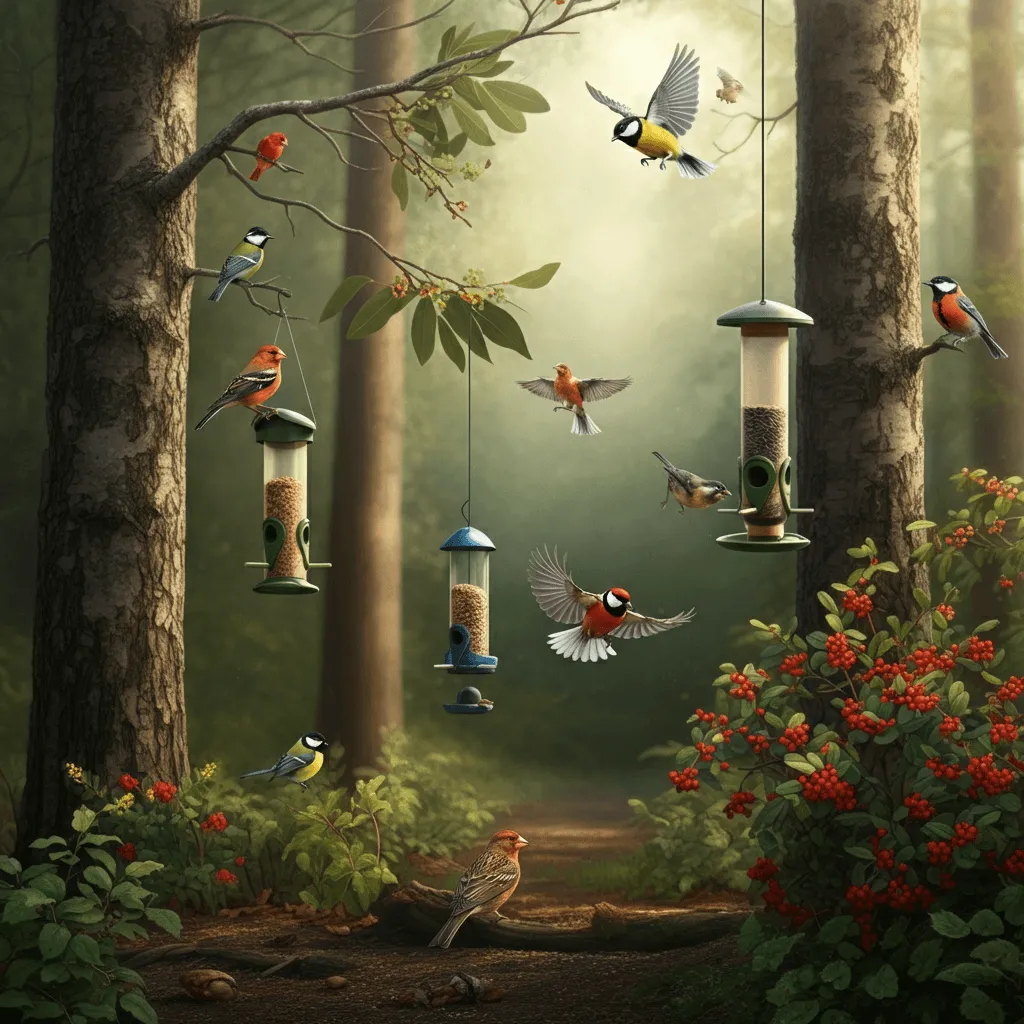
11. Bird-Friendly Feeding Nooks
Hang bird feeders and plant berry-producing shrubs such as holly or serviceberries to attract various bird species.
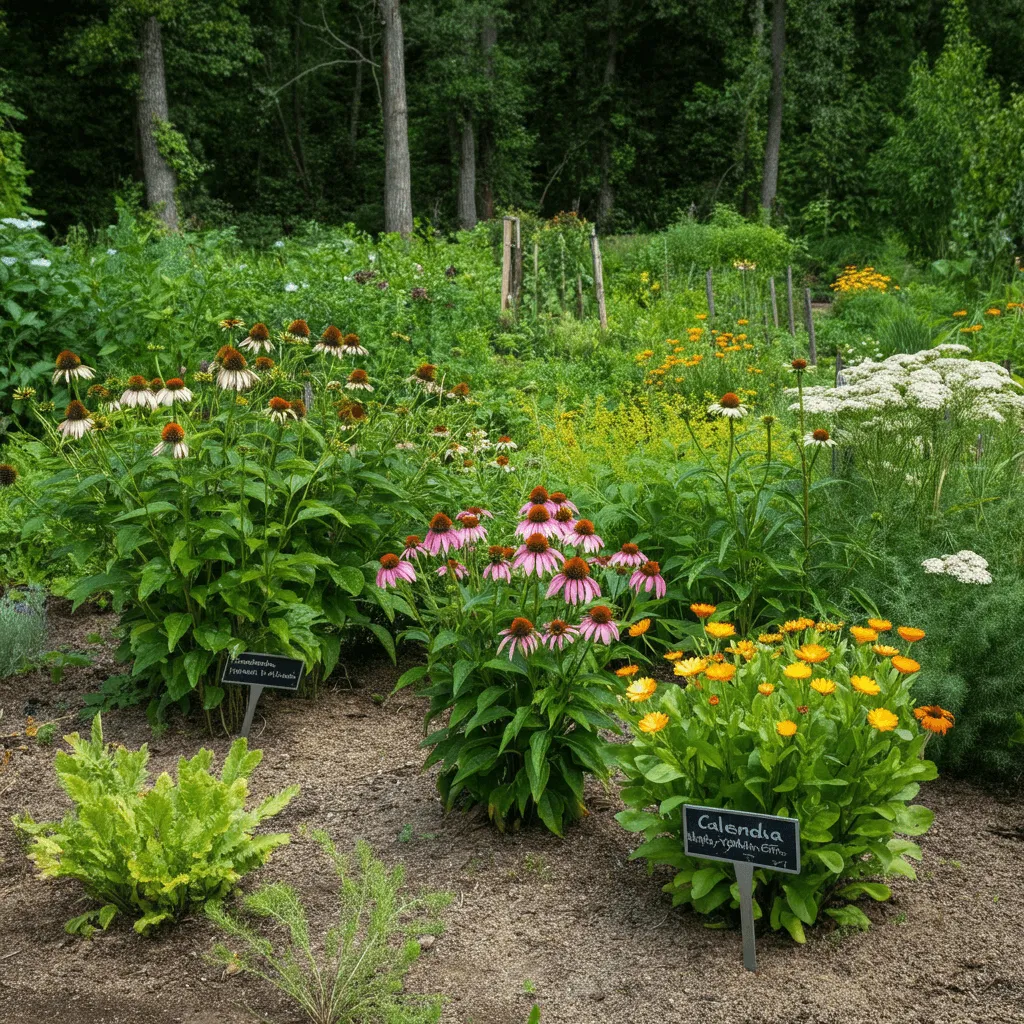
12. Medicinal Plant Zones
Cultivate plants like echinacea, calendula, and yarrow that can be used for natural remedies, enhancing the garden’s purpose.
13. Vertical Trellis Gardening
Add trellises for climbing vegetables such as beans and peas. This helps utilize vertical space effectively.

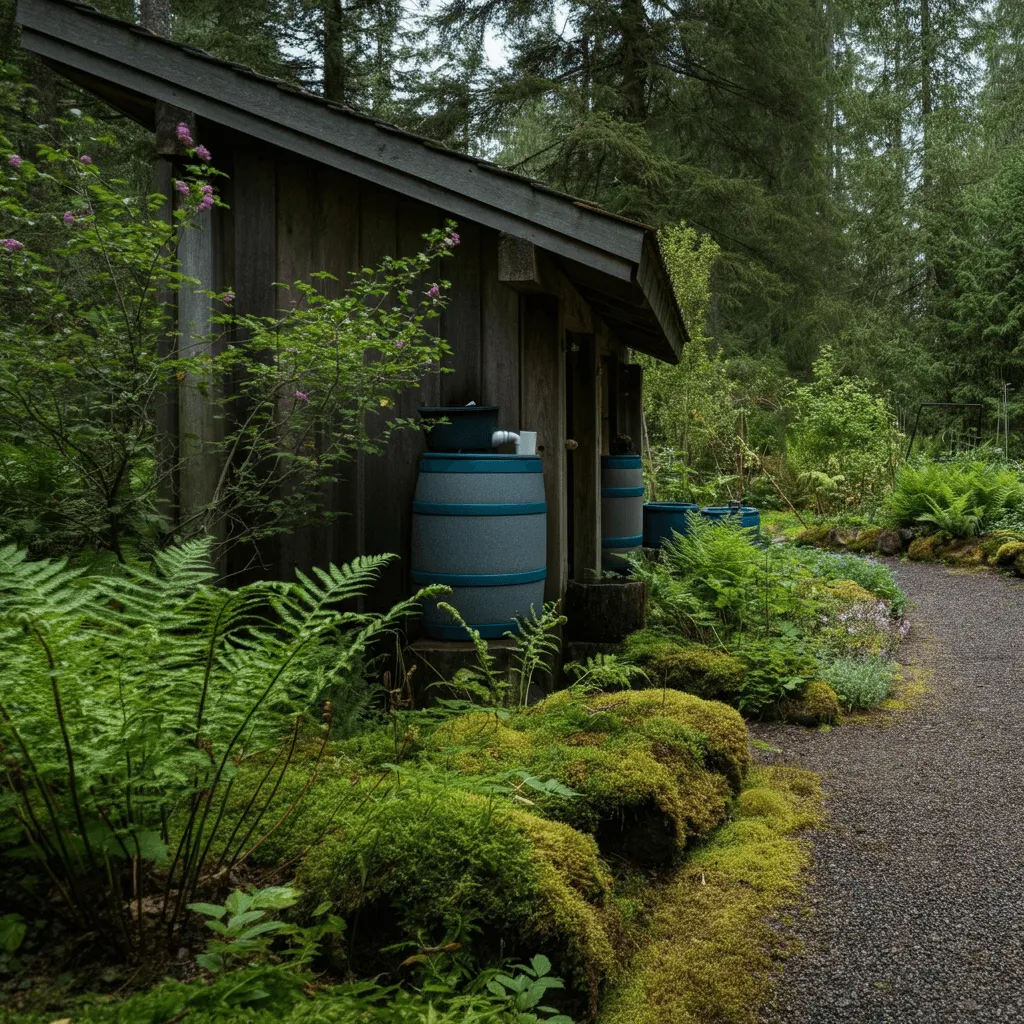
14. Rainwater Collection Systems
Install rain barrels to collect and store water for irrigation. Use this sustainable system to maintain the garden during dry periods.
15. Permaculture Principles
Design the garden with permaculture zoning in mind. Place high-maintenance plants closer to pathways and entrances.
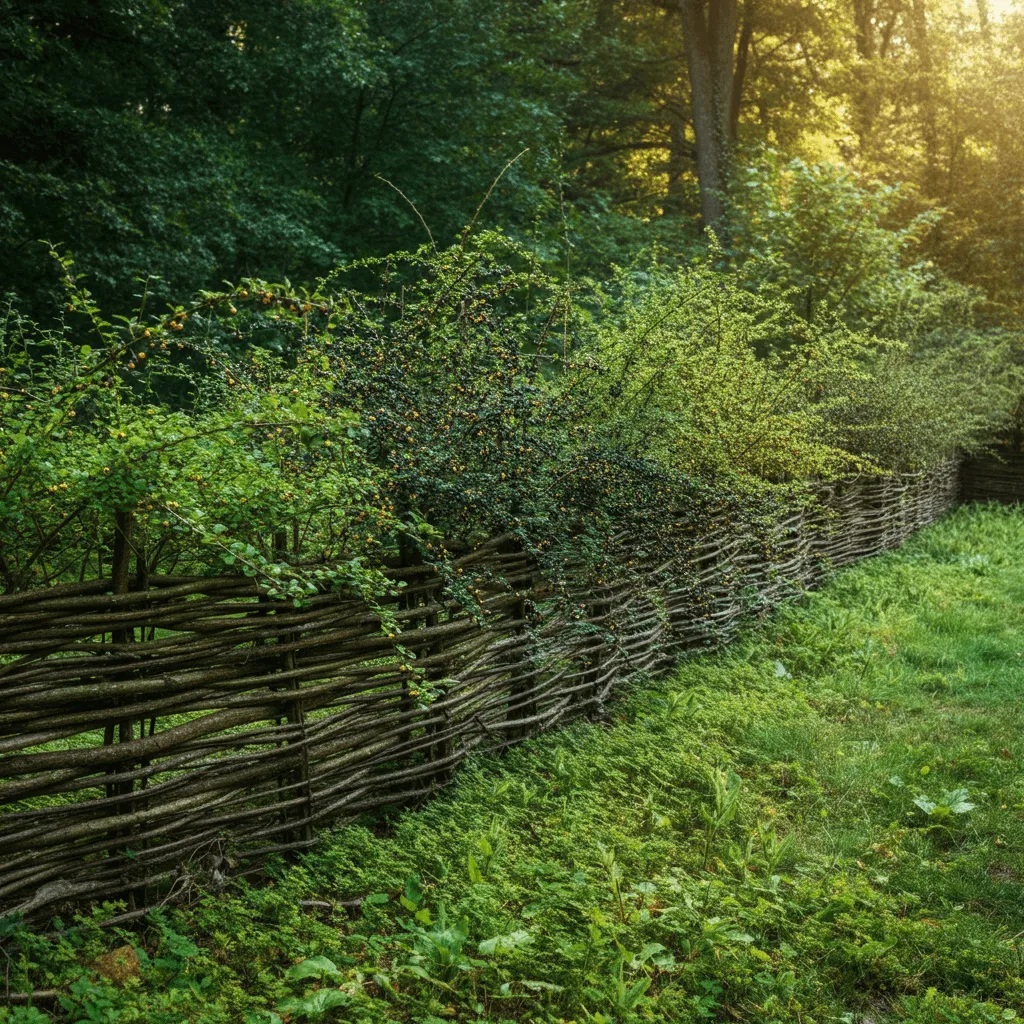
16. Natural Fencing
Grow a living hedge with shrubs and small trees like hawthorn or blackthorn. This green barrier doubles as a habitat for small animals.
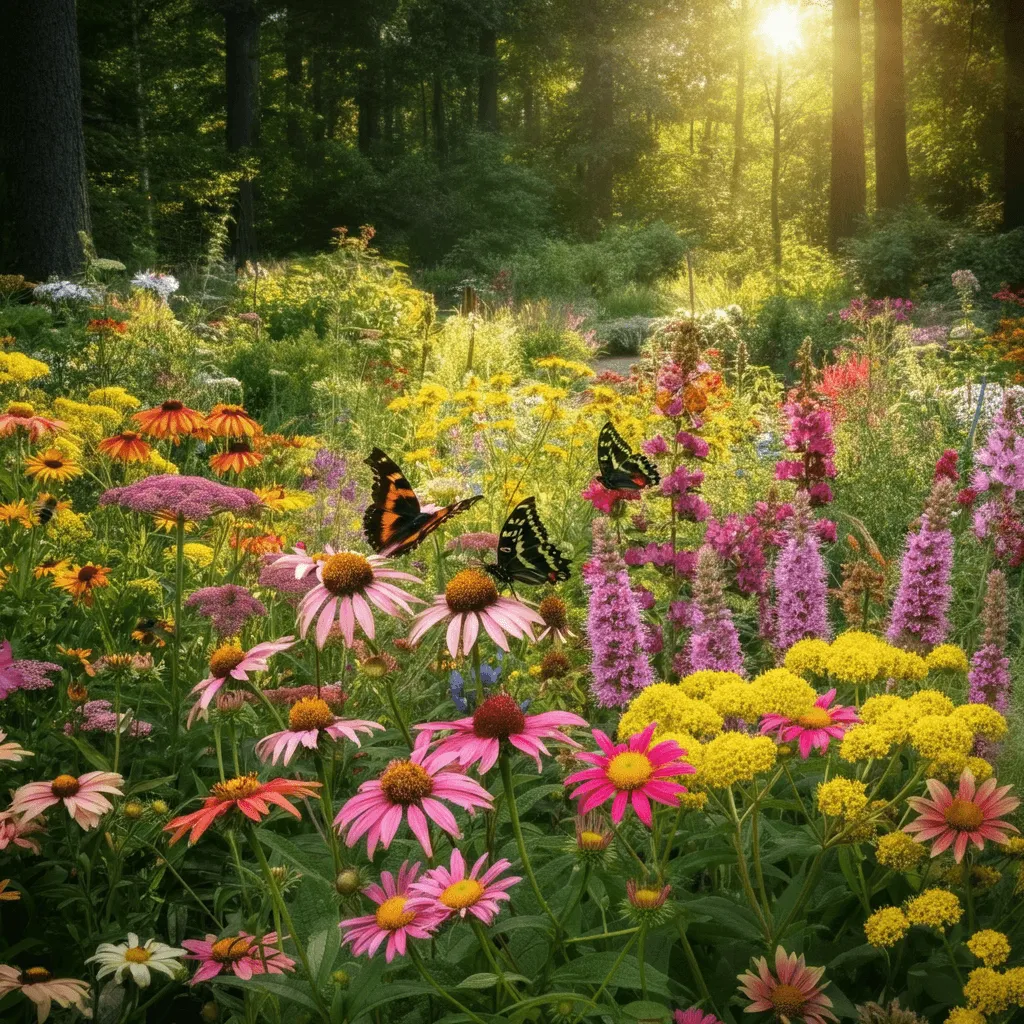
17. Wildflower Meadows
Replace grassy areas with a wildflower meadow. Native flowers reduce maintenance and support insects like butterflies.
18. Seasonal Color Blends
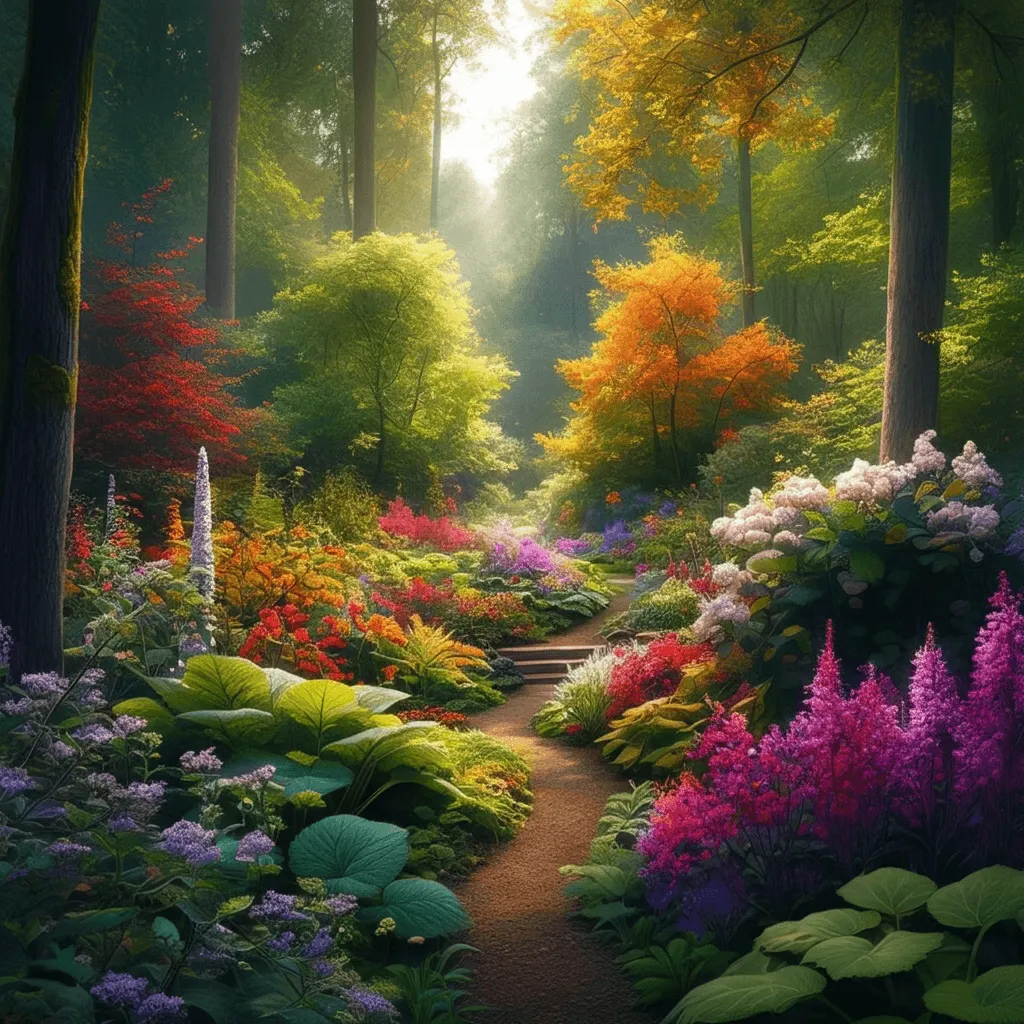
Select a variety of plants that bloom in different seasons, ensuring your garden is vibrant all year long.
19. Nutritious Ground Covers
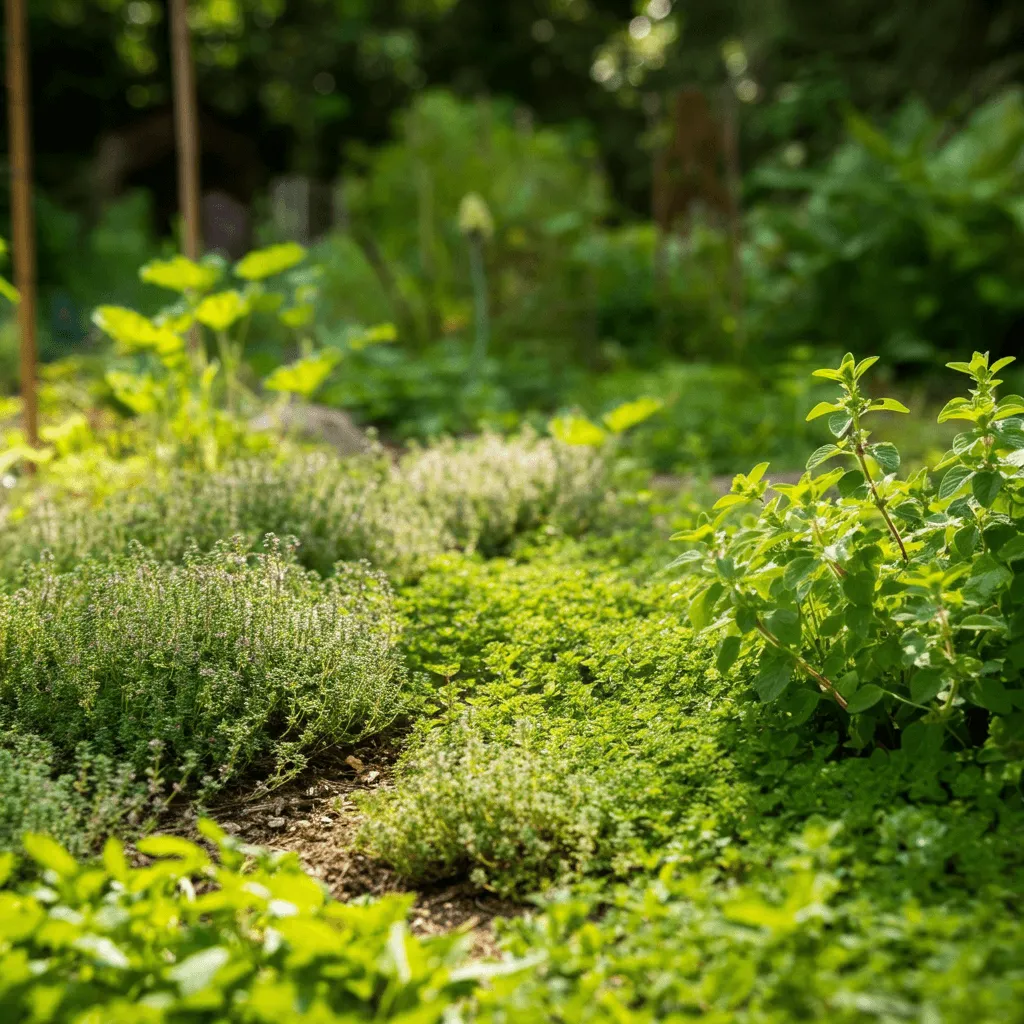
Use creeping thyme, clover, or oregano as ground covers. These are low-maintenance, prevent weeds, and can be edible.
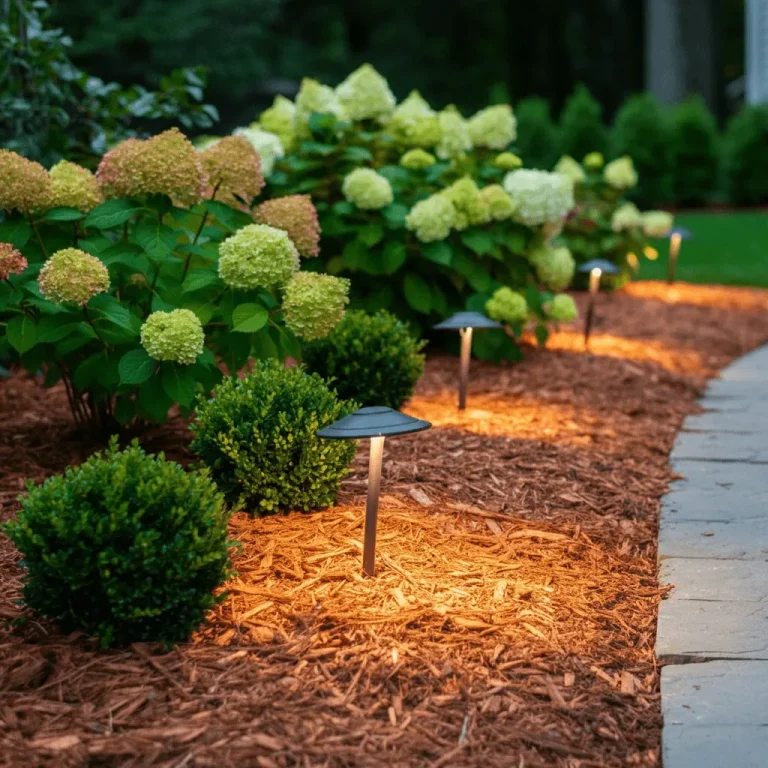
20. Solar Lighting for Ambiance
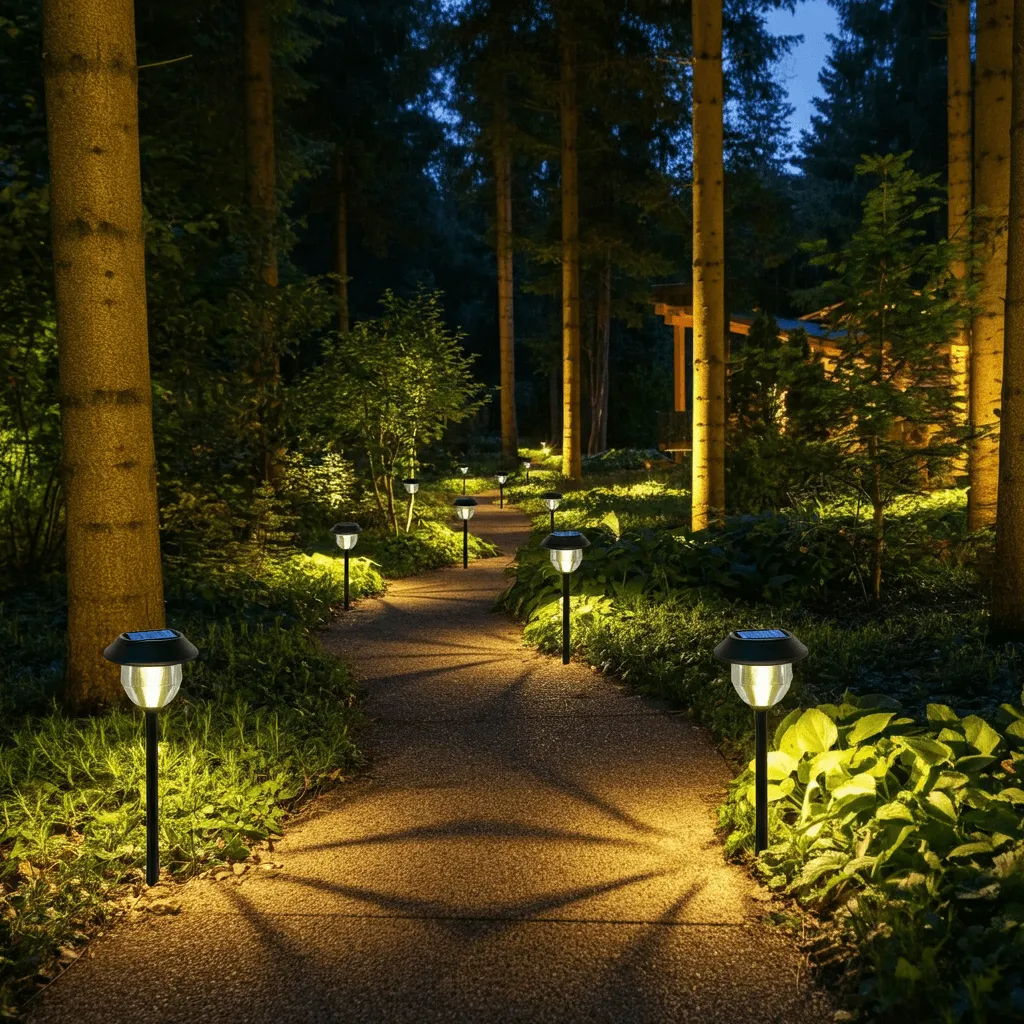
Install solar-powered lights along pathways to illuminate your garden at night in an eco-friendly manner.
21. Butterfly Gardens
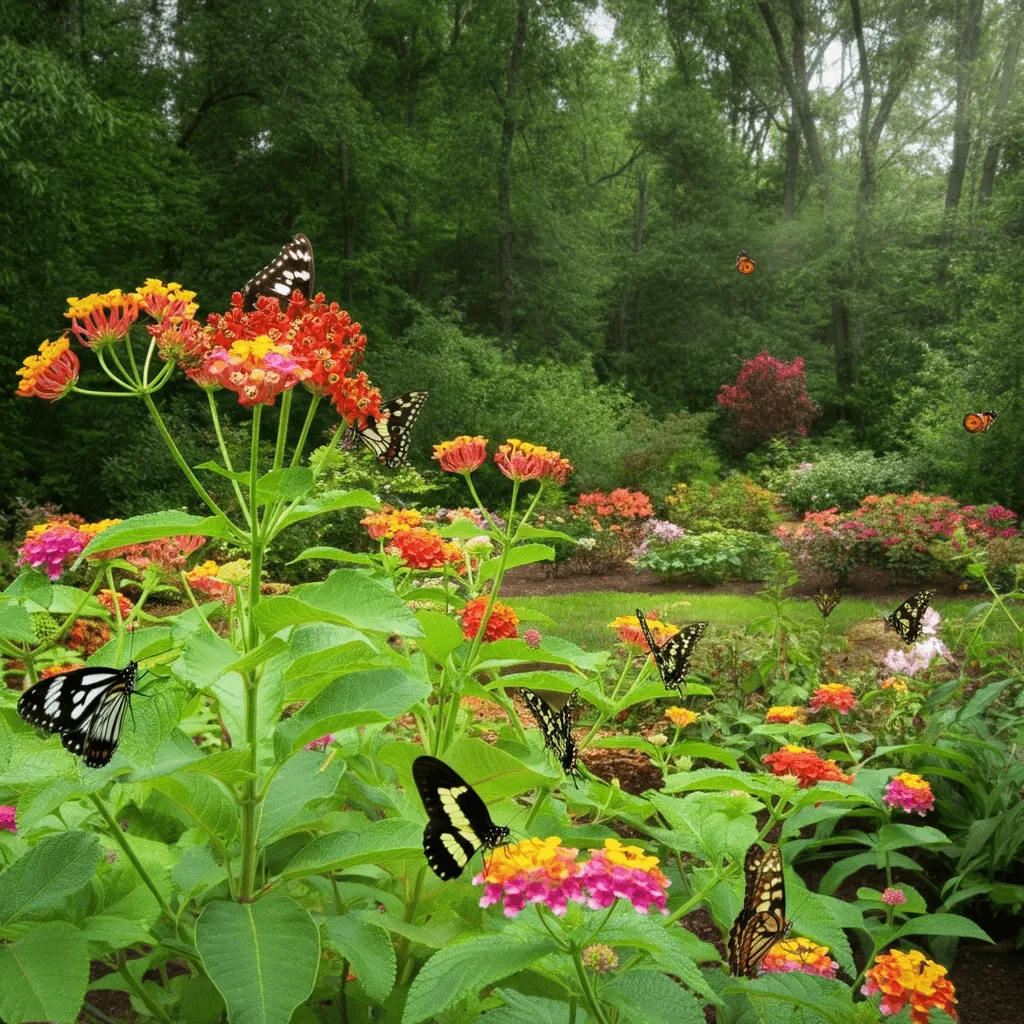
Focus on host and nectar plants like milkweed and lantana to attract and support butterflies.
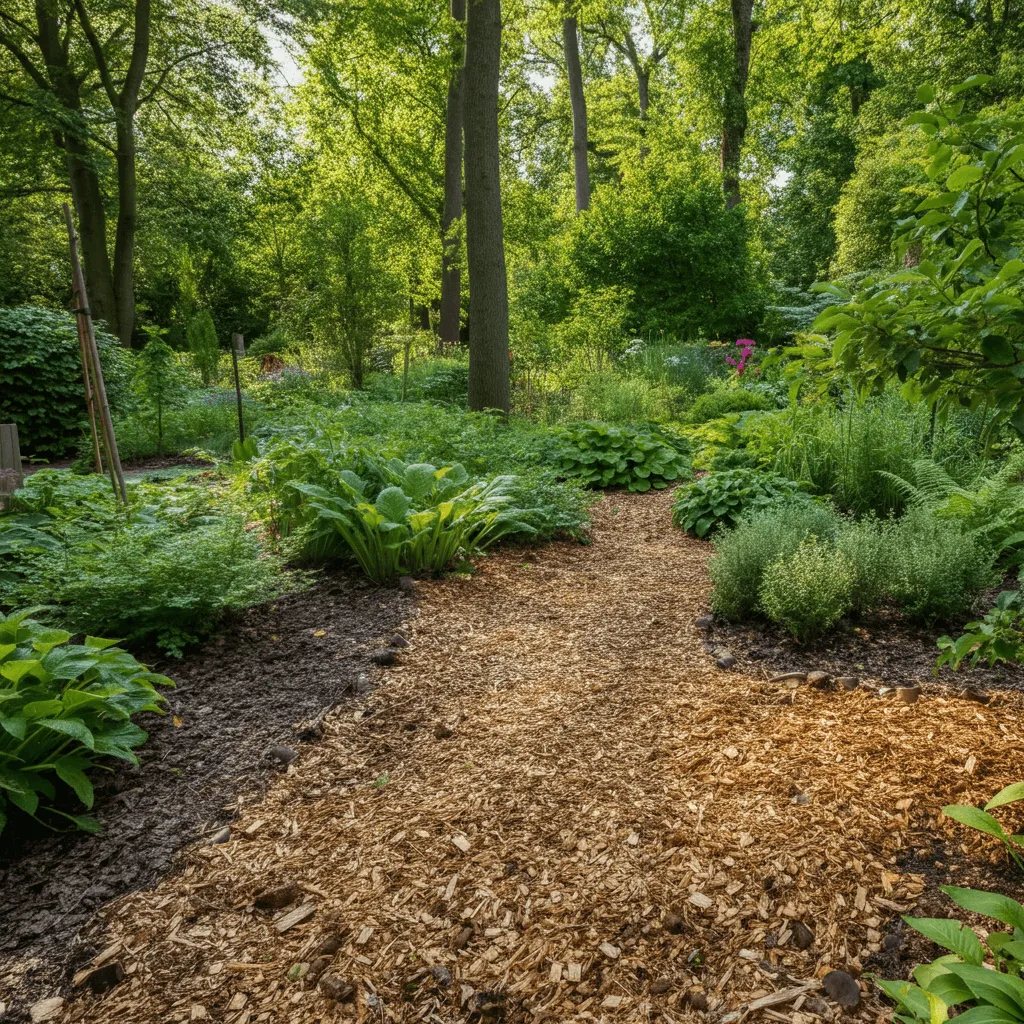
22. Natural Mulching
Spread leaf litter and wood chips to protect the soil, retain moisture, and enhance the forest-like atmosphere.
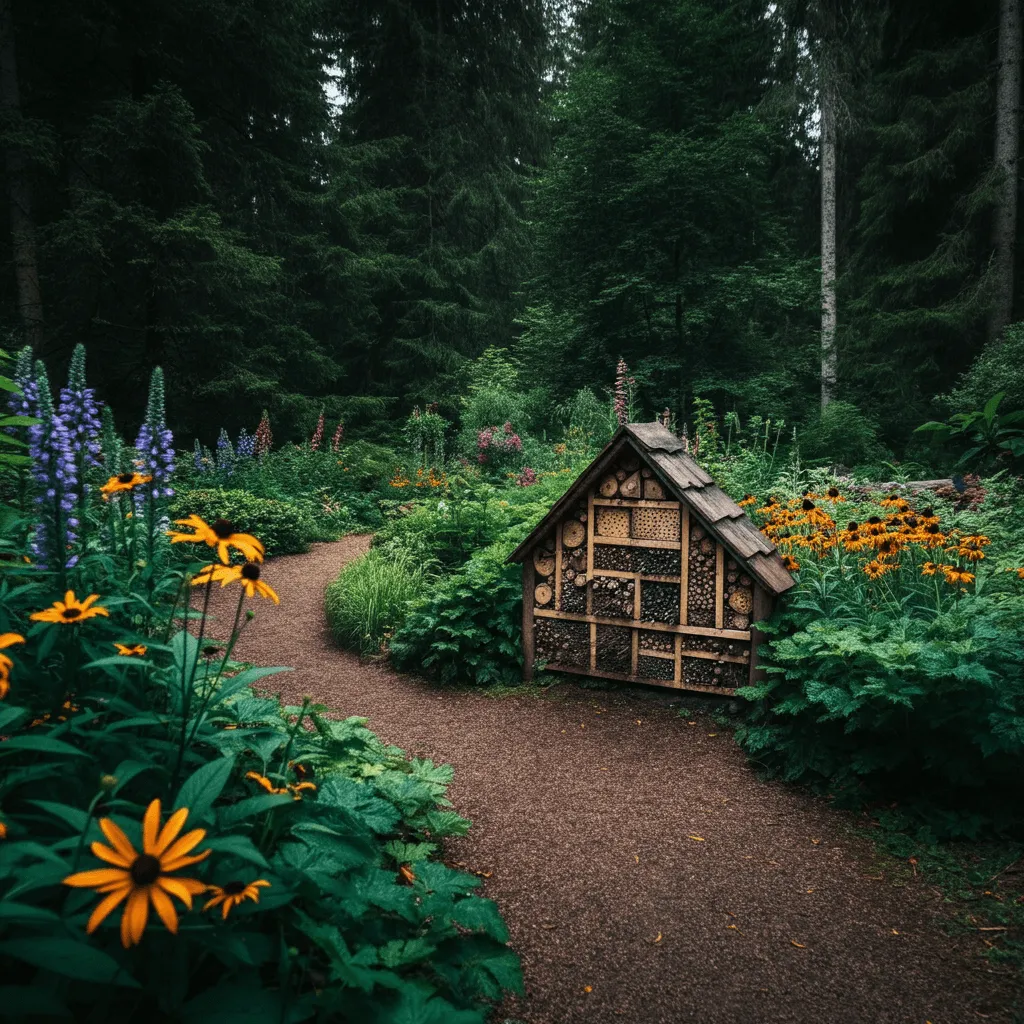
23. Bee Hotels
Install structures for solitary bees to nest in, further enriching the pollinator population in your garden.
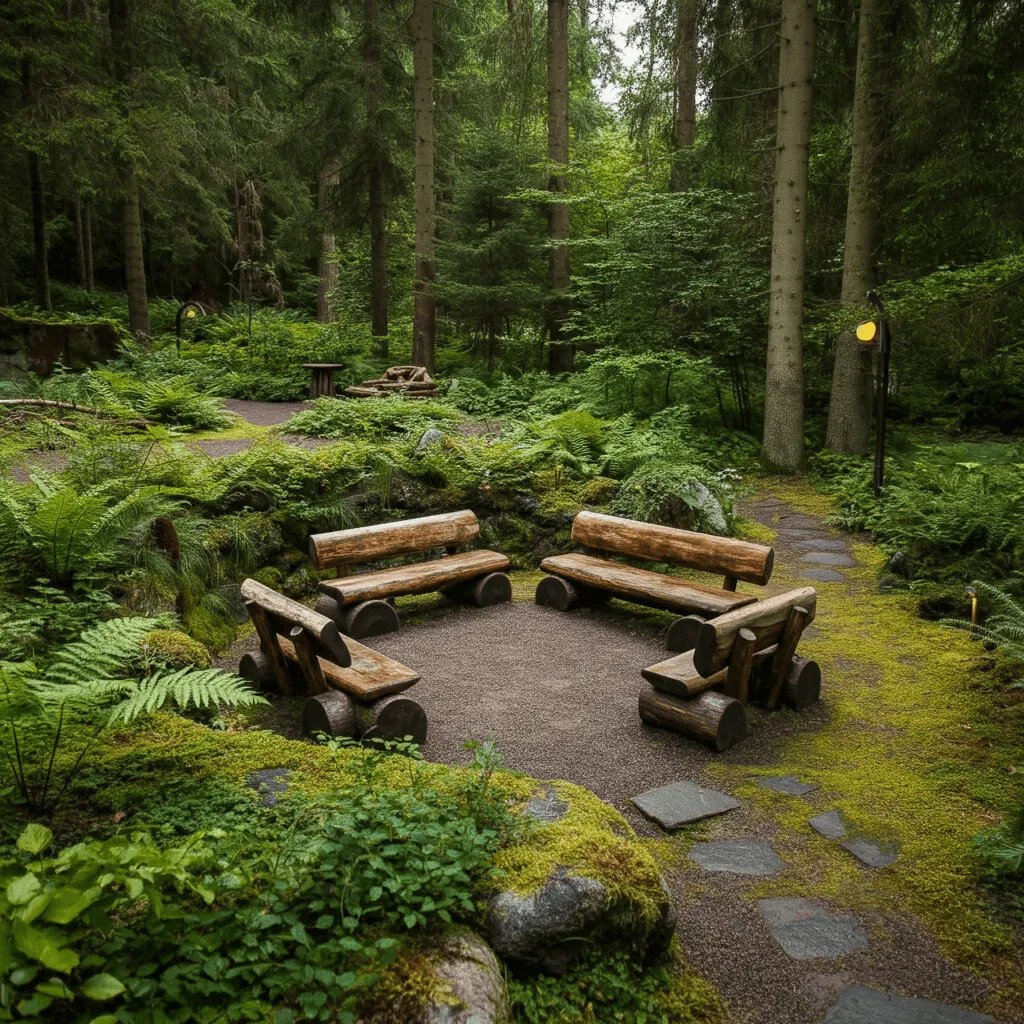
24. Forest Garden Seating
Create seating areas using natural materials like logs or stone, providing a peaceful retreat for relaxation and observation.
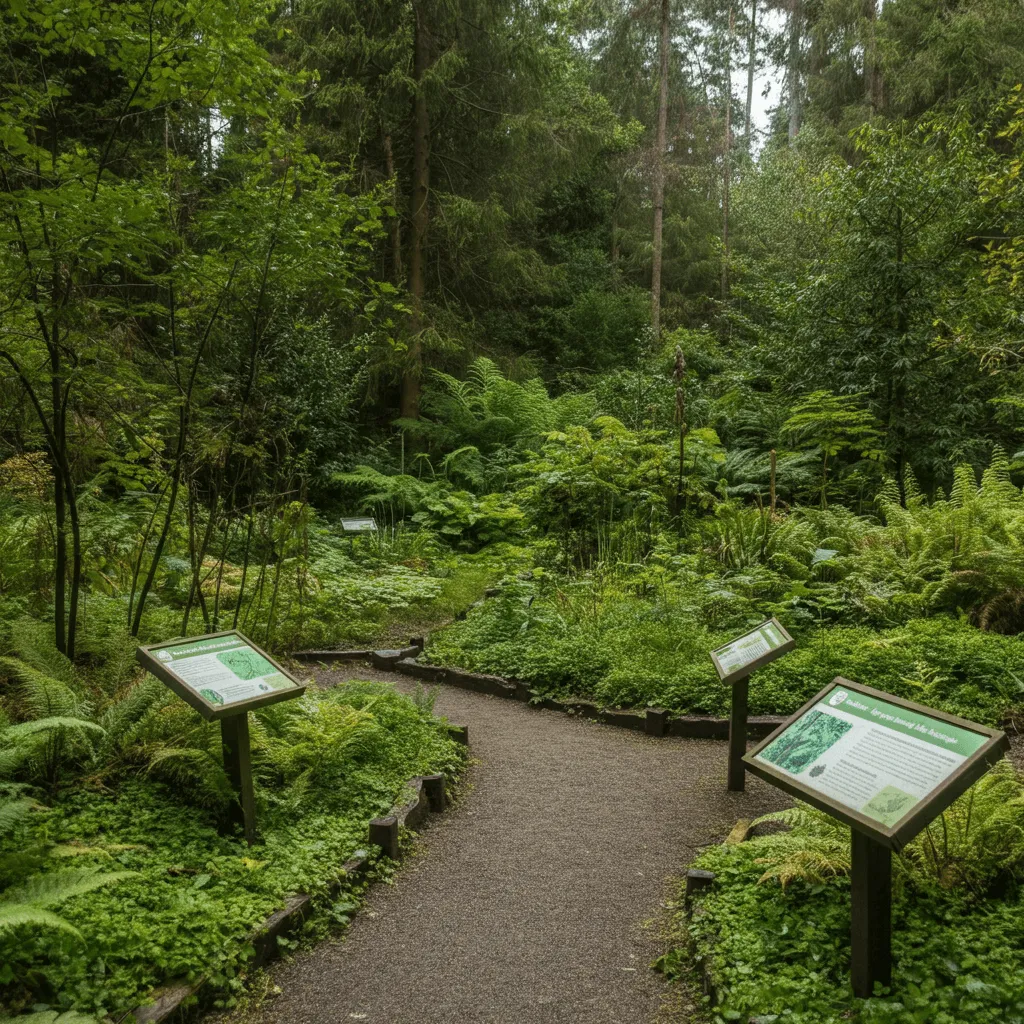
25. Educational Signage
Add labels or signs to highlight plant names, uses, and ecological roles, turning your forest garden into a learning experience for visitors.
Final Thoughts
A forest garden is more than a green space—it’s a dynamic, living system that can provide sustenance, sanctuary, and sustainability for years to come. By using these ideas, you’ll be closer to cultivating a verdant paradise where nature thrives in harmon