10 Stunning Botanical Maze Ideas for Your Dream Garden
Creating a botanical maze for your garden is like building a puzzle that’s alive—and a whole lot more fun than trying to assemble furniture from a tiny instruction booklet. (Although, bonus points if your maze is Ikea-shaped!) Whether you’re aiming for a whimsical escape, a tranquil retreat, or the next neighborhood hotspot for hide-and-seek, we’ve got you covered with ten incredible ideas to transform your outdoor space into a masterpiece.
Why Botanical Mazes Are the Ultimate Garden Feature
Botanical mazes are more than just decorative—they’re an experience. These living labyrinths offer a blend of beauty and functionality. They can create privacy, a sense of adventure, and even improve biodiversity by providing habitats for birds and bees. Plus, can you think of a better excuse to get your steps in?
Now, let’s move step by creative step to explore ten stunning ideas to inspire your dream garden.
1. The Classic Hedge Maze
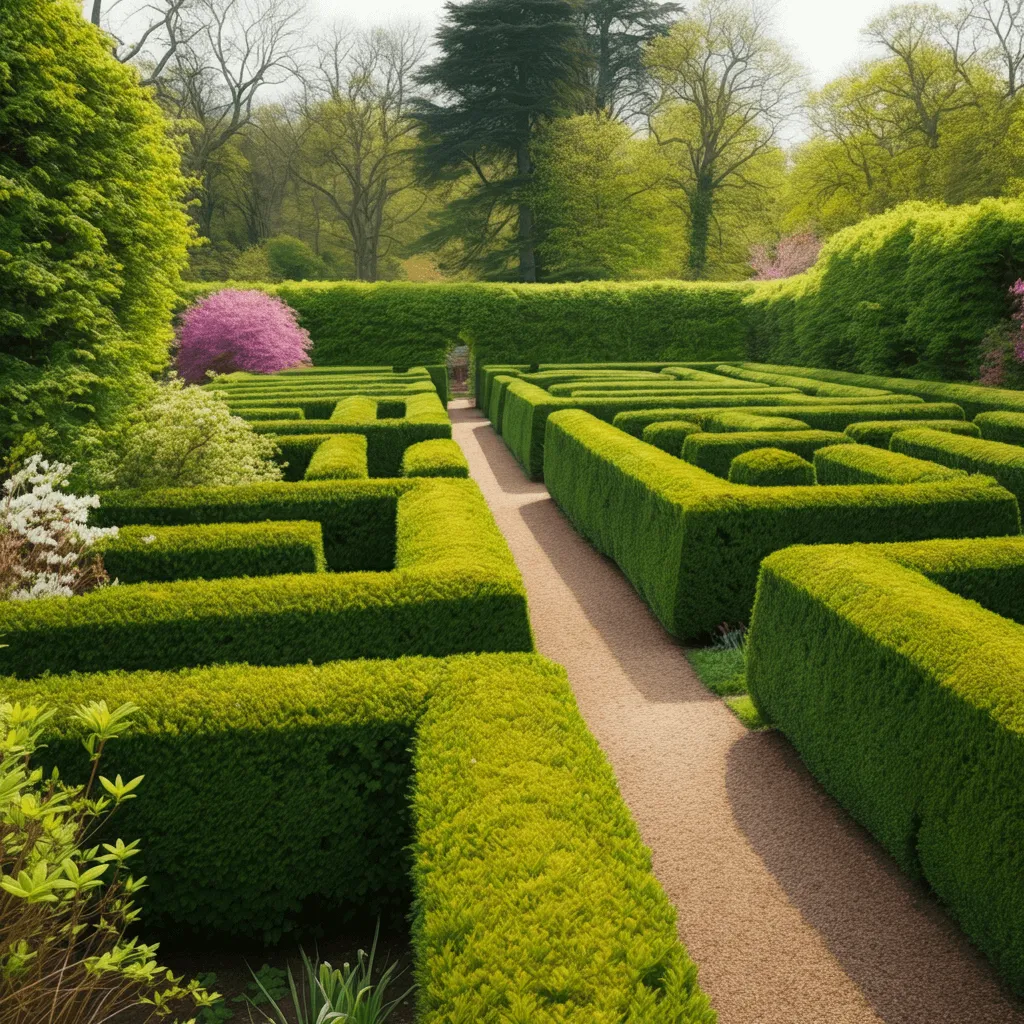
When you think of a maze, your brain probably goes straight to towering green hedges that look like they came out of a Victorian novel. The classic hedge maze is a timeless choice, usually crafted from shrubs like boxwood or yew. For a modern twist, consider adding pops of color with flowering shrubs like azalea or forsythia.
Real-Life Example
Many historic estates in England feature classic hedge mazes. Perhaps the most famous is the Hampton Court Maze near London, which spans over half an acre. A scaled-down version in your backyard could bring a similar stately charm to your personal space.
Pro Tips
- Choose plants that are easy to prune and maintain.
- Install pathways made from gravel or stone to reduce mud and wear.
2. Themed Mazes with Seasonal Blooms
If you love color and variety, a maze featuring plants that bloom differently throughout the seasons is a fantastic idea. Pick springtime tulips, summertime roses, and autumnal chrysanthemums to keep the maze lively all year round.
Choosing Low-Allergy Flowers
To keep everyone sniffle-free, opt for hypoallergenic blooms like sunflowers or petunias.
Case Study
A couple in Oregon created a stunning seasonal maze featuring regional flowers that saved water and flourished in the local climate.

3. Herb and Aromatherapy Mazes
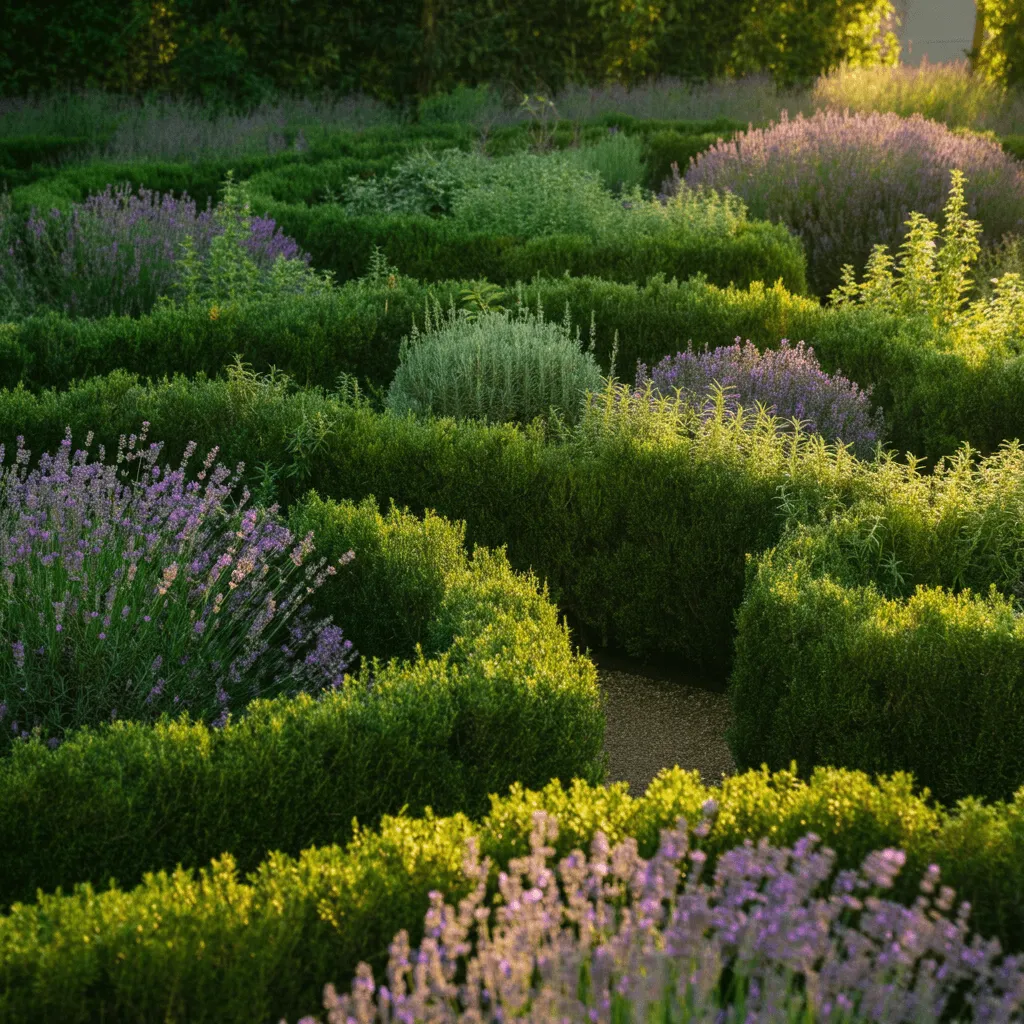
Garden mazes aren’t just for looking pretty—they can engage all five senses. An herb maze filled with lavender, mint, rosemary, and thyme offers both visual appeal and heavenly aromas. Imagine wandering through a maze and brushing your hands along fragrant plants. Bonus? You’ll always have fresh herbs for dinner.
4. Kid-Friendly Mazes with Edible Plants
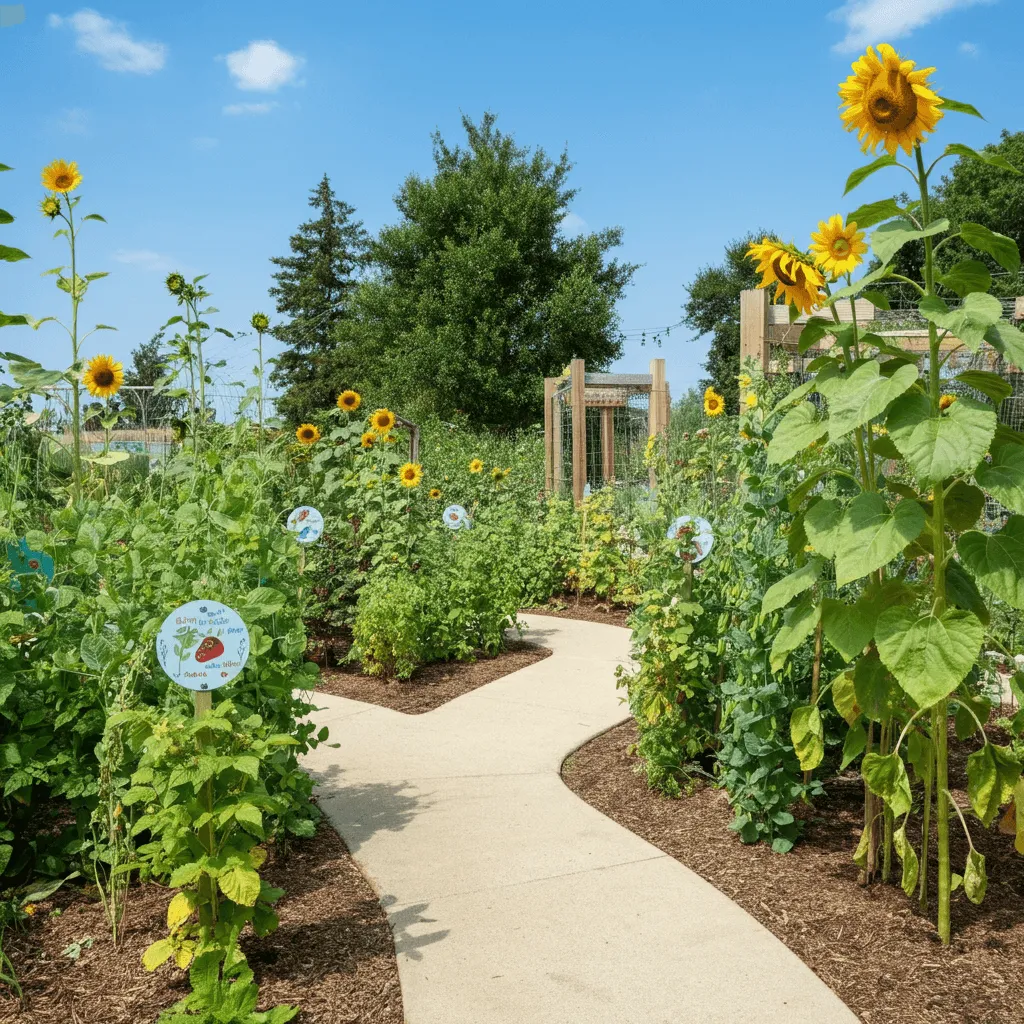
Want to keep young adventurers entertained? Consider a kid-friendly maze featuring plants like sunflowers, raspberry bushes, or snap peas. These mazes encourage exploration while also treating kids to some delicious, freshly picked snacks along the way.
Safety Tips
- Avoid thorny or toxic plants.
- Build low-maintenance paths that are easy to clean up after heavy rains.
5. Low-Growth Mazes for Small Spaces
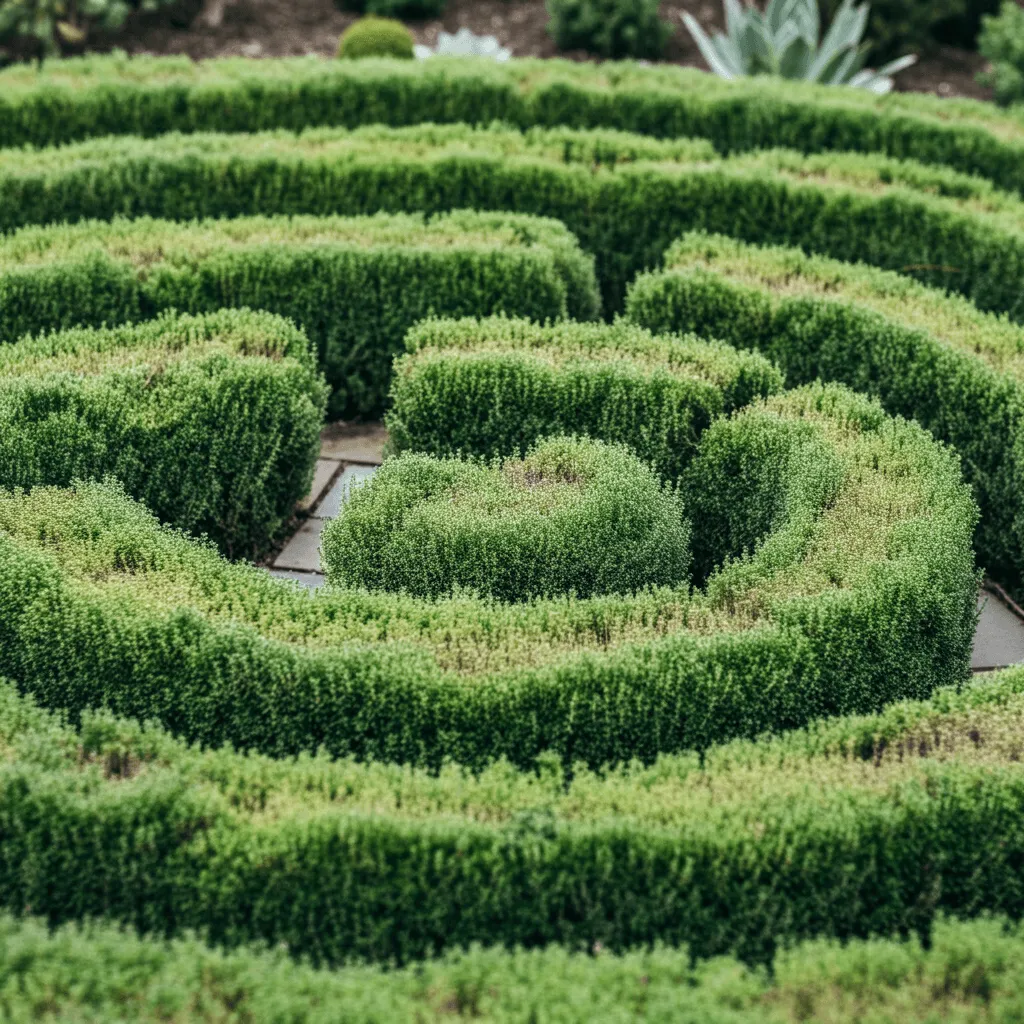
If your backyard isn’t exactly expansive, short hedges or groundcover like thyme can provide a miniature maze experience. These low-height mazes are fantastic for smaller gardens or areas with limited sunlight. They also double as charming decorative features.
Pro Tips
- Use paving stones to outline pathways for easier maintenance.
- Add succulents or stonecrop to include texture and drought-resistant features.
6. Vertical Garden Mazes
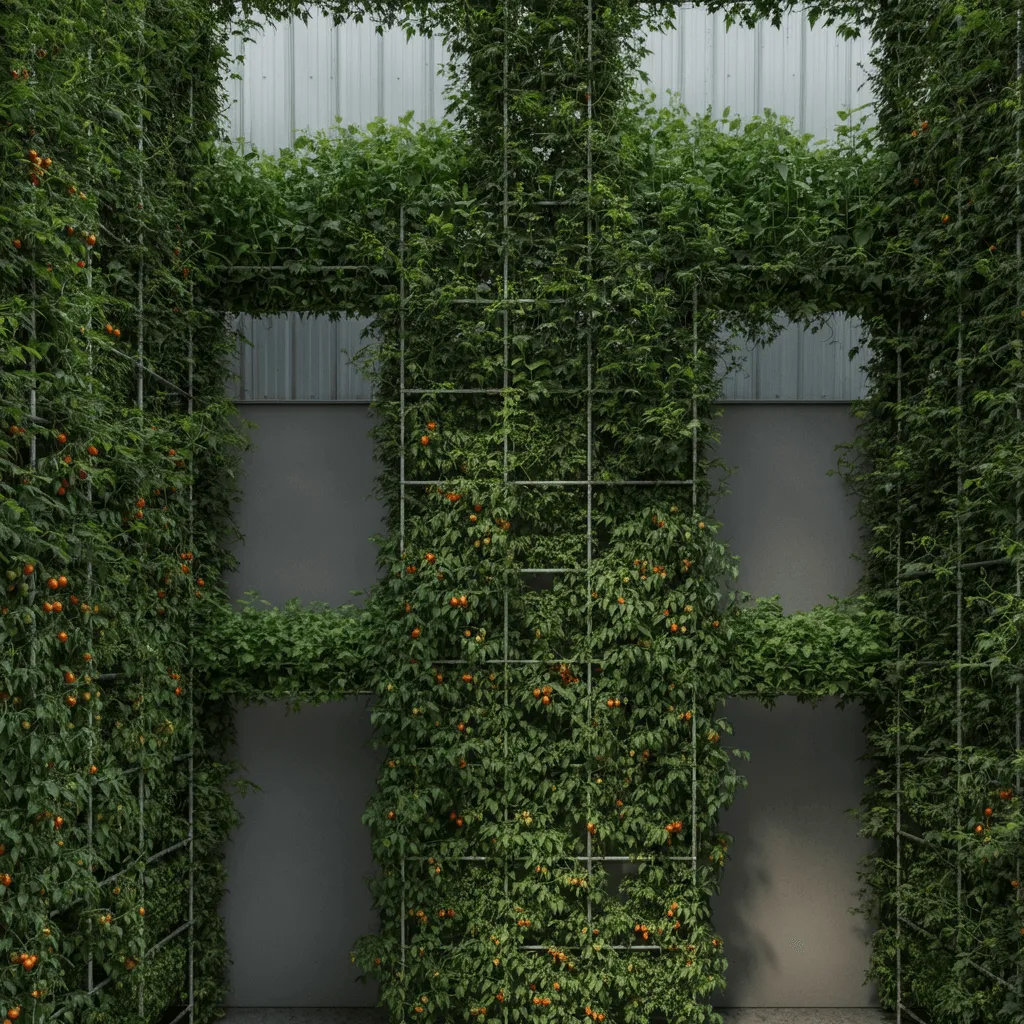
Who says mazes have to sprawl horizontally? Vertical garden mazes are a stunning option for urban gardens or other spaces where ground area is minimal. Use trellises or walls covered in climbing plants like ivy, jasmine, or even vegetables like tomatoes.
Structures to Support Growth
Materials such as lattice or sturdy wiring work well for supporting vertical growth. Just ensure it’s secure to withstand weight and weather elements.
7. Sustainable and Wildlife-Friendly Mazes
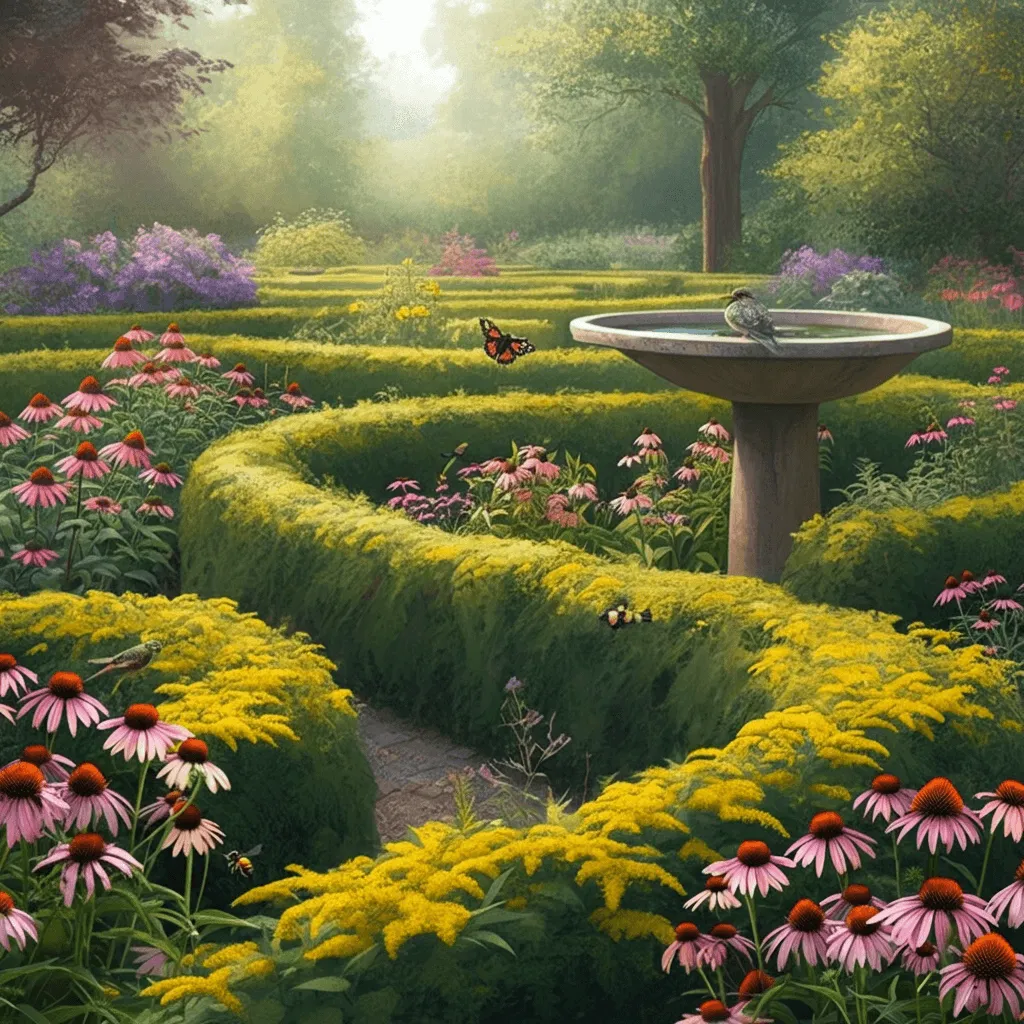
Design your maze with sustainability in mind by focusing on native plants and including water features such as birdbaths. These eco-conscious mazes promote biodiversity and are perfect for attracting pollinators such as bees, butterflies, and birds.
Case Study
A community in Colorado transformed an unused public park into a wildlife-centered botanical maze with native plants like coneflowers and goldenrod.
8. Maze with Hidden Nooks
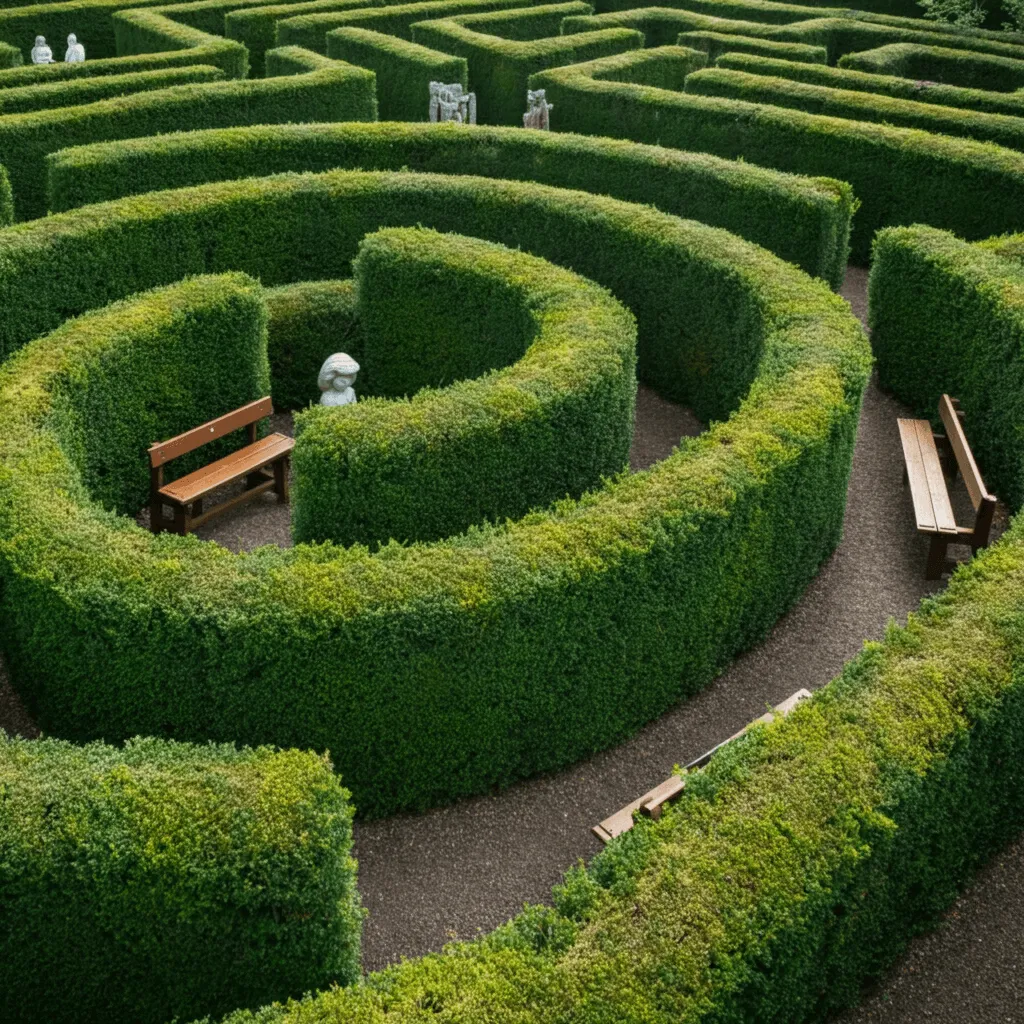
Add secret corners or alcoves within your maze to create cozy spaces. Think benches, tiny sculpture gardens, or even small reading spots hidden away from the main pathways.
Creative Hidden Features
Some homeowners hide fairy garden figurines, creating an enchanting “Easter egg hunt” for maze-walkers.
9. Light-Up Mazes for Nighttime Strolls
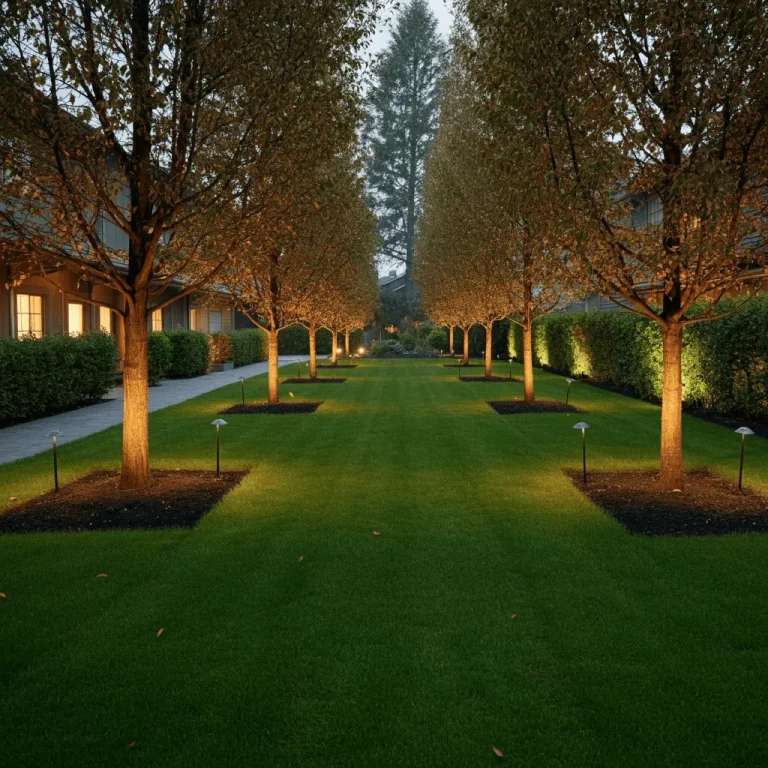
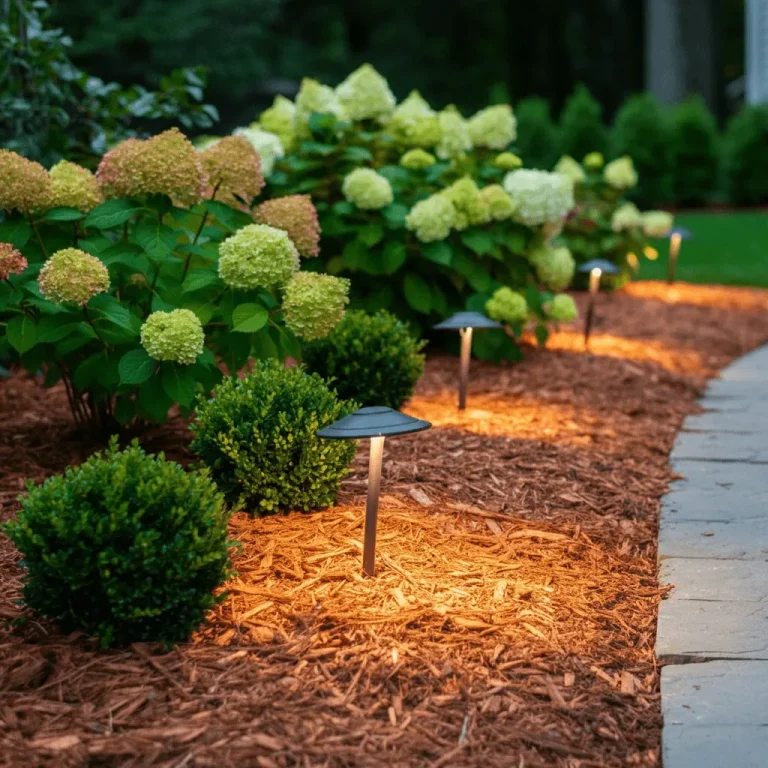
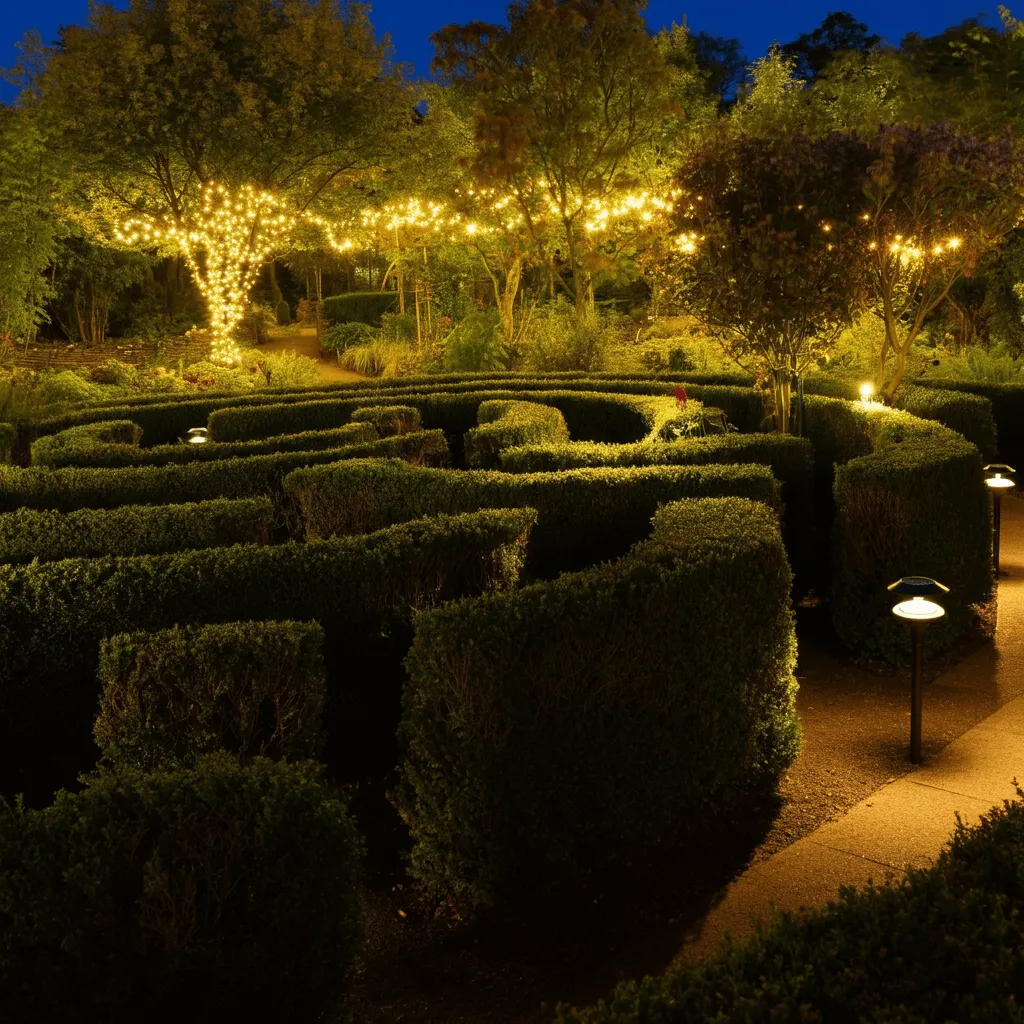
Who says mazes are strictly daytime affairs? Incorporate solar lights or low-voltage garden lights to illuminate pathways and turn your maze into a nighttime wonderland. For added drama, string twinkling fairy lights into trees or hedges.
10. Fantasy-Inspired Botanical Mazes
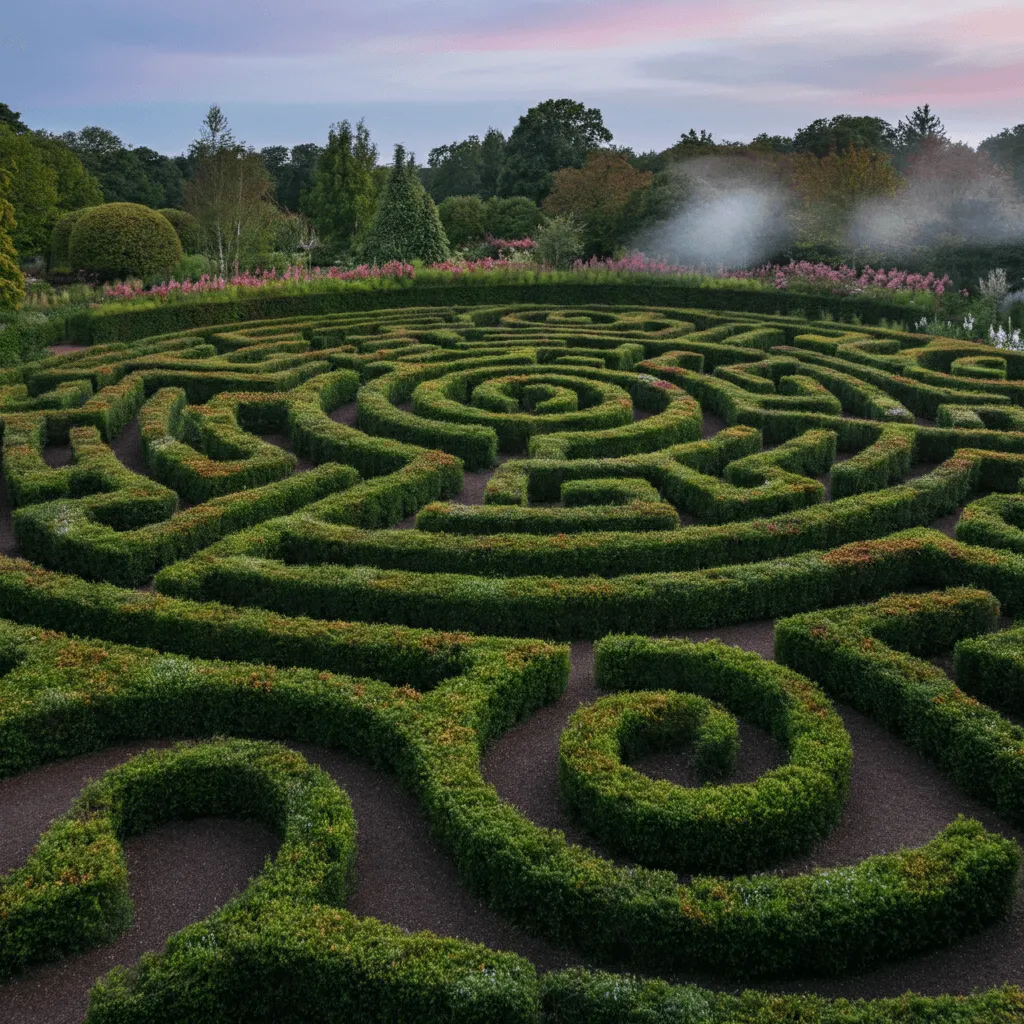
Indulge your creative side with fantasy-inspired designs. Think spirals, star shapes, or even Celtic knots made from intricately woven shrubs or flowers.
Iconic Inspirations
Take cues from fictional mazes like those in “Harry Potter” to bring a little magic to your garden.
FAQs
Q1. How much space do I need for a botanical maze?
A1. You can create mazes of all sizes, from sprawling estates to compact backyard designs. Low-growth mazes or vertical mazes are excellent for smaller areas.
Q2. How do I maintain a hedge maze?
A2. Regular pruning is essential. Invest in good-quality shears and fertilize periodically to ensure dense, healthy growth.
Q3. Can I make a maze suitable for dry climates?
A3. Yes, opt for drought-resistant plants like succulents or xerophytes. Hardscaped paths reduce water usage as well.
Q4. Are botanical mazes expensive to build?
A4. Costs depend on the size and plant types. You can save money by starting with younger plants and growing them over time.
Final Thoughts
A botanical maze can turn any garden into a stunning sanctuary of beauty and intrigue. With options ranging from classic hedge designs to sensory-filled herb mazes, there’s something for every ambition and space. Whether you take inspiration from great estates or personalize a design for your family, your dream garden maze awaits—so grab those gloves and start planting your path to paradise!
10 Stunning Botanical Maze Ideas for Your Dream Garden
Creating a botanical maze for your garden is like building a puzzle that’s alive—and a whole lot more fun than trying to assemble furniture from a tiny instruction booklet. (Although, bonus points if your maze is Ikea-shaped!) Whether you’re aiming for a whimsical escape, a tranquil retreat, or the next neighborhood hotspot for hide-and-seek, we’ve got you covered with ten incredible ideas to transform your outdoor space into a masterpiece.
Why Botanical Mazes Are the Ultimate Garden Feature
Botanical mazes are more than just decorative—they’re an experience. These living labyrinths offer a blend of beauty and functionality. They can create privacy, a sense of adventure, and even improve biodiversity by providing habitats for birds and bees. Plus, can you think of a better excuse to get your steps in?
Now, let’s move step by creative step to explore ten stunning ideas to inspire your dream garden.
1. The Classic Hedge Maze
When you think of a maze, your brain probably goes straight to towering green hedges that look like they came out of a Victorian novel. The classic hedge maze is a timeless choice, usually crafted from shrubs like boxwood or yew. For a modern twist, consider adding pops of color with flowering shrubs like azalea or forsythia.
Real-Life Example
Many historic estates in England feature classic hedge mazes. Perhaps the most famous is the Hampton Court Maze near London, which spans over half an acre. A scaled-down version in your backyard could bring a similar stately charm to your personal space.
Pro Tips
- Choose plants that are easy to prune and maintain.
- Install pathways made from gravel or stone to reduce mud and wear.
2. Themed Mazes with Seasonal Blooms
If you love color and variety, a maze featuring plants that bloom differently throughout the seasons is a fantastic idea. Pick springtime tulips, summertime roses, and autumnal chrysanthemums to keep the maze lively all year round.
Choosing Low-Allergy Flowers
To keep everyone sniffle-free, opt for hypoallergenic blooms like sunflowers or petunias.
Case Study
A couple in Oregon created a stunning seasonal maze featuring regional flowers that saved water and flourished in the local climate.
3. Herb and Aromatherapy Mazes
Garden mazes aren’t just for looking pretty—they can engage all five senses. An herb maze filled with lavender, mint, rosemary, and thyme offers both visual appeal and heavenly aromas. Imagine wandering through a maze and brushing your hands along fragrant plants. Bonus? You’ll always have fresh herbs for dinner.
4. Kid-Friendly Mazes with Edible Plants
Want to keep young adventurers entertained? Consider a kid-friendly maze featuring plants like sunflowers, raspberry bushes, or snap peas. These mazes encourage exploration while also treating kids to some delicious, freshly picked snacks along the way.
Safety Tips
- Avoid thorny or toxic plants.
- Build low-maintenance paths that are easy to clean up after heavy rains.
5. Low-Growth Mazes for Small Spaces
If your backyard isn’t exactly expansive, short hedges or groundcover like thyme can provide a miniature maze experience. These low-height mazes are fantastic for smaller gardens or areas with limited sunlight. They also double as charming decorative features.
Pro Tips
- Use paving stones to outline pathways for easier maintenance.
- Add succulents or stonecrop to include texture and drought-resistant features.
6. Vertical Garden Mazes
Who says mazes have to sprawl horizontally? Vertical garden mazes are a stunning option for urban gardens or other spaces where ground area is minimal. Use trellises or walls covered in climbing plants like ivy, jasmine, or even vegetables like tomatoes.
Structures to Support Growth
Materials such as lattice or sturdy wiring work well for supporting vertical growth. Just ensure it’s secure to withstand weight and weather elements.
7. Sustainable and Wildlife-Friendly Mazes
Design your maze with sustainability in mind by focusing on native plants and including water features such as birdbaths. These eco-conscious mazes promote biodiversity and are perfect for attracting pollinators such as bees, butterflies, and birds.
Case Study
A community in Colorado transformed an unused public park into a wildlife-centered botanical maze with native plants like coneflowers and goldenrod.
8. Maze with Hidden Nooks
Add secret corners or alcoves within your maze to create cozy spaces. Think benches, tiny sculpture gardens, or even small reading spots hidden away from the main pathways.
Creative Hidden Features
Some homeowners hide fairy garden figurines, creating an enchanting “Easter egg hunt” for maze-walkers.
9. Light-Up Mazes for Nighttime Strolls
Who says mazes are strictly daytime affairs? Incorporate solar lights or low-voltage garden lights to illuminate pathways and turn your maze into a nighttime wonderland. For added drama, string twinkling fairy lights into trees or hedges.
10. Fantasy-Inspired Botanical Mazes
Indulge your creative side with fantasy-inspired designs. Think spirals, star shapes, or even Celtic knots made from intricately woven shrubs or flowers.
Iconic Inspirations
Take cues from fictional mazes like those in “Harry Potter” to bring a little magic to your garden.
FAQs
Q1. How much space do I need for a botanical maze?
A1. You can create mazes of all sizes, from sprawling estates to compact backyard designs. Low-growth mazes or vertical mazes are excellent for smaller areas.
Q2. How do I maintain a hedge maze?
A2. Regular pruning is essential. Invest in good-quality shears and fertilize periodically to ensure dense, healthy growth.
Q3. Can I make a maze suitable for dry climates?
A3. Yes, opt for drought-resistant plants like succulents or xerophytes. Hardscaped paths reduce water usage as well.
Q4. Are botanical mazes expensive to build?
A4. Costs depend on the size and plant types. You can save money by starting with younger plants and growing them over time.
Final Thoughts
A botanical maze can turn any garden into a stunning sanctuary of beauty and intrigue. With options ranging from classic hedge designs to sensory-filled herb mazes, there’s something for every ambition and space. Whether you take inspiration from great estates or personalize a design for your family, your dream garden maze awaits—so grab those gloves and start planting your path to paradise!