20 Best Bee Garden Ideas for a Thriving Backyard
Ever wonder what kind of music bees listen to? You might think it’s Bee-thoven, but it’s actually buzz-worthy tunes from flowers! Now that we’ve kicked things off with a laugh, let’s get down to the buzzing business of creating your perfect bee garden. Bees are an essential part of our world, and building a backyard paradise for these little pollinators benefits not just them but also your plants, local ecosystem, and even your mood.
Here’s how to bring life, color, and buzz to your outdoor space with 20 fantastic bee garden ideas that are as rewarding as they are beautiful.
1. Choose Native Flowers for the Buzz
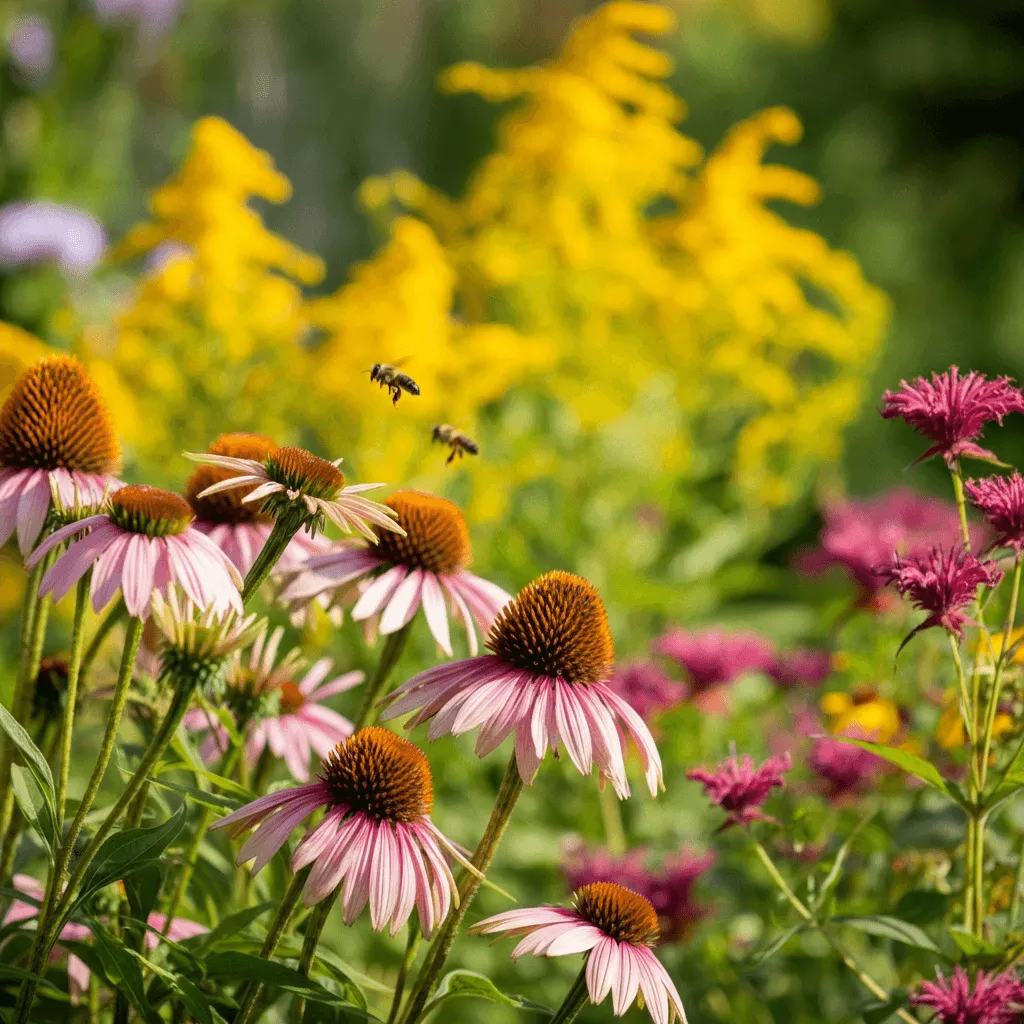
Bees have developed symbiotic relationships with native plants over centuries. Incorporate indigenous flowers like coneflowers, goldenrods, and bee balm into your garden. These species often require less maintenance and provide nutritious nectar and pollen for your local bees.
Real-Life Example
Sandra from Colorado swapped out her petunias for wildflowers native to her region. Not only did her garden transform into a vivacious meadow, but her vegetable harvest doubled that year, thanks to all the pollination activity.
2. Go Wild with Wildflowers
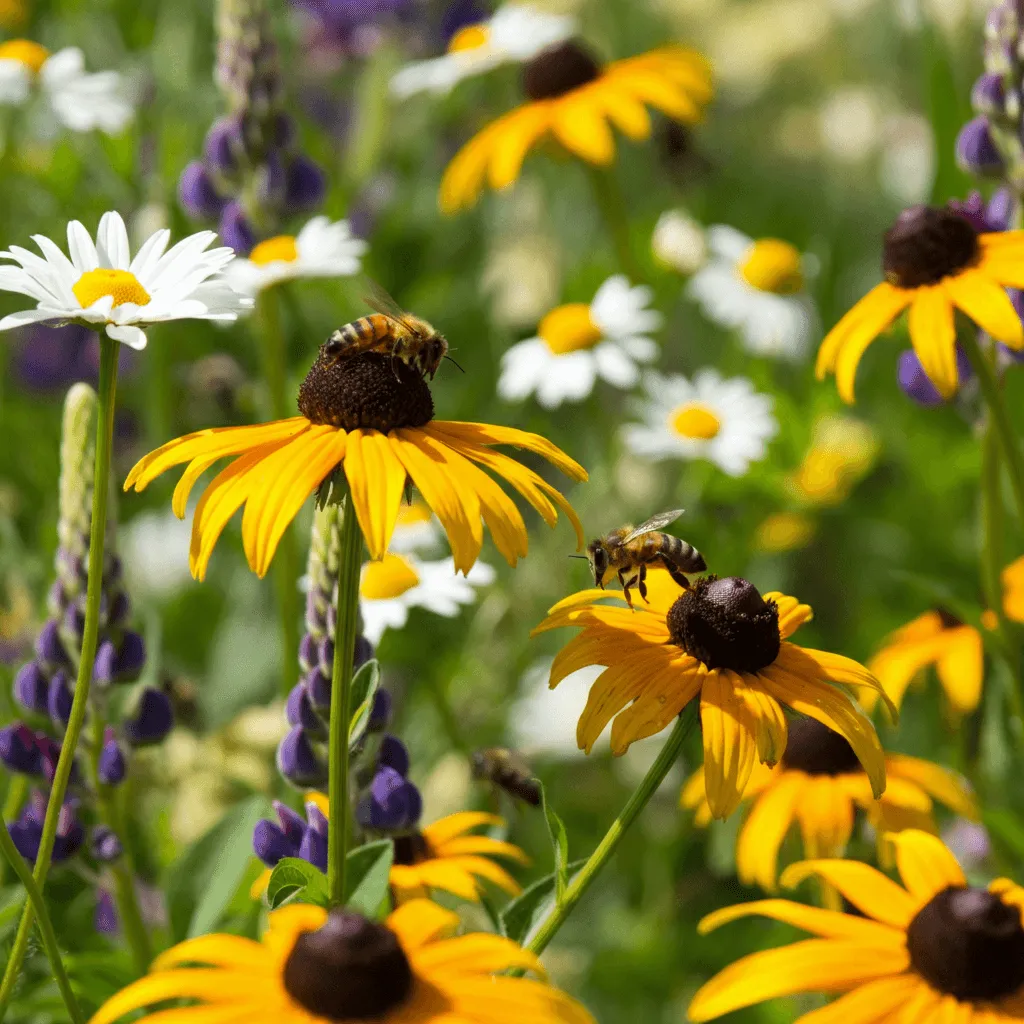
A wildflower patch is another easy win for attracting bees. Scatter seeds of mixed wildflowers and watch as a kaleidoscope of blooms attracts a variety of pollinators.
Tip
Ensure your mix contains bee-friendly varieties like daisies, black-eyed Susans, and lupines.
3. Designate a Bee Bath Spot
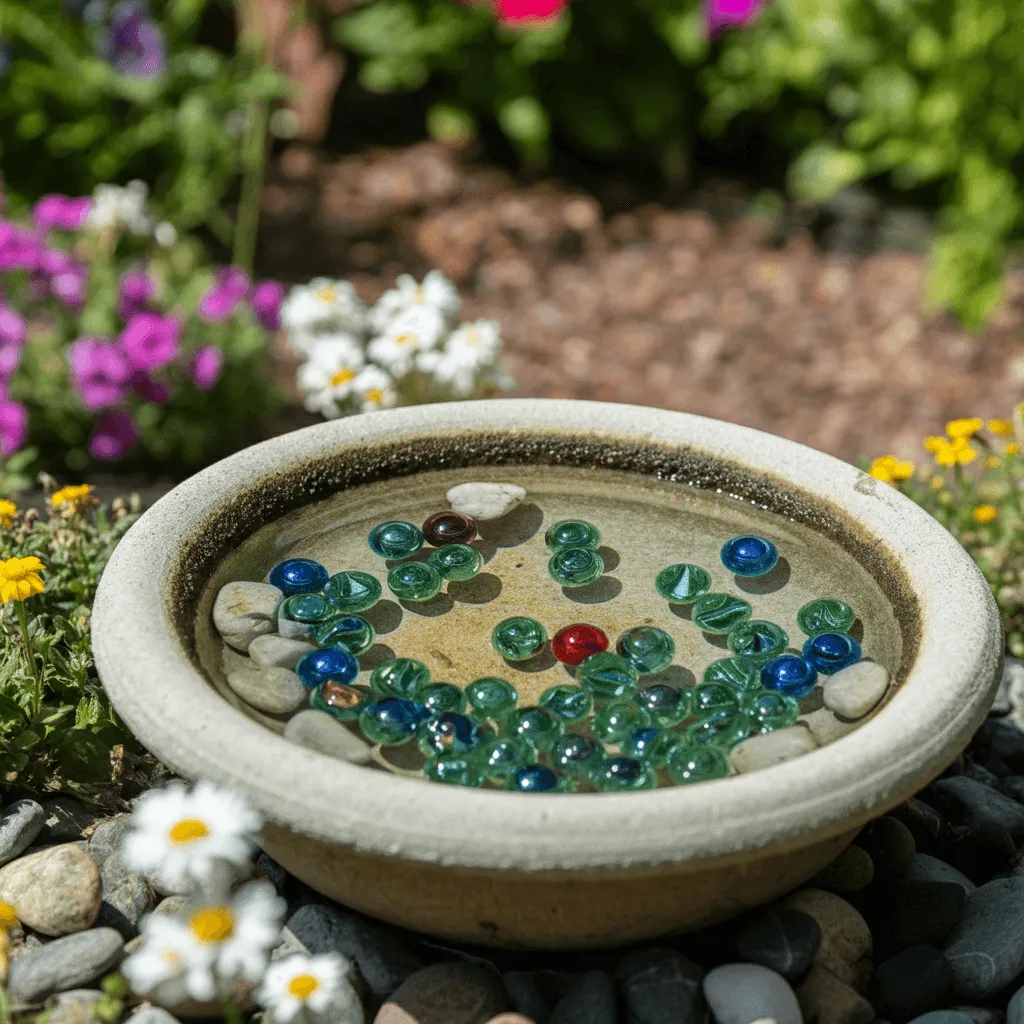
Bees get thirsty too, but they can drown in deep water. A shallow bee bath filled with fresh water and small pebbles provides them a safe spot to land and sip.
How to Create One
Repurpose a shallow saucer, add pebbles or marbles, and keep the water fresh daily. This simple addition can make your yard more bee-friendly overnight.
4. Create Bee B&Bs (Bee Hotels)
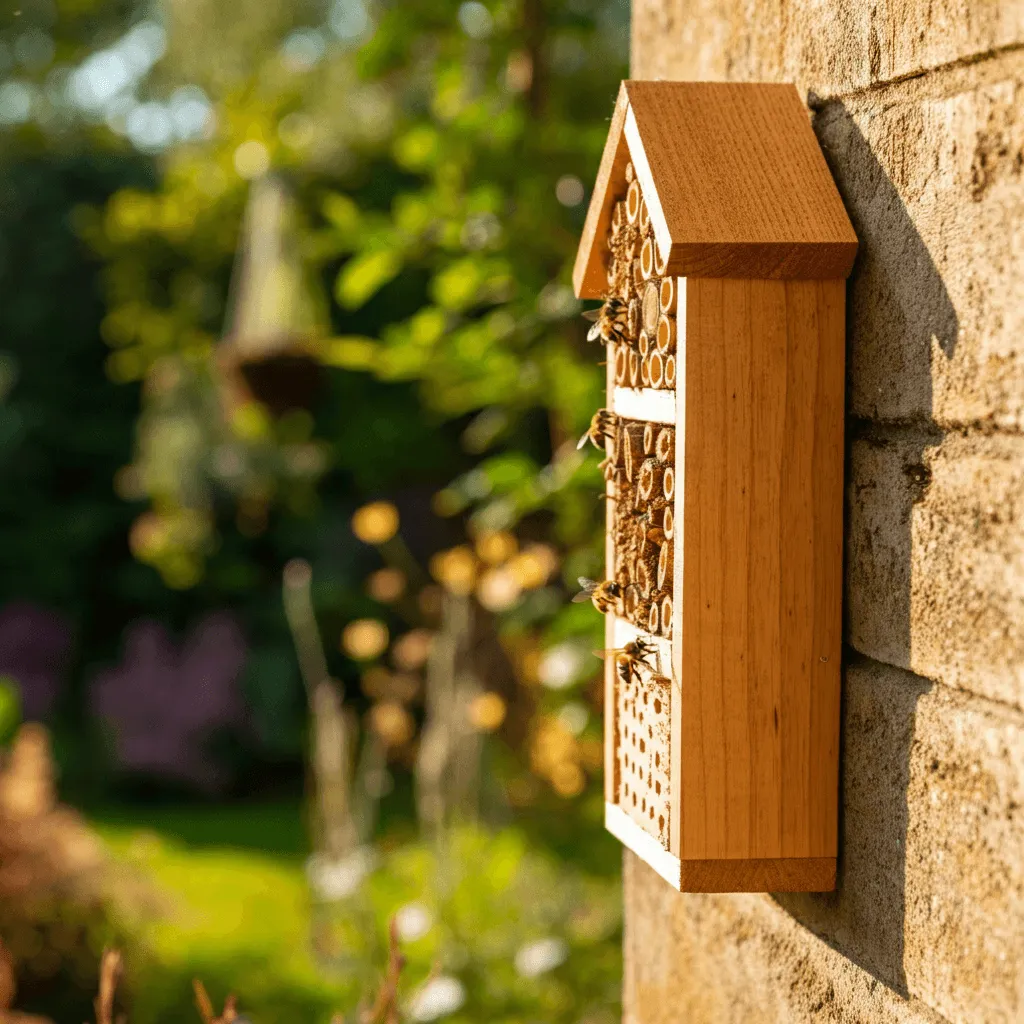
Bee hotels are like five-star accommodations for solitary bees such as mason bees. These structures mimic old wood holes or hollow plants where they like to nest.
DIY Instructions
Drill holes into untreated wood blocks or hang bundles of bamboo canes. Hang your hotel on a sunny wall for an instant bee boost.
5. Plant Perennials That Won’t Quit
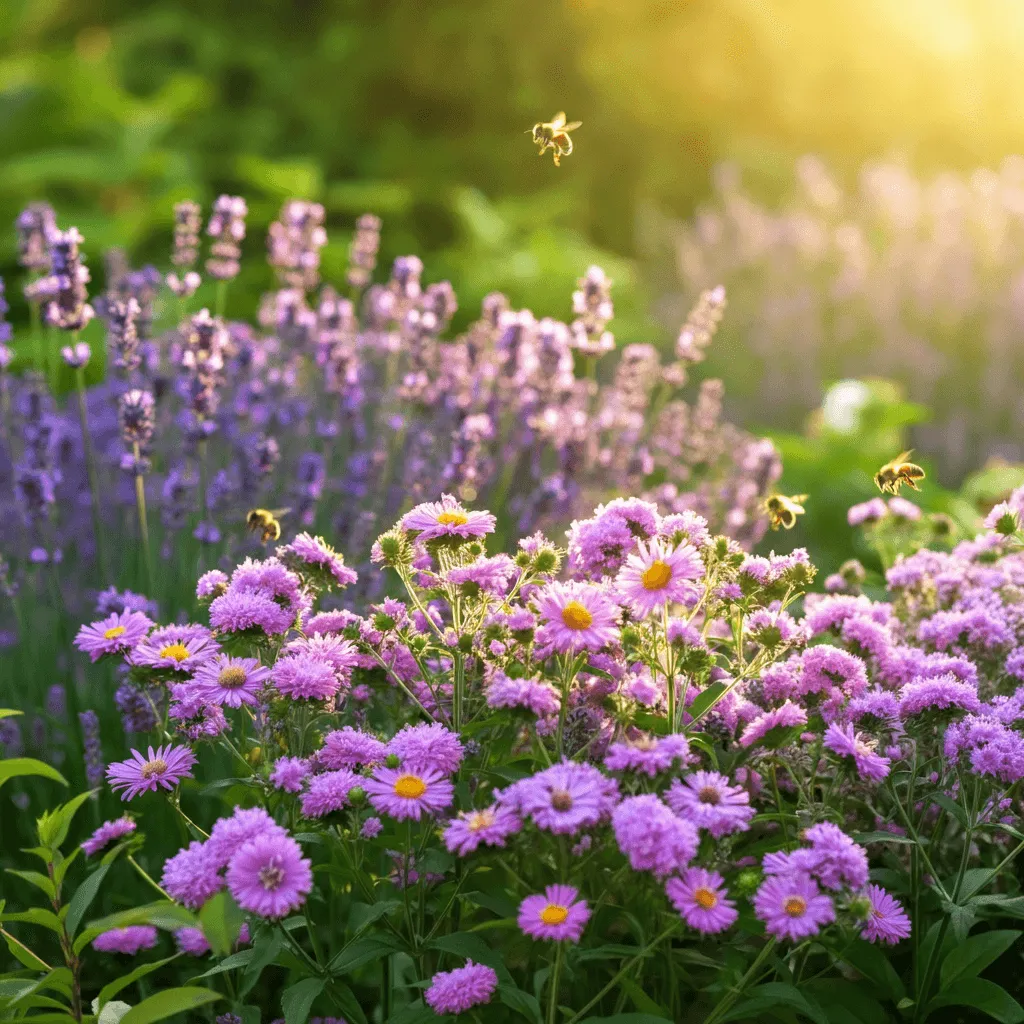
Perennial flowers like lavender, asters, and dianthus bloom year after year, ensuring a constant supply of nectar.
Case Study
Tom’s backyard in Ohio became a bee paradise after he switched annuals for perennials. The bees kept coming back, and Tom saved money on replanting each spring.
6. Avoid Pesticides Like the Plague
Pesticides harm bees—there’s no two ways about it. Opt for natural pest control methods, like companion planting or beneficial insect releases.
Safer Alternatives
Introduce ladybugs, nematodes, or peppermint-infused sprays to keep your plants healthy without harming pollinators.
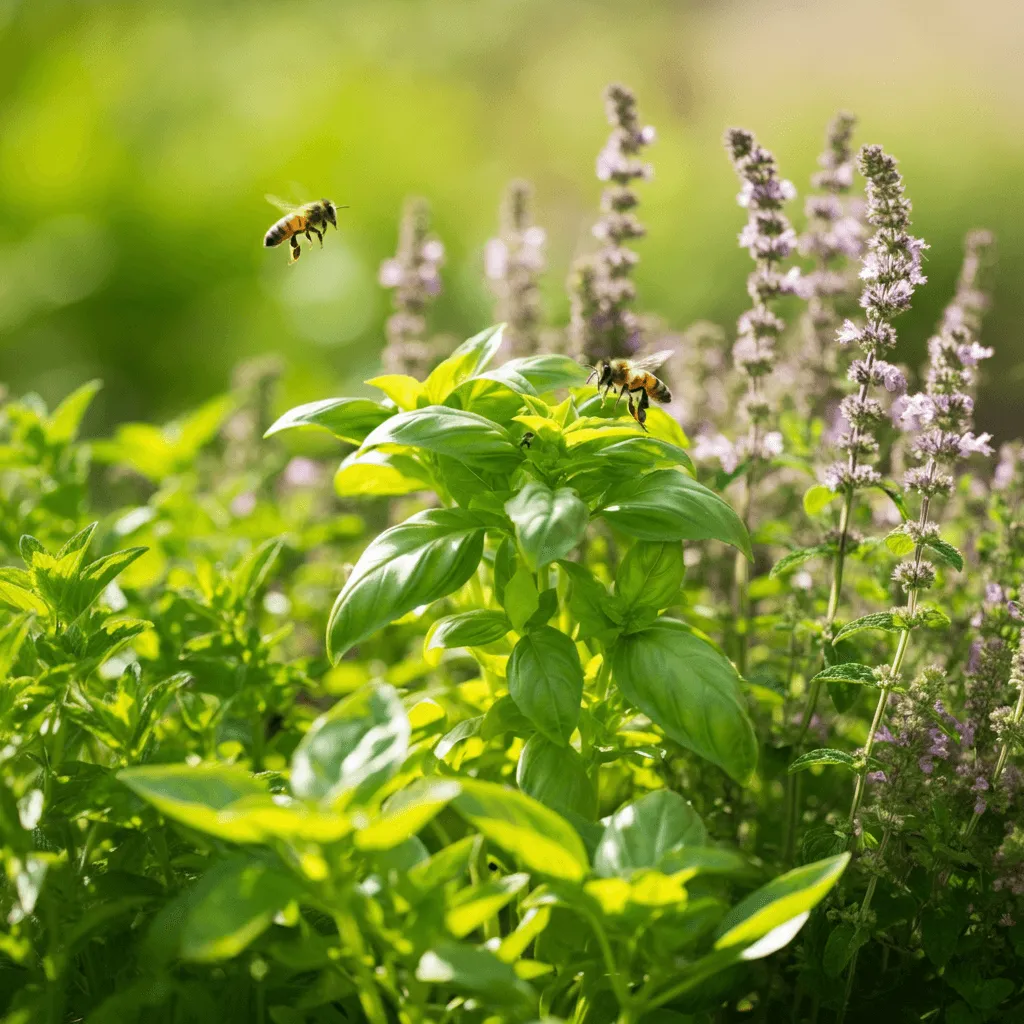
7. Create Bloom Successions
Ensure bees have resources all year round by planting flowers with varied blooming periods. Start with early blooms like crocuses and finish with fall asters.
Example Timeline
- Spring: Sunflowers, crocuses
- Summer: Zinnias, calendulas
- Fall: Goldenrods, asters
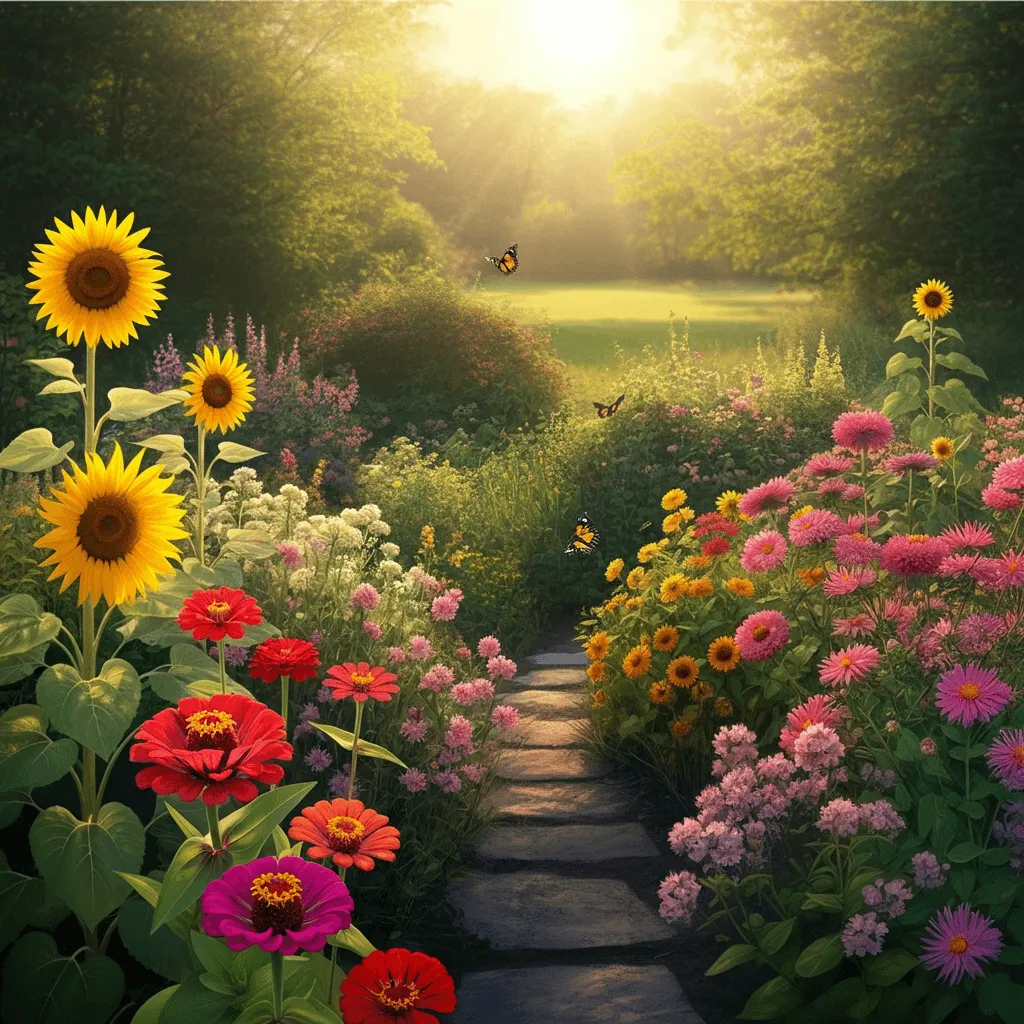
8. Use Bee Lures
Some bees have sophisticated foraging preferences. Consider planting herbs like basil, thyme, and catmint. These are crowd favorites for nectar-hunting bees.
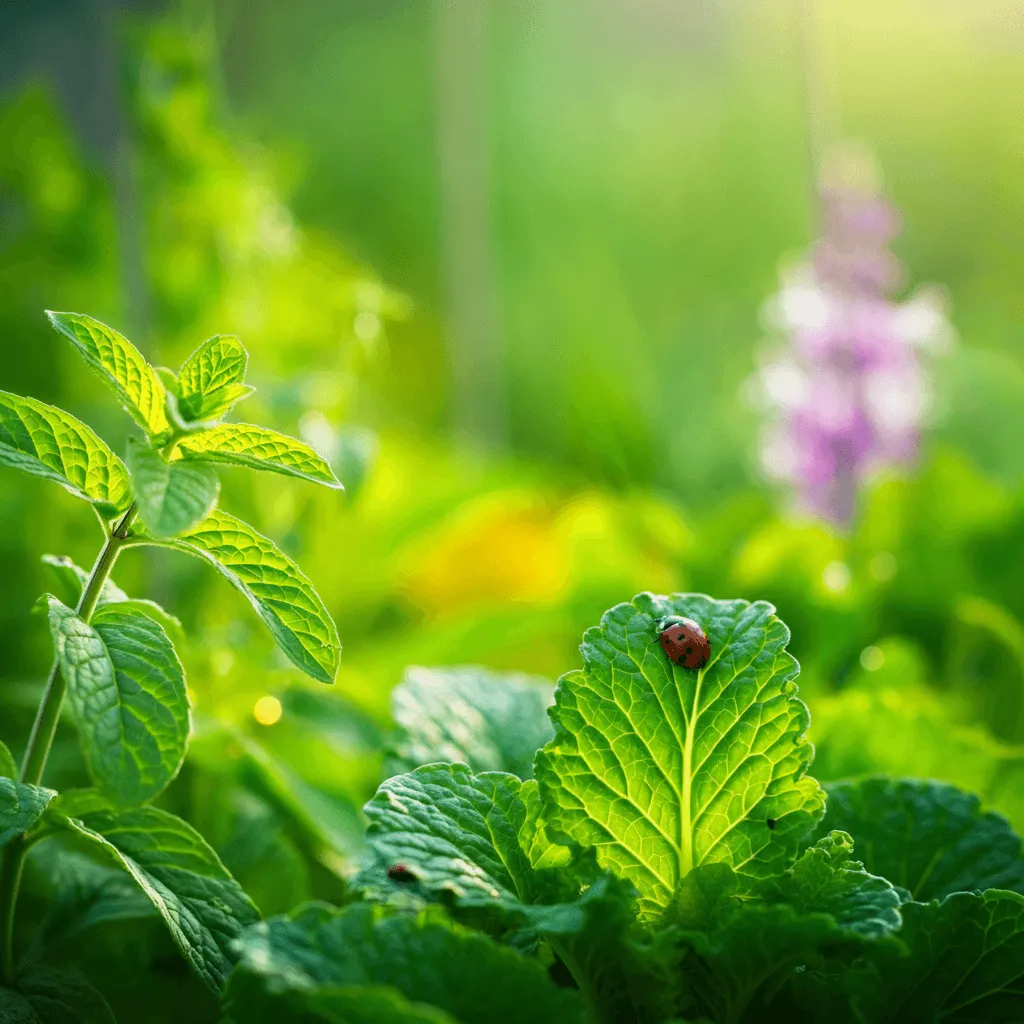
9. Brighten It Up with Blues, Purples, and Yellows
Bees are notoriously attracted to flowers in blue, purple, and yellow shades which they can see clearly. Fill your garden with blooms like lavender, salvia, and sunflowers for maximum traffic.
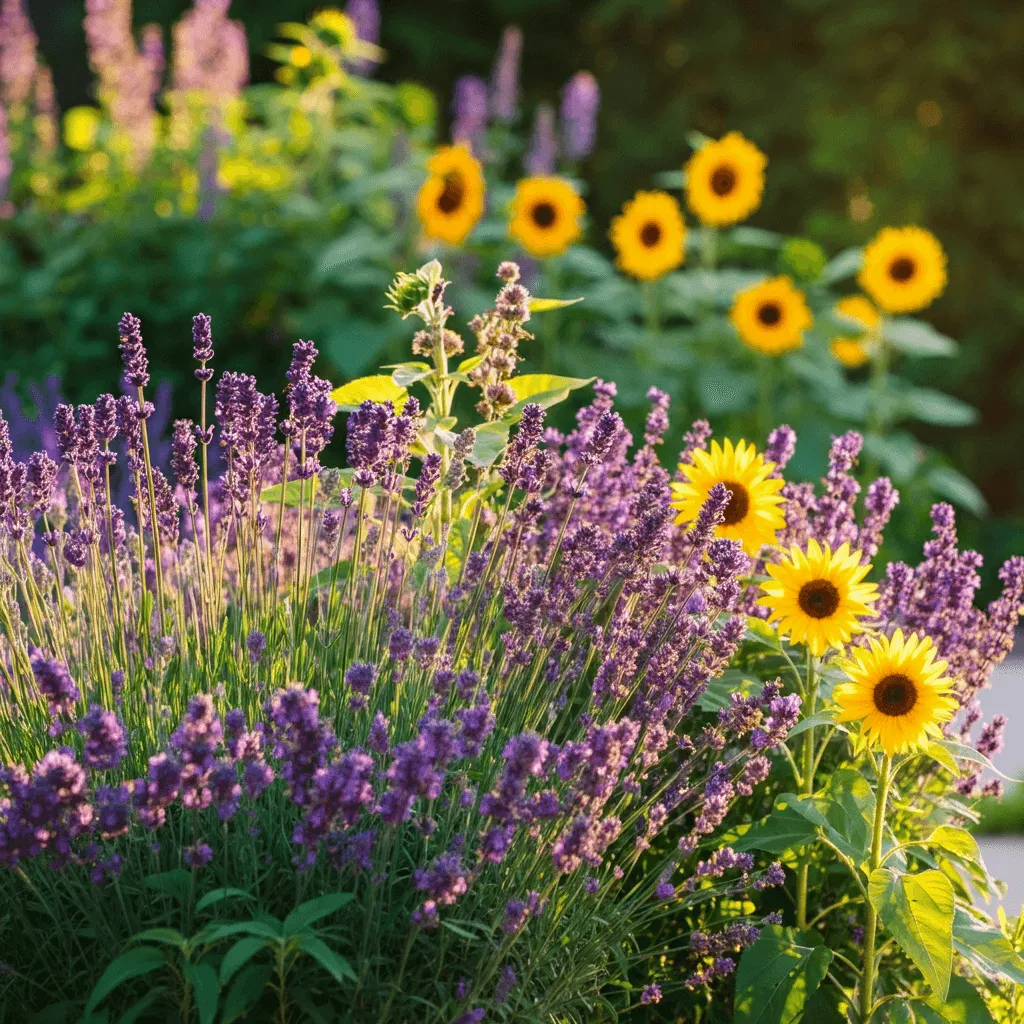
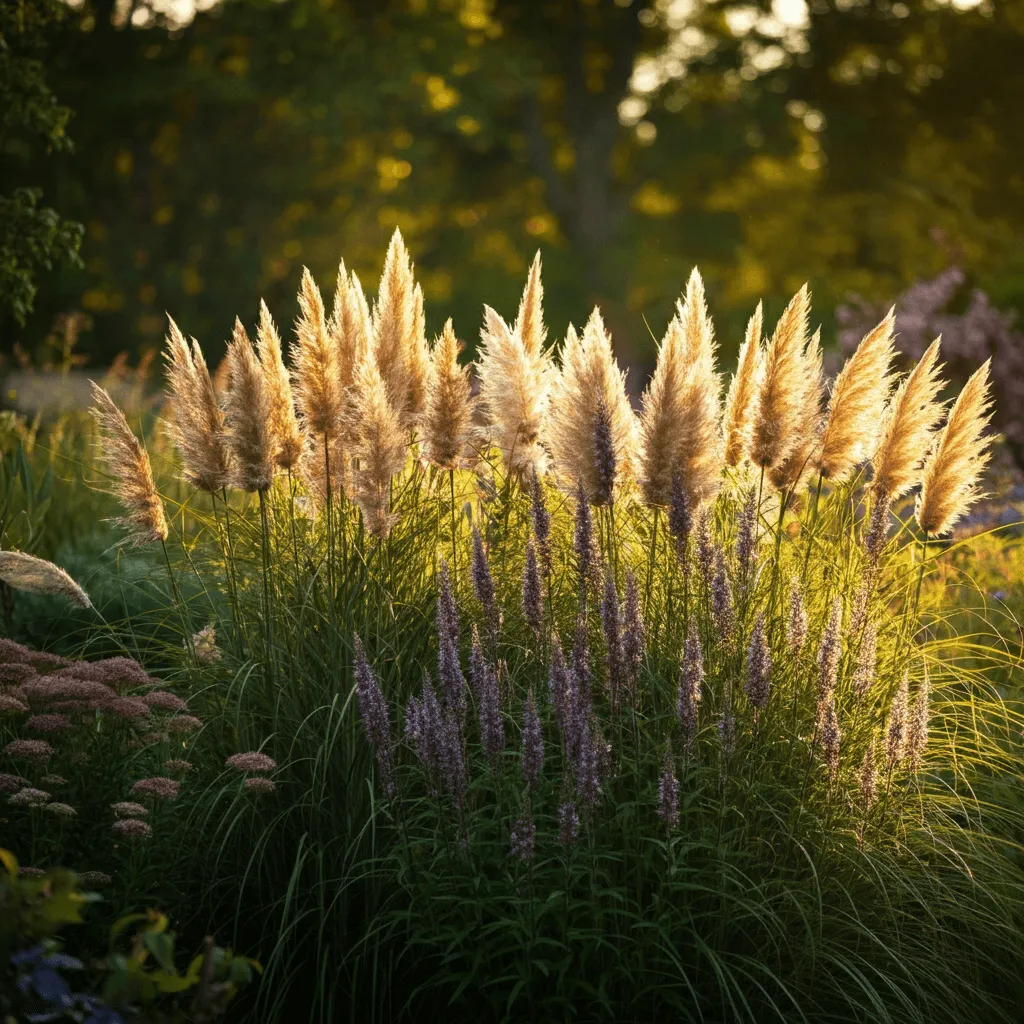
10. Provide Shelter with Tall Grasses
Tall ornamental grasses or hedges create cozy hideouts where bees can rest or hide from predators. Add compact beds of pampas grass or little bluestem as part of your design.
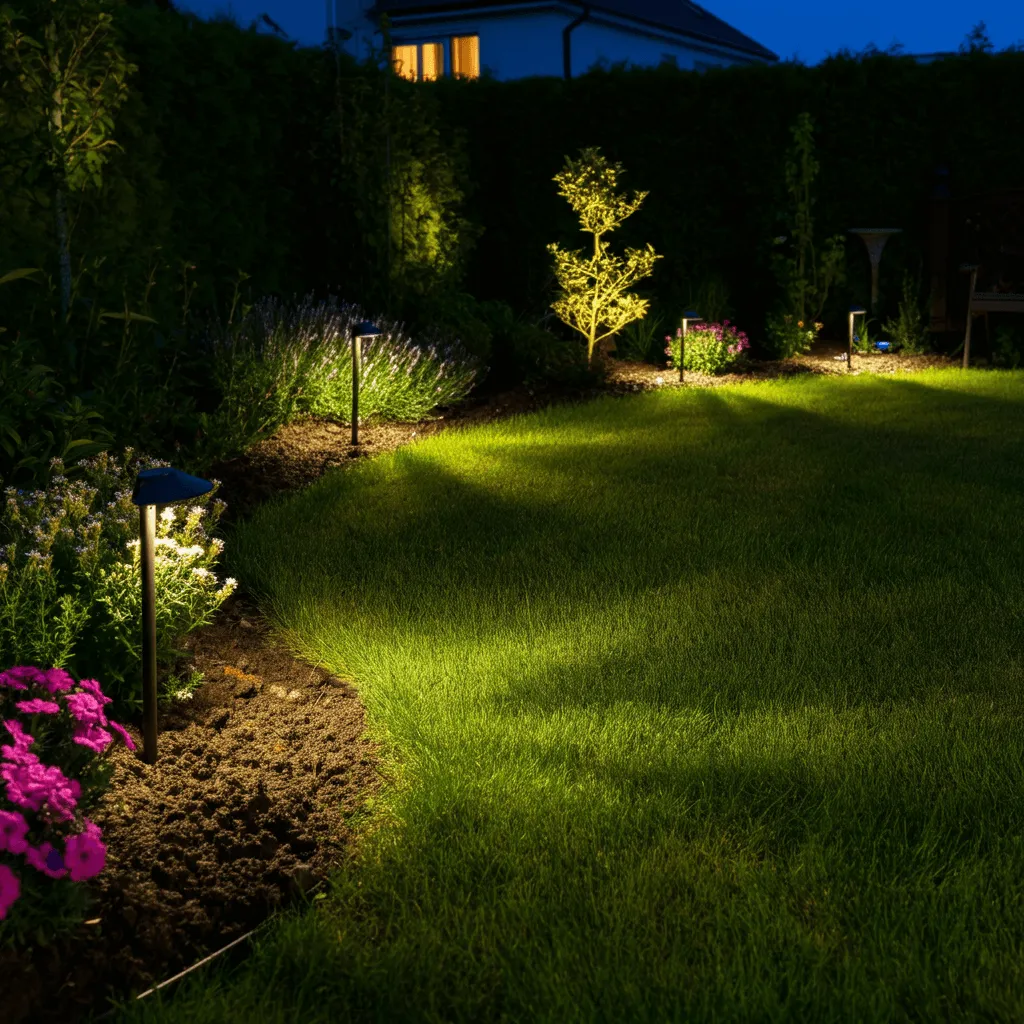
11. Turn the Lights Down at Night
Artificial lighting confuses bees and disrupts their natural patterns. Switch to low-wattage or motion-activated lights to keep the nights calm for your visitors.
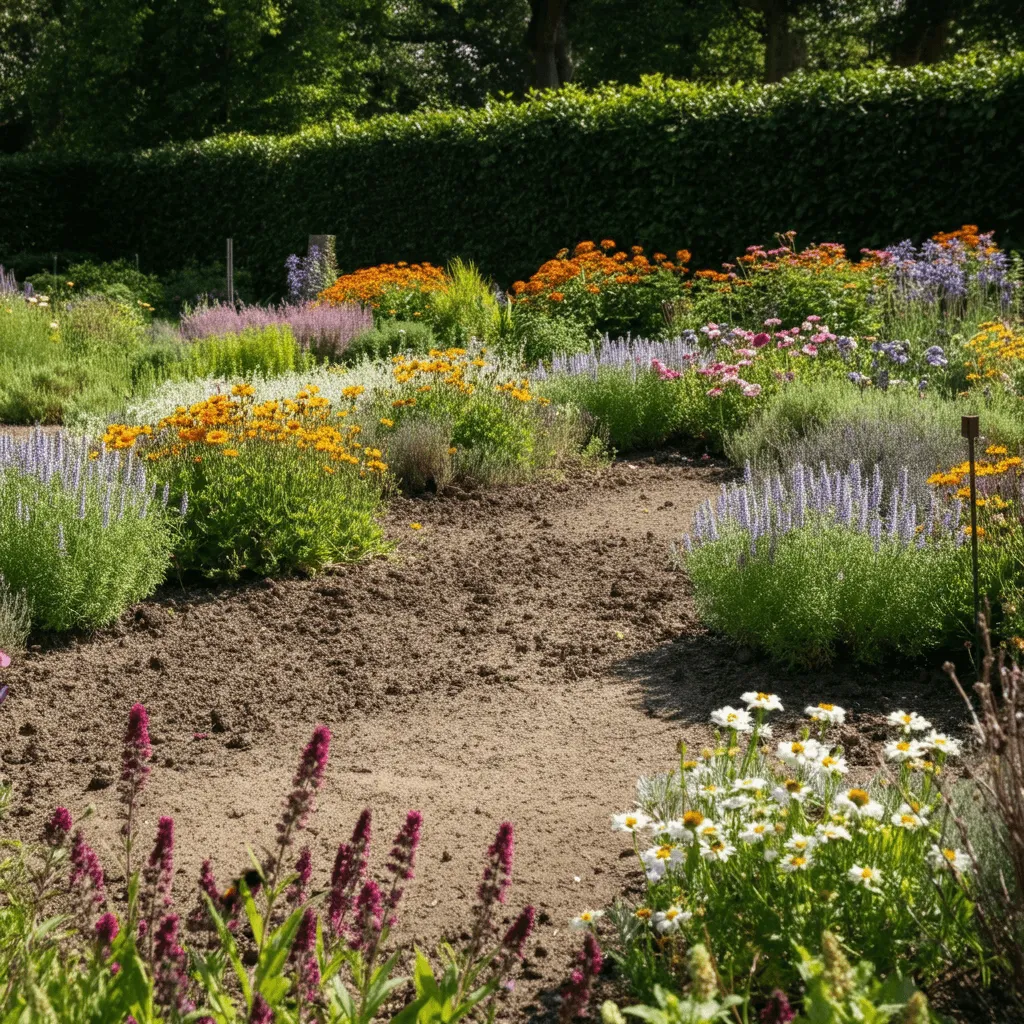
12. Mulch Mindfully
While mulching is great for retaining moisture, over-mulching can prevent ground-nesting bees from burrowing. Leave patches of bare soil for these important helpers.
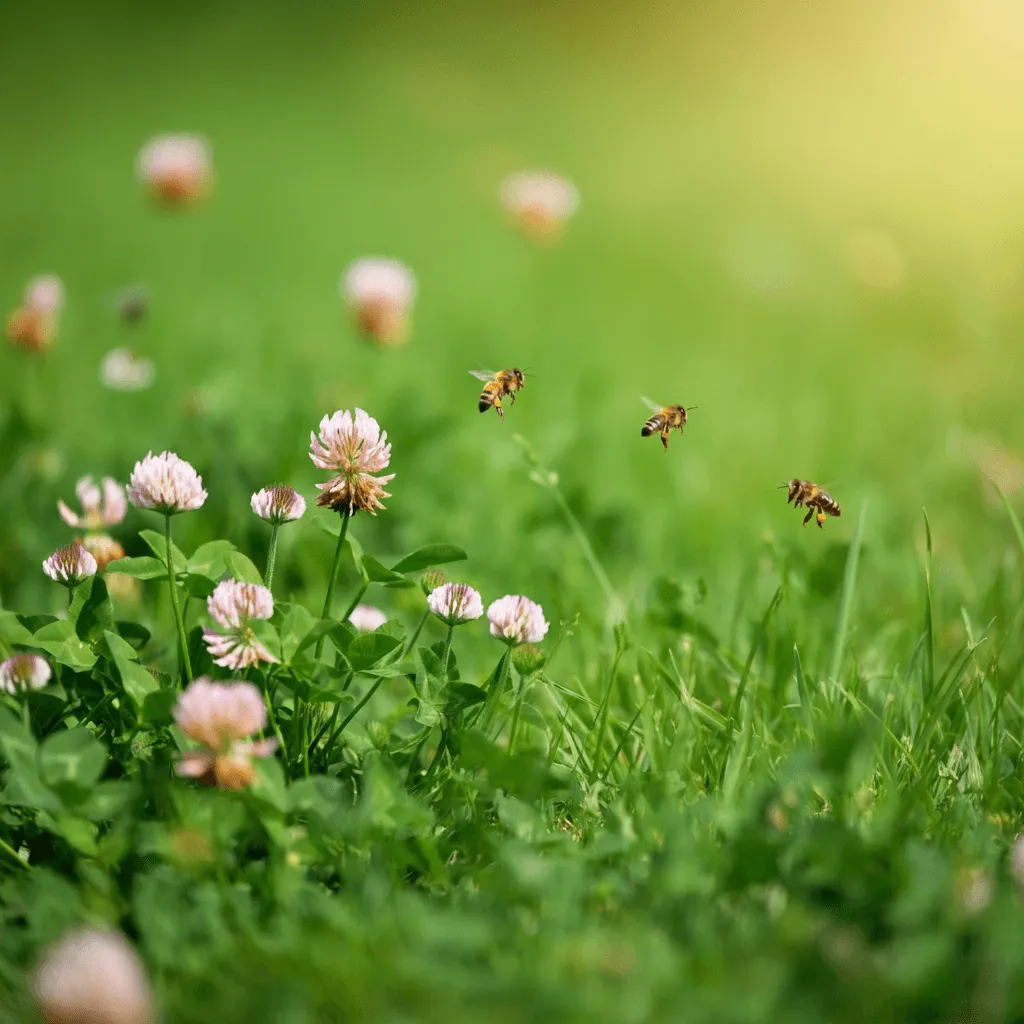
13. Add Clover to the Lawn
Clover isn’t just a weed—it’s a powerhouse for bees. Substitute portions of your grass lawn with clover patches to attract more pollinators.
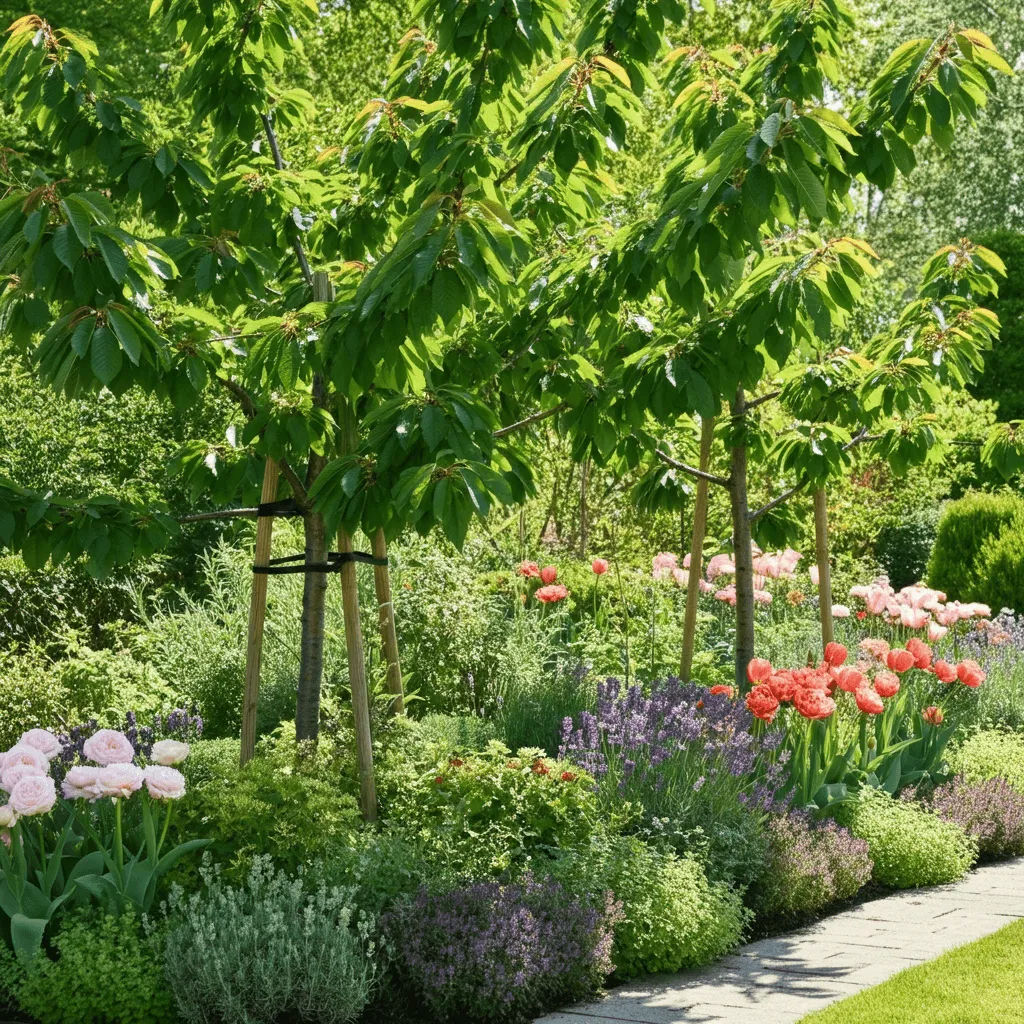
14. Mix Edibles with Ornamentals
Flowers aren’t the only bee feeders! Fruit trees like cherry and apple—or even flowering herbs like basil and parsley—create more grazing opportunities.
Bonus
You’ll enjoy fresher and more plentiful produce!
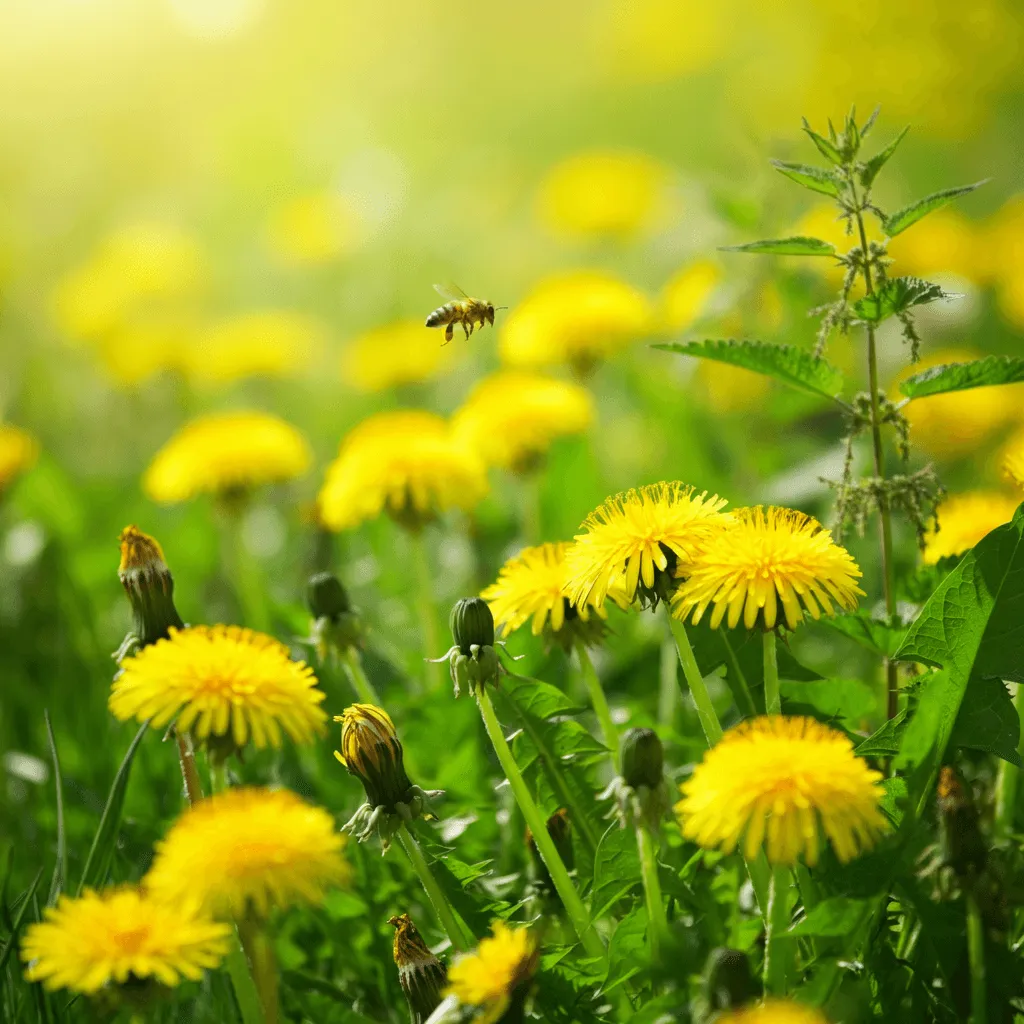
15. Keep the Weeds
Who knew weeds like dandelions and nettles would be beneficial? These “weeds” feed hungry bees during slow blooming periods.
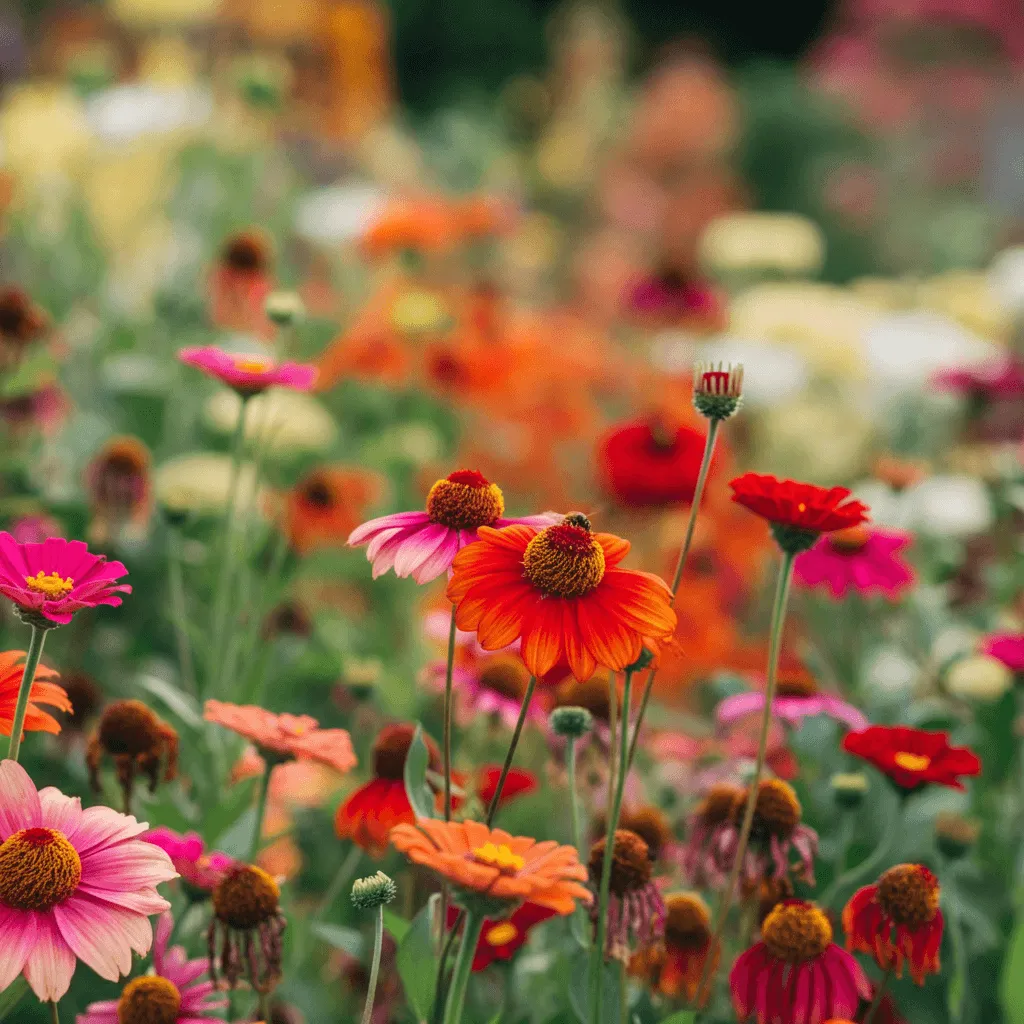
16. Choose Open-Form Flowers
Double-flowered varieties look great but make it hard for bees to get to the nectar. Opt for single-flower varieties where bees can easily access pollen and nectar.
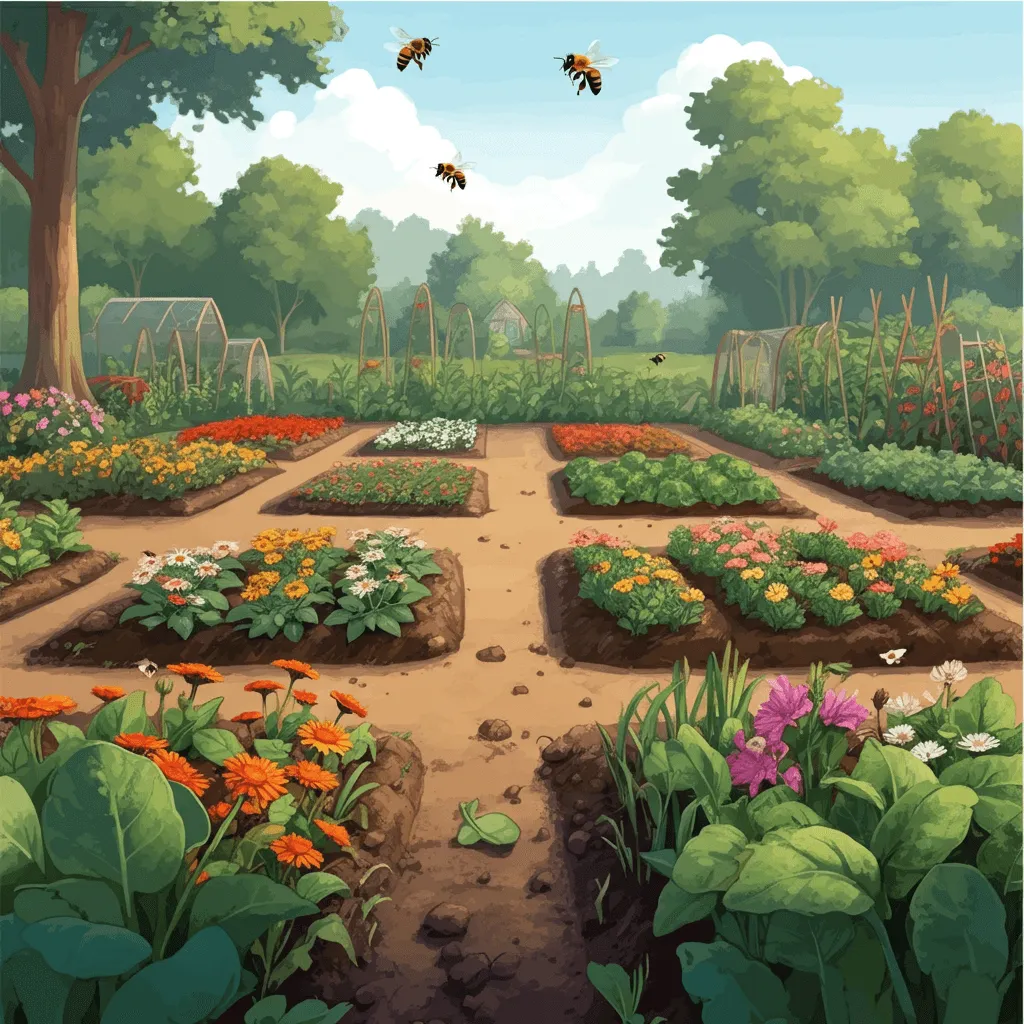
17. Rotate Crops for Diversity
Rotating crops keeps your soil healthy and ensures bees explore a range of plants, helping both thrive.
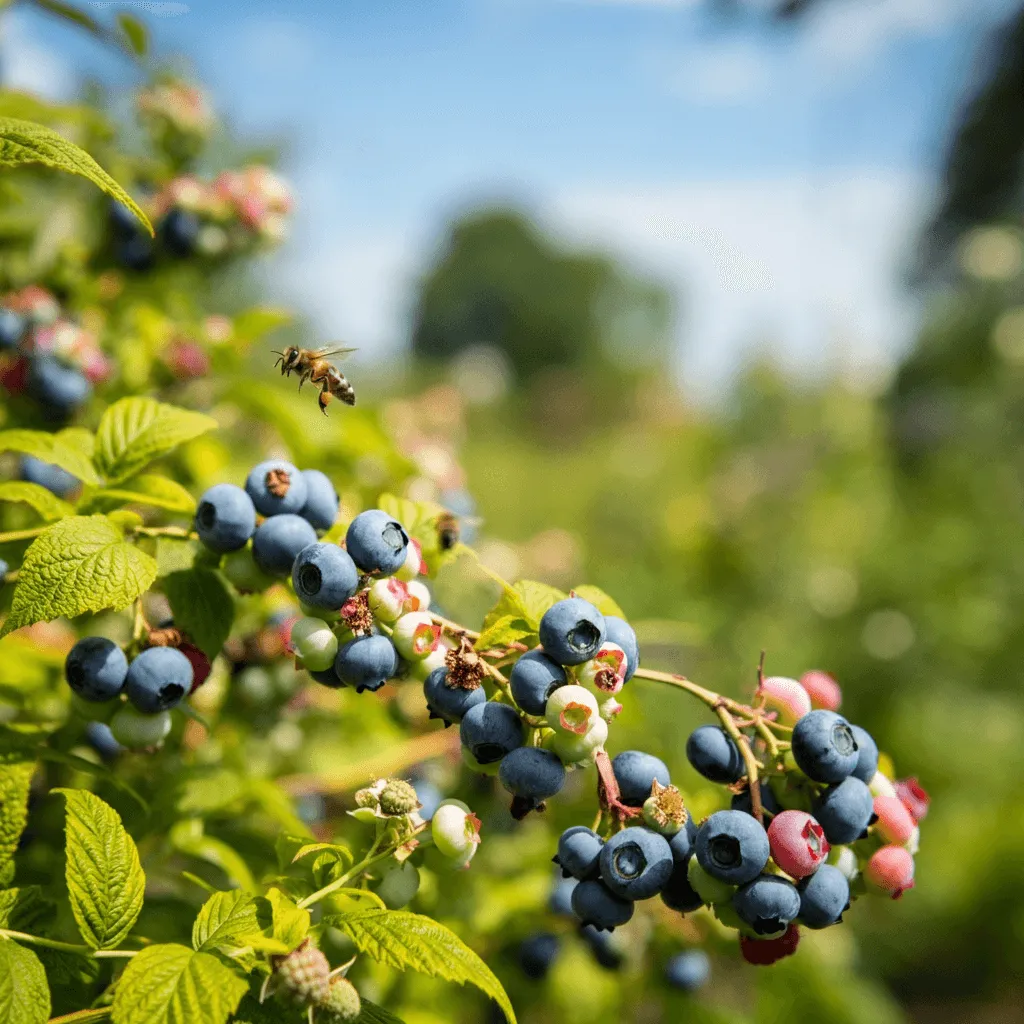
18. Introduce Blueberry and Raspberry Bushes
These bushes not only benefit from bee pollination but also become a food source for them during peak seasons.
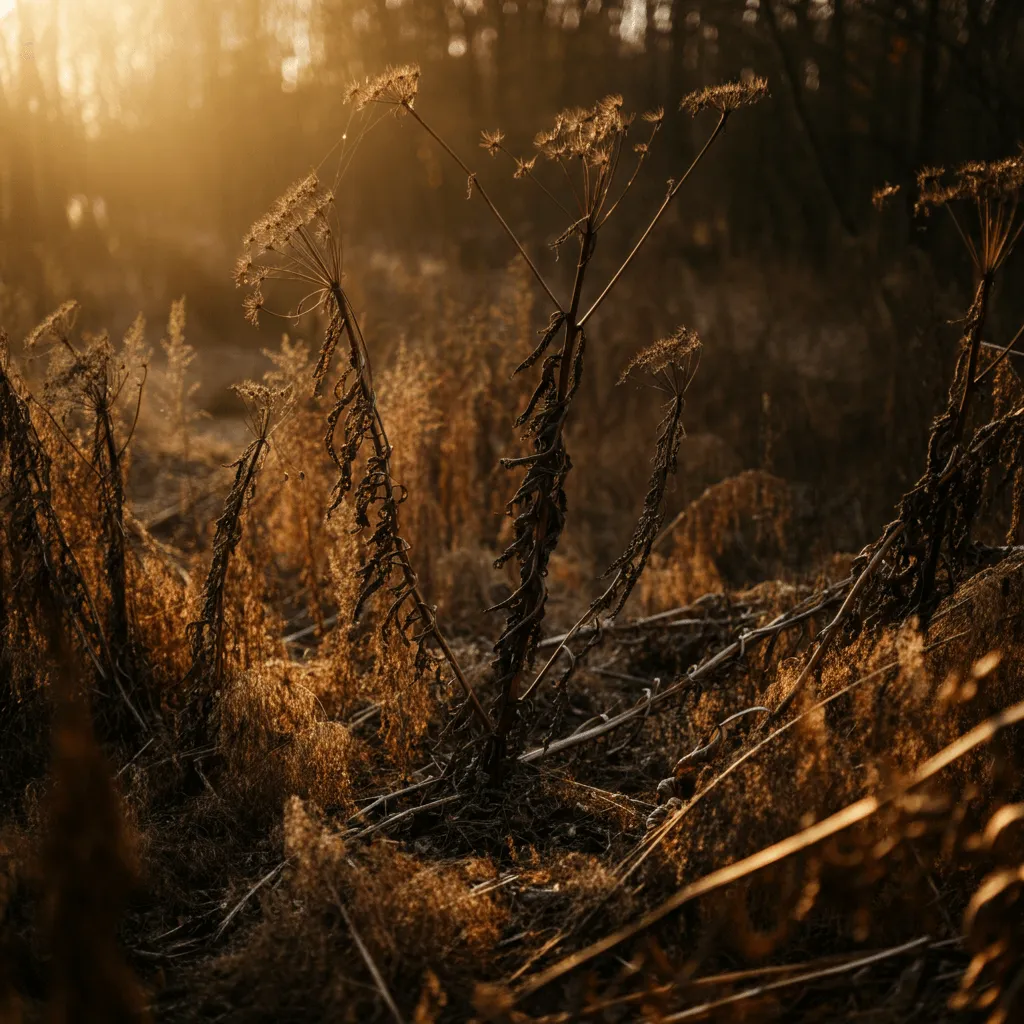
19. Seasonal Cleanup for Bees
Abstain from clearing beds too early. Dead stalks or fallen plant debris offer nesting spots for bees in colder months.
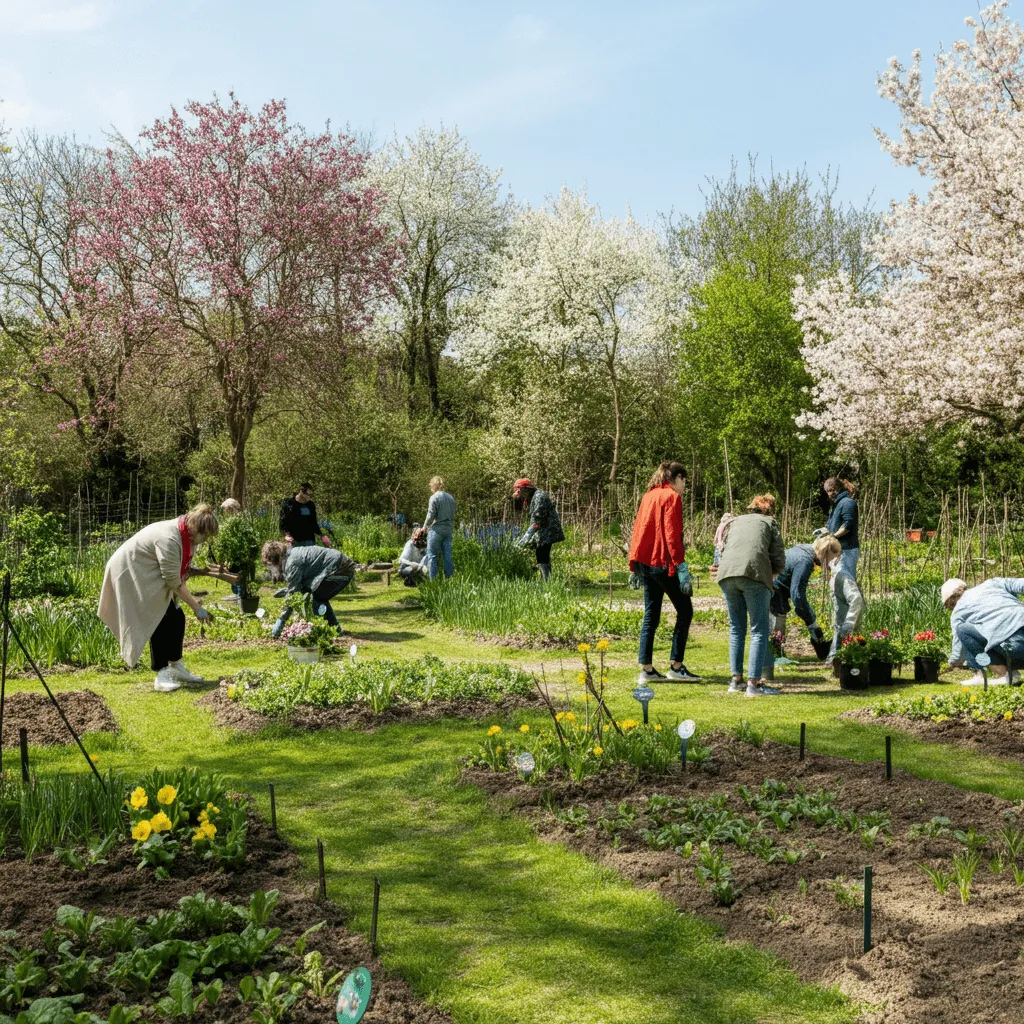
20. Educate and Inspire
Use your bee garden to spread awareness! Invite friends or host workshops to teach others about the importance of pollinators.
Real-Life Impact
Emma’s neighborhood in Florida added pollinator patches to community park gardens. Within two years, the local bee population significantly increased, which, in turn, improved overall greenery health.
FAQ
Q1. Is it hard to maintain a bee-friendly garden?
Not at all! Most bee-friendly plants are hardy and low-maintenance. Create habits like watering bee baths and replacing flowering plants periodically, and you’ll be good to go.
Q2. Can I attract bees without attracting wasps?
Yes! Bees are drawn to specific types of flowers, while wasps focus more on sugary food waste or open soda cans. Keeping your garden focused on flowers minimizes wasp activity.
Q3. Do I need sunlight for a thriving bee garden?
Absolutely. Bees love flowers that grow in full sunlight. Choose sunny spots for planting if possible.
Q4. Can I have a lush bee garden in smaller spaces?
Even a balcony container garden or hanging plants can support pollinators. Every little bit counts for the bees!
Buzzing Off
There you have it—20 buzz-worthy ideas for creating a bee-friendly backyard oasis! With these simple yet impactful steps, you’re not just helping pollinators survive but also crafting a sustainable, gorgeous space to enjoy all year round.
Now, are you ready to turn your yard into the talk of the hive? Get started today, and watch as happy, hardworking bees transform your backyard into the ultimate thriving retreat. 🌻🐝