25 Vibrant Shade Garden Ideas to Spark Color in Dark Corners
Ever look at that gloomy corner of your yard and feel like it’s whispering, “I could be so much more”? Don’t worry; you’re not alone. Plenty of people think shade means settling for boring greenery. But here’s a fun twist—shade doesn’t have to mean dull. Think of that dark spot as nature’s blank canvas waiting for its masterpiece. Plus, bonus points for putting your plants out of reach of those sunburn-prone neighbors!
This blog will shine a light (pun intended) on 25 incredible ideas to transform those shady spots into vivid, colorful marvels. Who said dim areas couldn’t dazzle?
1. Welcome the Drama with Hostas
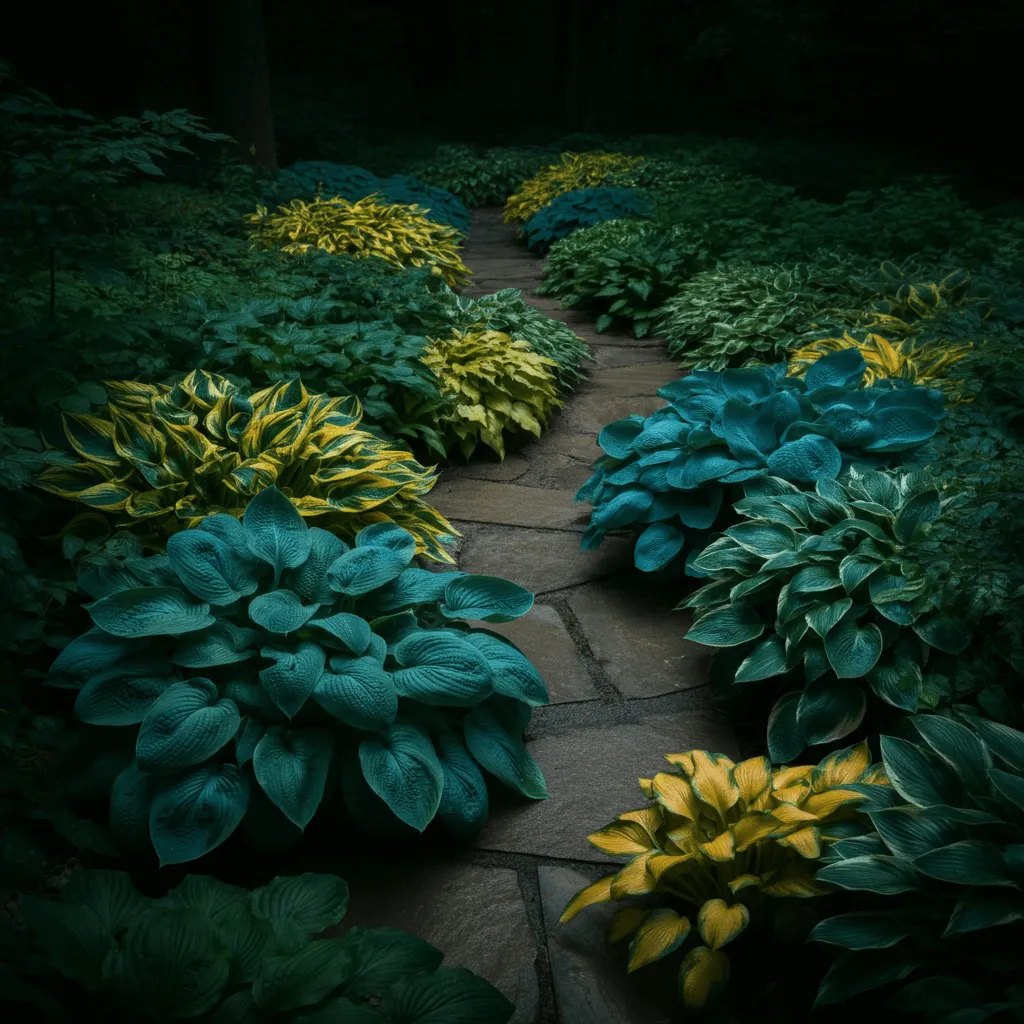
Hostas are shade garden royalty. Their foliage comes in a variety of greens, blues, and even gold tones. Choose mixed sizes to create layers of interest. For example, combine a blue-toned hosta like ‘Halcyon’ with the bright, golden hues of ‘Sum and Substance.’
Pro Tip: Use hostas along paths or borders for maximum impact, and they’ll effortlessly dress up your space.
2. Go Bold with Astilbes
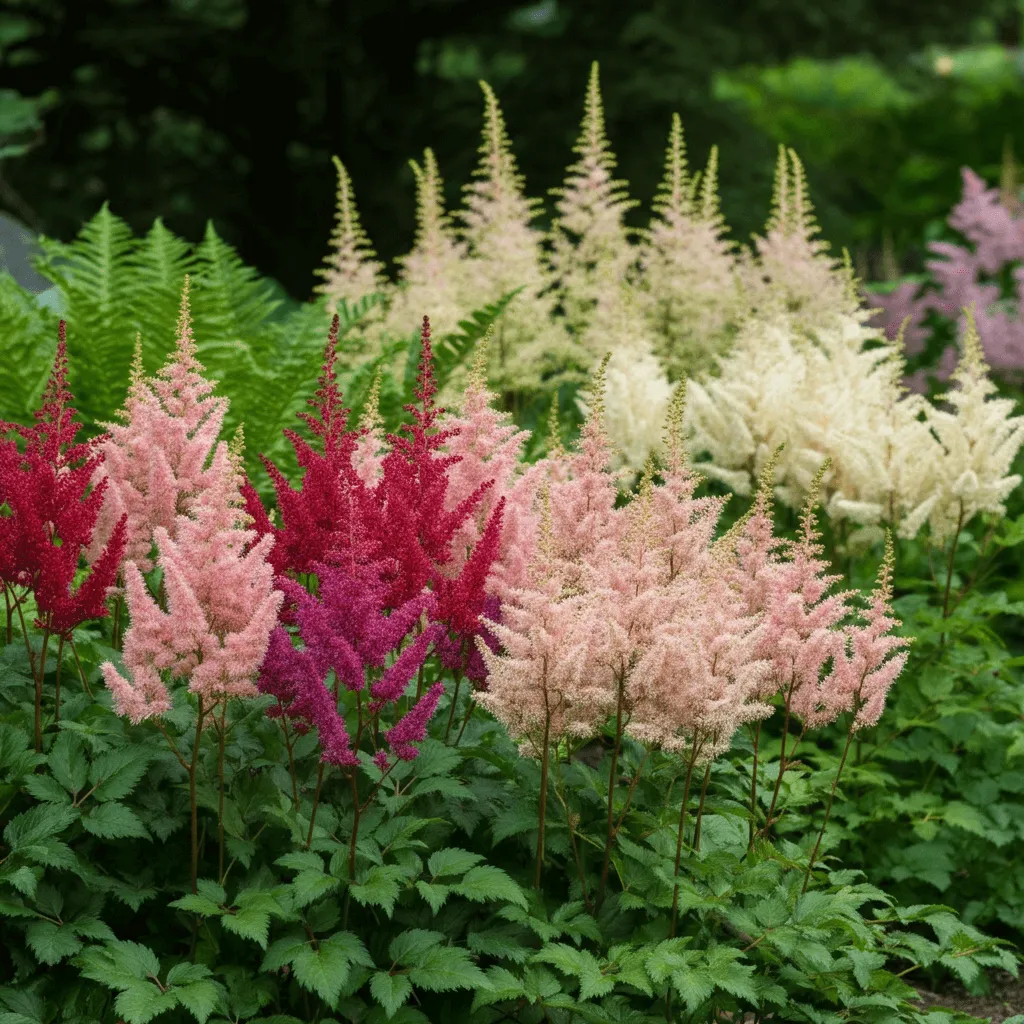
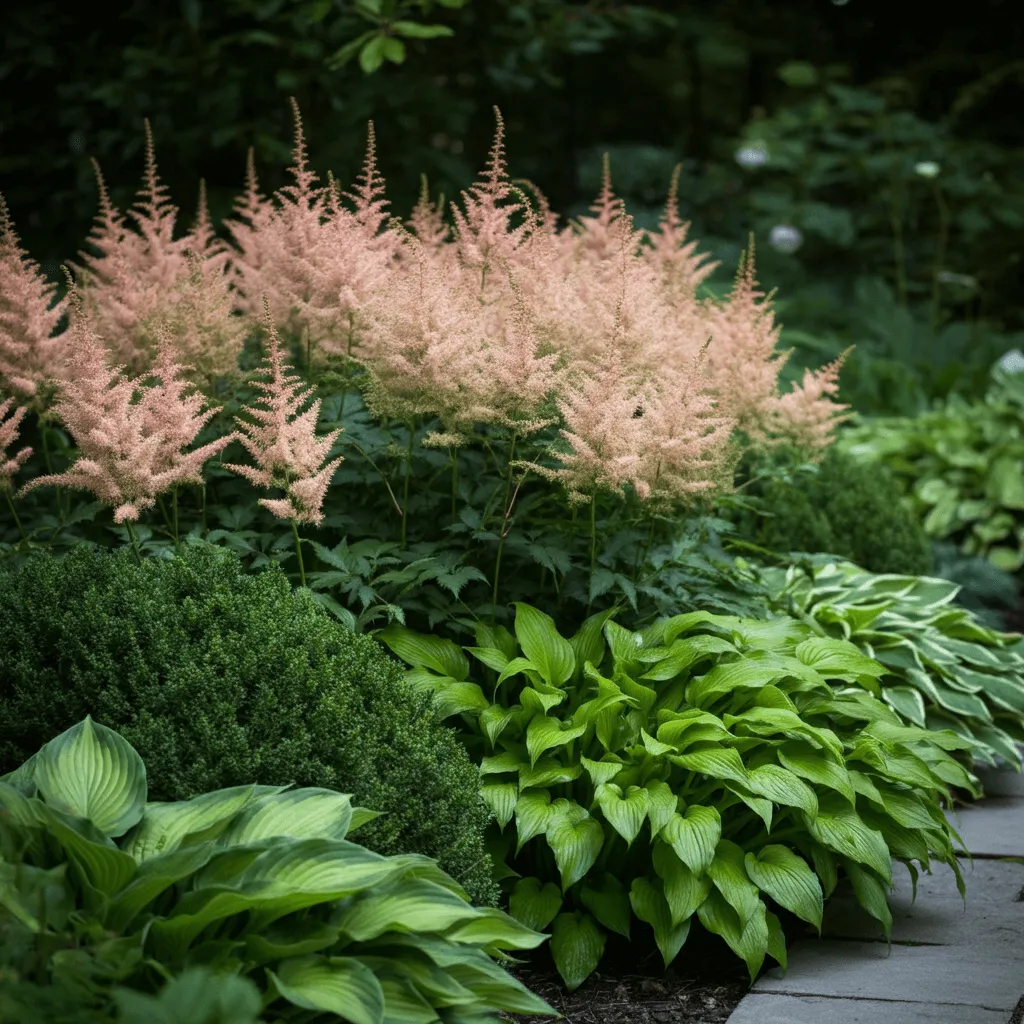
Astilbes bring feathery plumes in shades of pink, white, red, and purple to dim corners. Their striking blooms stand tall, making them perfect for adding vertical interest. A successful real-world example? Gardeners often pair Astilbes with ferns for a lush, layered woodland vibe.
3. Set Up a Fern Feature
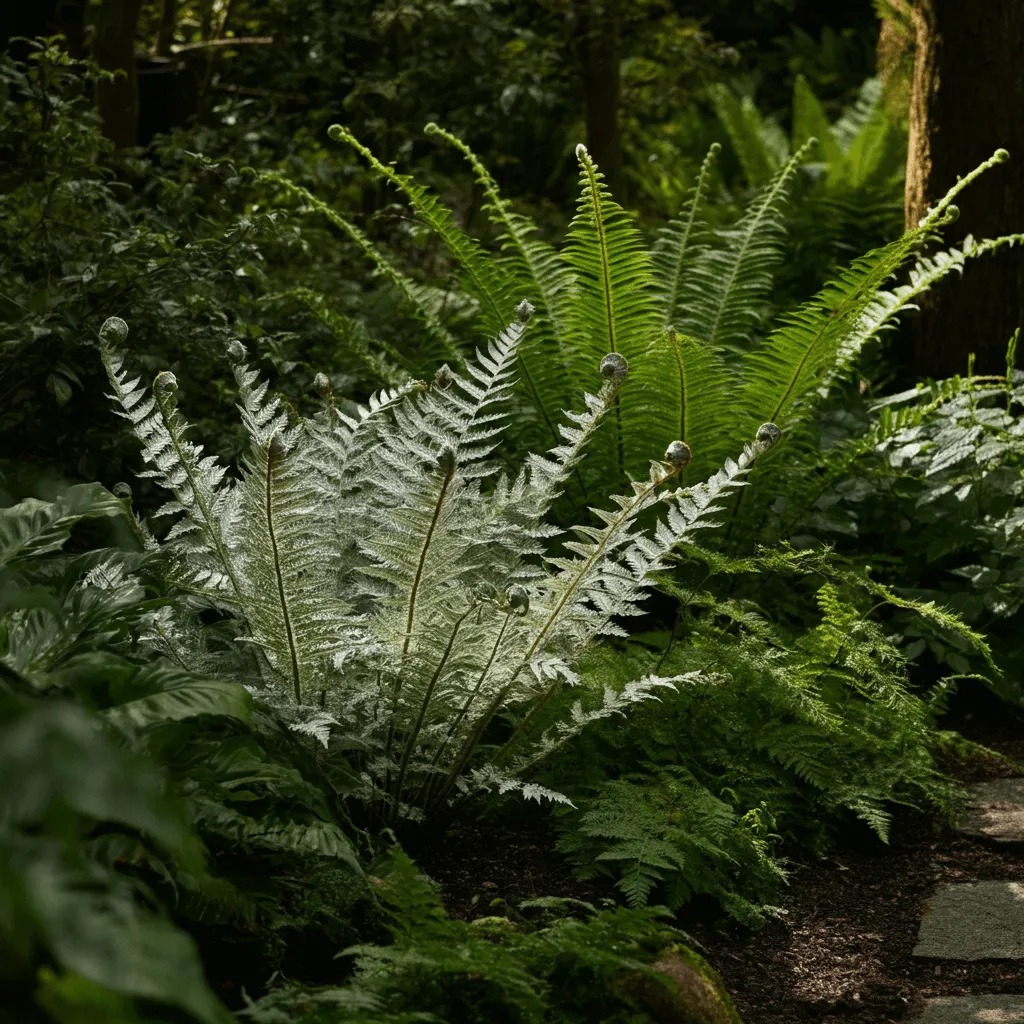
Ferns thrive in shady conditions and can elevate the “secret garden” aesthetic of any space. Lacy varieties like Japanese Painted Ferns bring silver tones, while Boston Ferns add lush green elegance.
Case in Point: One homeowner in Oregon planted ferns near a patio, creating a secluded, rainforest-like retreat.
4. Add Pops of Color with Impatiens
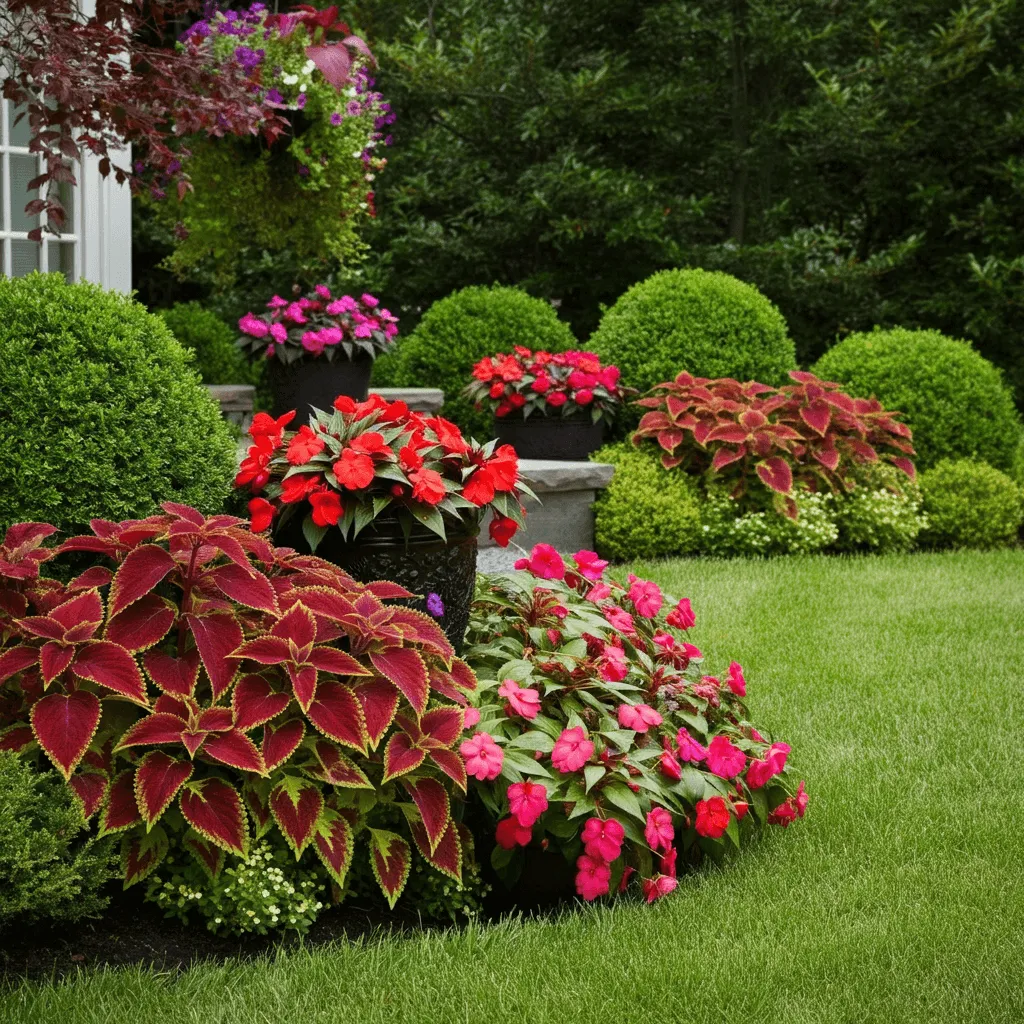
Impatiens are the ultimate shade-friendly flowers, offering vivid reds, pinks, and purples. These annuals bloom and brighten for months without needing much sunlight. They thrive in containers or as bedding plants around shrubs.
Pro Tip: Mix them with coleus, which features colorful foliage, for a harmonious, eye-catching display.
5. Layer with Heucheras (Coral Bells)
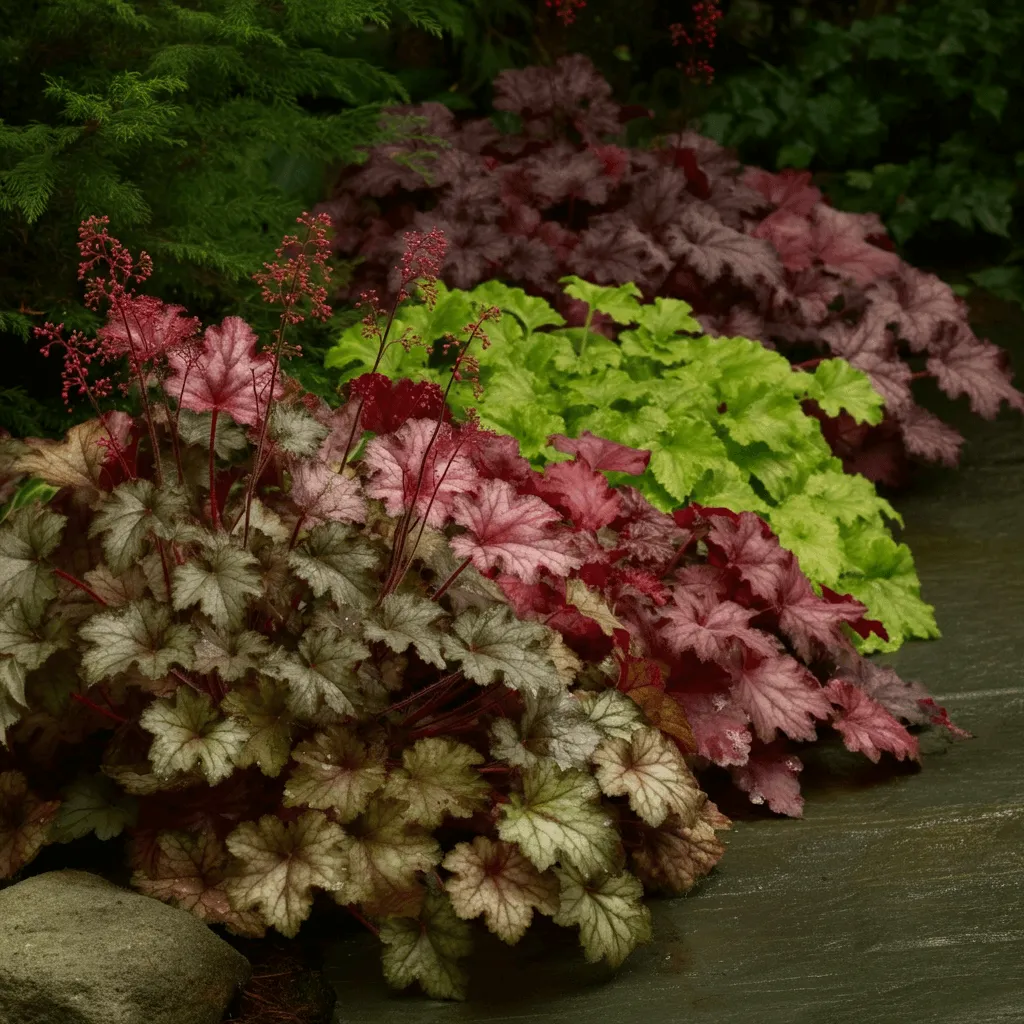
Known for their vibrant foliage, Heucheras come in shades you’d think were dreamed up by artists—burgundy, chartreuse, and even near-black. Depending on the variety, you can play with textures and colors while plants like ‘Plum Pudding’ or ‘Lime Rickey’ draw attention instantly.
6. Succulents for Shady Corners? Absolutely!
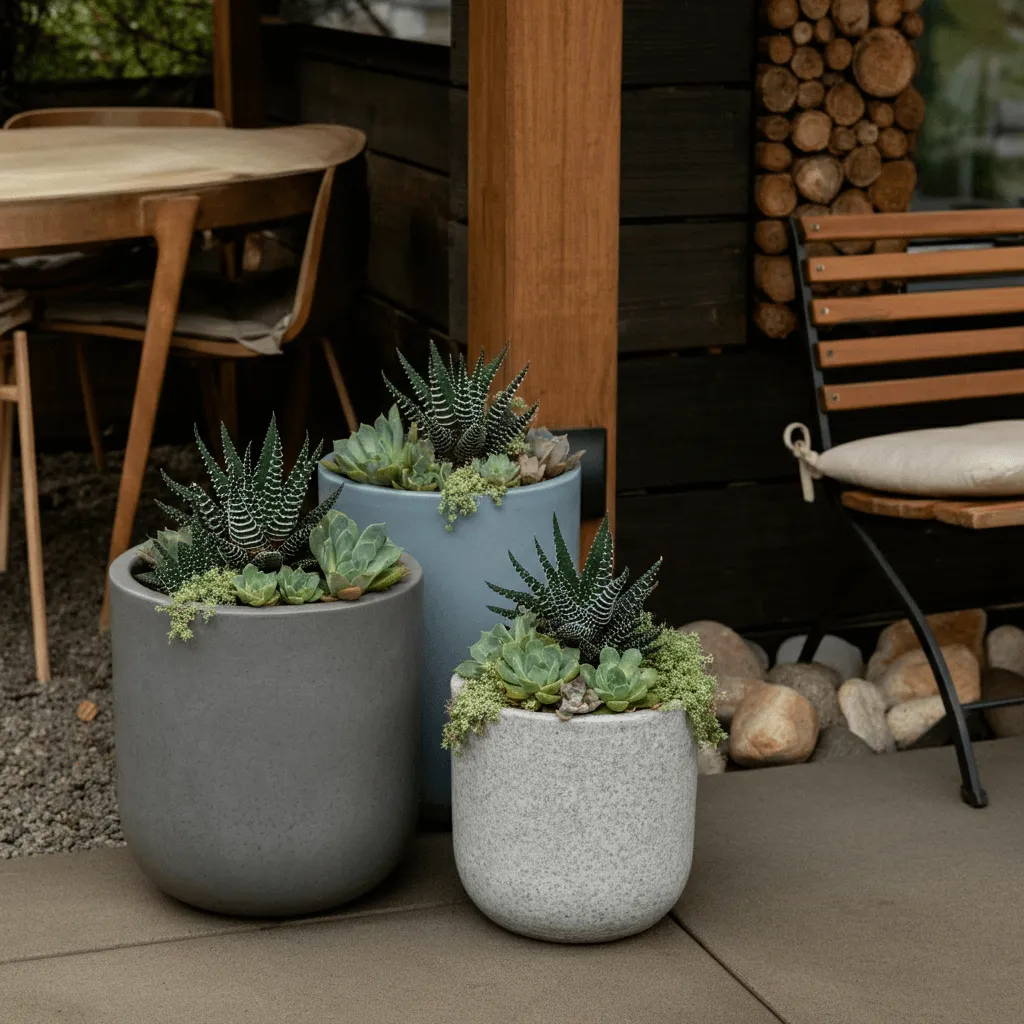
While many succulents adore sunlight, varieties like Haworthiopsis prefer shade or indirect light. Use them creatively in planters stationed under patios or shaded windows.
Example: A small-business owner in Austin used shade-loving succulents to create a mini desert-themed zen corner in her home garden.
7. Add Movement with Ornamental Grasses
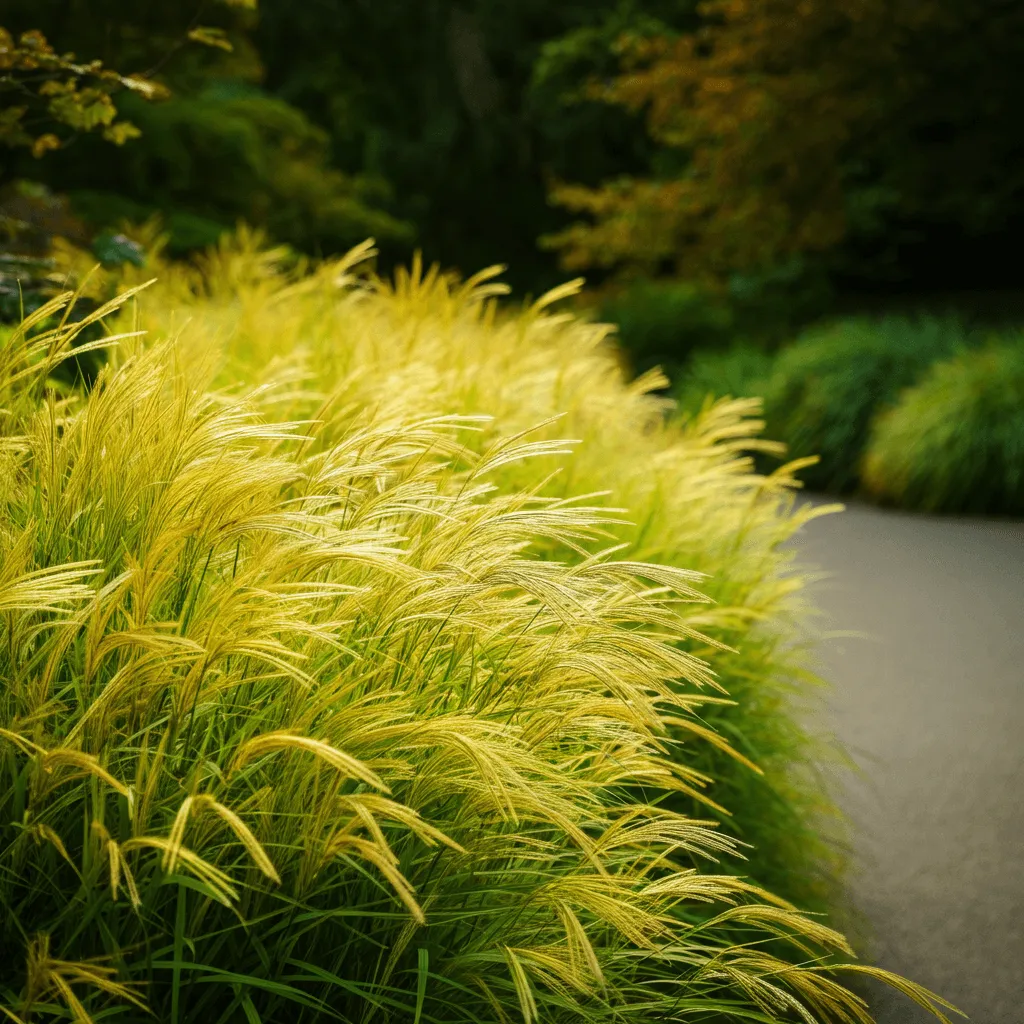
Shade-friendly grasses such as Japanese Forest Grass (Hakonechloa) lend a soft, flowing texture. With golden-green leaves that shimmer in the breeze, they soften hard edges in garden designs.
Pro Tip: Edge walkways with these grasses to create a welcoming path.
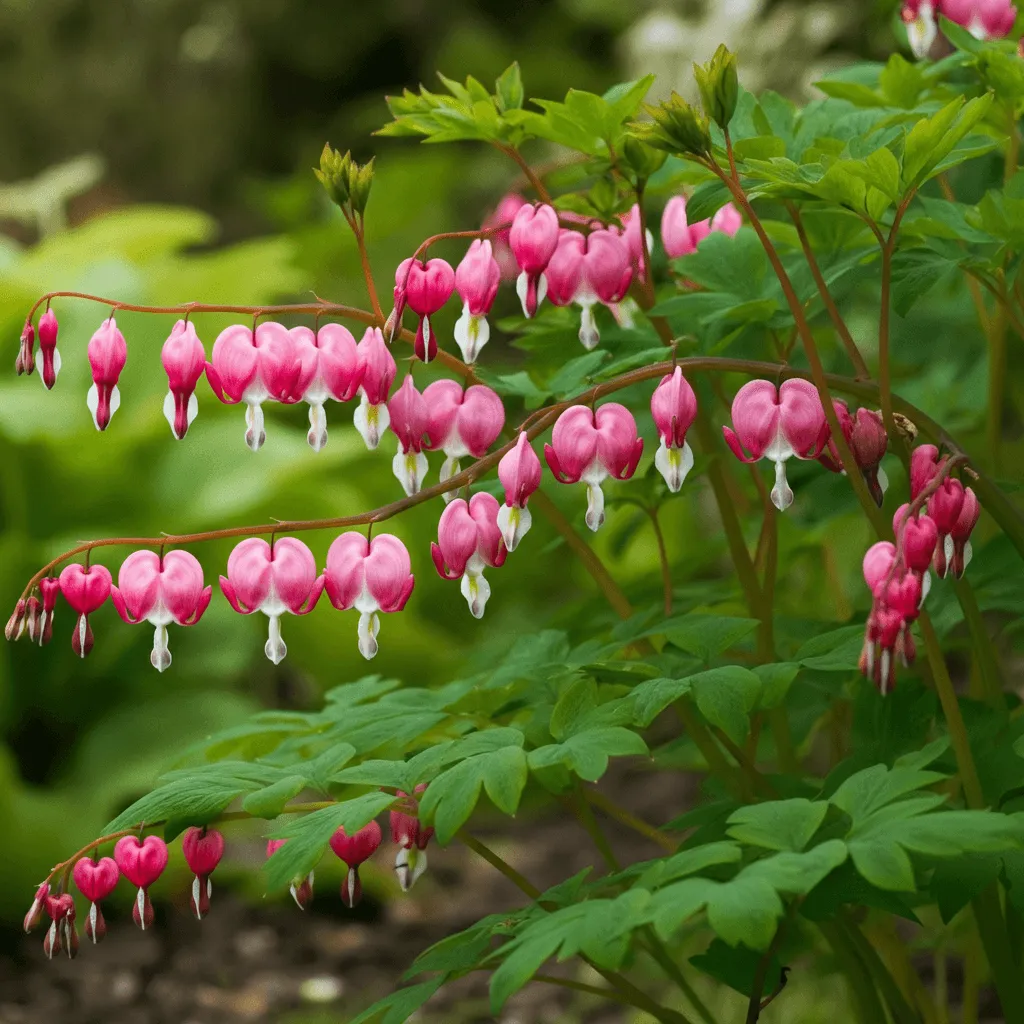
8. Brighten Dark Spots with Bleeding Hearts
Bleeding Hearts are both romantic and dramatic. Their pendant-shaped pink or white flowers dangle gracefully from arching stems. They’re a fantastic conversation starter and work wonderfully as a centerpiece for shade gardens.
9. Mix in Groundcovers
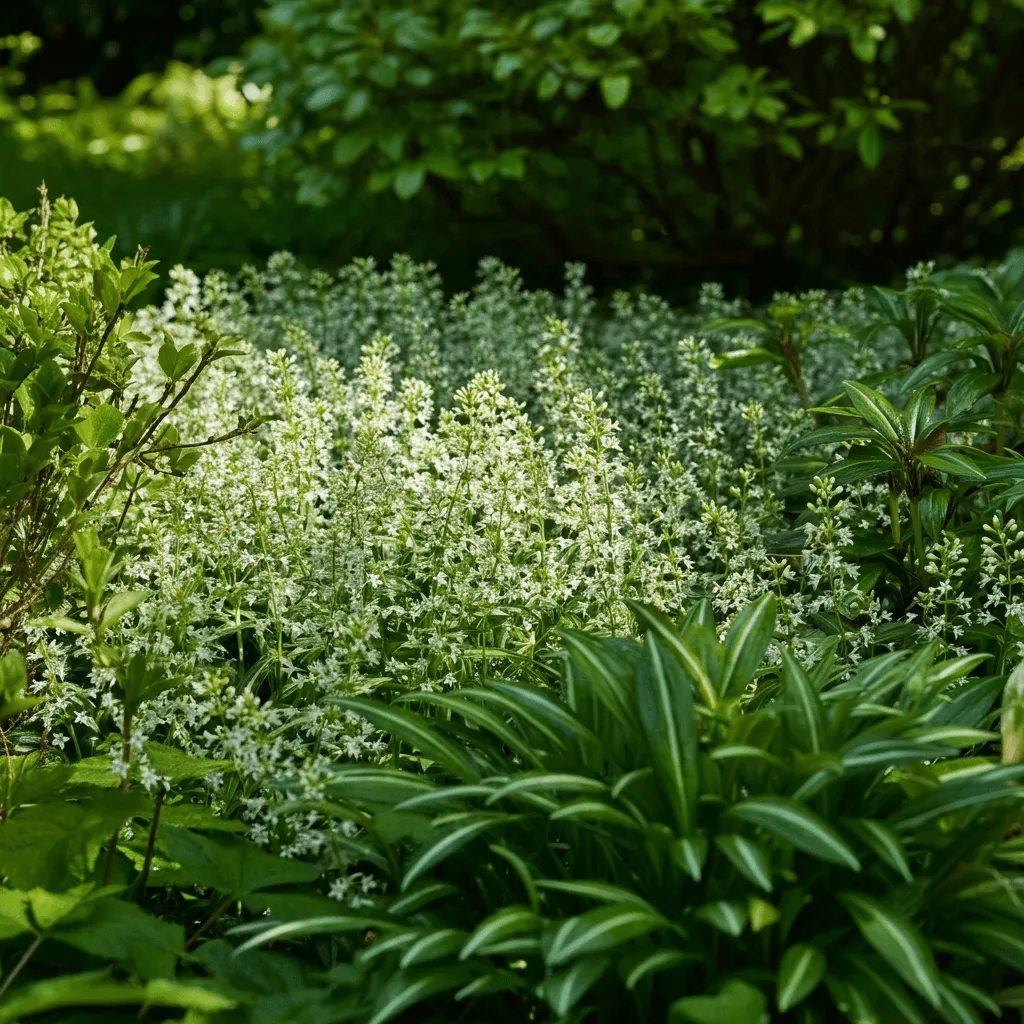
Groundcovers like Sweet Woodruff or Pachysandra are perfect for filling gaps. They’re also low maintenance, covering the soil in a verdant carpet. Sweet Woodruff even introduces tiny, fragrant white flowers in spring.
10. Mirror Nature with Woodland Natives
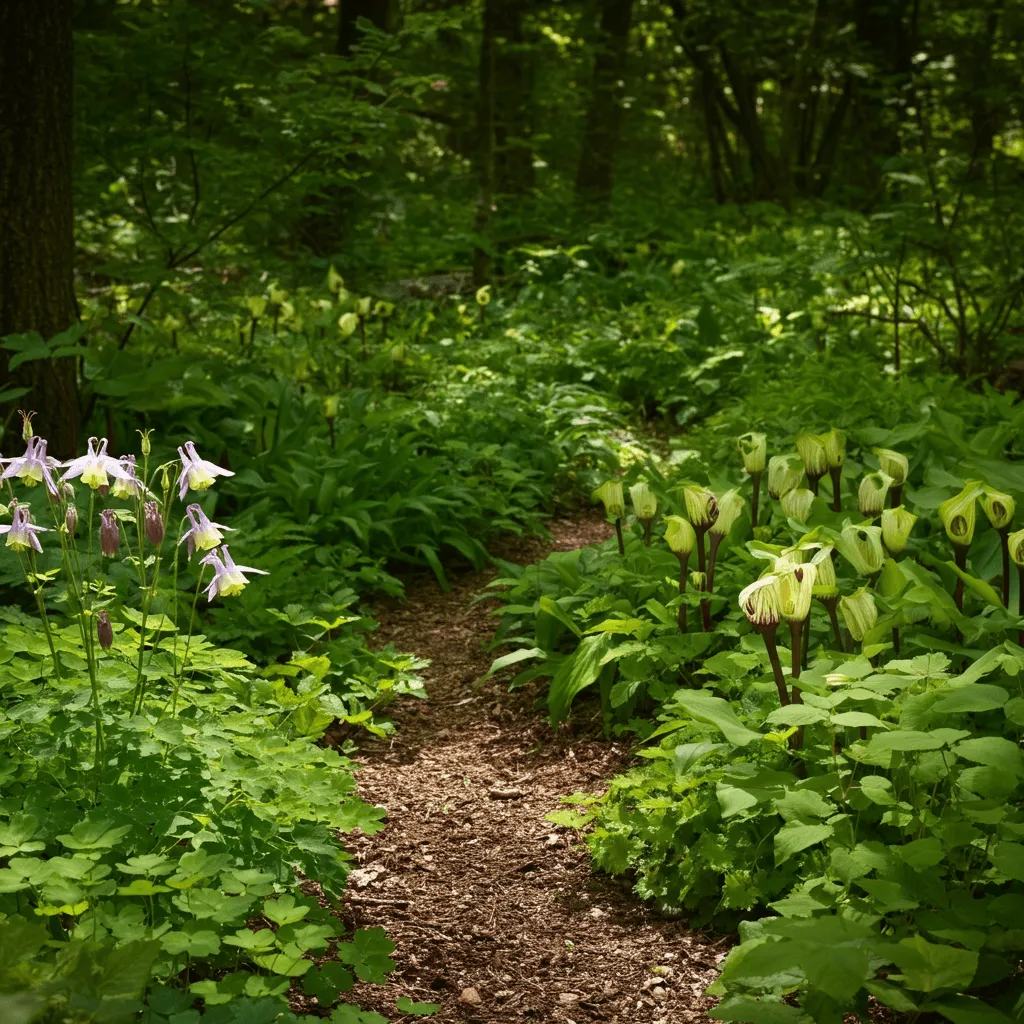
Mimic the atmosphere of natural wooded areas by planting native shade-loving species. Columbines and Jack-in-the-Pulpits thrive in low light, and they’re pollinator-friendly too.
11. Try Shade Romance with Hydrangeas
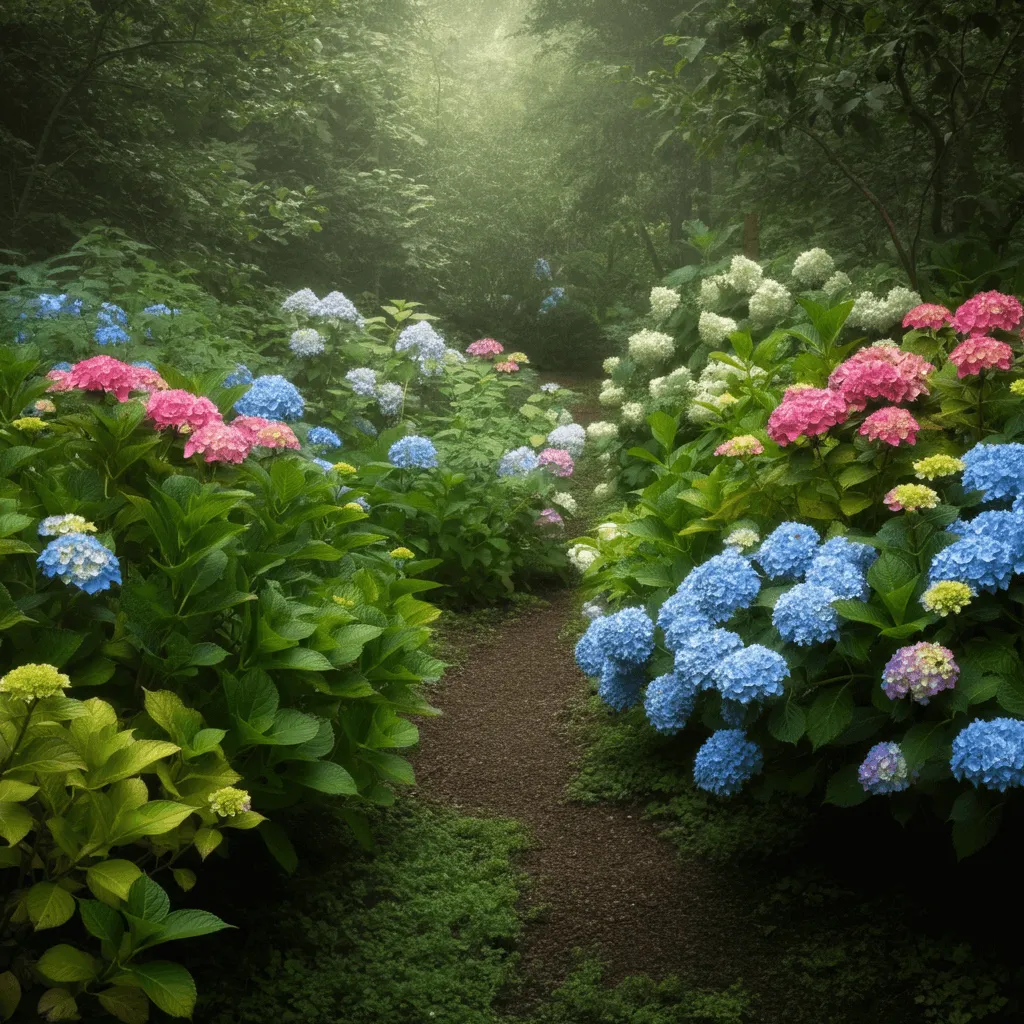
Hydrangeas like the big-leaf or oakleaf varieties thrive in partial shade, offering blooms in pink, blue, or pristine white. With their large blossoms, they immediately elevate shady spaces into magical spots.
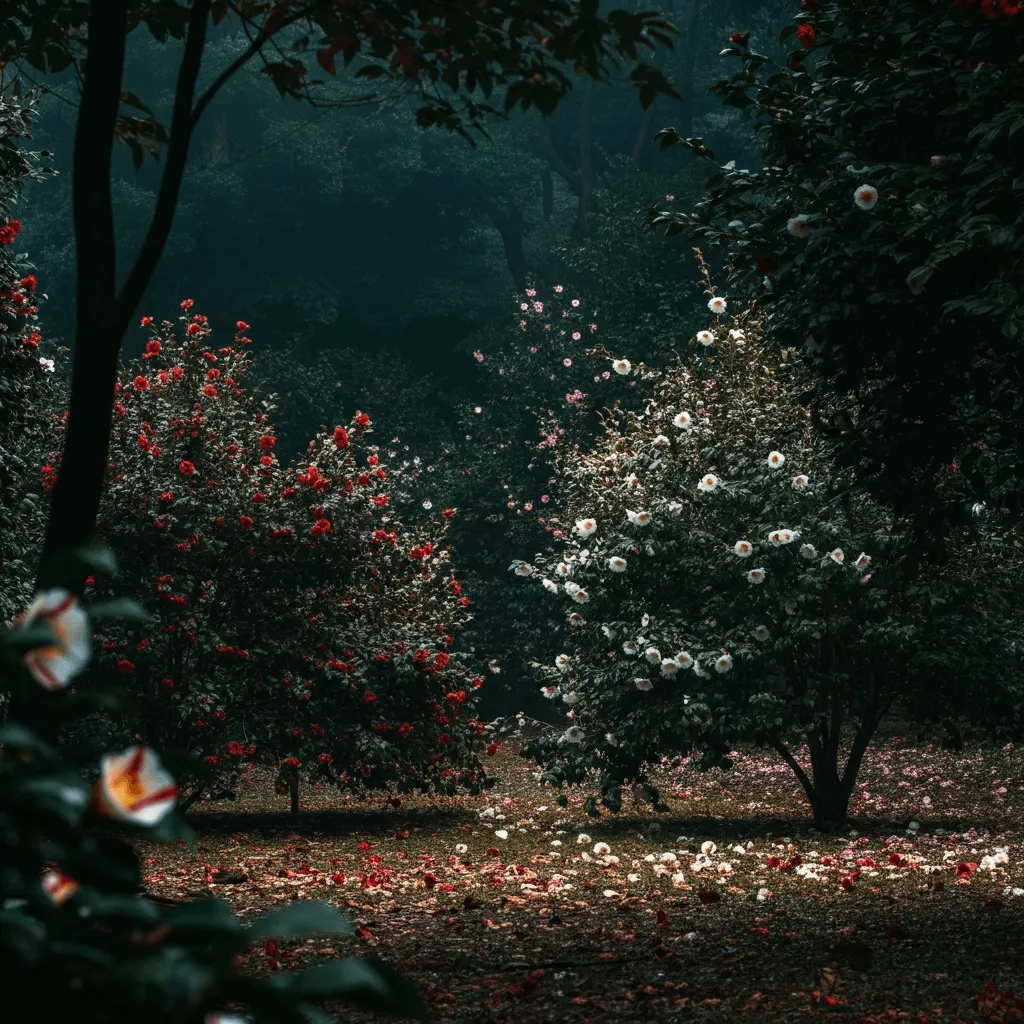
12. Frame the Space with Camellias
Evergreen shrubs like Camellias keep your shade garden attractive year-round. Their winter blooms of red, white, and pink add much-needed color during dreary months.
13. Go Exotic with Caladiums
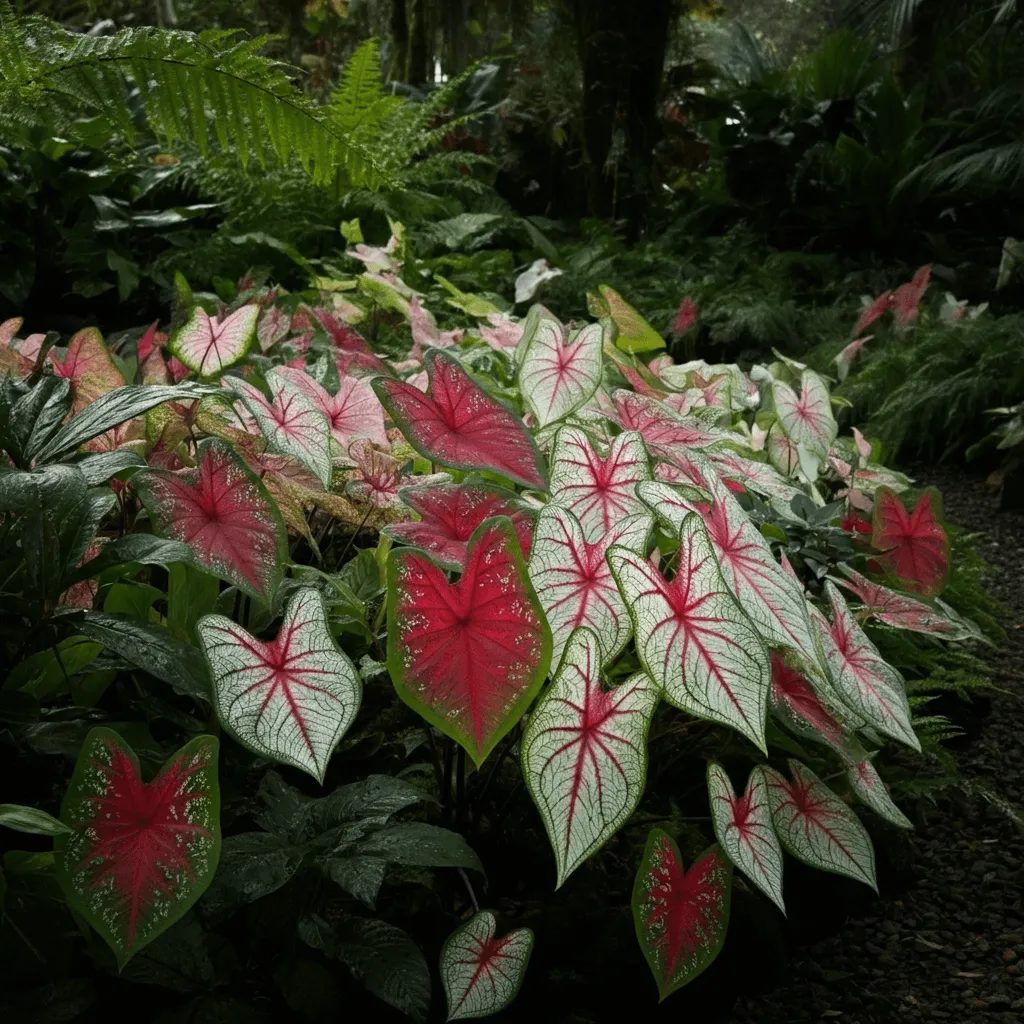
Caladiums are famed for their vibrant, heart-shaped leaves in shades of red, pink, green, and white. Plant these tropical beauties as an underlayer for taller plants.
14. Accent with Shade-Tolerant Vines
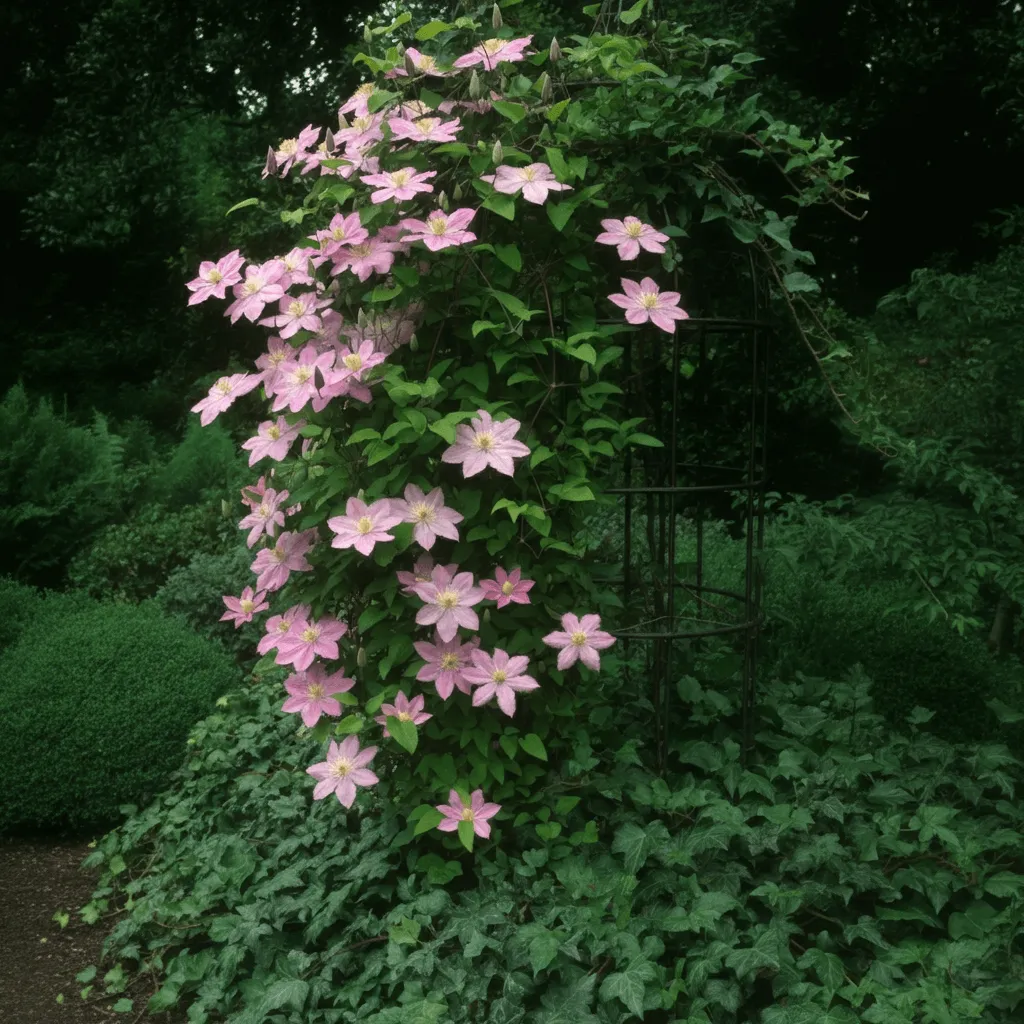
Vines like Clematis and English Ivy can add height and elegance. For instance, Clematis Montana features soft pink blooms and thrives in indirect light.
15. Create Depth with Shrubs
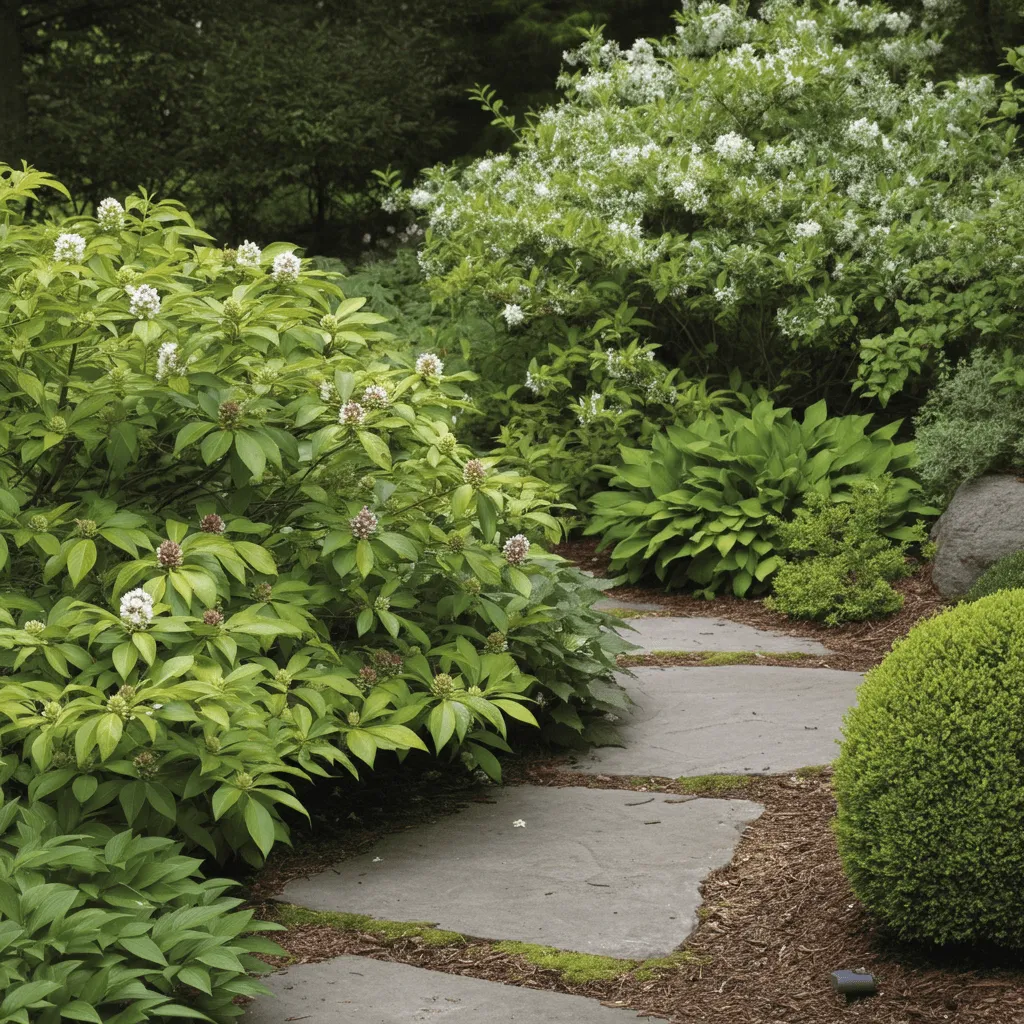
Shade-friendly shrubs such as Carolina Allspice or Andromeda add volume. These shrubs often bloom or have interesting foliage, adding another layer of intrigue.
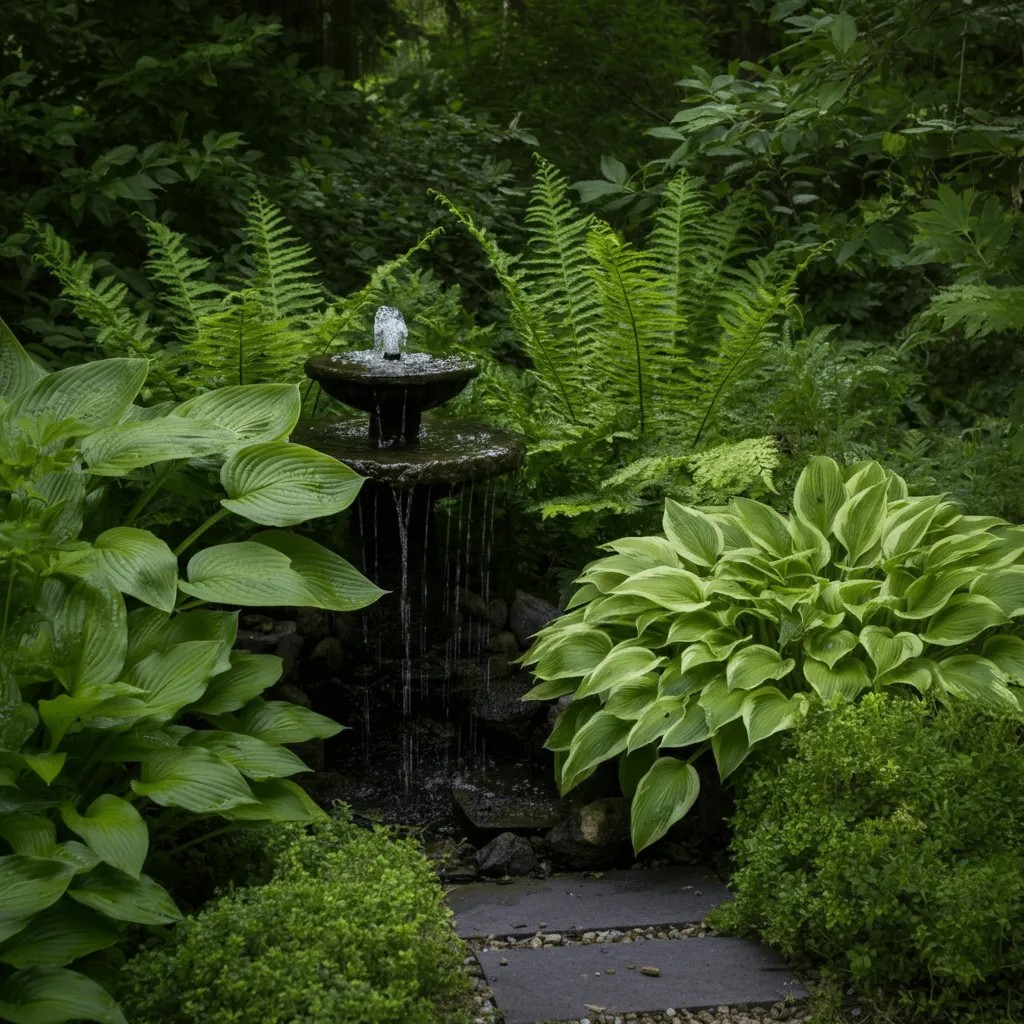
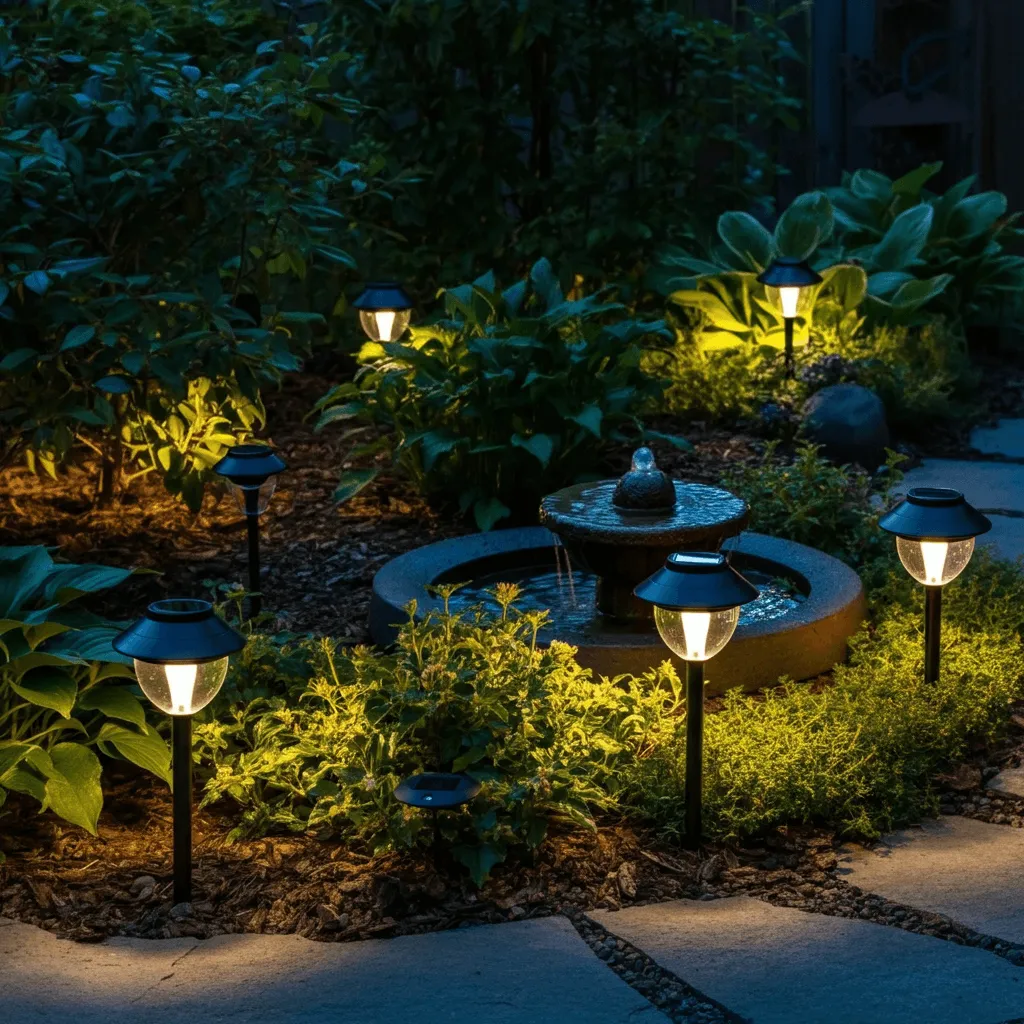
16. Install a Water Feature
Pair a small water fountain or a birdbath with ferns and hostas for a tranquil vibe. The reflective surface of water amplifies light, making the area feel less shadowy.
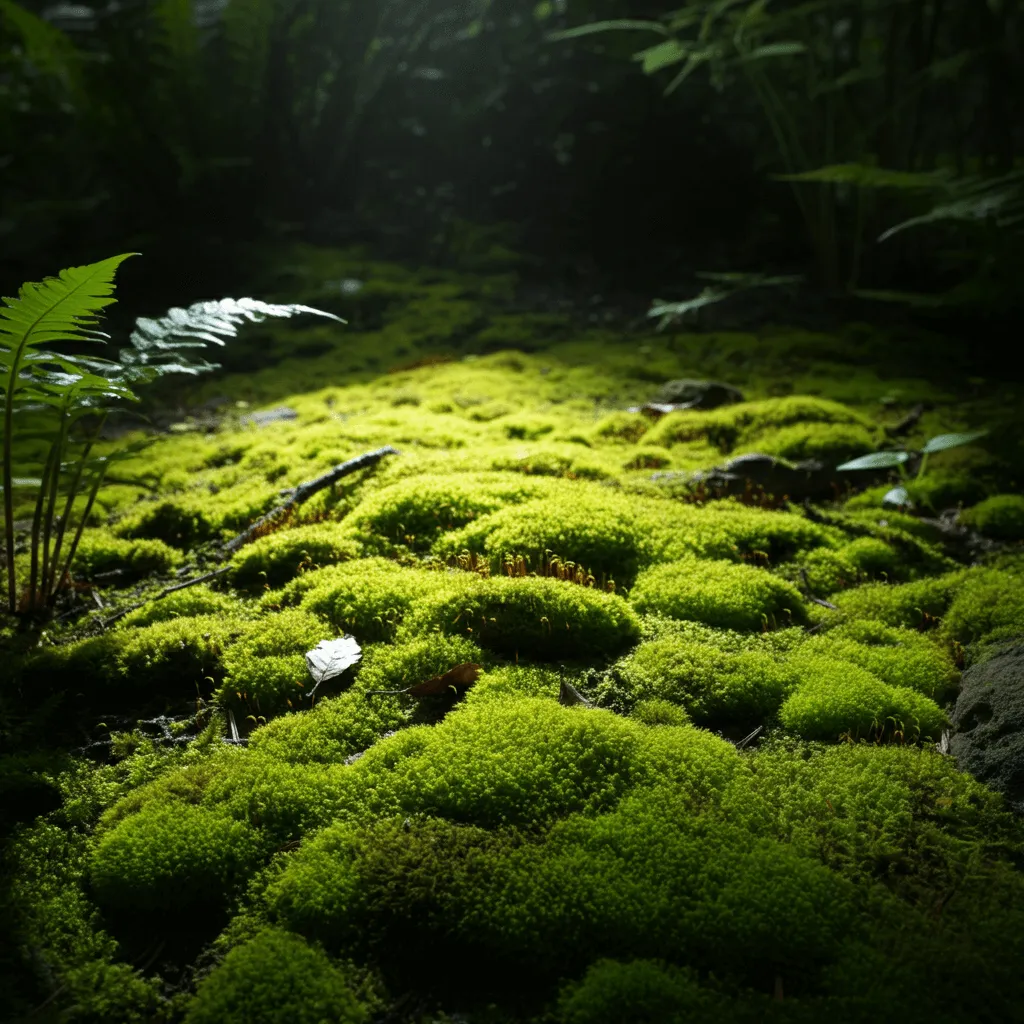
17. Moss Carpets
Moss thrives in deep shade and adds plush textures. It’s the go-to option for damp, shady areas where other plants may falter.
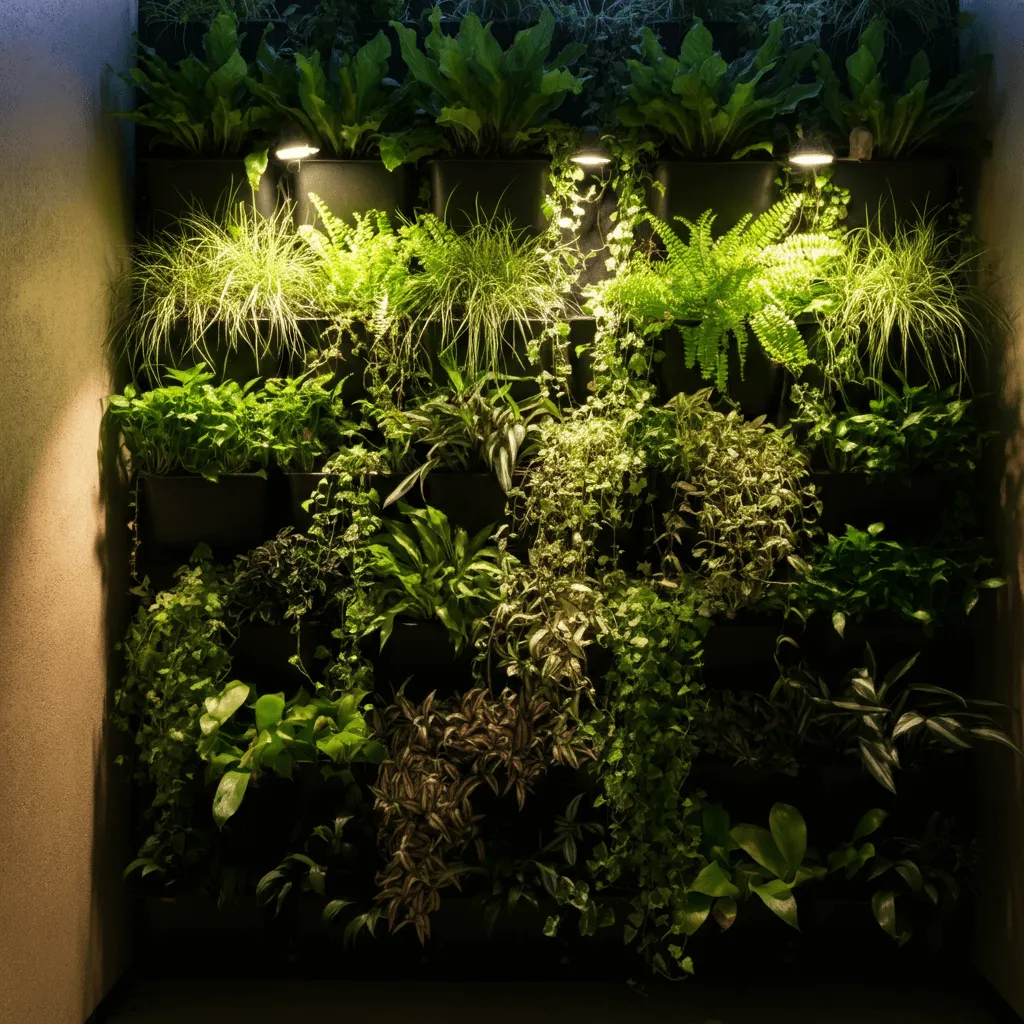
18. Go Vertical with Shade-Tolerant Vertical Gardens
Use wall-mounted planter racks filled with plants like ferns, pothos, or wandering jew to create an artful expression in limited space.
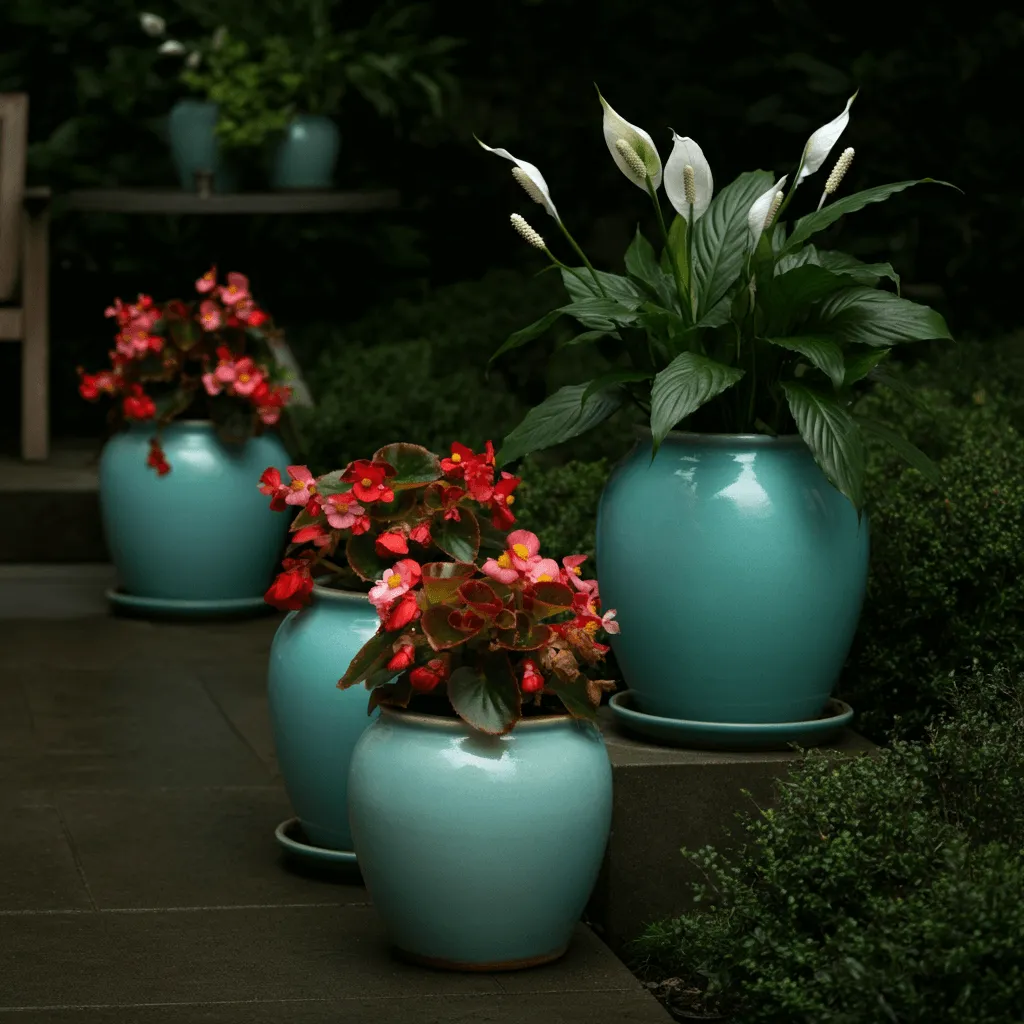
19. Focus on Potted Plants
Planters allow flexibility in design and layout. Bright ceramic pots filled with begonias or Peace Lilies add a rich visual punch.
20. Seasonal Flowering Bulbs
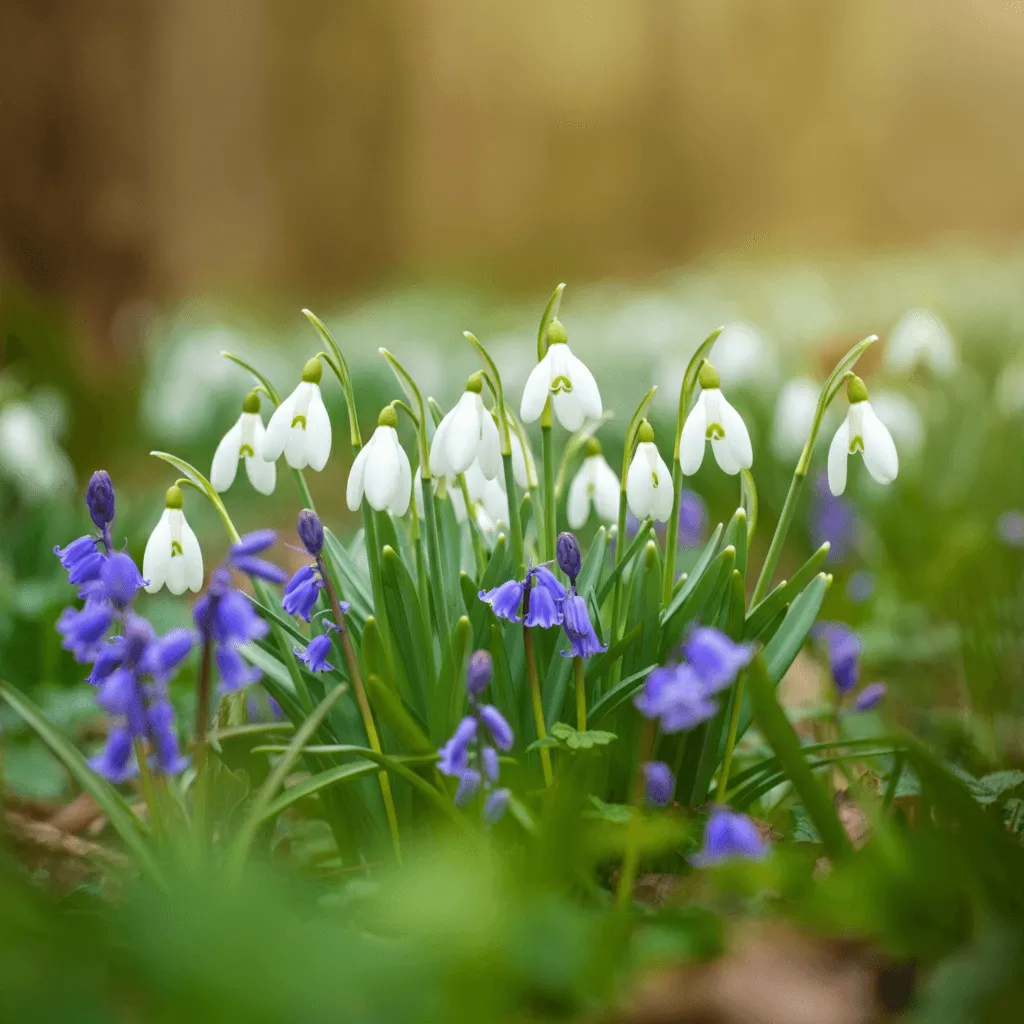
Bulbs like Snowdrops and Bluebells deliver early spring blooms, bringing a cheerful start to your growing season.
21. Blend in Edibles
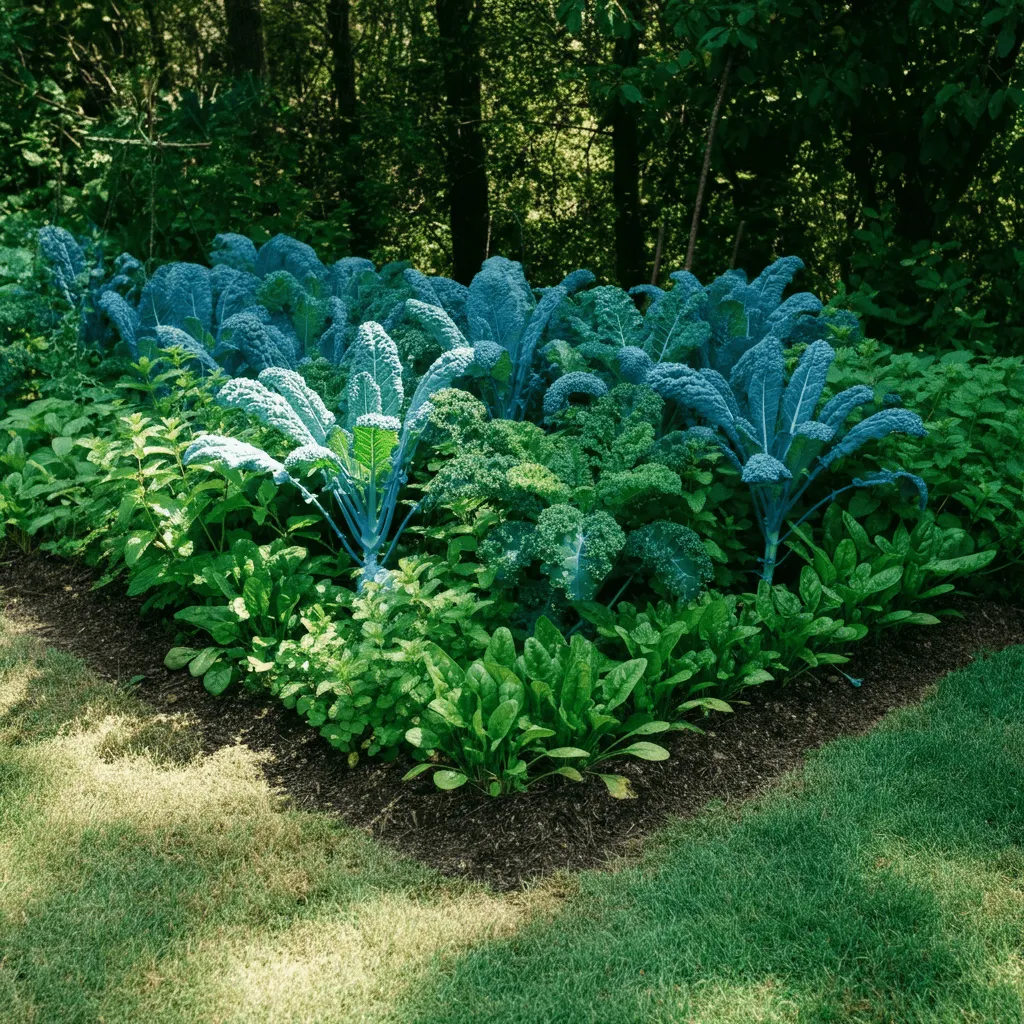
Edible shade plants like kale, spinach, and mint can add utility to beauty while thriving in dim light. Use them in a kitchen garden corner for easy access to fresh ingredients.
22. Layering Textures is Key
Combine plants with varied heights and stunts like lilliputian hostas alongside taller Astilbe plumes. This technique adds depth and dimension.
23. Add Artistic Elements
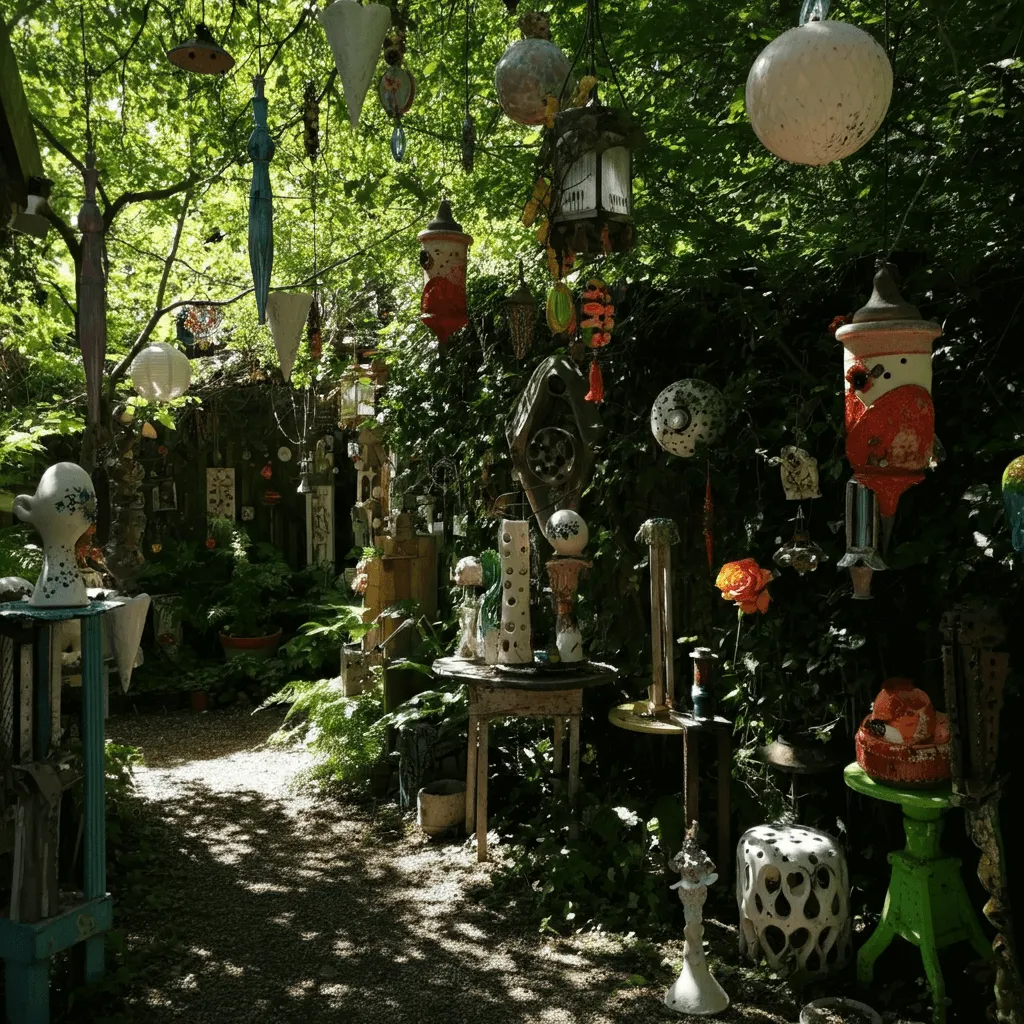
Complement the plants with hanging lanterns, ceramic figures, or even recycled art pieces to give the garden personal charm.
24. Light it Up!
Install low-voltage garden lights or solar-powered lamps to spotlight key features and extend the garden’s usability into the evenings.
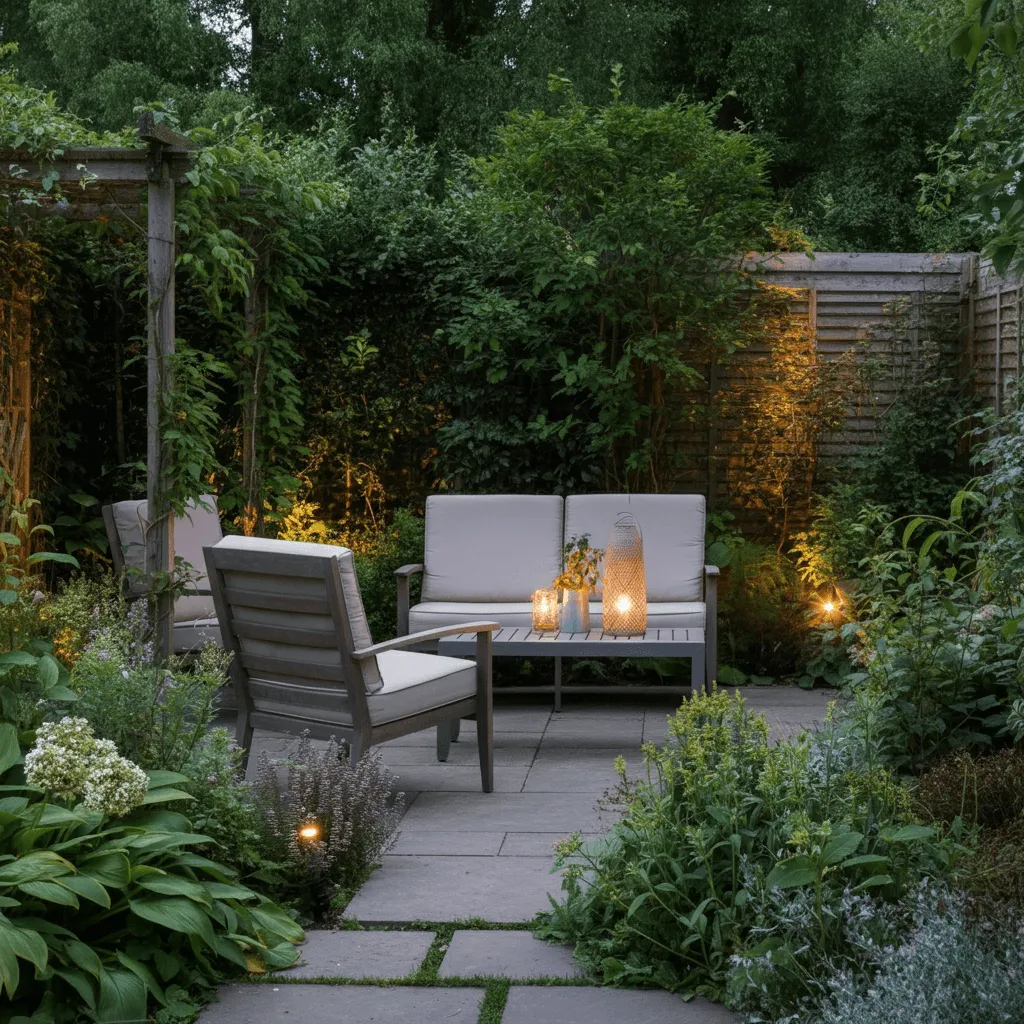
25. Design a Shade Oasis with Outdoor Furniture
Include shaded seating areas surrounded by foliage to create a peaceful retreat. Add comfortable chairs or a rustic bench to invite relaxation.
FAQs
Q: Can I grow vegetables in shade gardens?
Yes, vegetables like lettuce, spinach, and certain herbs grow well in partial shade.
Q: What’s the best way to deal with overly damp shady spots?
Use plants like moss, ferns, and astilbes that thrive in moist, shaded conditions. Add organic matter like compost to improve soil texture if needed.
Q: How do I make my shade garden low maintenance?
Opt for perennial groundcovers like pachysandra or hostas that require minimal care year after year.
Transforming a dark corner into something vibrant and lively is easier than you think. Whether it’s through colorful blooms, unique foliage, or textural layers, shaded areas can become some of the most breathtaking spots in your yard. Now, grab those gloves and brighten up those shadowy corners!