
15 Decorative Vegetable Garden Ideas for Your Backyard
Ever hear about the tomato that asked the basil to join it in the garden? It said, “We’ll make the perfect pair for dinner!” Jokes aside, vegetables don’t just belong in your salad—they can transform your backyard into a stunning masterpiece. If you think vegetable gardening is all mud and plain old practicality, think again. These 15 decorative vegetable garden ideas will ensure your backyard isn’t just productive—it’s Pinterest-worthy!
1. Raised Bed Gardens with a Creative Edge
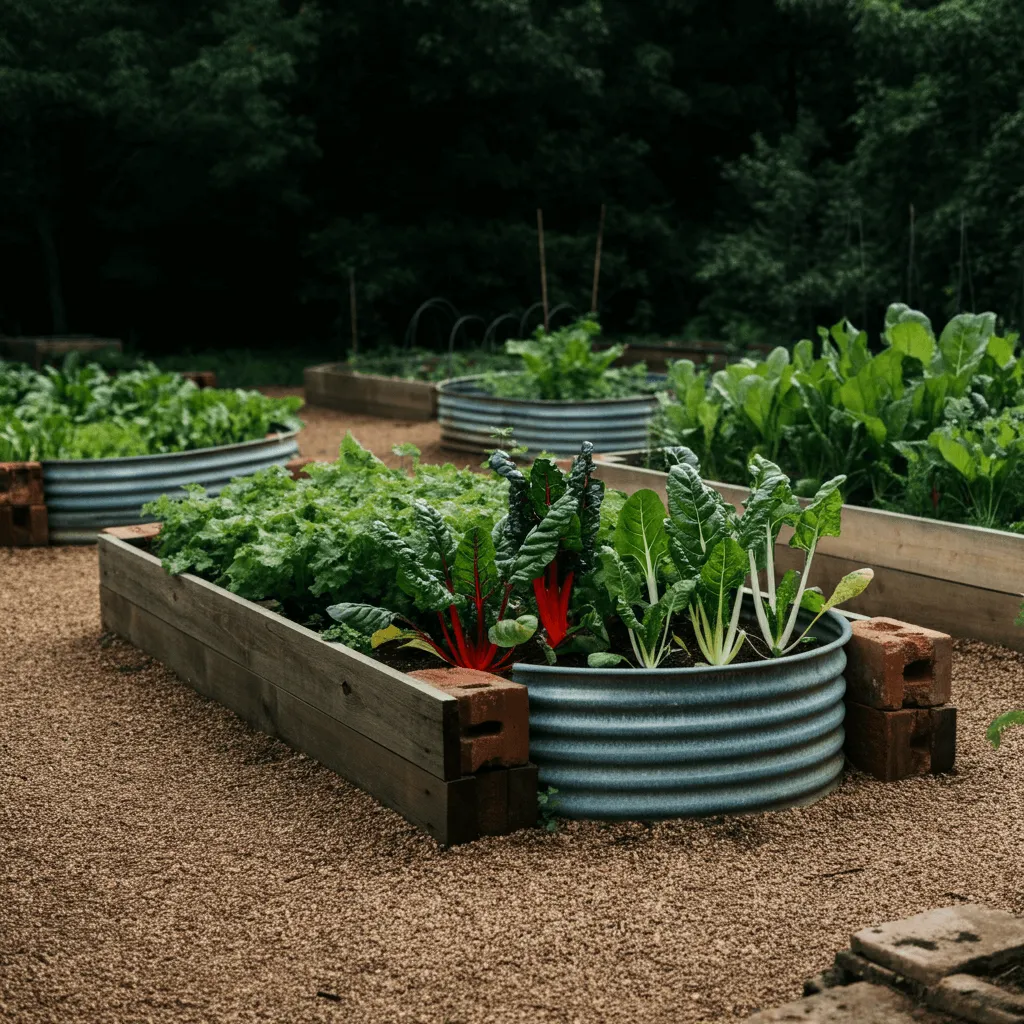
Elevate your backyard style by using raised beds. Opt for materials like natural wood, bricks, or even repurposed metal troughs to create planting spaces that pop. Align the beds symmetrically for a polished look or go for unique shapes like spirals and circles for added flair. For example, using untreated cedar ensures durability while giving off a rustic charm perfect for complementing bright veggies like Swiss chard or leafy greens.
Benefits:
- Better drainage and soil control
- Easier to maintain and harvest crops
2. Add an Arbor for Vertical Appeal
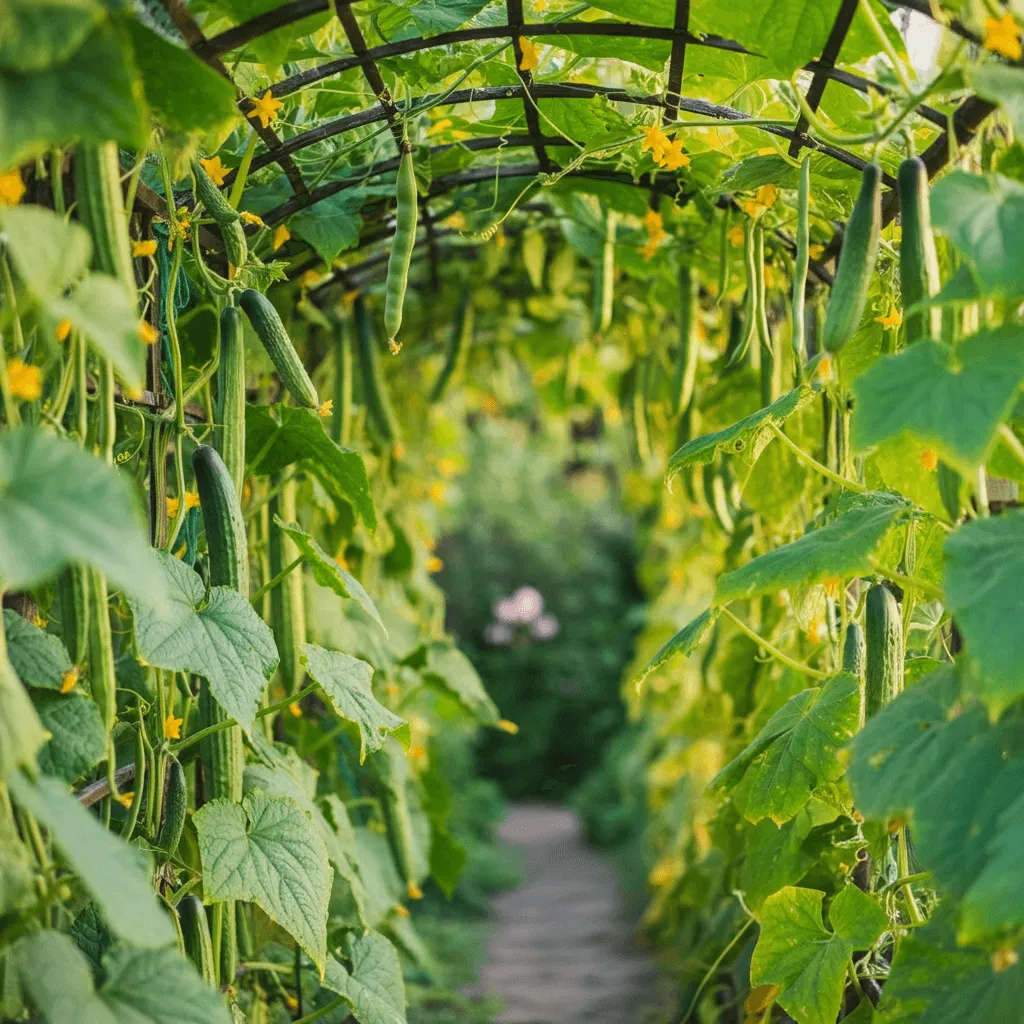
Nothing says elegance like a garden arbor draped in climbing cucumbers or pole beans. Install one at the entrance of your garden or use it to create a cozy pathway amidst your plants. Not only do these create a decorative focal point, but they also efficiently utilize vertical space in smaller backyards.
Real-Life Idea:
A family in Oregon transformed their small yard using twin arbors covered with sugar snap pea vines. This simple makeover added charm while doubling their harvest capacity!
3. Mix Vegetables with Flowers
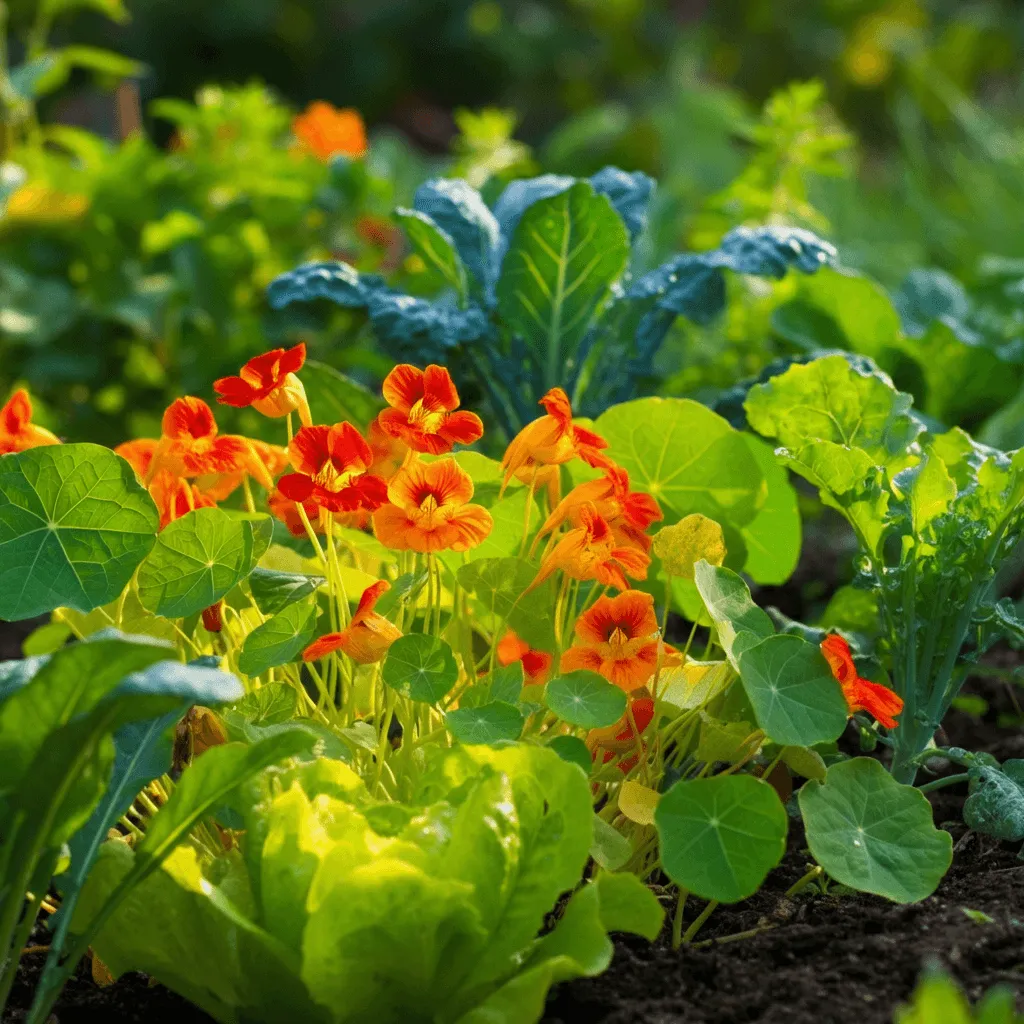
Who says vegetables and flowers can’t hang out together? Pair bold edible flowers like nasturtiums with leafy vegetables like kale or lettuces. The colorful blooms not only brighten up the garden but also repel certain pests, keeping your veggie patch healthy.
Landscaping Tip:
Plant marigolds alongside tomatoes. They’re like natural bodyguards, keeping harmful nematodes at bay.
4. Herb Spirals for a Stylish Statement
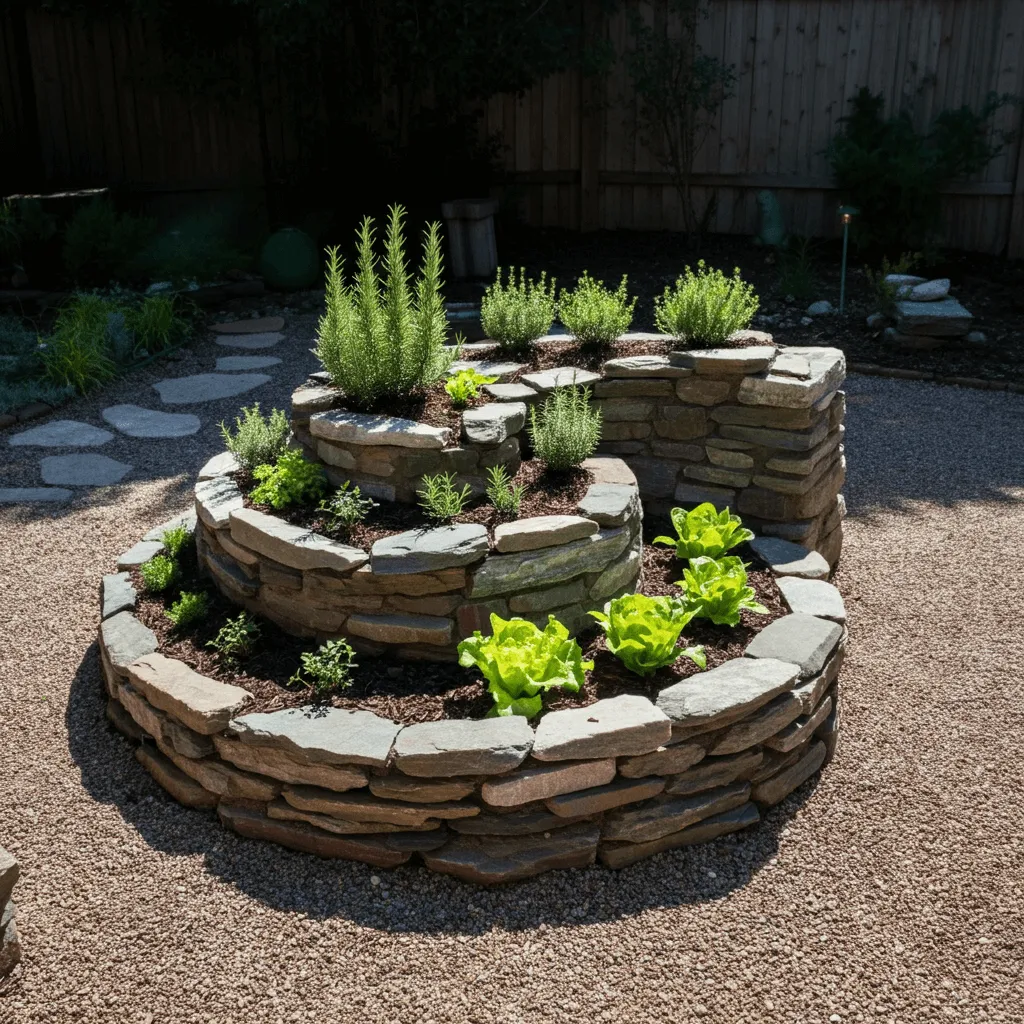
An herb spiral is as beautiful as it is practical. These tiered structures allow you to grow everything from rosemary to thyme in an organized yet eye-catching way. Use stones and small boulders to create the spiral, filling each level with herbs and small leafy vegetables.
Why It Works:
The height variations mimic microclimates, letting you plant sun-loving herbs at the top and shade-lovers at the bottom.
5. Container Gardening with a Twist
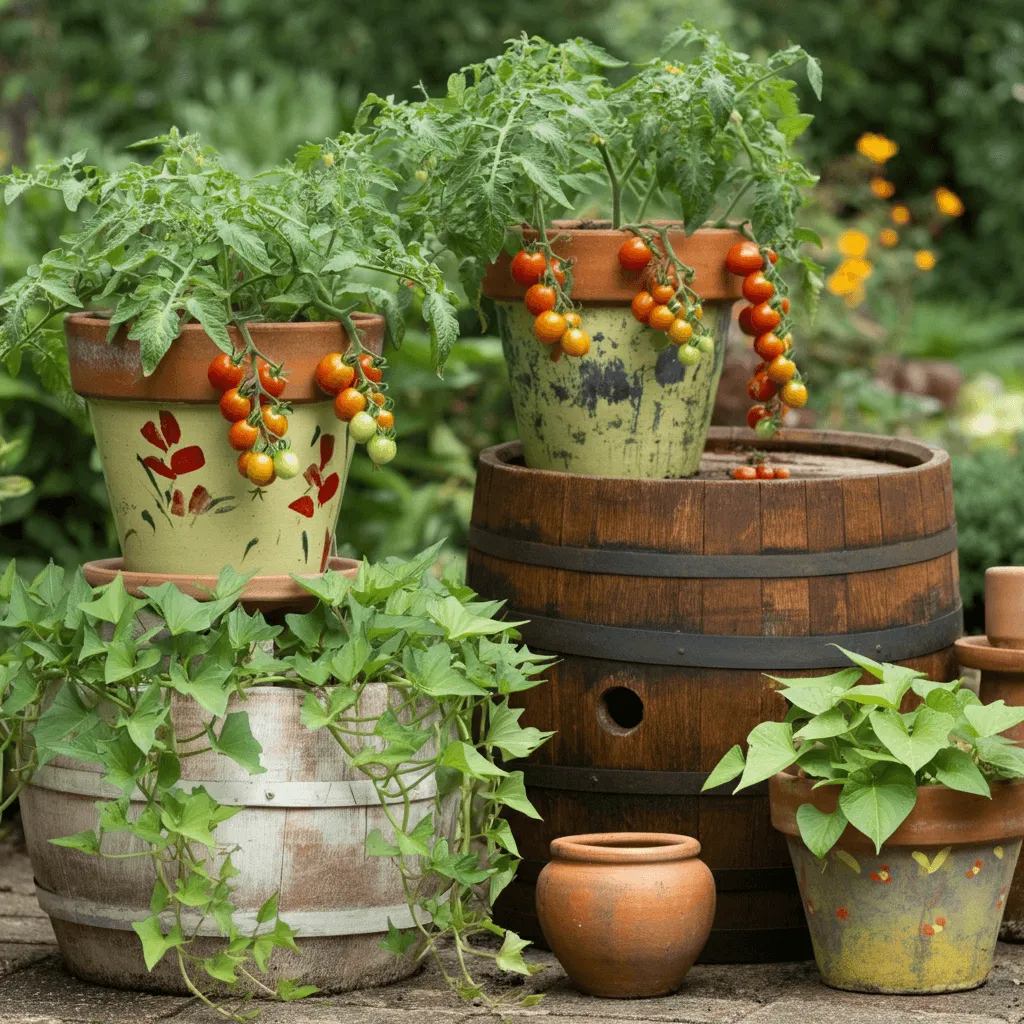
Not all veggies need to grow in the ground. Decorative containers like ceramic pots, barrels, or even old boots can be clever homes for your vegetables. Plant cherry tomatoes in hanging baskets or use painted terracotta pots for herbs—the possibilities are endless!
Pro Tip:
Add trailing plants, like sweet potato vines, to soften the edges of your containers and make them look more visually appealing.
6. Edible Borders
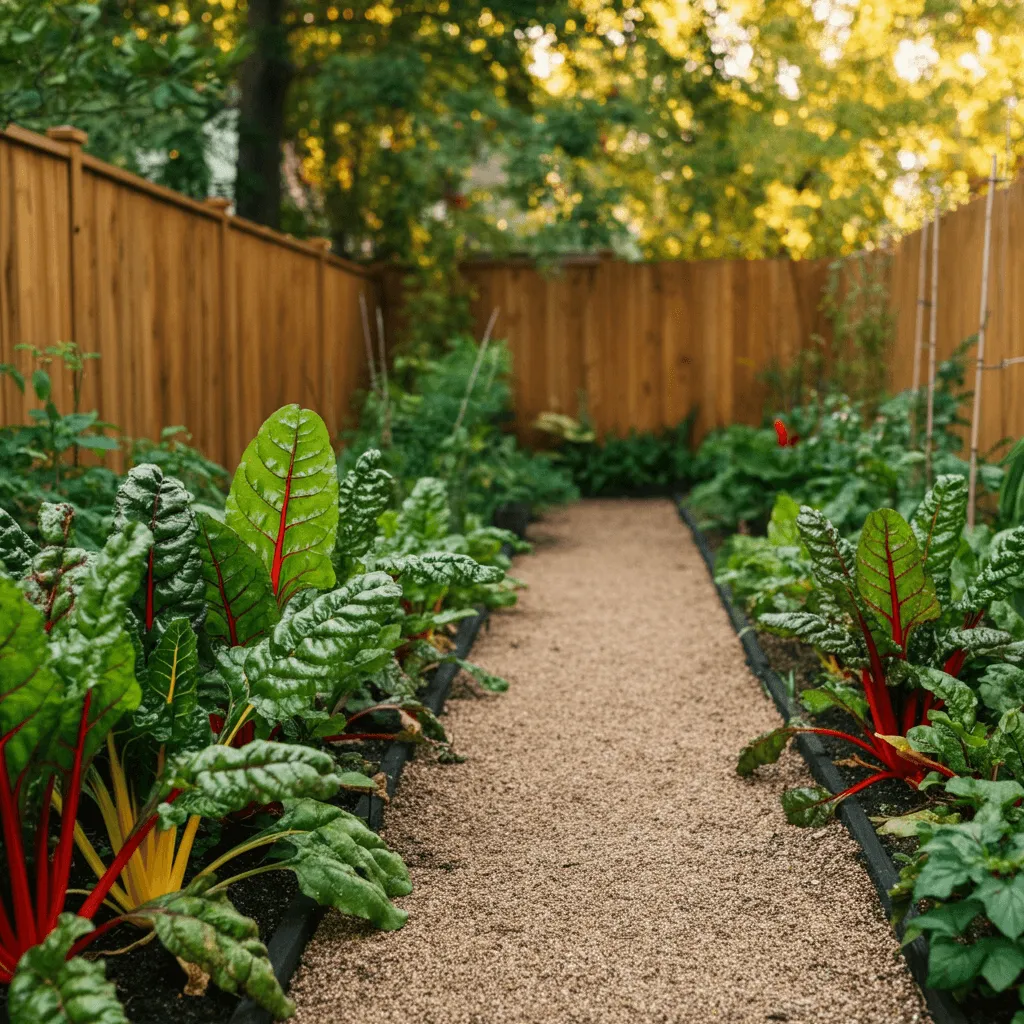
Frame your backyard with stylish, edible borders. Line walkways or fence lines with lush plants like rainbow chard, beet greens, or colorful hot peppers. This not only maximizes growing space but also gives your garden a unique, finished look.
Case Study:
A landscaper in Florida designed a backyard with alternating rows of purple basil and golden oregano along the garden’s edge, creating a stunning contrast of colors.
7. Construct a Stylish Trellis
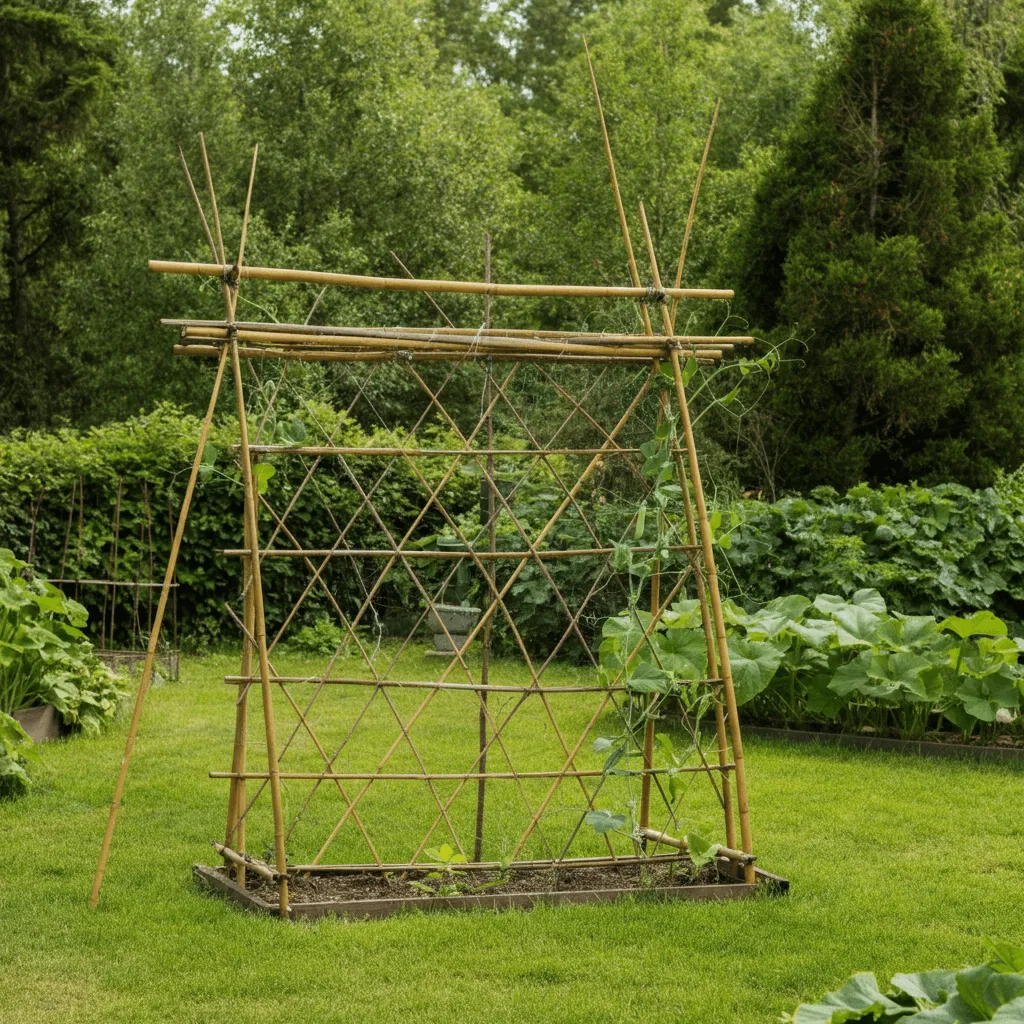
Why settle for plain wooden stakes when you can design an artistic trellis for your climbing vegetables? Build one from bamboo, wrought iron, or reclaimed wood for an elegant addition to any backyard. Peas, beans, and even squash grow beautifully when given vertical support.
Creative DIY Idea:
Paint an old wooden ladder and use it as a stand-alone trellis for cucumbers or zucchini.
8. Whimsical Pathways
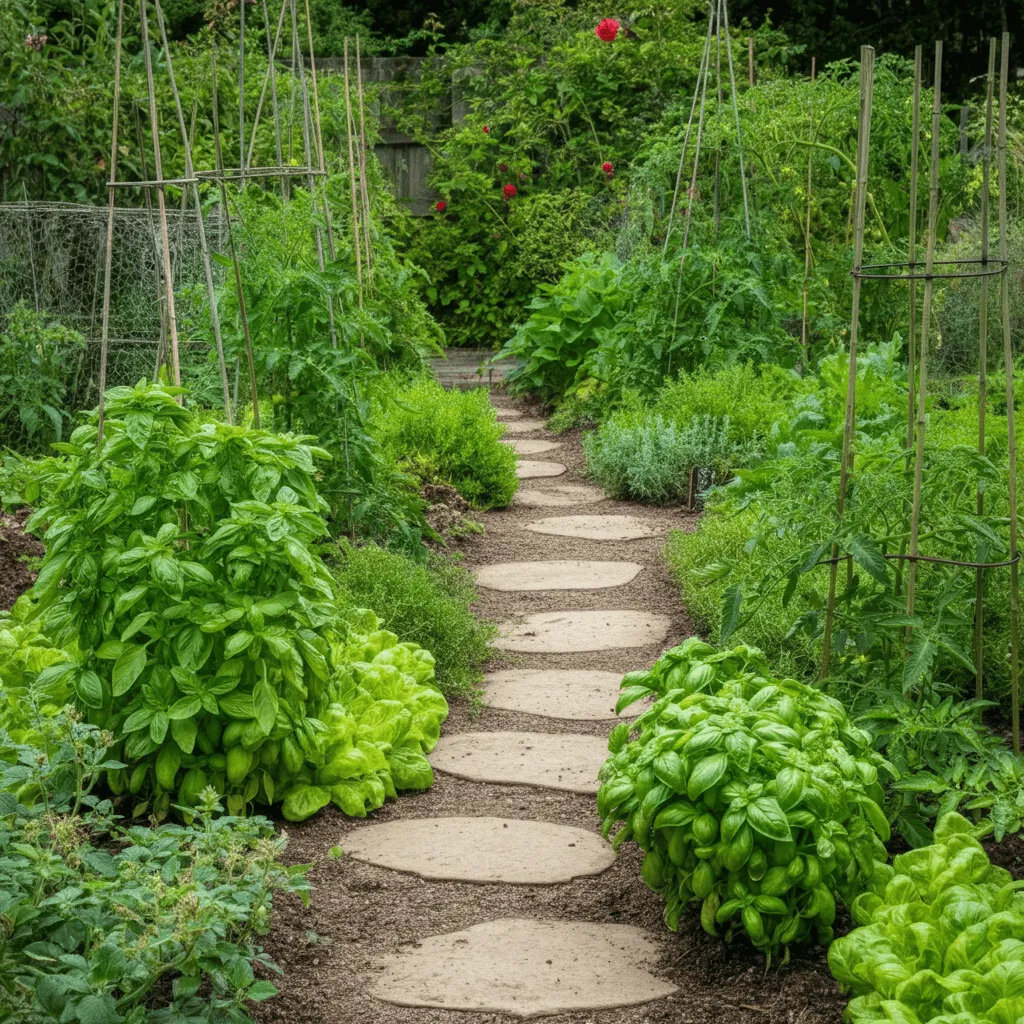
Create magical pathways using stepping stones, gravel, or mulch surrounded by vegetable plants. Strategically place companion plants, such as basil around tomatoes, to simplify navigation while adding pops of green along the trail.
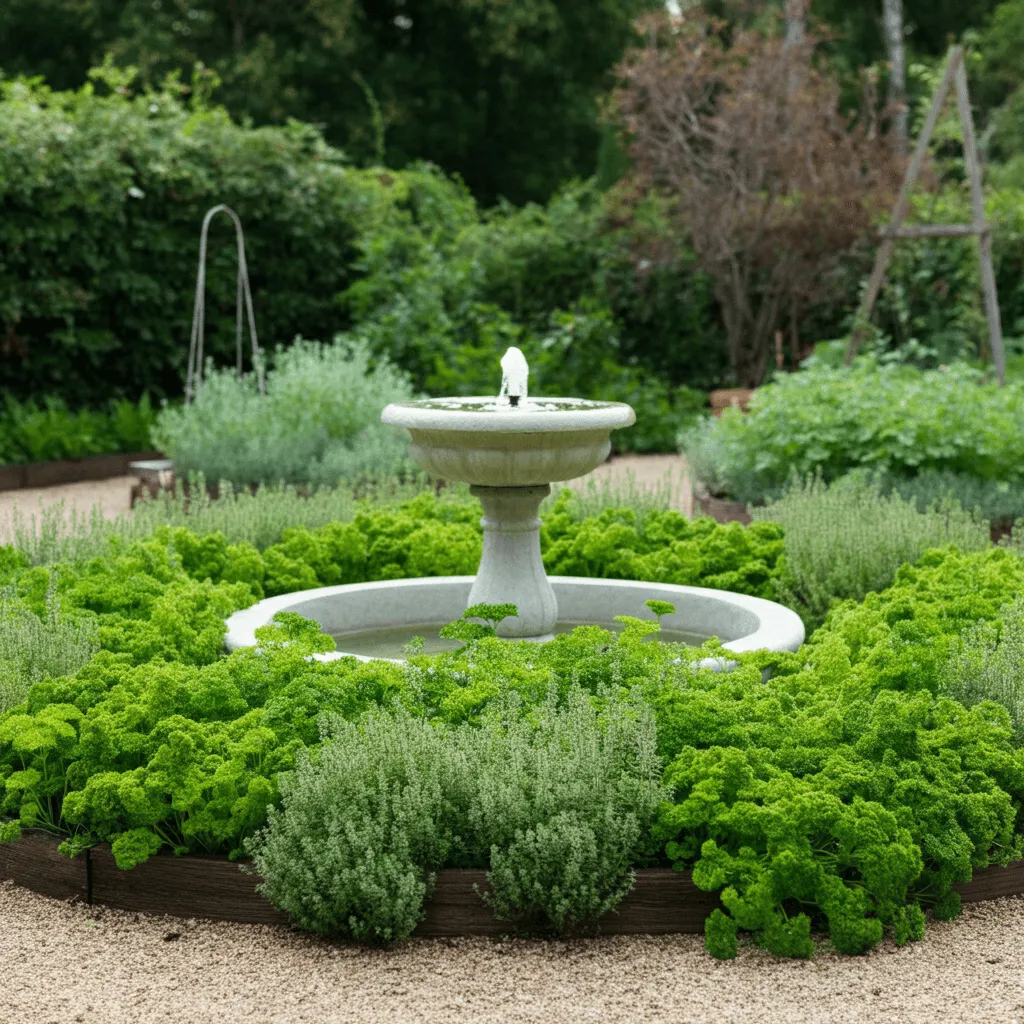
9. Integrate Water Features
A small fountain or pond can add serenity to your vegetable garden, making it a space to relax. Border the feature with thyme, parsley, or other low-growing herbs for a natural tie-in.
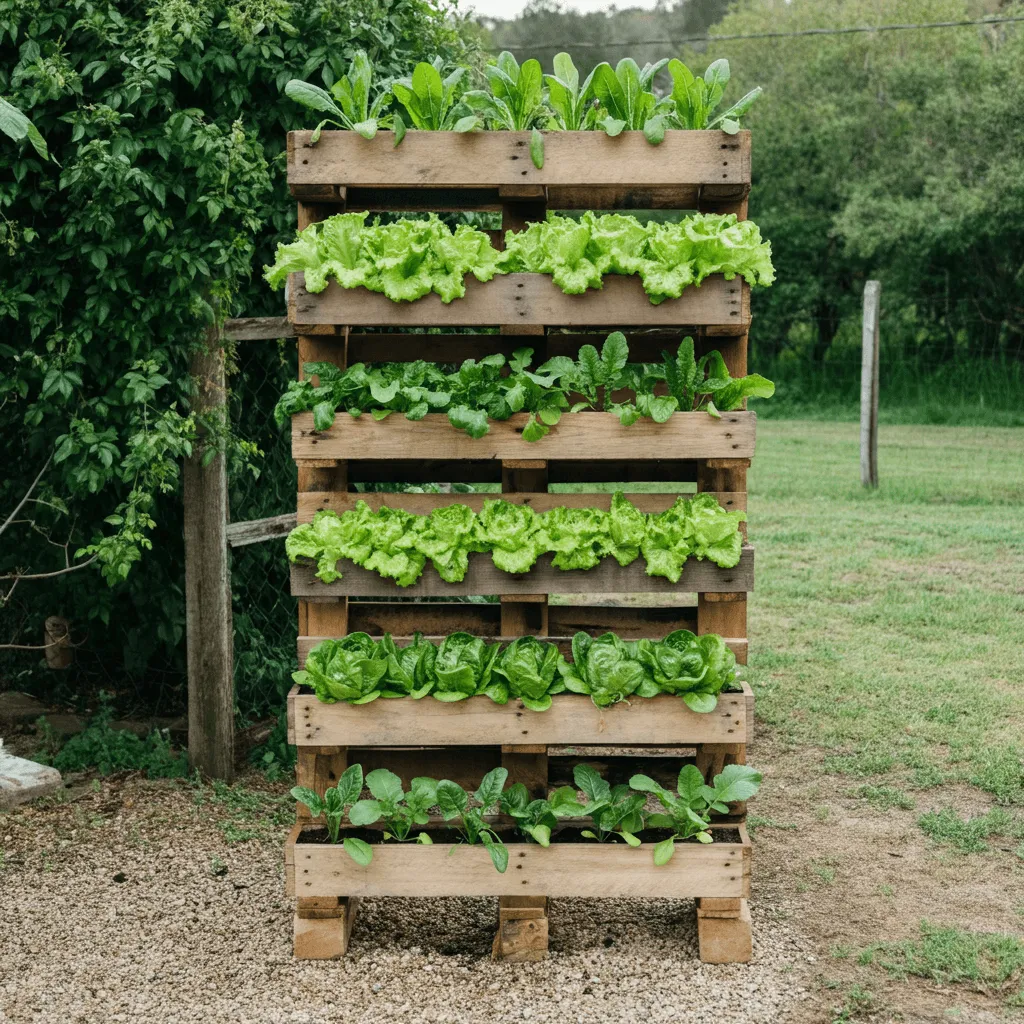
10. Make Use of Pallets
Turn discarded pallets into a vertical vegetable garden! Ideal for lettuce, spinach, or radishes, this design saves space while adding a rustic vibe to your backyard.
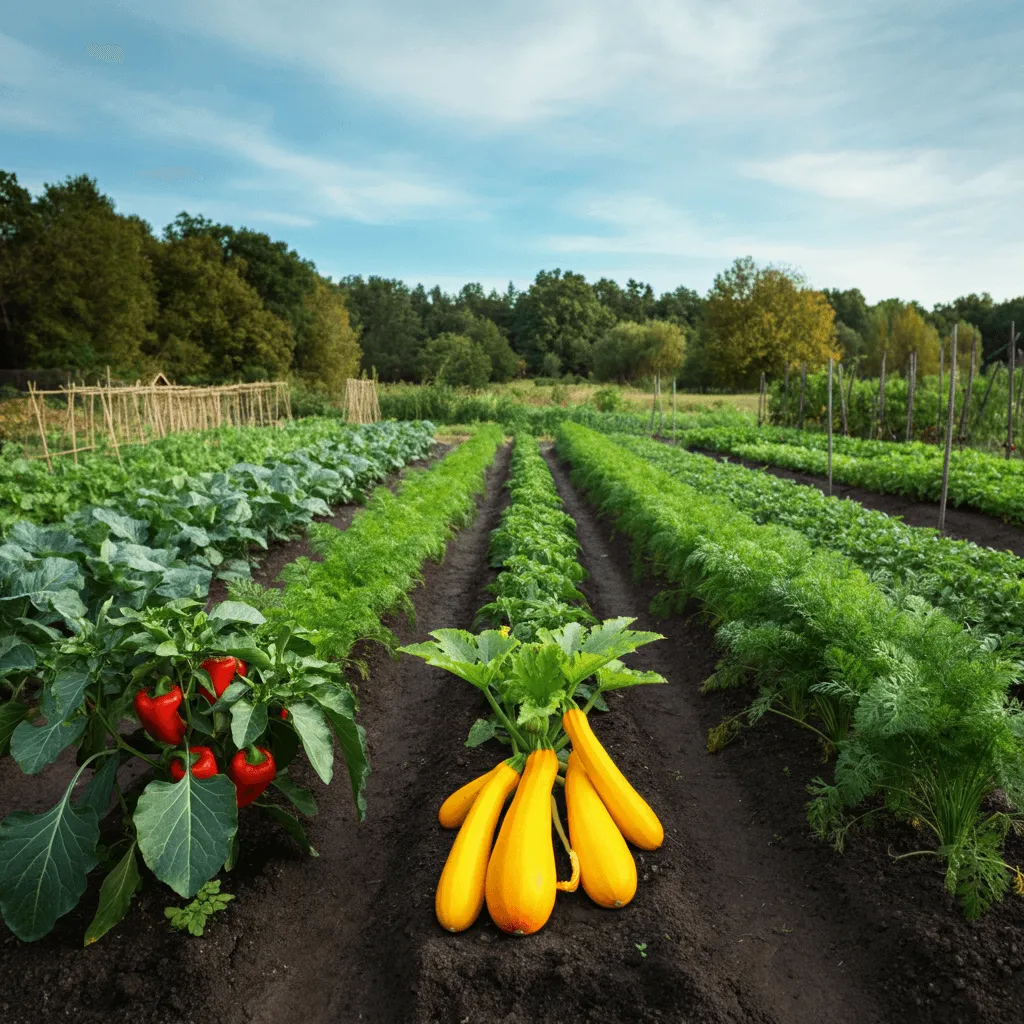
11. Color-coded Garden Rows
Want to emphasize the beauty of your vegetable garden? Plant crops of different colors in neatly organized rows. For instance, red bell peppers, yellow zucchini, and orange carrots can provide a vibrant spectacle.
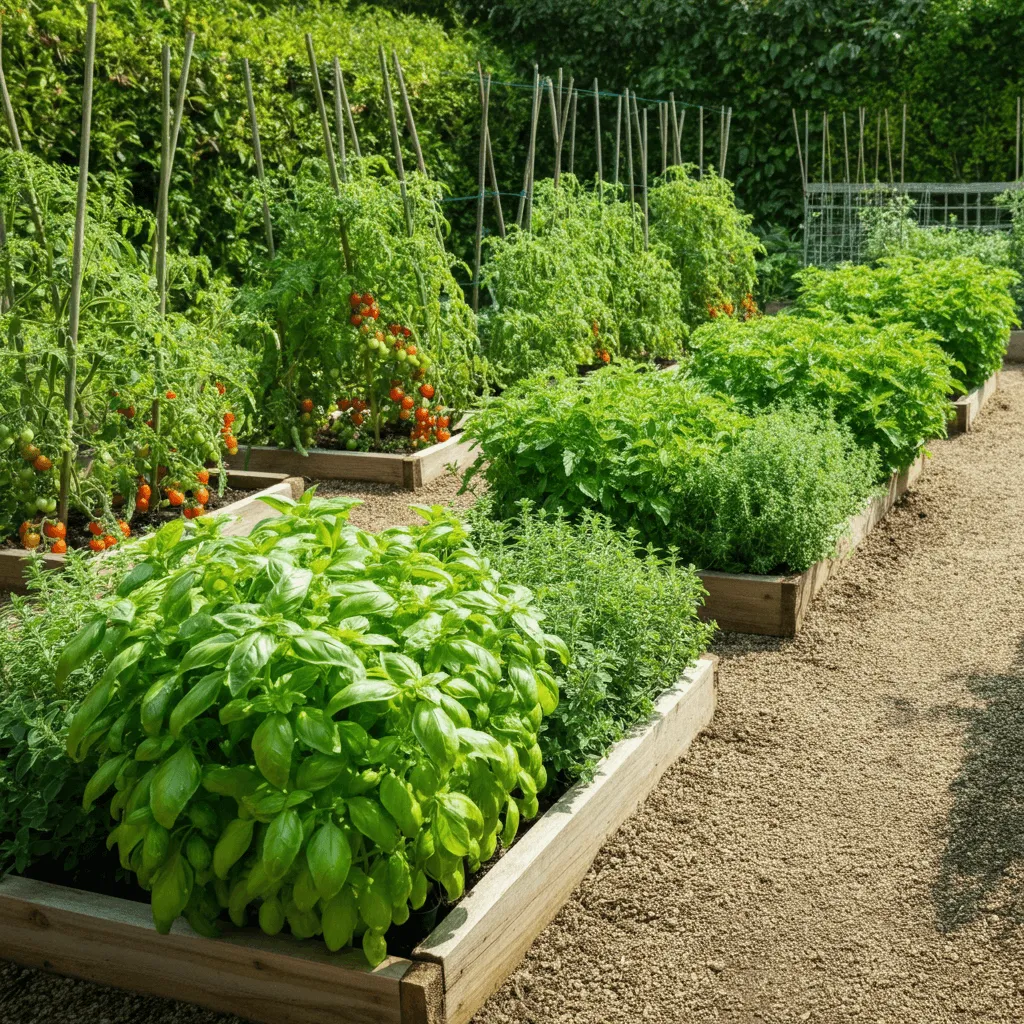
12. Themed Garden Sections
Design areas based on specific cuisines. A salsa garden section can include tomatoes, jalapeños, and cilantro, while an Italian section features basil, oregano, and cherry tomatoes.
13. Install Mirror Walls
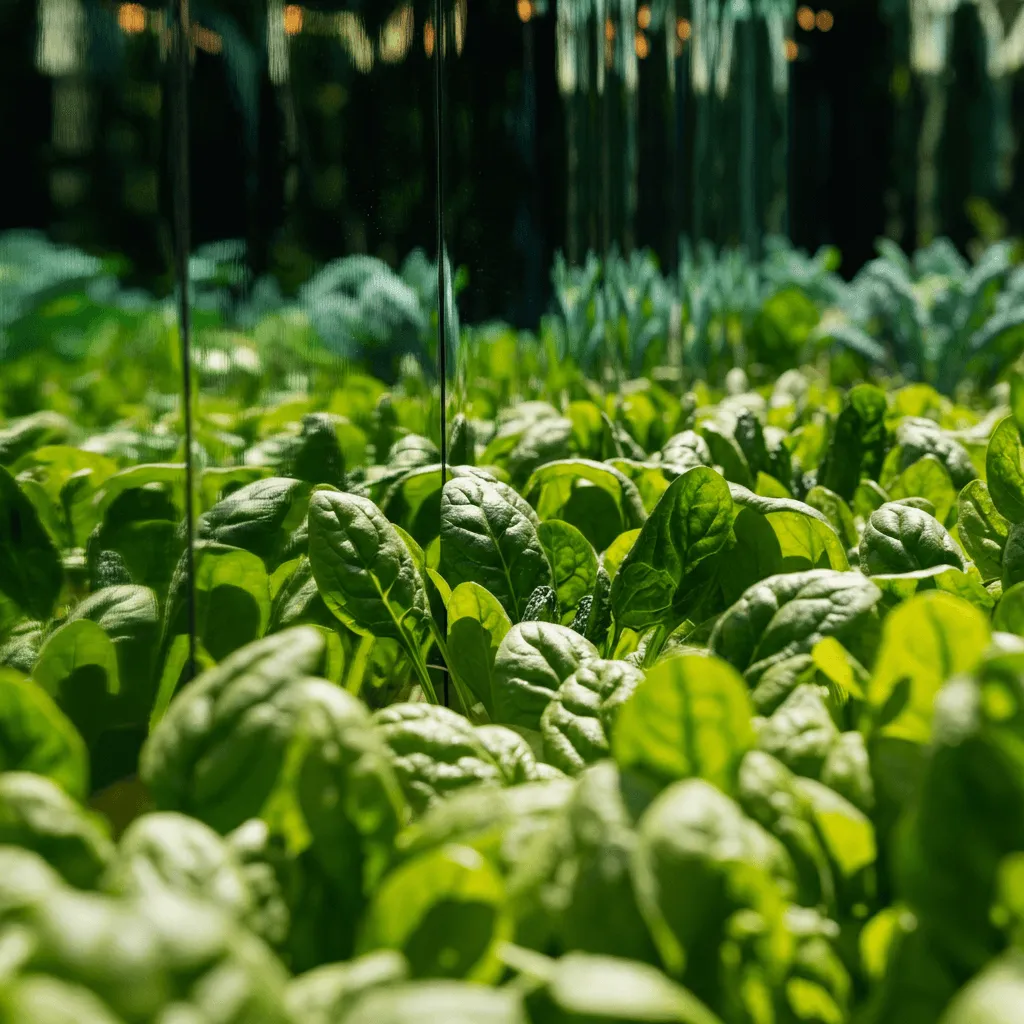
Reflective surfaces can make even smaller backyards appear larger. Plus, the shimmering light can create striking visual effects amongst leafy greens like spinach or kale.
14. DIY Veggie Art
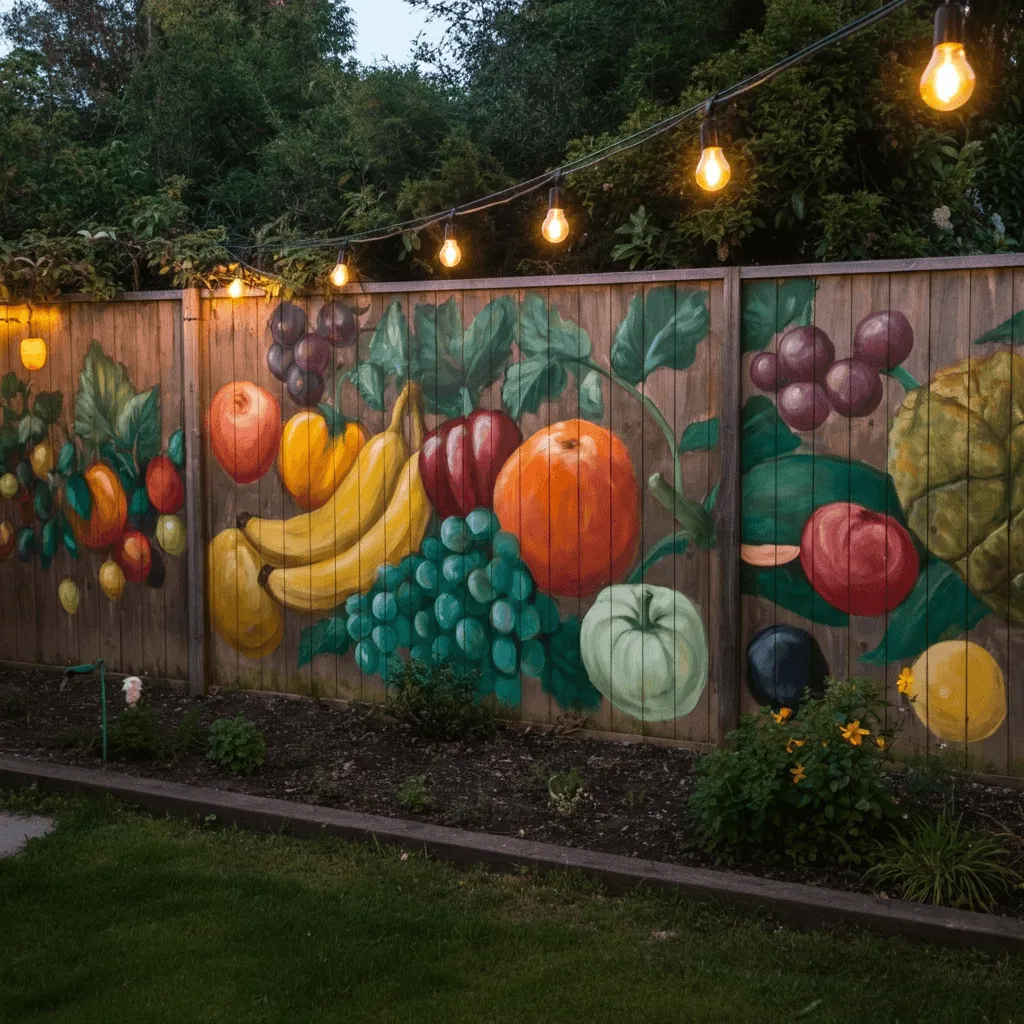
Paint a backdrop mural on a fence or wall behind your garden, depicting fruits and veggies. It adds personality and highlights your gardening space in a creative way.
15. A Cozy Seating Corner
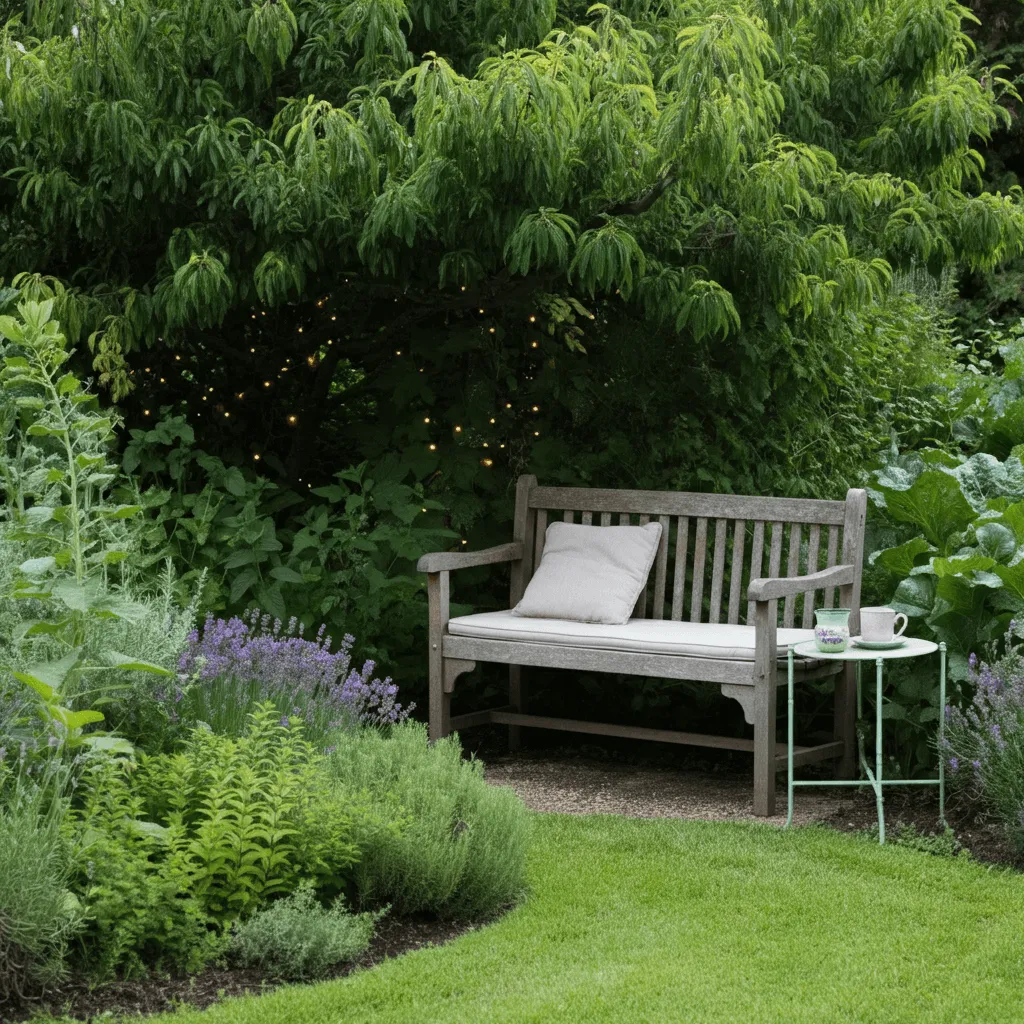
Frame your garden with a cozy seating area surrounded by fragrant herbs like lavender and mint. This provides a space for relaxation that doubles as a delightful backyard feature.
FAQ
Q1. Can vegetables be grown in decorative gardens year-round?
Yes, in many climates, vegetables like kale, spinach, and certain herbs grow well year-round. Using cold frames or greenhouses can extend growing seasons.
Q2. What vegetables are best for container gardening?
Cherry tomatoes, peppers, leafy greens, and herbs like parsley or cilantro are ideal for containers.
Q3. How do I keep my decorative vegetable garden pest-free?
Plant pest-repelling companions such as marigolds and nasturtiums. Additionally, use natural deterrents like neem oil or introduce beneficial insects like ladybugs.
By combining practicality and aesthetics, a vegetable garden can contribute to both your meals and your backyard’s beauty. Why settle for ordinary when your backyard can be extraordinary?
