21 Beautiful Cold Frame Gardening Ideas to Try This Season
Gardening is part science, part artistry, and entirely rewarding. For those looking to extend their growing season or protect delicate plants, cold frames are an ingenious solution. Whether you’re an avid green thumb or just warming up to gardening, this guide will provide inspiring cold frame ideas that balance functionality with visual charm.
From repurposed windows to sleek, modern designs, cold frames are more than a tool—they’re a statement in your garden. Keep reading to discover creative ways to build or choose your perfect frame this season.
What Is a Cold Frame, and Why Do You Need One?
A cold frame is like your plants’ winter coat; it’s a transparent, enclosed structure designed to trap heat and protect your plants from the cold. Whether you’re starting seedlings or growing leafy greens into the winter months, a cold frame can make all the difference.
Beyond functionality, cold frames offer a manageable way to try seasonal gardening without committing to a full greenhouse. They’re compact, cost-effective, and beginner-friendly, giving you more control over your garden despite unpredictable weather.
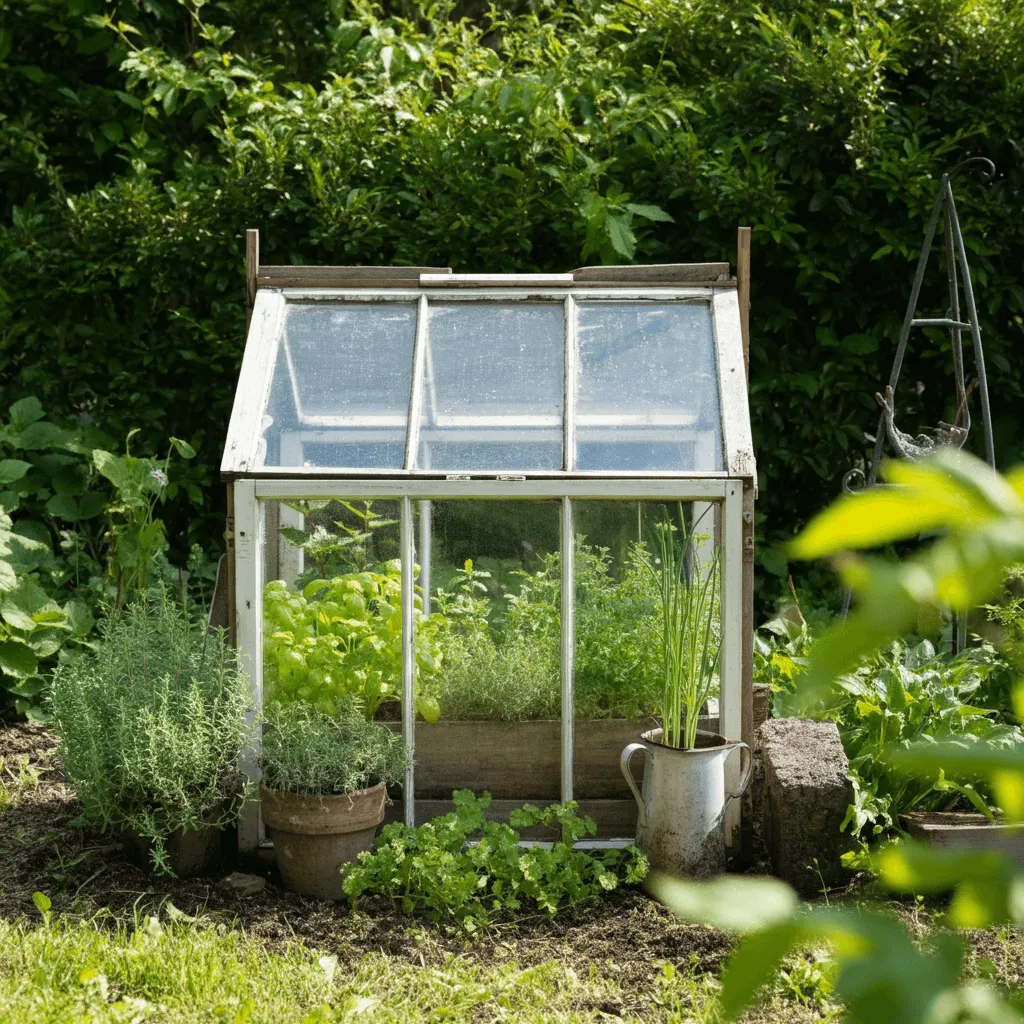
1. Repurposed Window Cold Frames
One person’s trash is another gardener’s treasure. Repurposed windows are a popular, eco-friendly choice for building cold frames. Simply hinge an old window to a wooden base, and voila, a chic, upcycled cold frame. These add a rustic appeal to your garden while significantly cutting costs.
Pro Tip: Ensure the window glass allows enough light while minimizing UV exposure to prevent overheating your plants.
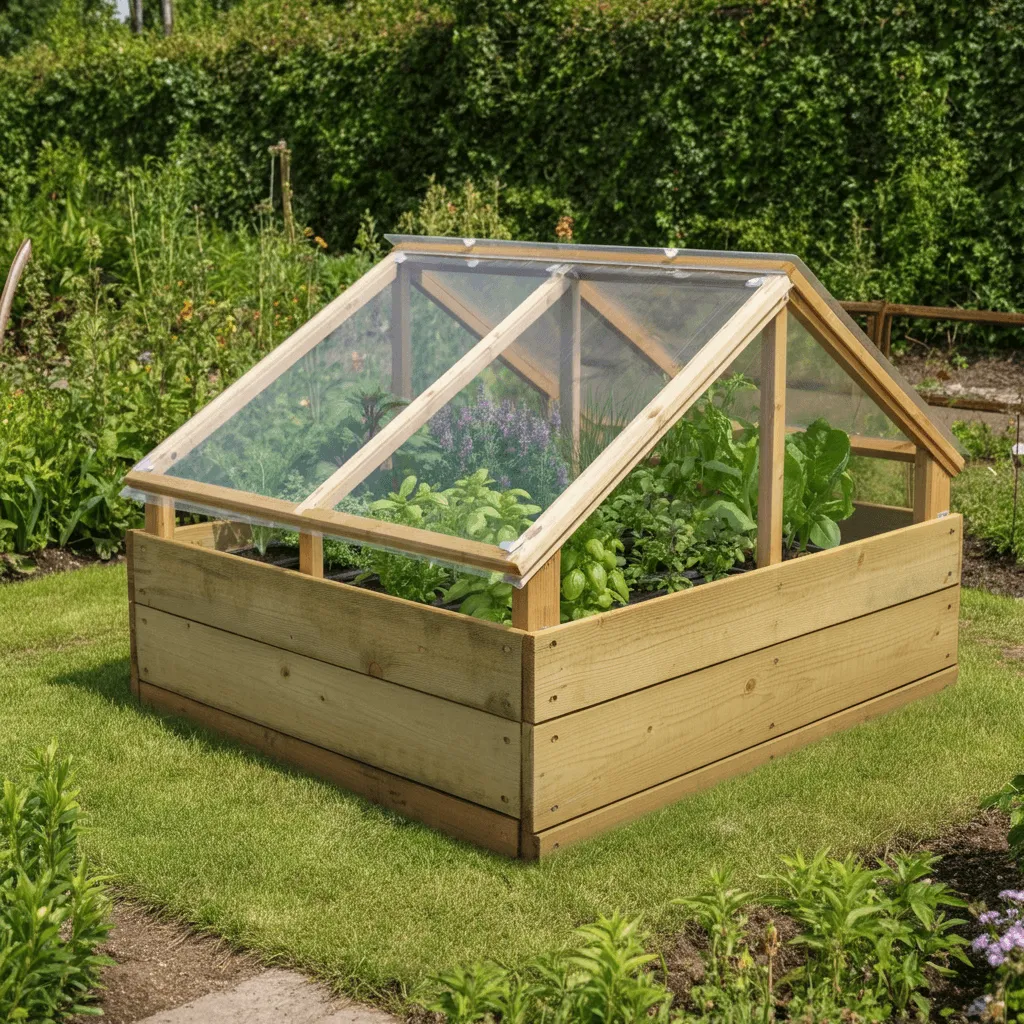
2. Simple Wooden Cold Frames
Sometimes, simple is best. Using untreated wooden planks to construct a sturdy base makes for a durable and customizable cold frame. Combining this with a clear plastic or plexiglass lid keeps the frame functional and visually clean.
Case in Point: A small herb garden thrives beautifully in these minimalistic cold frames, showing that even basic designs yield maximum harvests.
3. A-Frame Cold Frames for Maximum Light
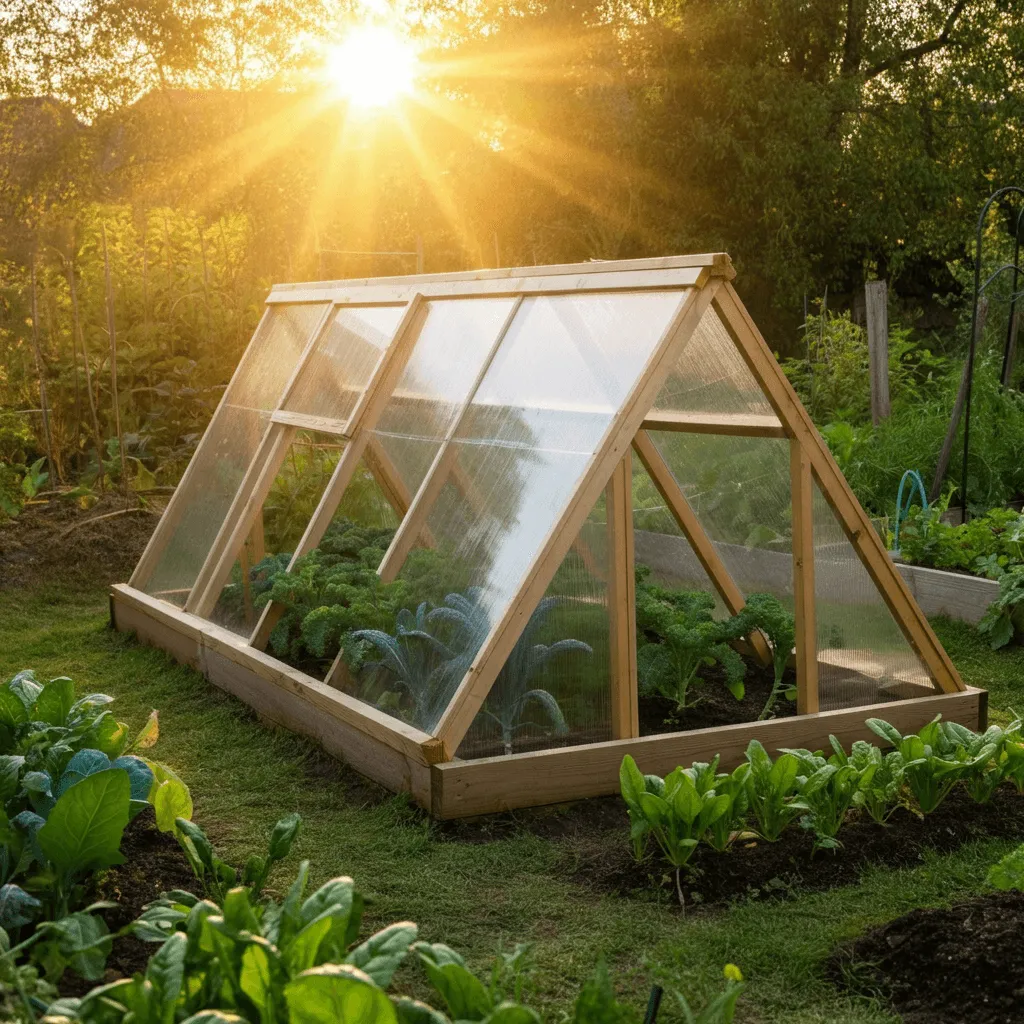
Designed like a mini greenhouse, A-frame cold frames are perfect for sun-loving plants. Their angled design maximizes sunlight during shorter winter days, creating a warm interior without breaking the bank.
Whether placed over flower beds or vegetable rows, A-frames provide excellent coverage for kale, spinach, or even strawberries.
4. Portable PVC Pipe Cold Frames
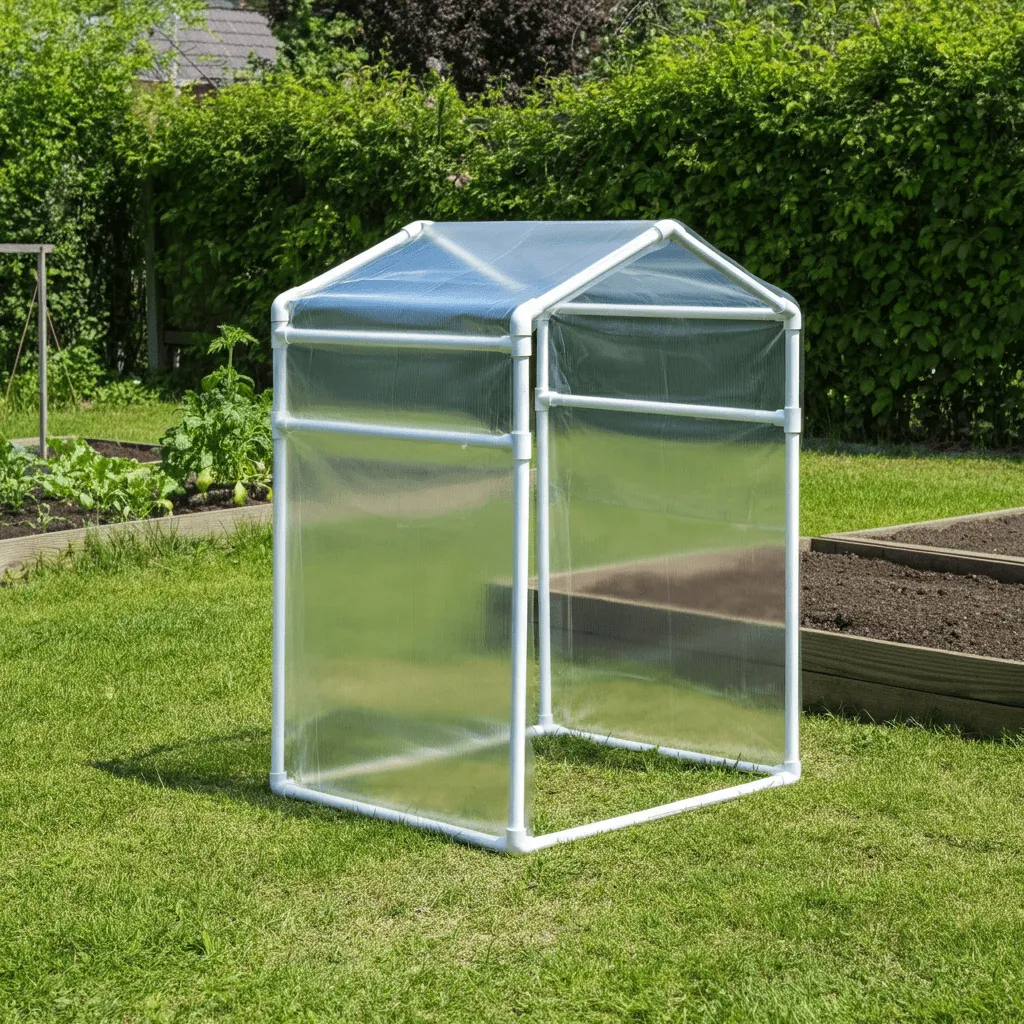
Need something that you can move around? Enter portable PVC pipe cold frames. They’re lightweight, cost-effective, and easy to assemble or disassemble.
These frames work perfectly for gardeners renting spaces or experimenting with placements within their gardens. Add some clear plastic coverings, and you’re good to go!
5. Raised Bed Cold Frames
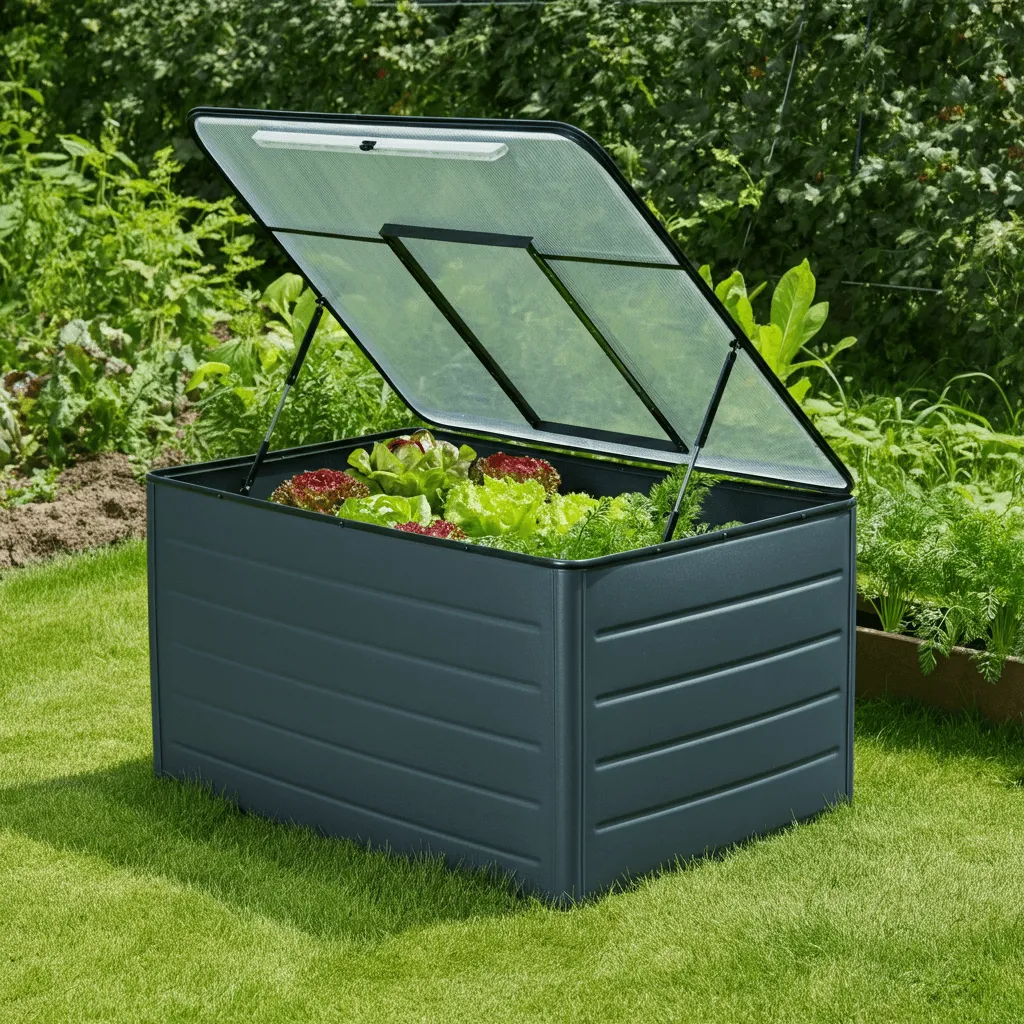
If you already have raised beds, you’re halfway there. Simply add a hinged plastic or glass top to convert your raised bed into a cold frame.
This method streamlines your gardening process, as plants grow in already prepared soil while benefiting from added protection. It’s especially handy for carrot and lettuce enthusiasts.
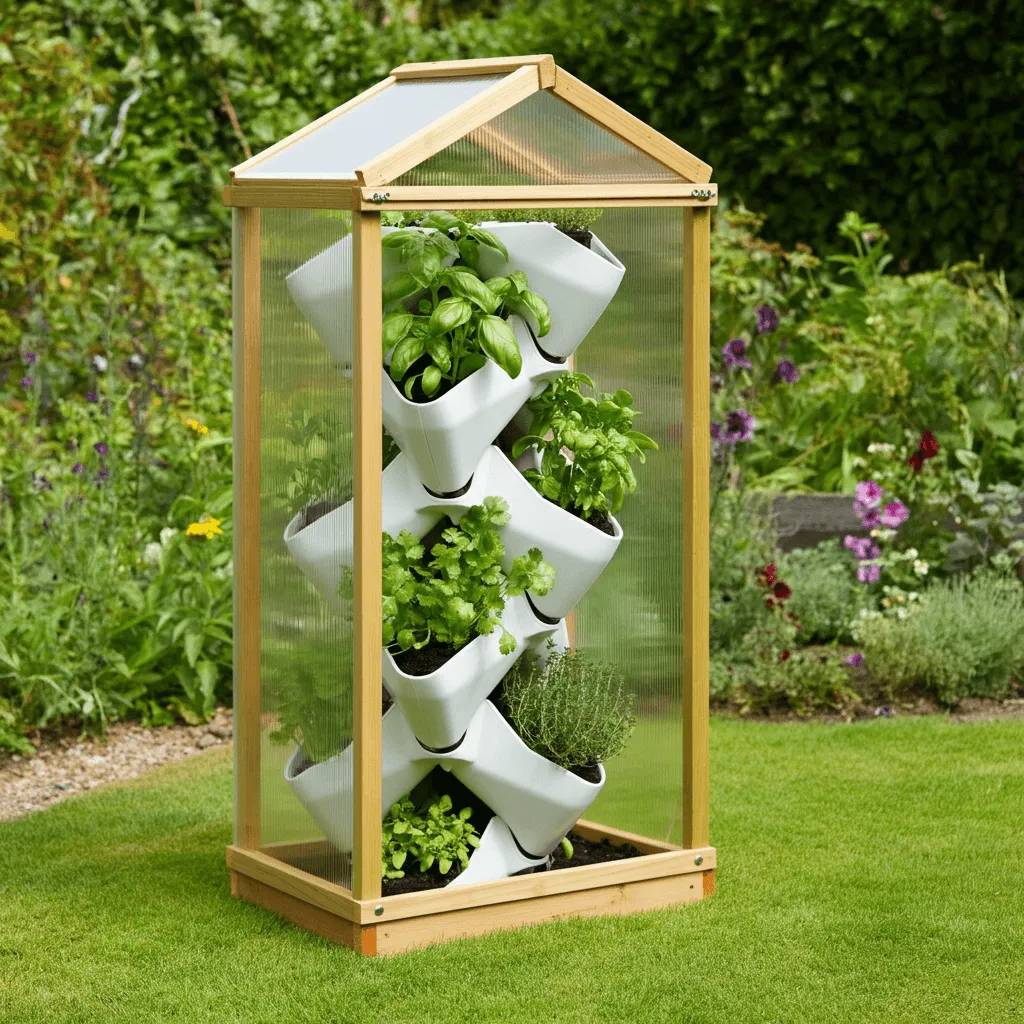
6. Tiered Cold Frames for Small Plants
Tiered designs allow you to grow many small plants, herbs, or flowers in a compact space. Think of it as a vertical garden for cold frames.
For instance, culinary herbs like basil, cilantro, and thyme thrive in tiered cold frames, giving you fresh flavors through colder months. Plus, their layered structure adds character to any garden.
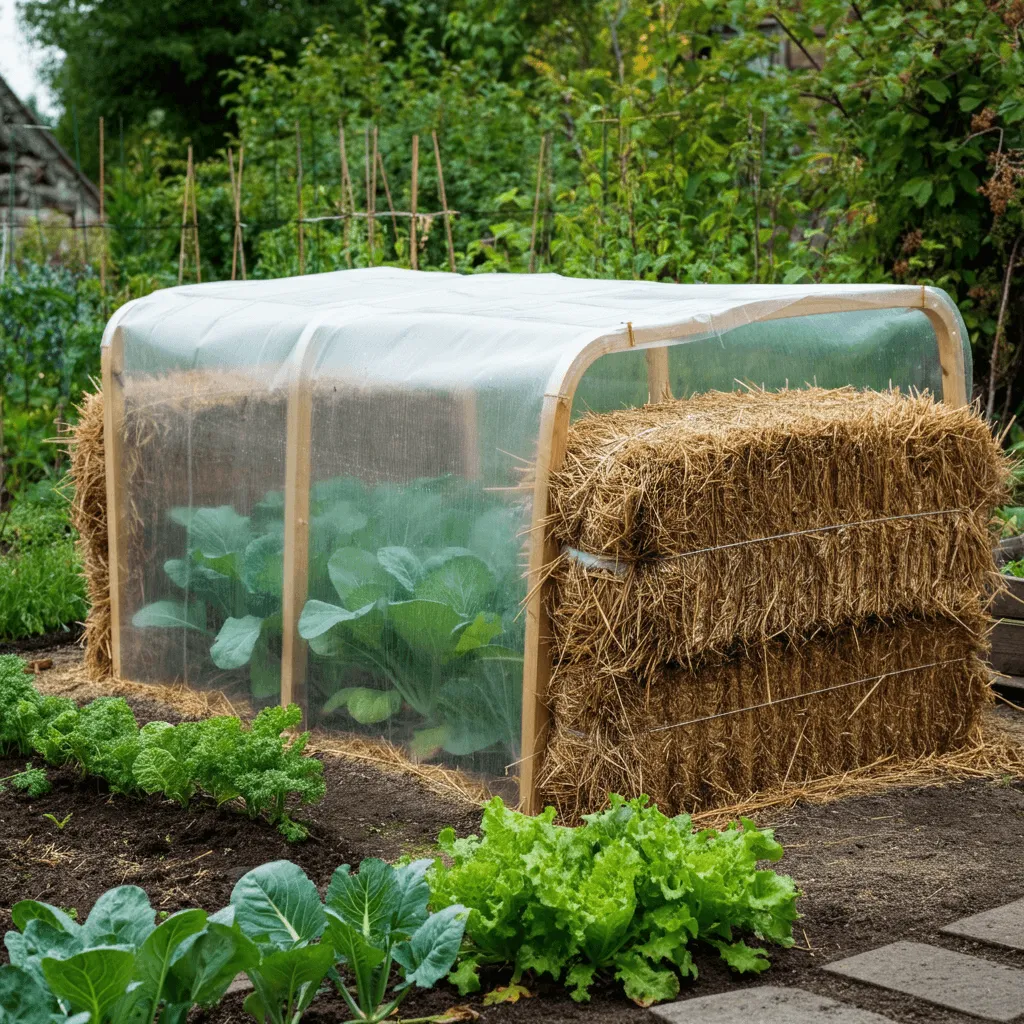
7. Straw Bale Cold Frames
Got leftover straw bales from fall decorations? Put them to great use as a makeshift cold frame base. Arrange the straw bales in a rectangular shape and top it with a glass or clear plastic panel.
This is an ideal temporary option and adds a natural touch to your landscape. Bonus? Straw naturally insulates warmth for your plants!
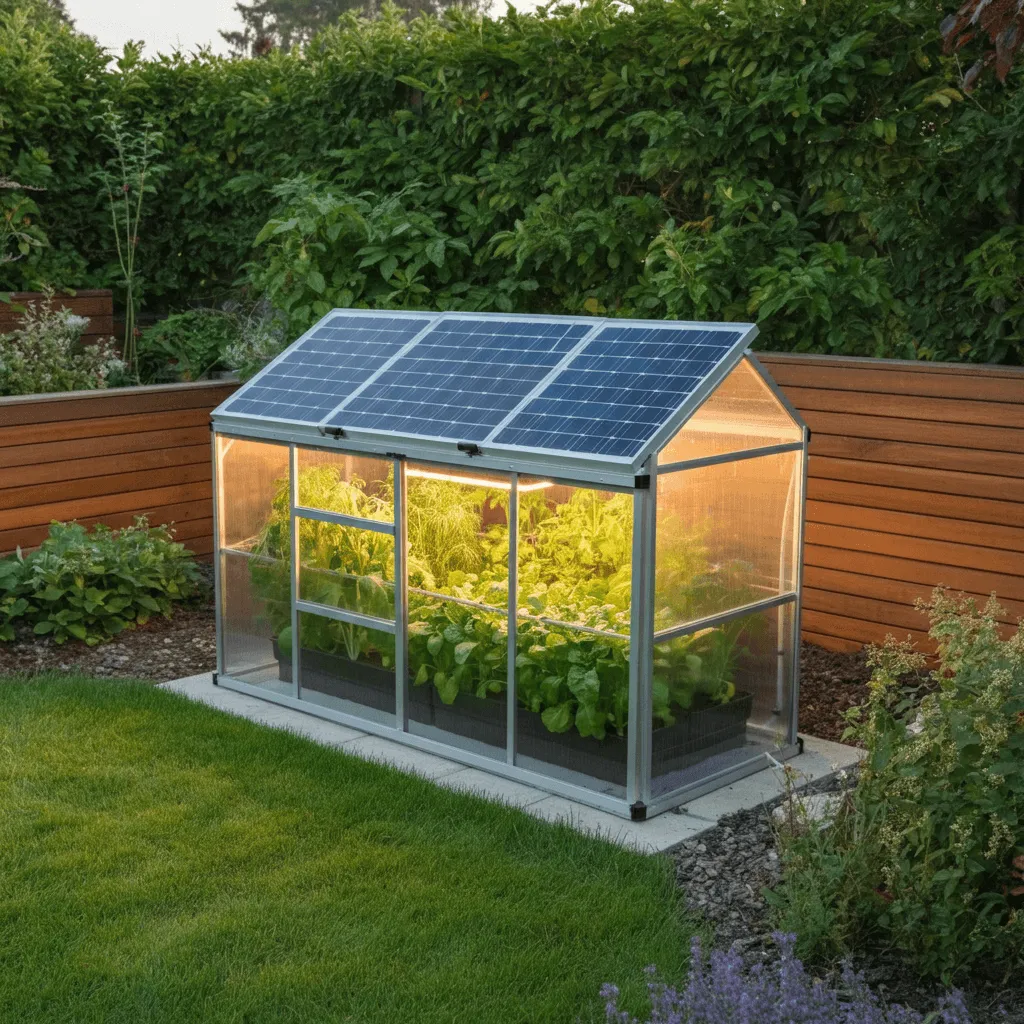
8. Solar-Powered Cold Frames
Take your gardening game up a notch with solar-powered cold frames. These come equipped with mechanisms to regulate interior temperature, ensuring optimal conditions for plant growth.
This high-tech option is great for experienced gardeners growing temperature-sensitive crops. While it involves a larger upfront investment, the results speak for themselves.
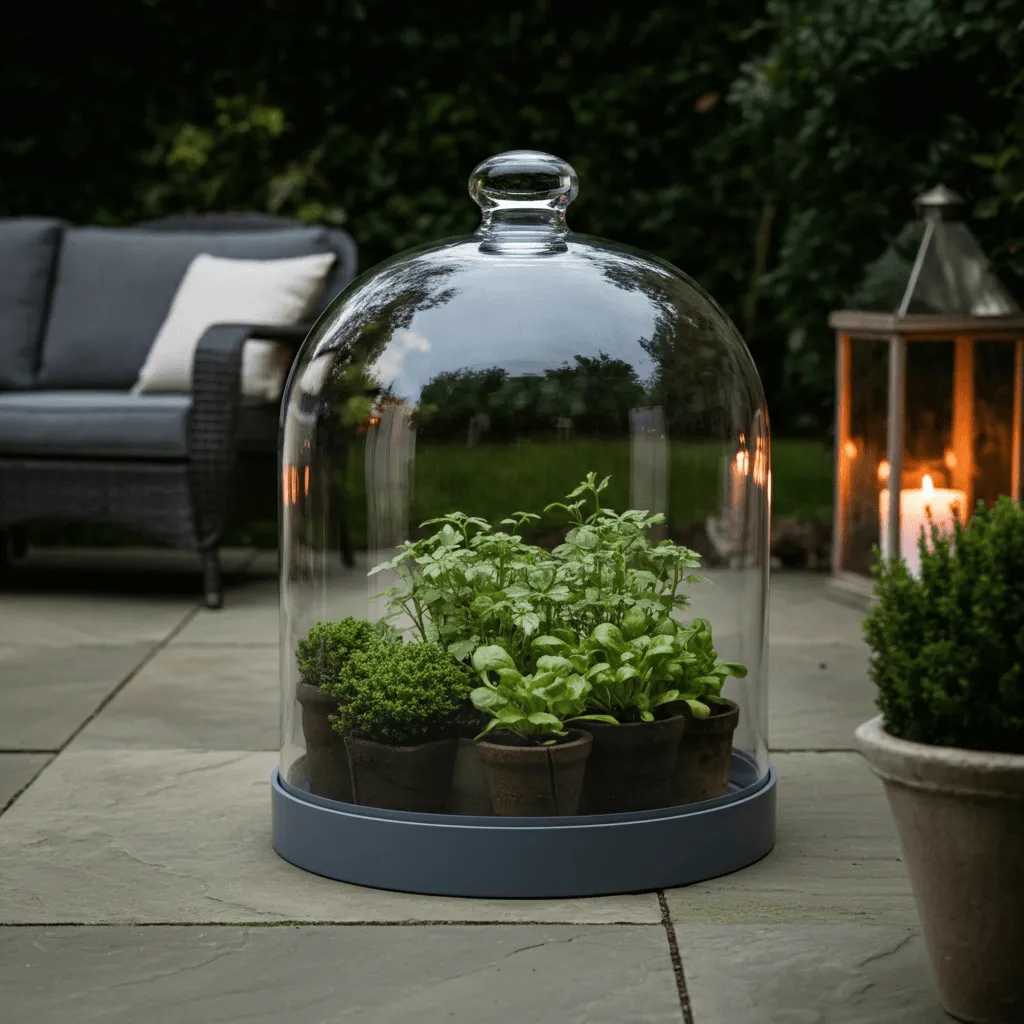
9. Glass Cloche-Style Frames
If aesthetics are as important as utility, cloche-style cold frames are your go-to. These typically involve a glass dome or arch over your plants, combining elegance with practicality.
Tip: Cloche cold frames work exceptionally well for stylish patios or urban gardens where space is limited but presentation matters.
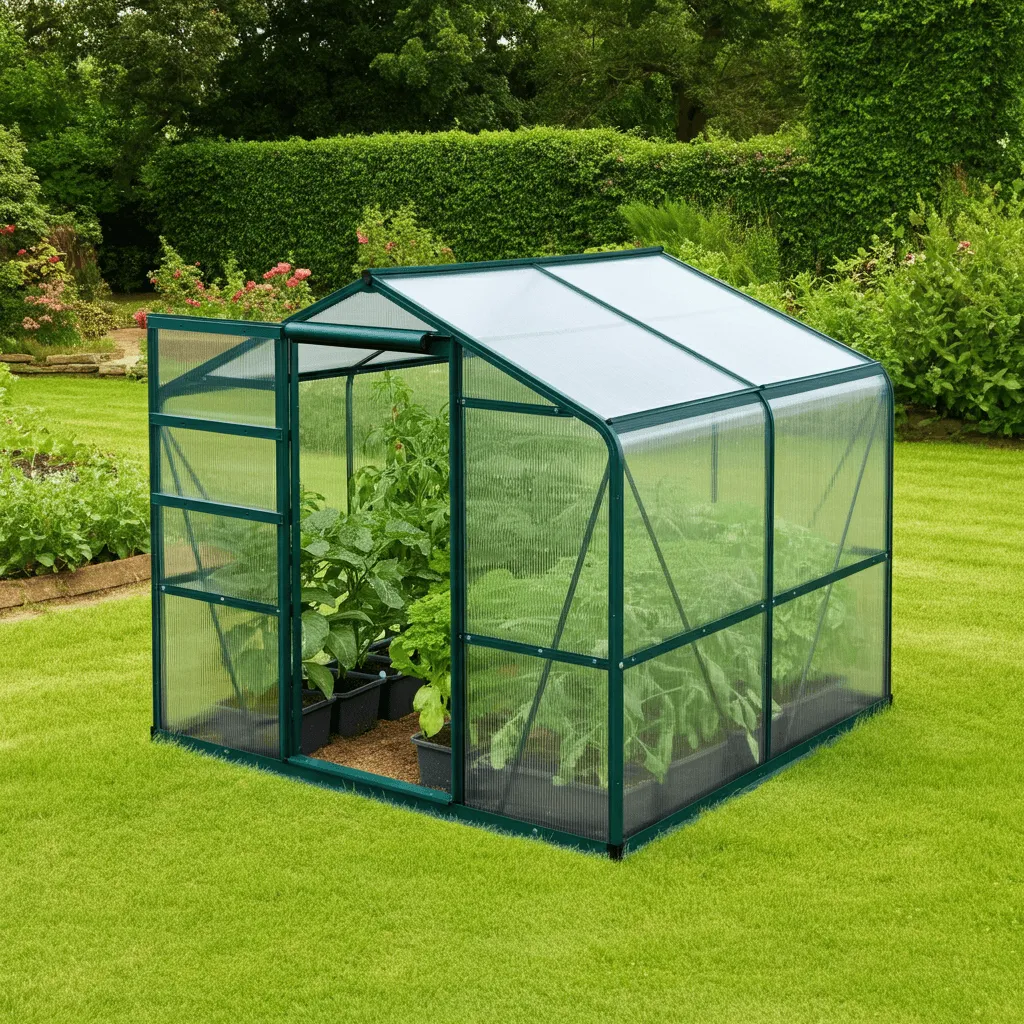
10. Polycarbonate Cold Frames
Polycarbonate panels are lightweight, durable, and UV-resistant—perfect for making your cold frame last several seasons. These are great for people in areas prone to hail or harsh conditions.
Their sleek finish pairs wonderfully with modern gardens, providing functionality with a high-end touch.
11. Upcycled Pallet Cold Frames
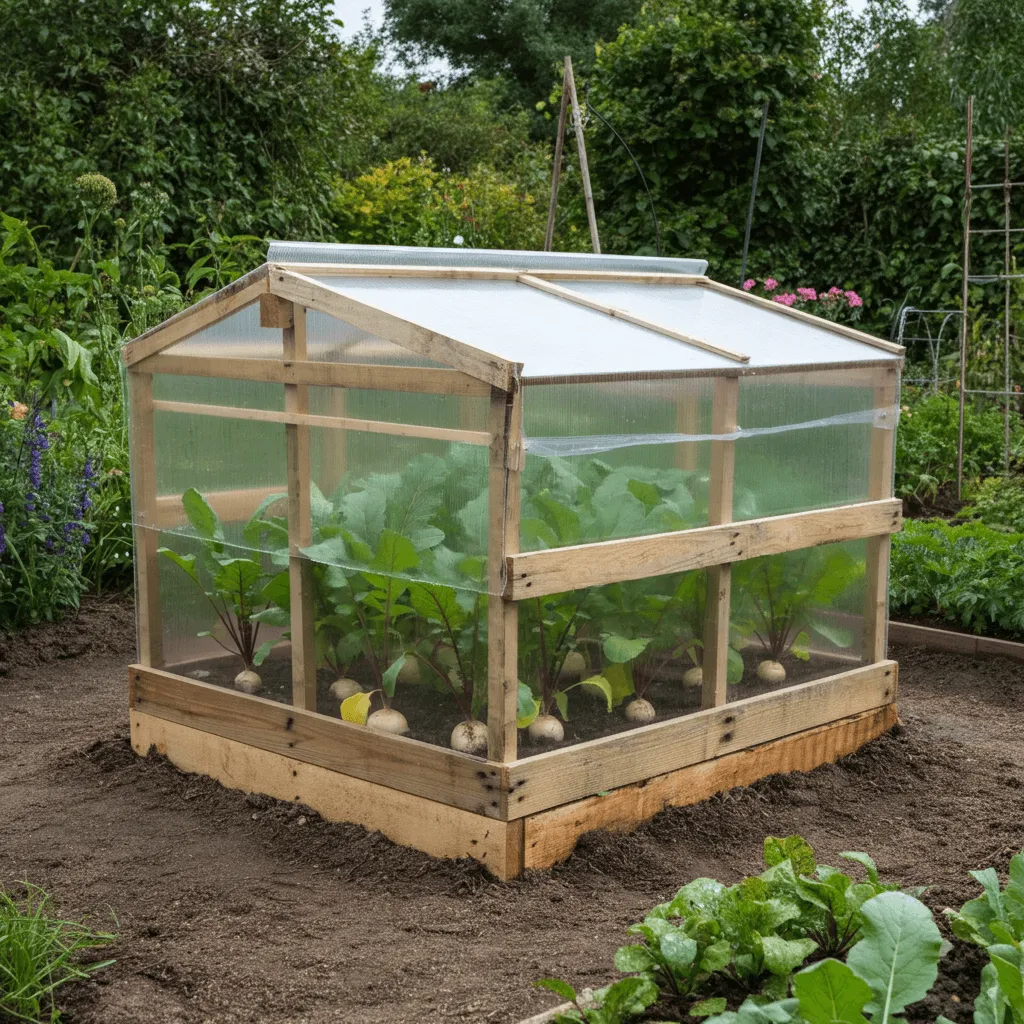
Recycling wooden pallets is sustainable and affordable. Pallets form a sturdy base when paired with plastic or glass toppers.
Used primarily for vegetables such as turnips and radishes, this eco-conscious idea proves that gardening doesn’t have to cost a fortune.
12. Cold Frames for Urban Gardens
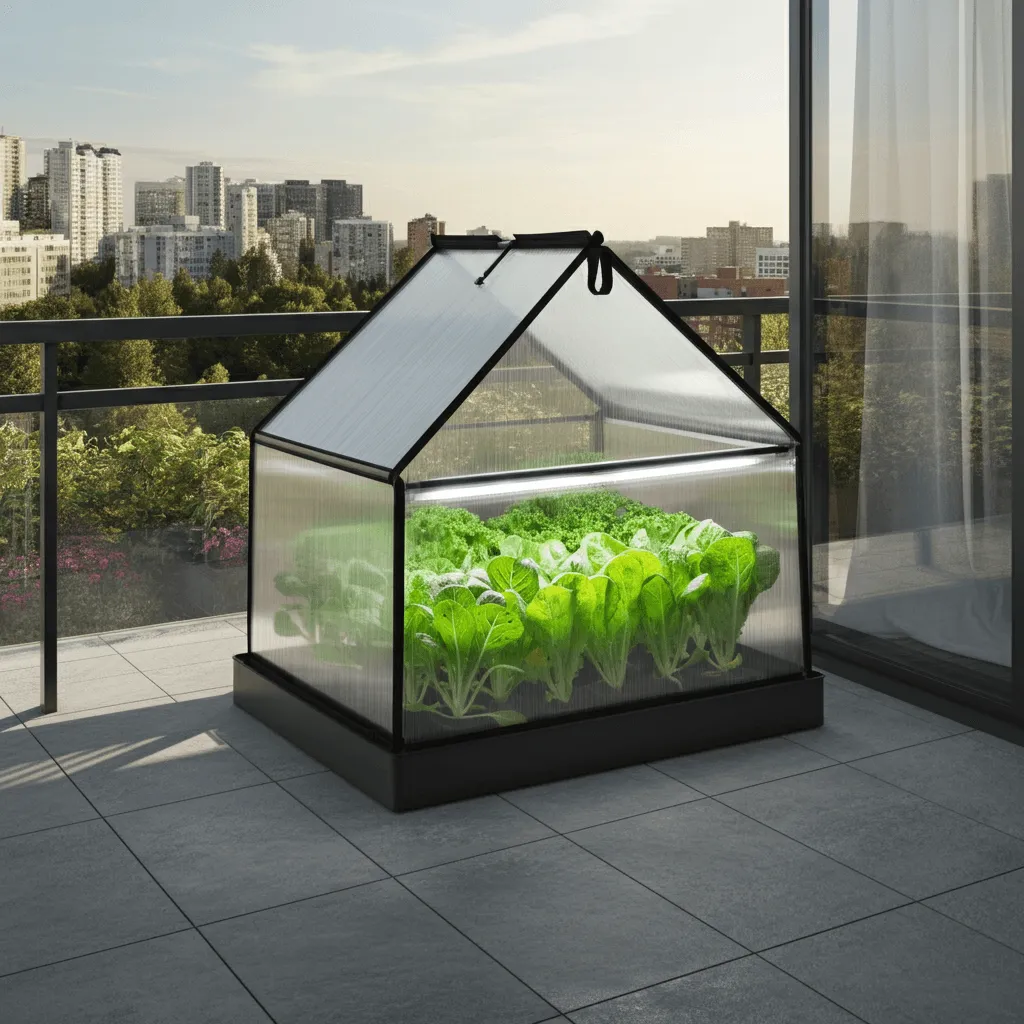
No yard? No problem! Compact cold frames designed for balconies or rooftops make urban gardening accessible. Designed with lightweight materials, these frames can be easily placed on small patios or windowsills.
13. Hinged Lid Cold Frames
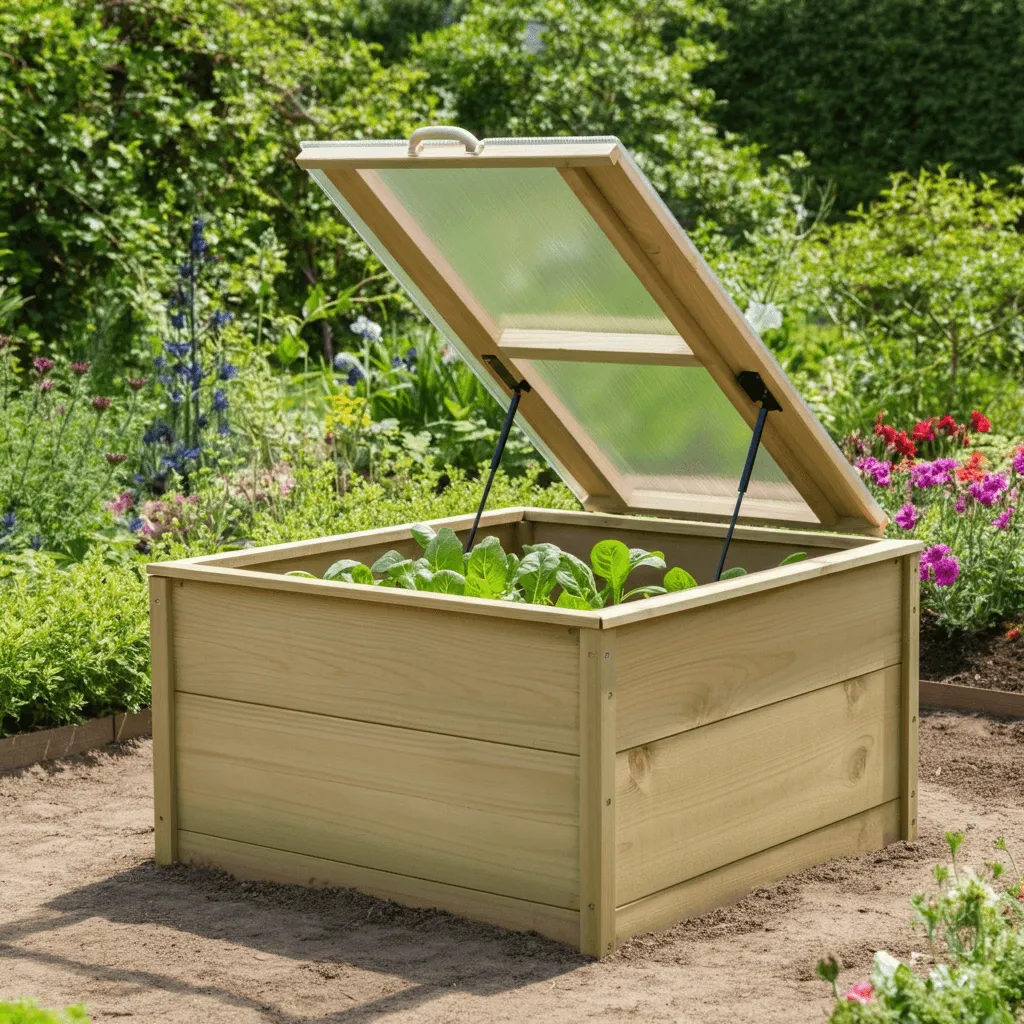
Hinged lids make accessing your plants a breeze. By simply lifting the lid, you can tend to your crops without hassle. Customize it with handles or automatic openers for added convenience.
14. Double-Walled Insulated Cold Frames
Double-walled cold frames trap heat far more effectively, making them ideal for snowy regions. By layering materials like plexiglass, you safeguard your plants from frost damage.
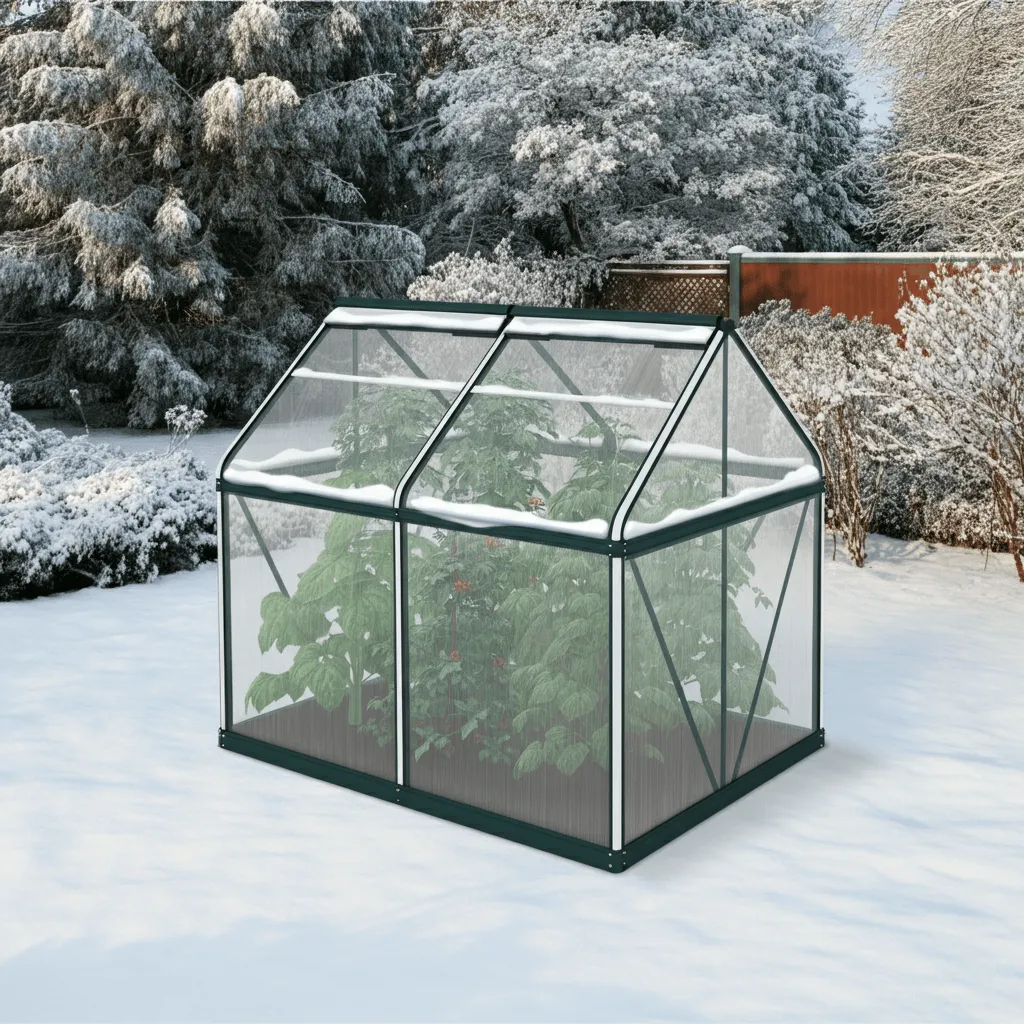
15. Large Cold Frames for Family Gardens
If you’re growing vegetables to feed a family, go big or go home! Large cold frames cover entire garden rows, ensuring a substantial harvest—perfect for root vegetables like potatoes or onions.
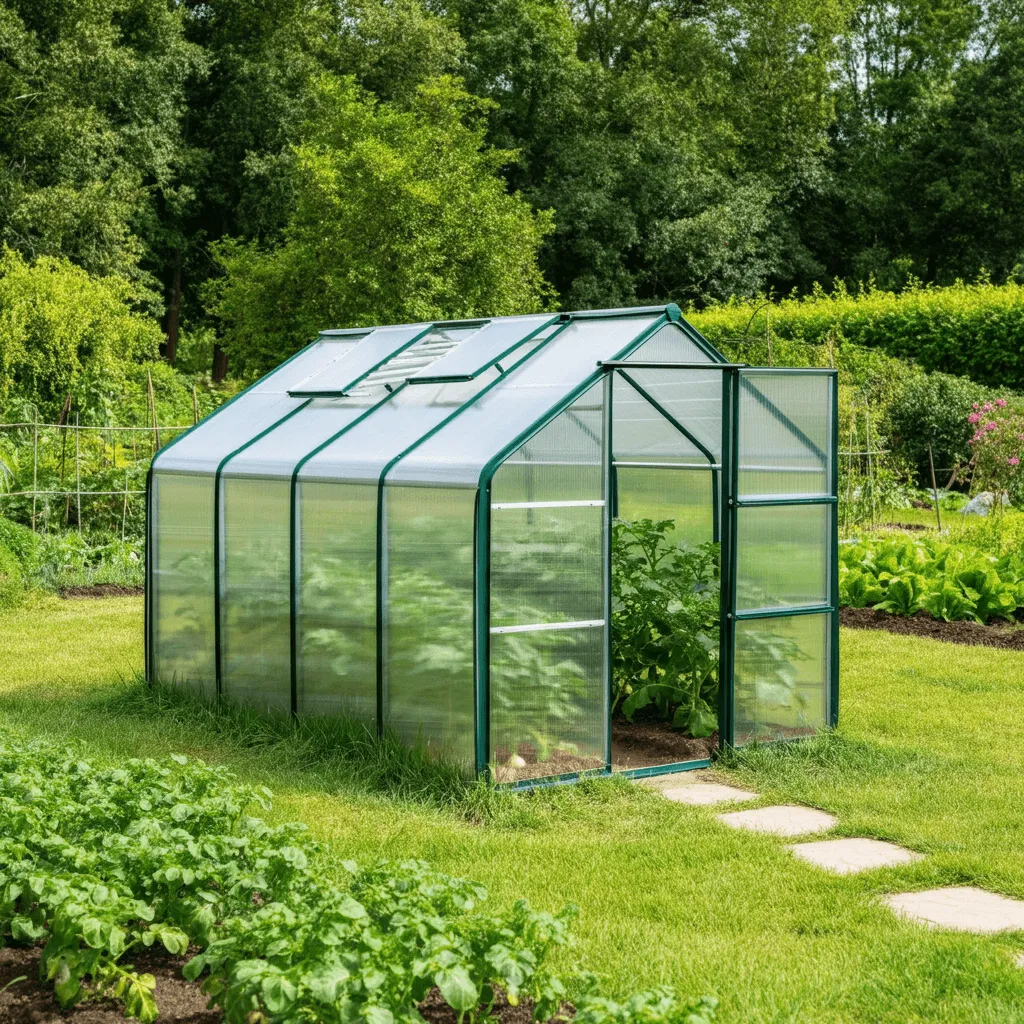
16. Old Shower Door Cold Frames
Repurpose an old shower door into a unique cold frame lid. Along with being cost-effective, its sleek look makes it a conversation starter among gardening enthusiasts.
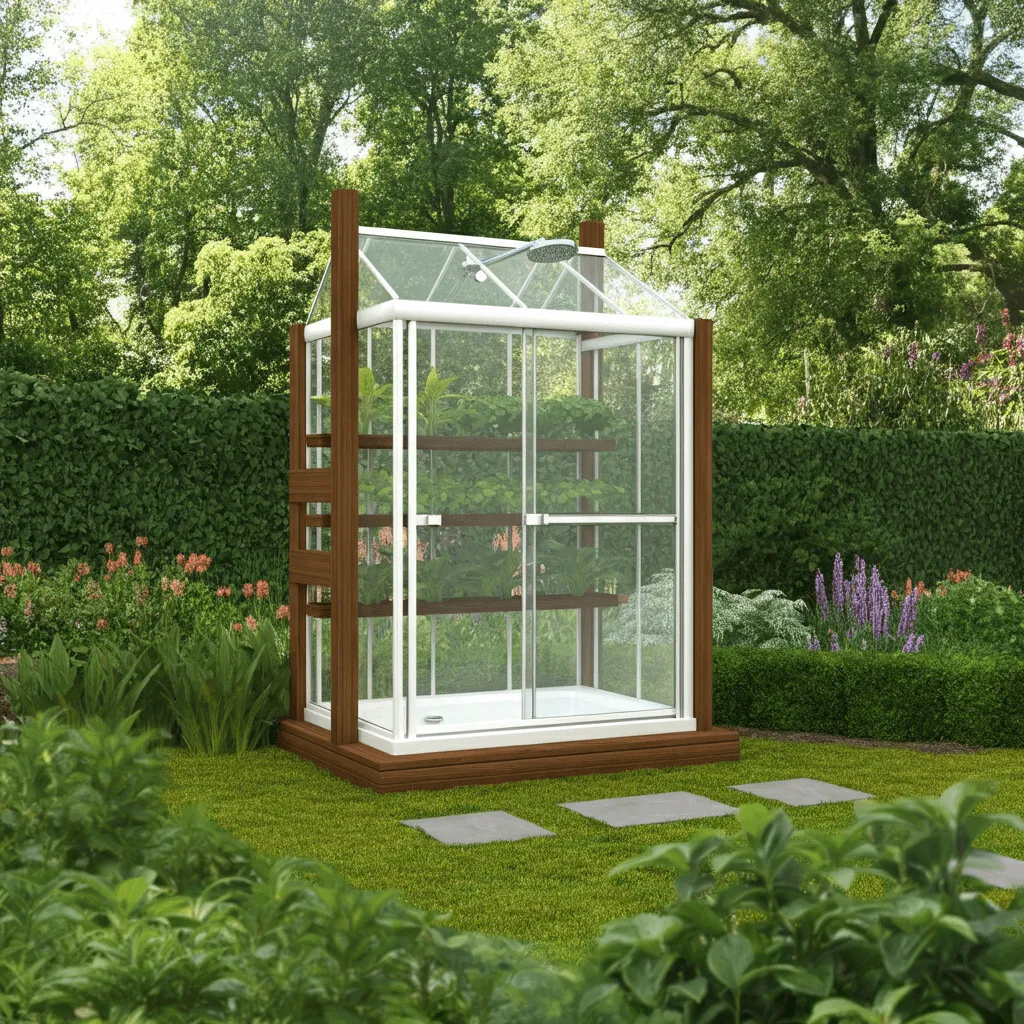
17. DIY Cold Frames Using Recycled Materials
From wood scraps to salvaged acrylic sheets, creating DIY cold frames using recycled materials is both rewarding and eco-friendly.
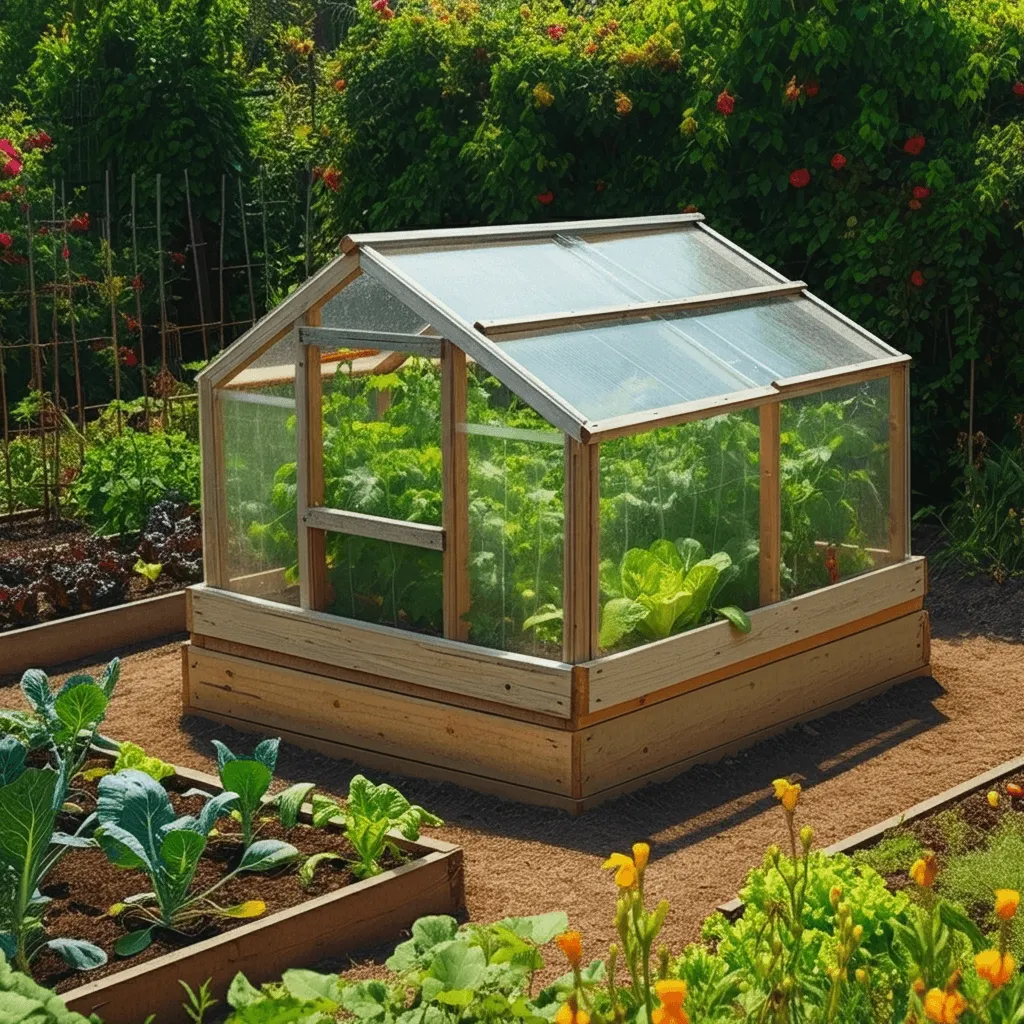
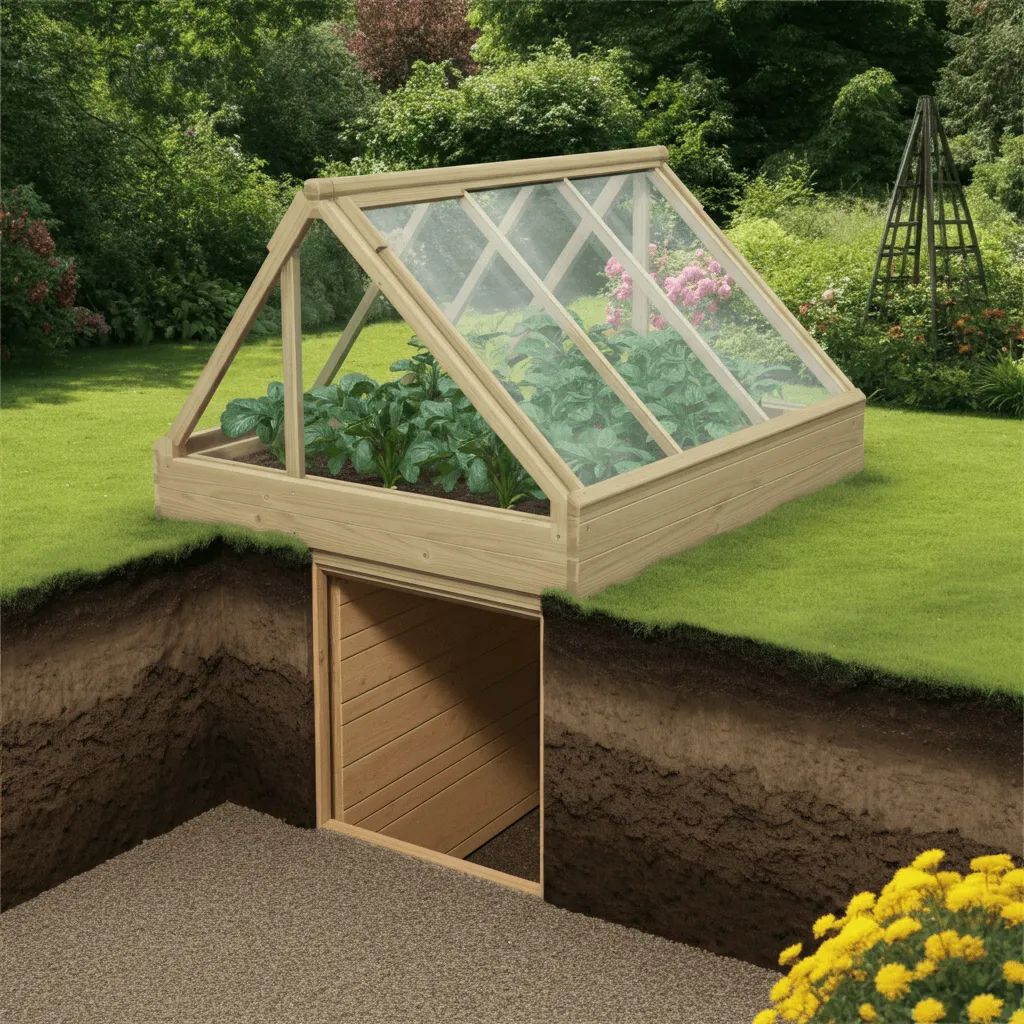
18. Cold Frame Root Cellars
Want to grow AND store? Place cold frames over shallow root cellars to grow above ground while insulating your harvest below.
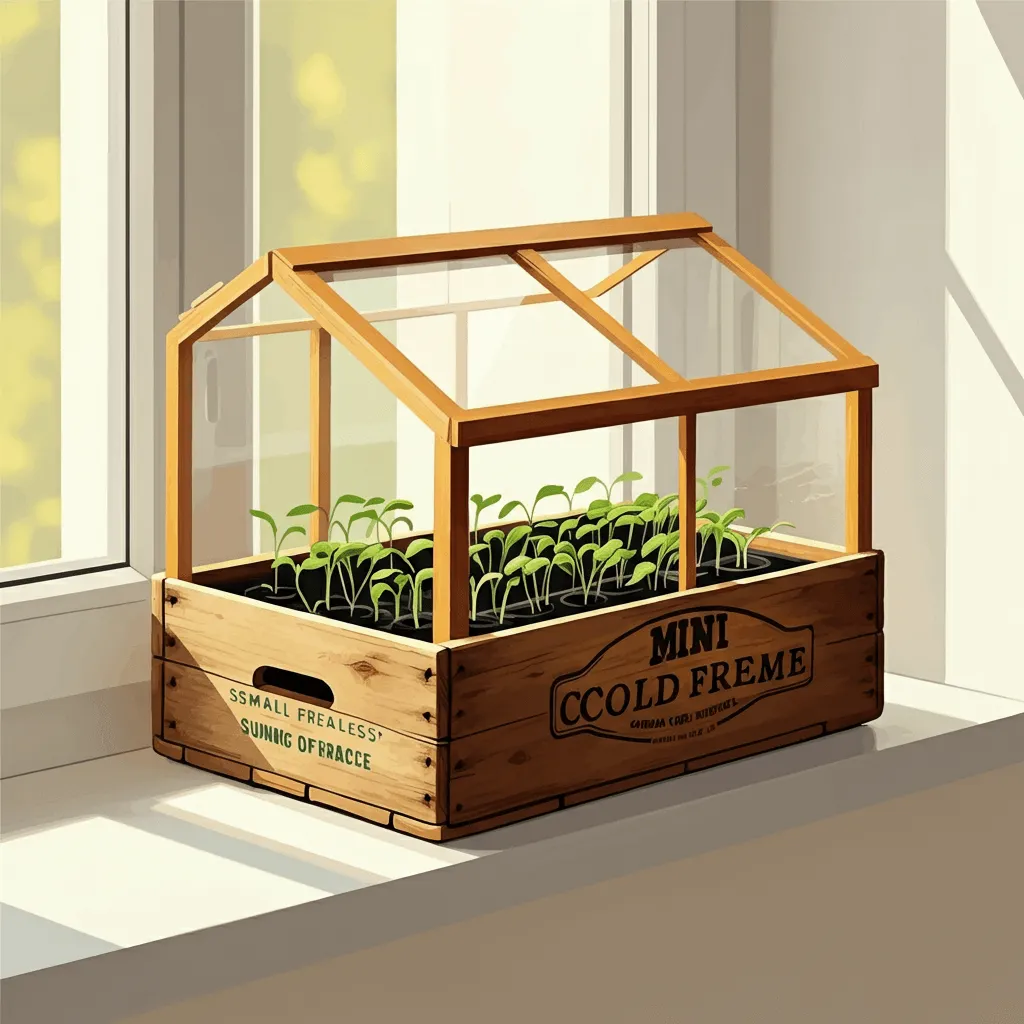
19. Mini Cold Frames for Seedlings
Mini cold frames, often made from old wooden crates, are ideal for starting seeds. They fit well on windowsills or countertops for smaller-scale gardeners.
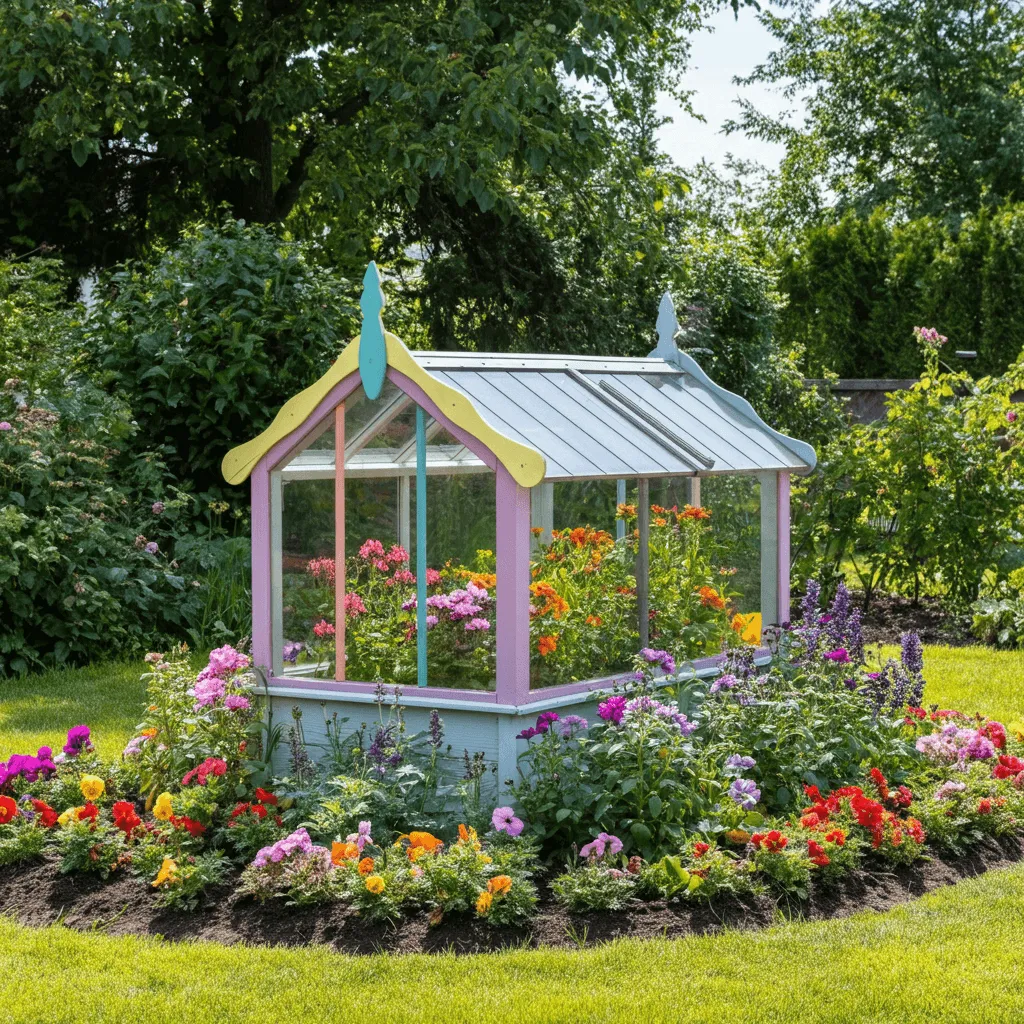
20. Decorative Cold Frames for Flower Beds
Design your cold frame with style in mind—add colors, trims, or unique roofing materials to integrate them seamlessly with your garden aesthetics.
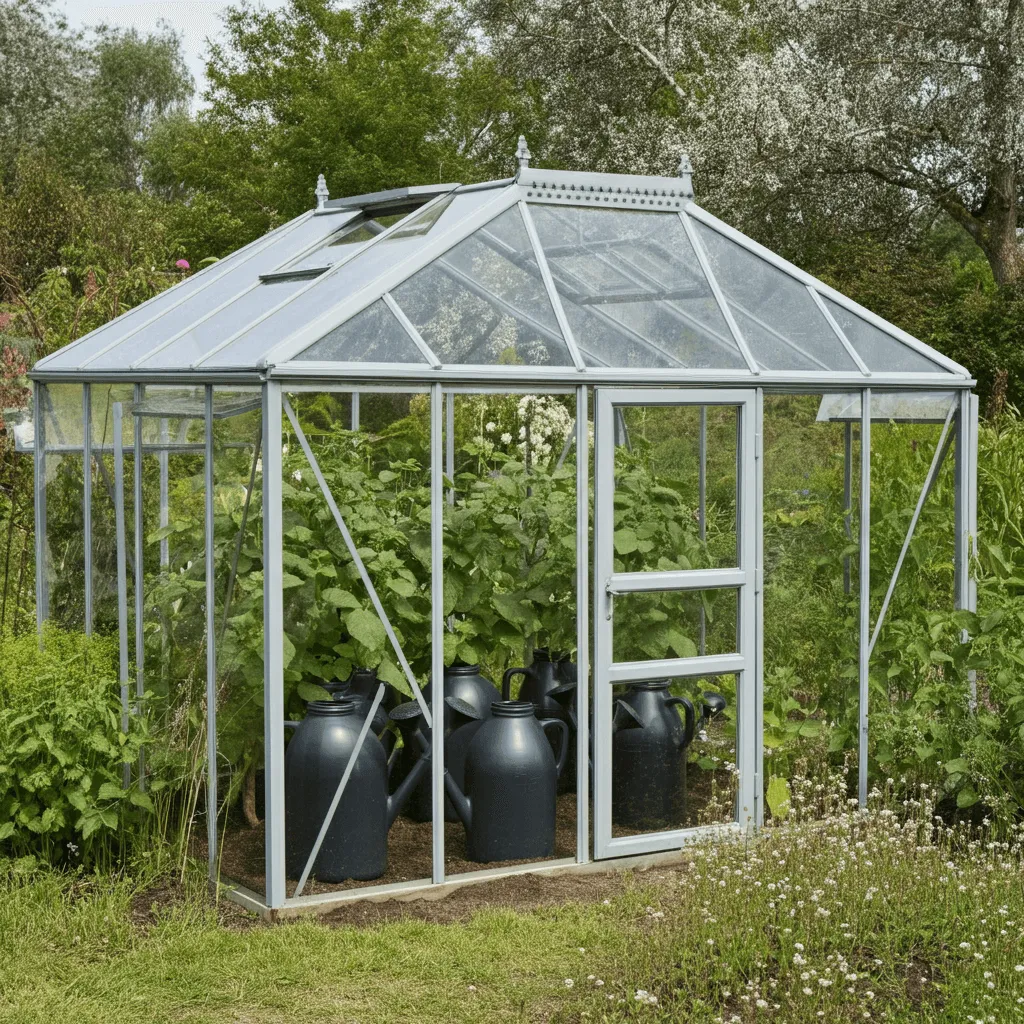
21. Cold Frames With Water Thermal Mass
Here’s an innovative idea—add black water jugs inside your cold frame. The water absorbs heat during the day and releases it at night, keeping your plants warm and cozy.
FAQs
What’s the Ideal Location for a Cold Frame?
Place your cold frame in a south-facing spot that receives plenty of sunlight. Avoid placing it where it could be overshadowed by buildings or tall trees.
What Can You Grow in a Cold Frame?
Leafy greens like spinach, lettuce, and kale, along with root vegetables like carrots and radishes, thrive in cold frames.
Do Cold Frames Need Ventilation?
Yes! Ventilation prevents overheating. Use hinged lids or vents for airflow on warmer days.
Now that you’ve seen just how versatile cold frames can be, it’s your turn to make this winter fruitful. Which idea will you try first?