20 Colorful Annuals to Plant for Nonstop Blooms
Is your garden looking a bit…meh lately? Like, it’s not pulling its weight in the neighborhood flower competition? Well, here’s a joke to brighten your day before we fire up your garden game. Why did the gardener plant lightbulbs? Because he wanted to grow a power plant! (Yes, we’re fun like that.)
Now, if you’re ready to transform your garden into a vibrant paradise that doesn’t fizzle out after a few weeks, you’re in the right place. This guide will introduce you to 20 colorful annuals that’ll bloom nonstop, keeping your outdoor space lively all season long.
What Are Annual Flowers and Why Choose Them?
Annual flowers complete their life cycle in just one growing season, meaning they grow, bloom, set seeds, and then make way for new plants—all in a year. If you’re someone who loves refreshing your garden every season with fresh colors and designs, annuals are the way to go. Plus, with their fast growth and heavy blooming, they’re like nature’s overachievers.
Tips for Planting and Caring for Annuals
- Sunlight: Most annuals thrive in full sun. Make sure your garden gets 6-8 hours daily.
- Watering: Keep the soil consistently moist but not soggy.
- Fertilizer: Regular feeding helps maintain vibrant blooms.
Now that we’ve covered the basics, it’s time for the stars of the show—20 colorful annuals that will have your garden bursting with life.
1. Petunias: Endless Pops of Color
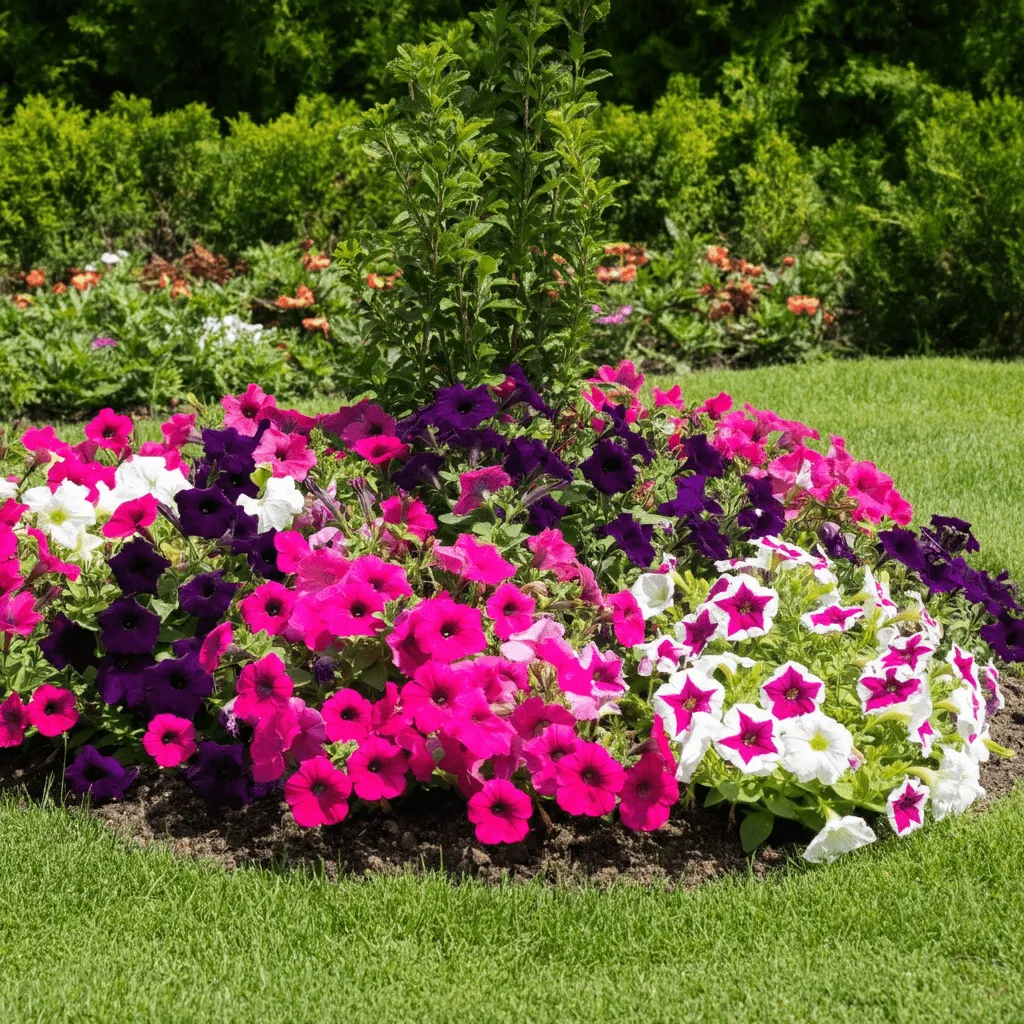
These garden favorites come in every color imaginable, from soft pastels to bold purples. Petunias bloom continuously, filling your containers, borders, or hanging baskets. Just keep them somewhere sunny and prune them occasionally to encourage new growth.
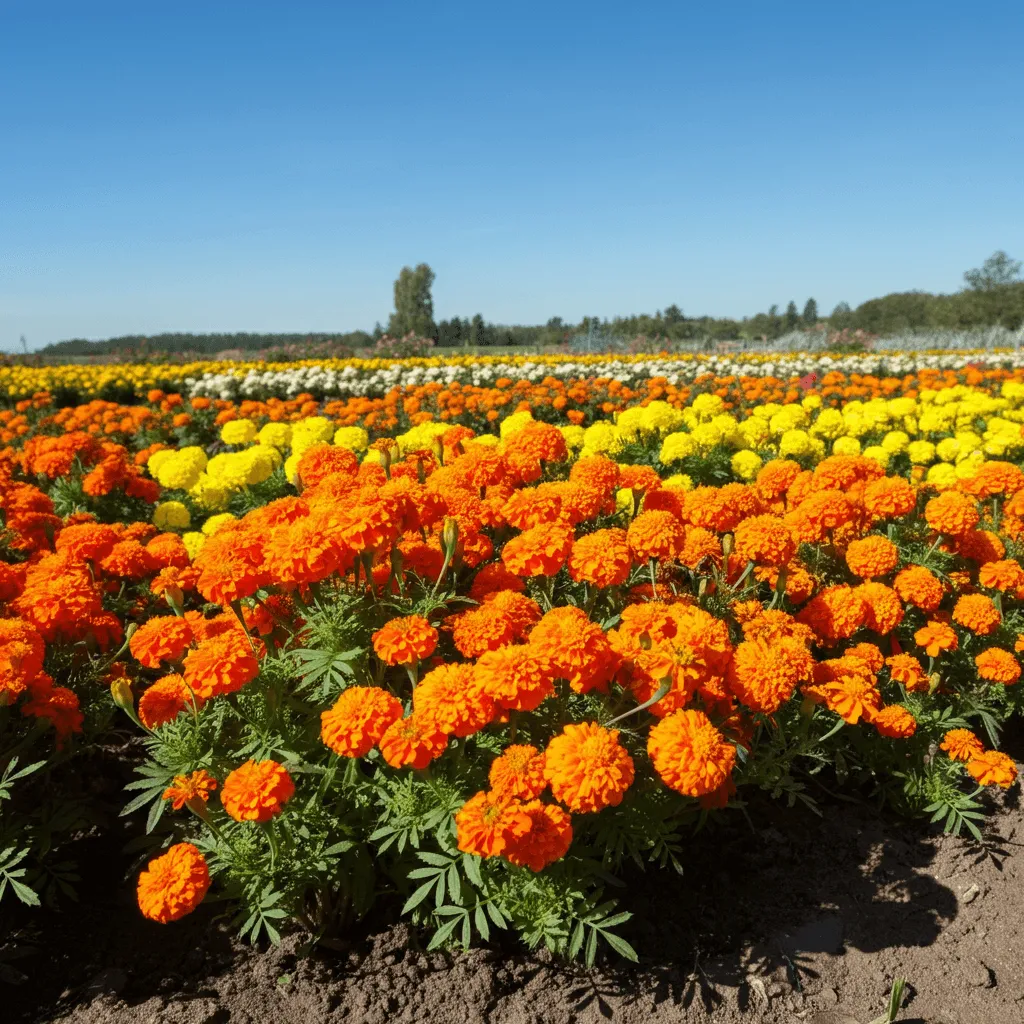
2. Marigolds: Sunshine in a Flower
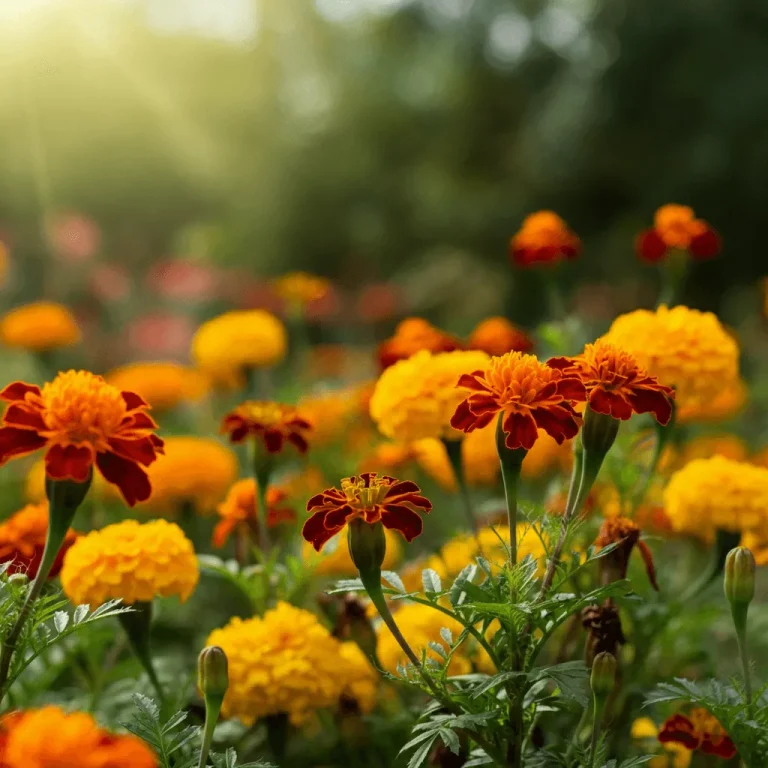
With their bright orange and yellow hues, marigolds are a cheerful addition to any garden. Plus, they’re hardy and pest-resistant, making them perfect for beginner gardeners.
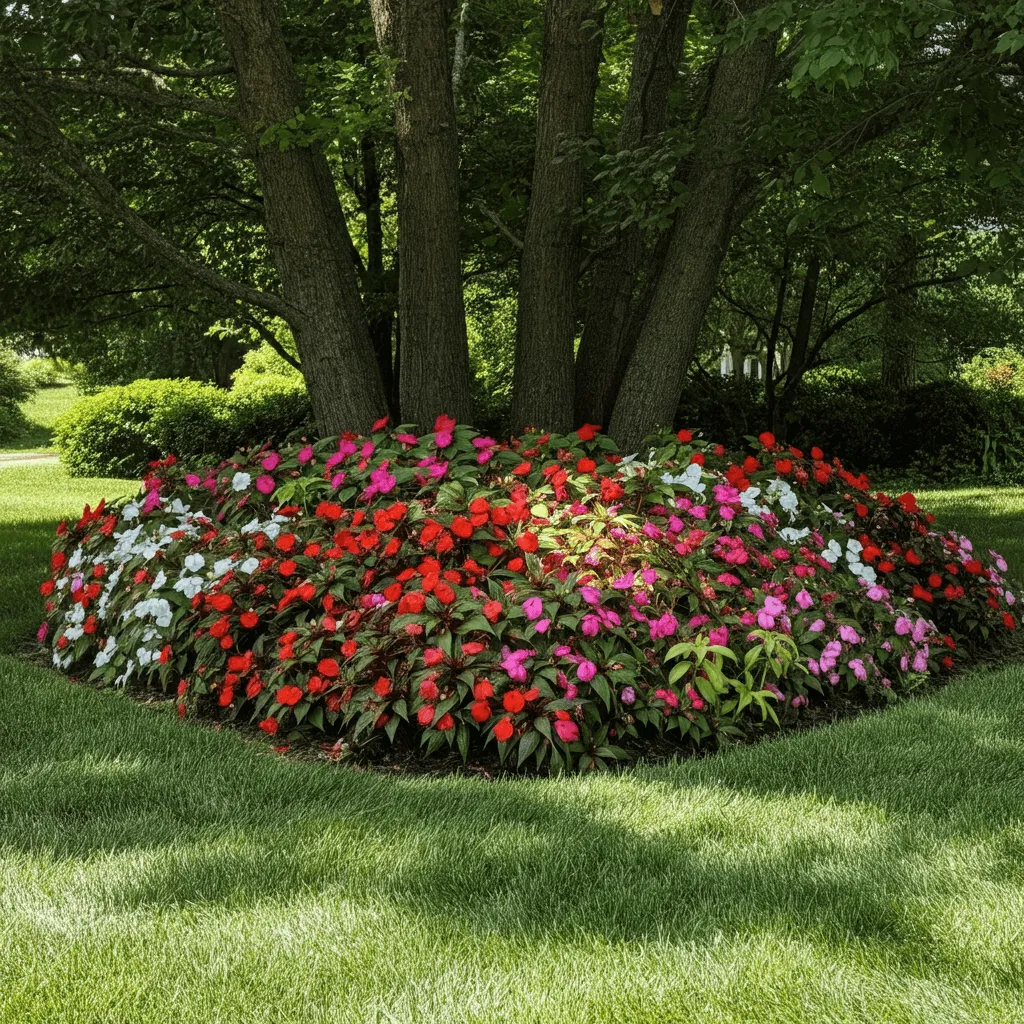
3. Impatiens: Shade Garden Powerhouse
If you’ve got a shady spot that seems impossible to brighten, impatiens are the answer. Their vibrant reds, pinks, and whites will light up any dim corner.
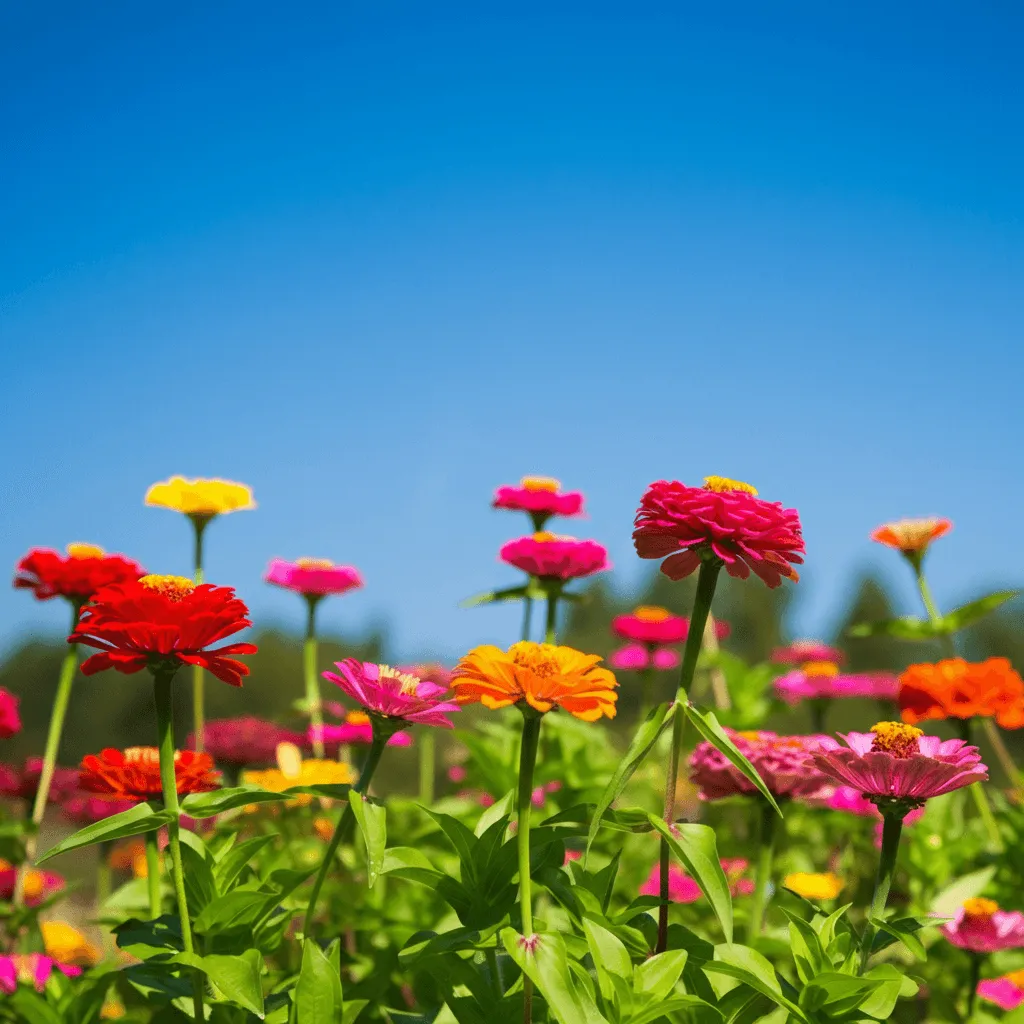
4. Zinnias: Easy Showstoppers
Known for their bold colors and resilience, zinnias are a great choice for sunnier areas. A pro tip? Snip off the old blooms to keep them flowering all season long.
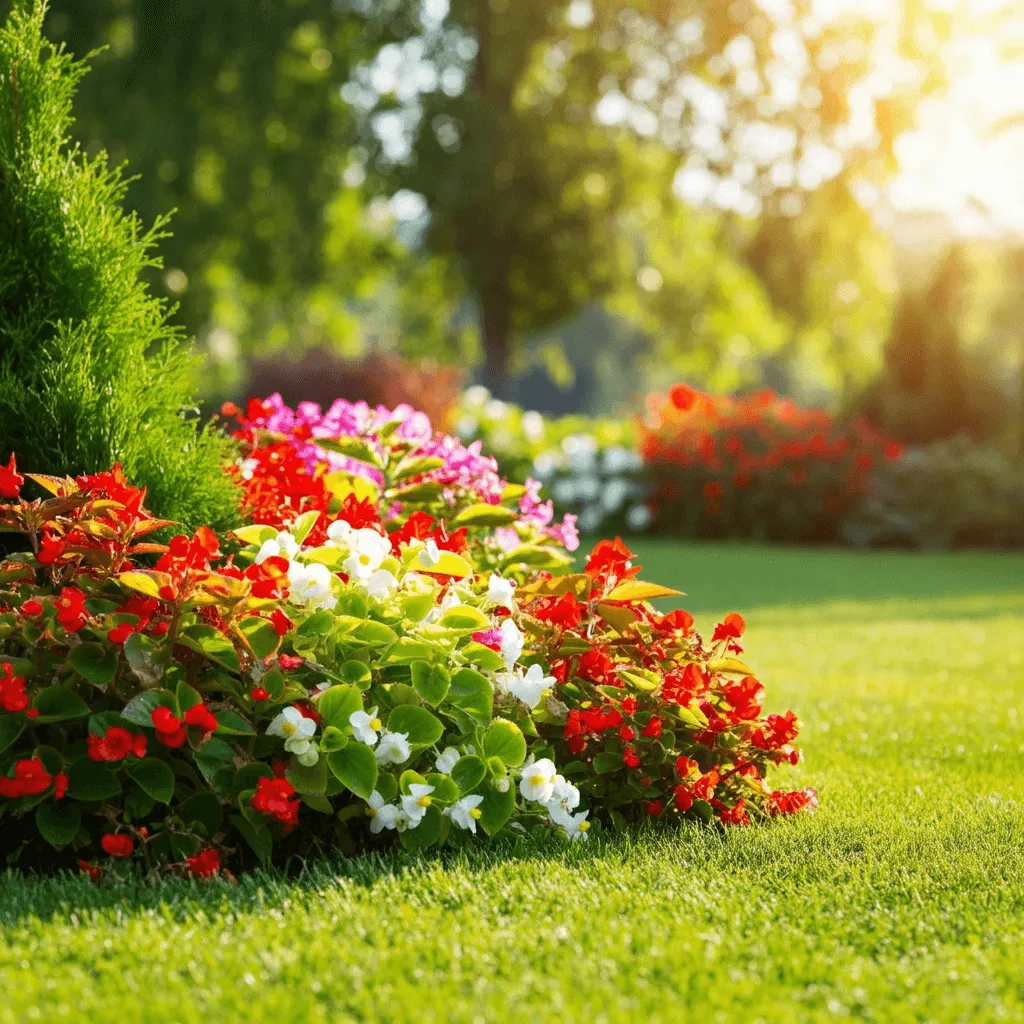
5. Begonias: Versatile Beauties
Begonias thrive in both sun and shade, making them an adaptable option. Their lush foliage and striking blooms turn every planter or garden bed into an eye-catcher.
Real-Life Example
A community gardener in Chicago planted begonias along shaded pathways in a local park. These hardy blooms thrived, creating a picturesque walkway that became the pride of their neighborhood.
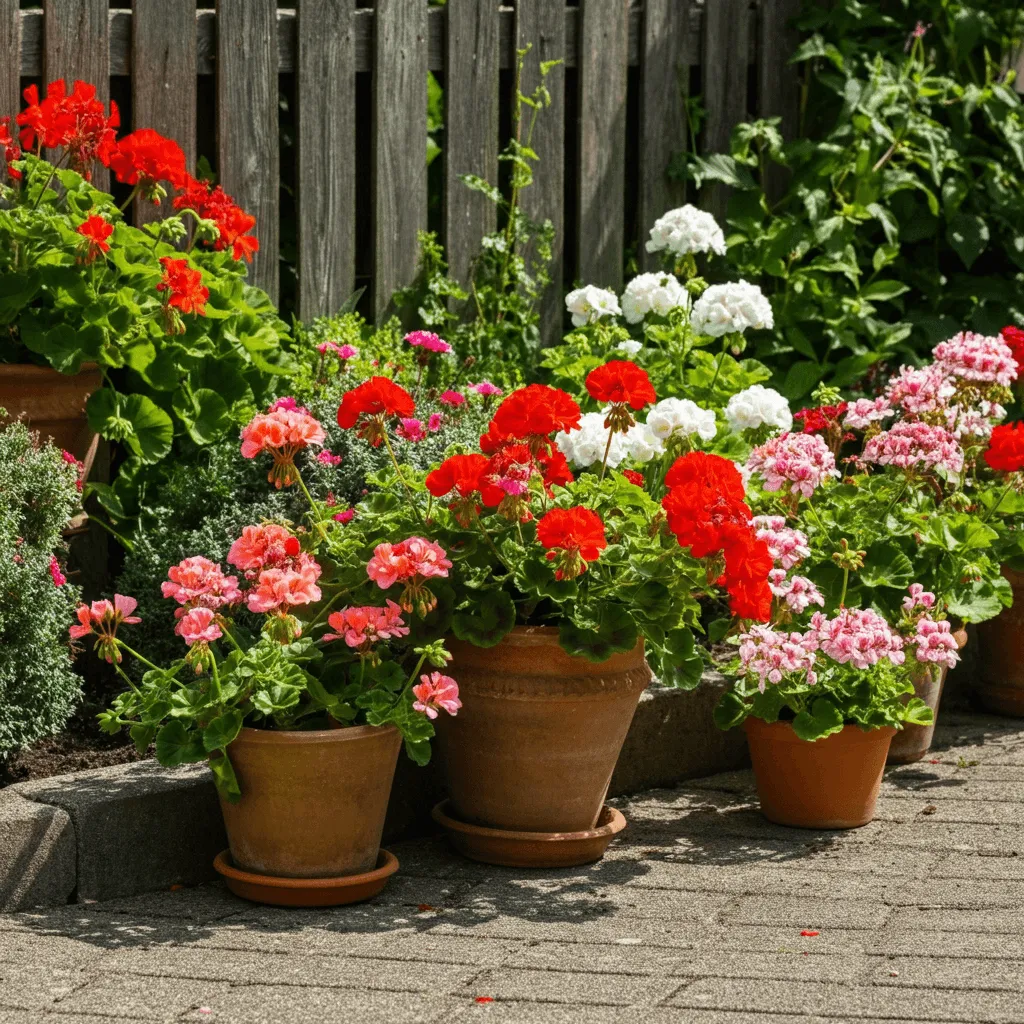
6. Geraniums: The Classic Go-To
Whether planted in pots or borders, geraniums deliver on nonstop blooms with minimal fuss. Their wide range of reds, pinks, and whites can complement any garden style.
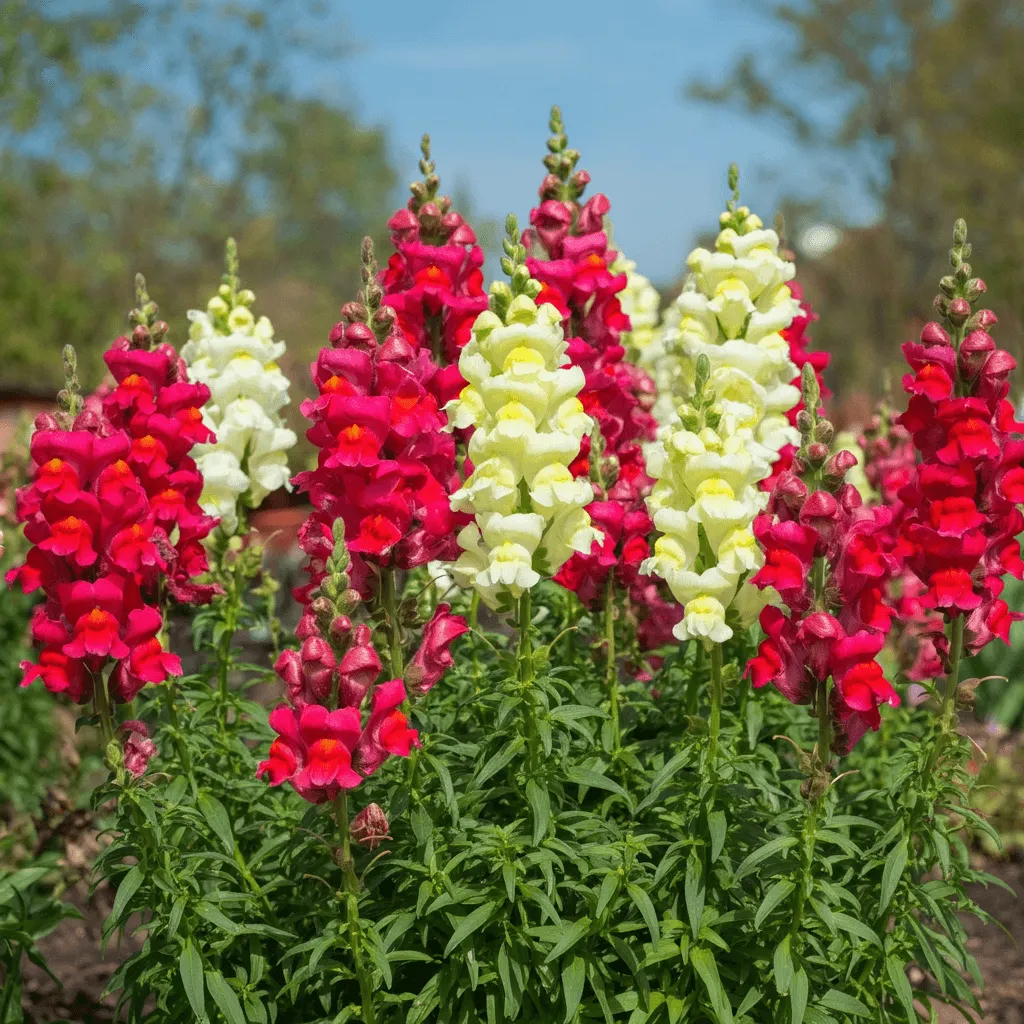
7. Snapdragons: Vertical Marvels
Looking to add height to your flower bed? Snapdragons, with their tall stalks and multicolored blooms, bring a sense of drama to your garden.
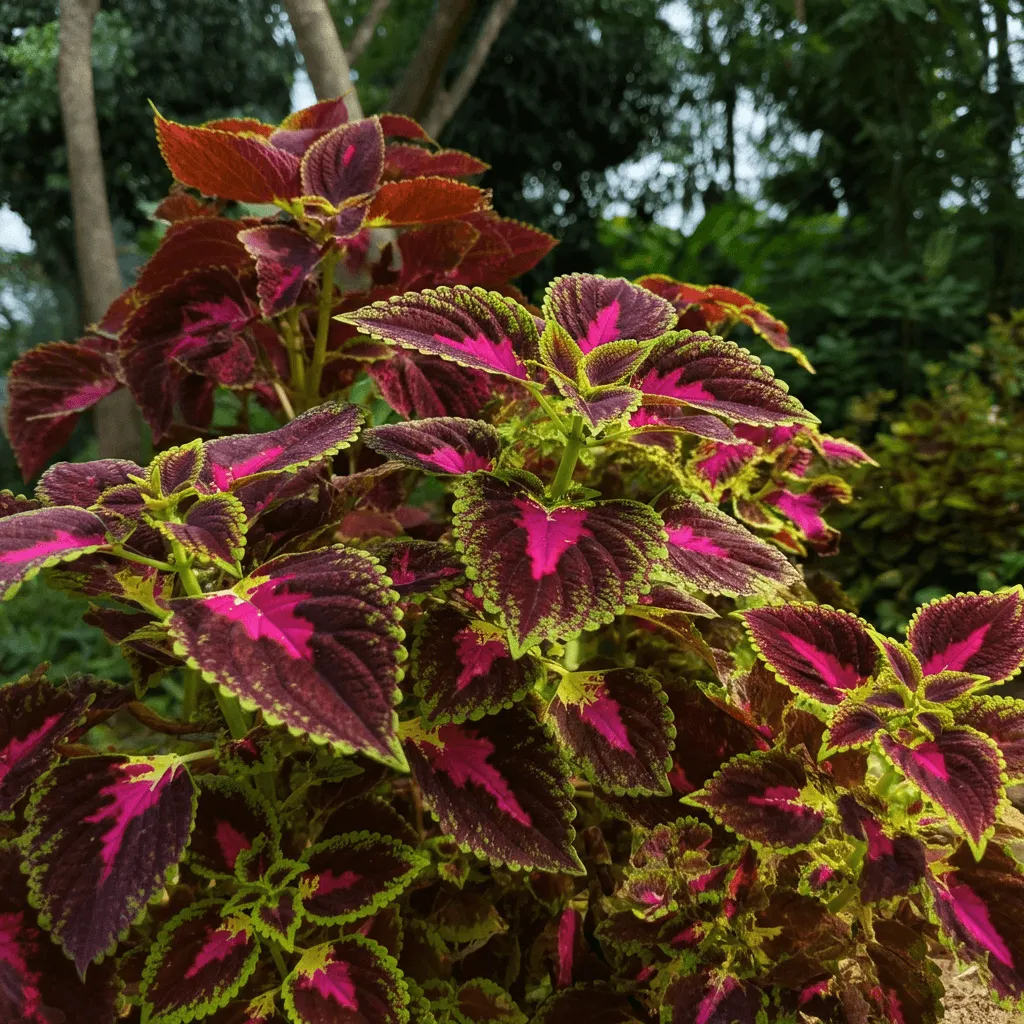
8. Coleus: The Foliage Superstar
Here’s an unconventional pick. While not big on flowers, coleus brings a riot of colors with its patterned leaves in shades like magenta, lime green, and burgundy.
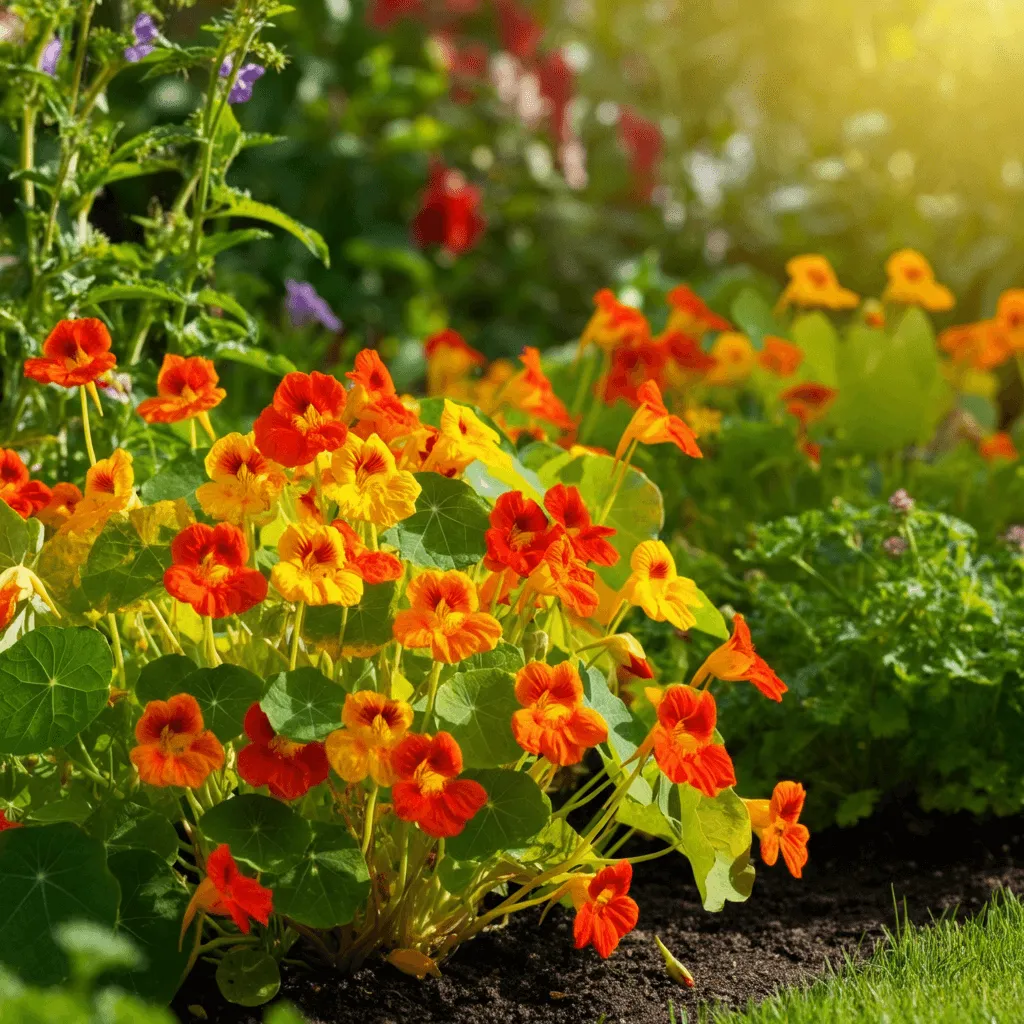
9. Nasturtiums: Edible Beauty
Yes, these bright blooms in orange and yellow are edible! Nasturtiums add a pop of color to both your garden and your plate.
Case Study
A chef with a passion for gardening once shared how nasturtiums became a star attraction at her farm-to-table restaurant. Their peppery flavor and vibrant petals added that X-factor to salads and garnishes.
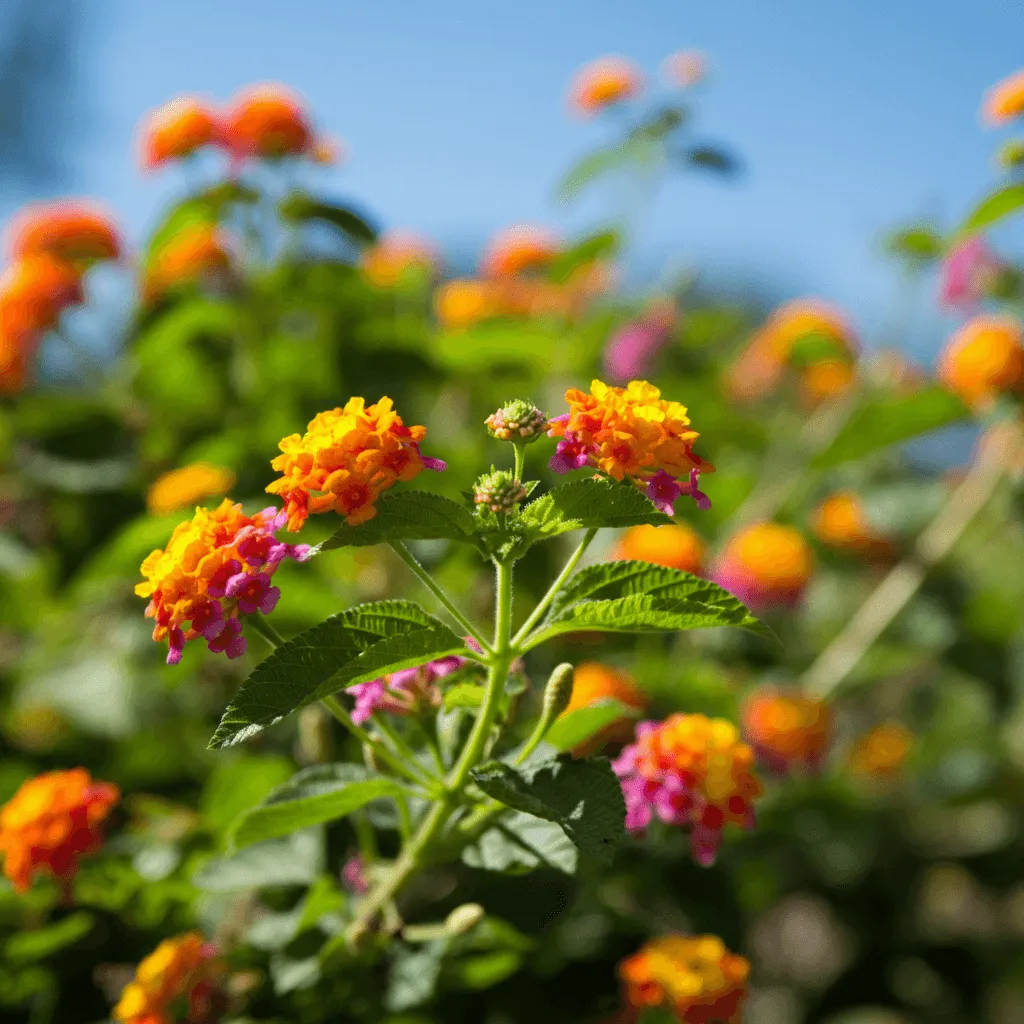
10. Lantanas: Heat-Loving Charmer
Lantanas don’t just survive hot weather—they thrive in it. Their clusters of tiny flowers in mixed shades are pollinator magnets.
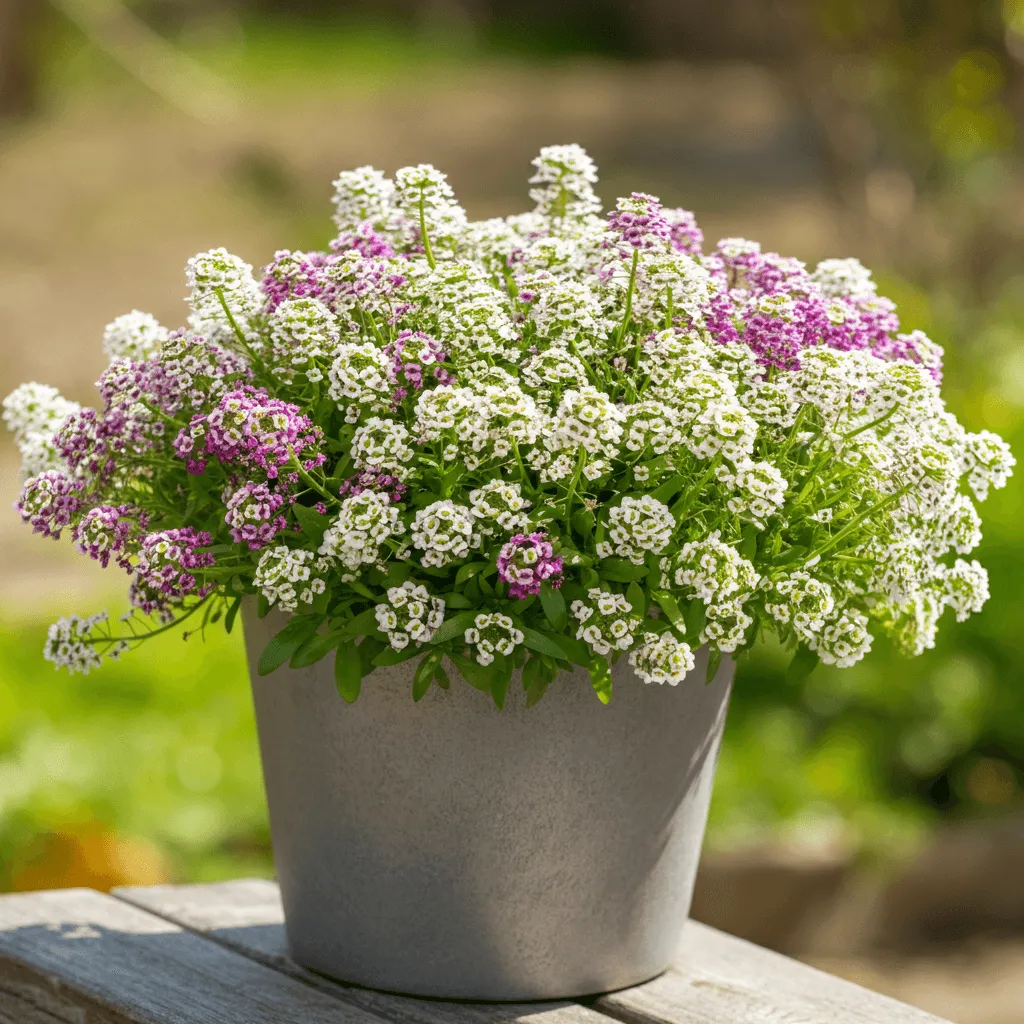
11. Alyssum: Fragrant Groundcover
With its tiny white, lavender, or pink blooms, alyssum is perfect for filling gaps in your garden bed or spilling over the edge of a container.
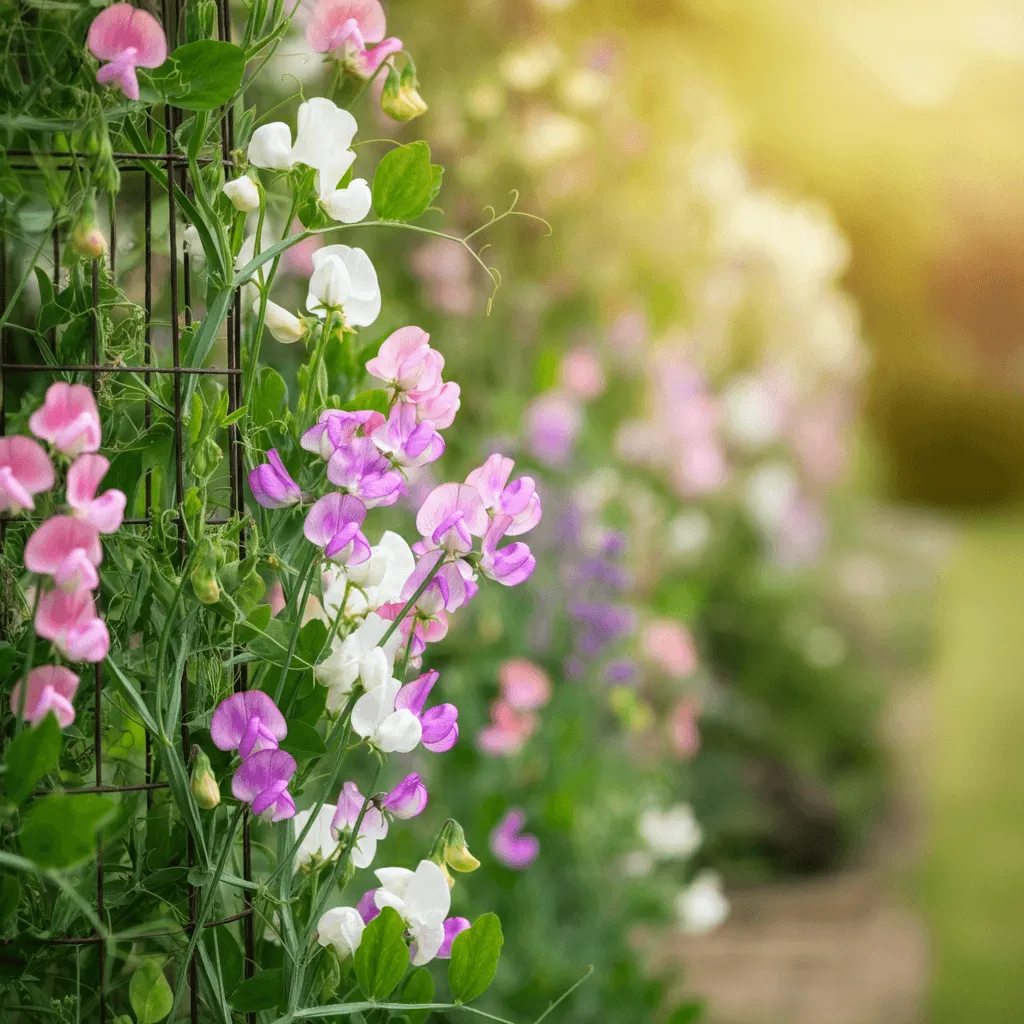
12. Sweet Peas: Romantic Climbers
Sweet peas boast pastel hues and an intoxicating fragrance. Train them to climb a trellis, and they’ll reward you with an elegant display.
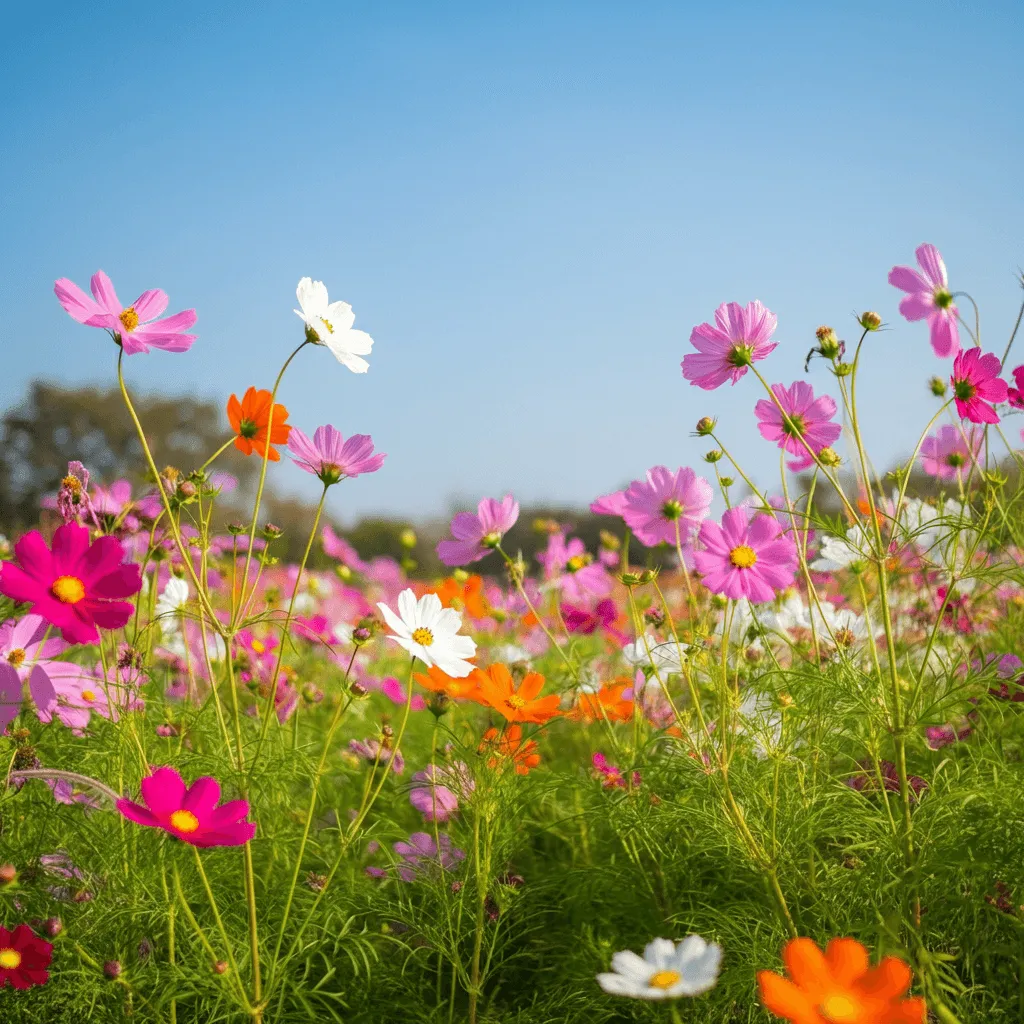
13. Cosmos: A Touch of Whimsy
These daisy-like blooms in pink, white, and orange practically ooze charm. They’re also one of the easiest annuals to grow.
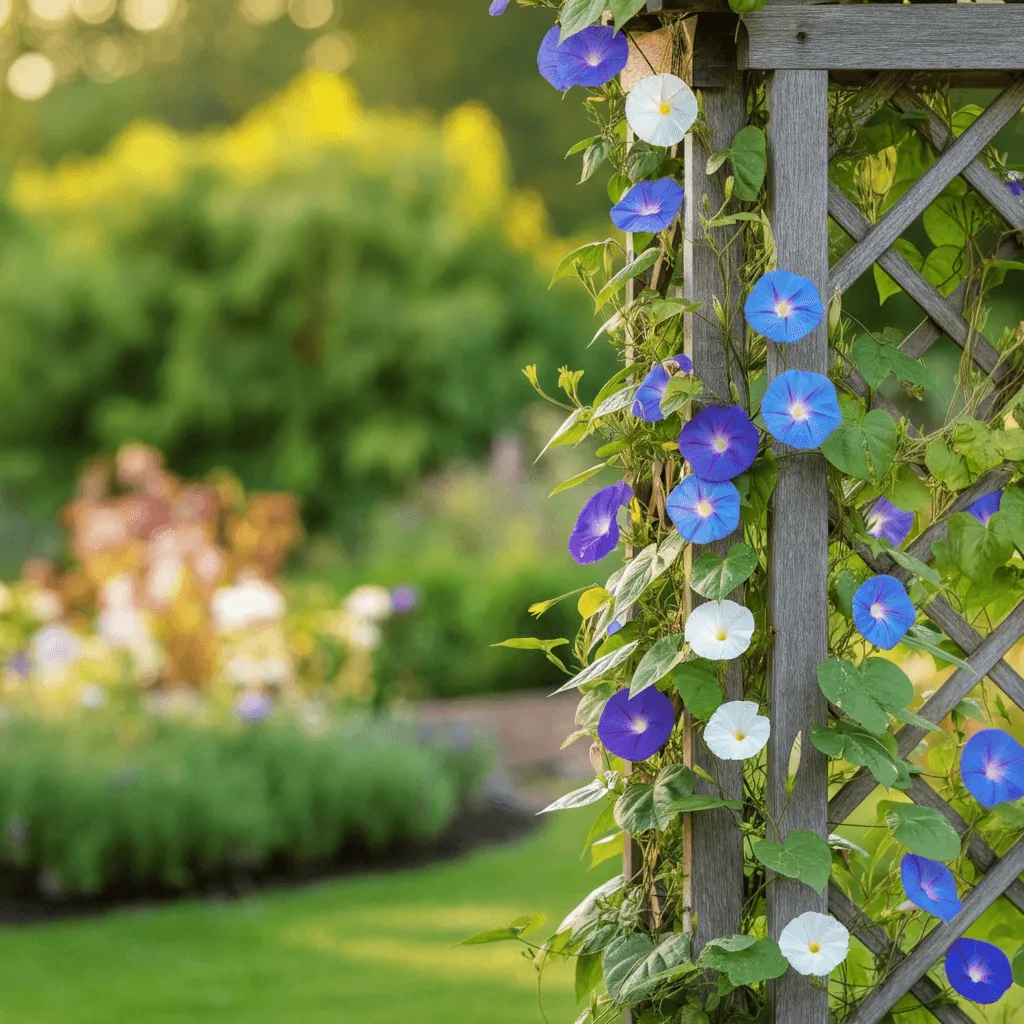
14. Morning Glories: A Morning Delight
True to their name, these beauties greet you each morning with fresh blooms in blues, purples, and whites.
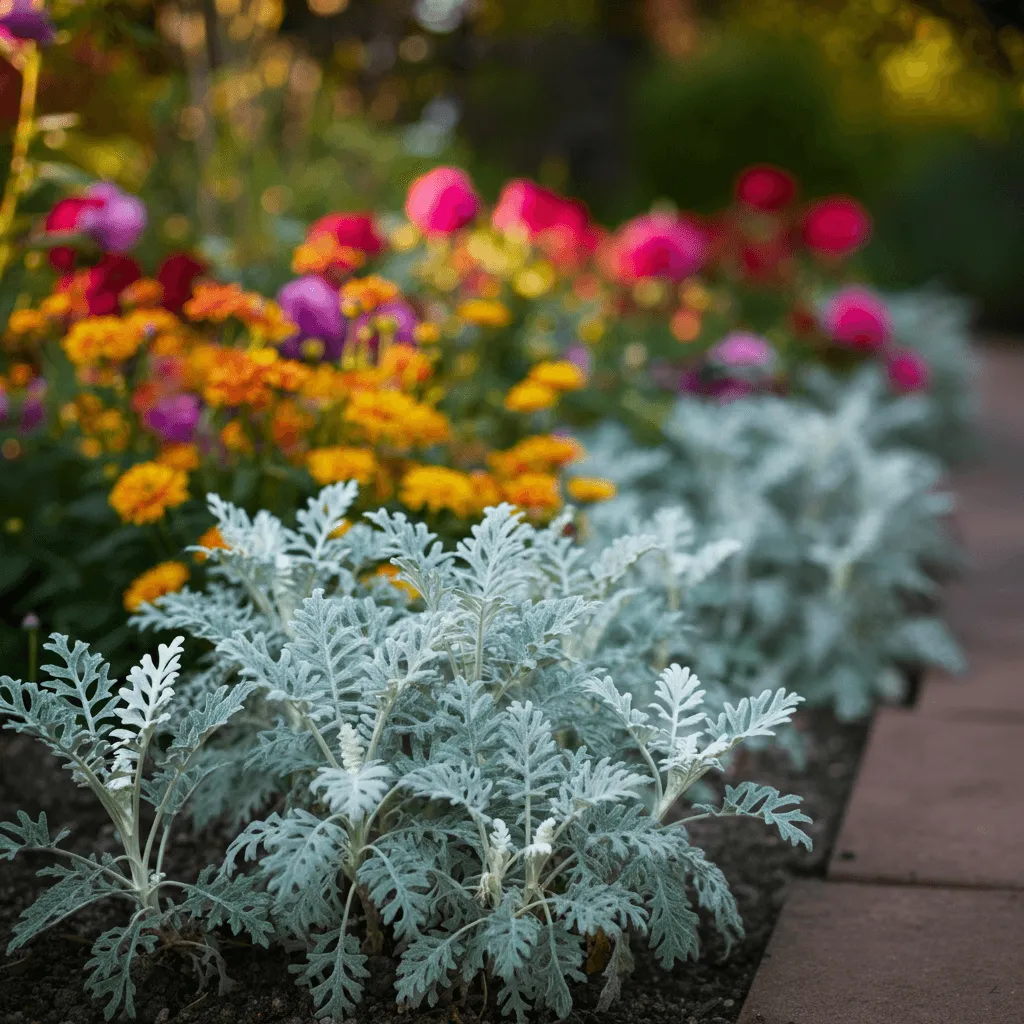
15. Dusty Miller: A Silvery Accent
Adding texture and contrast to your garden, dusty miller’s silvery leaves pair beautifully with colorful blooms.
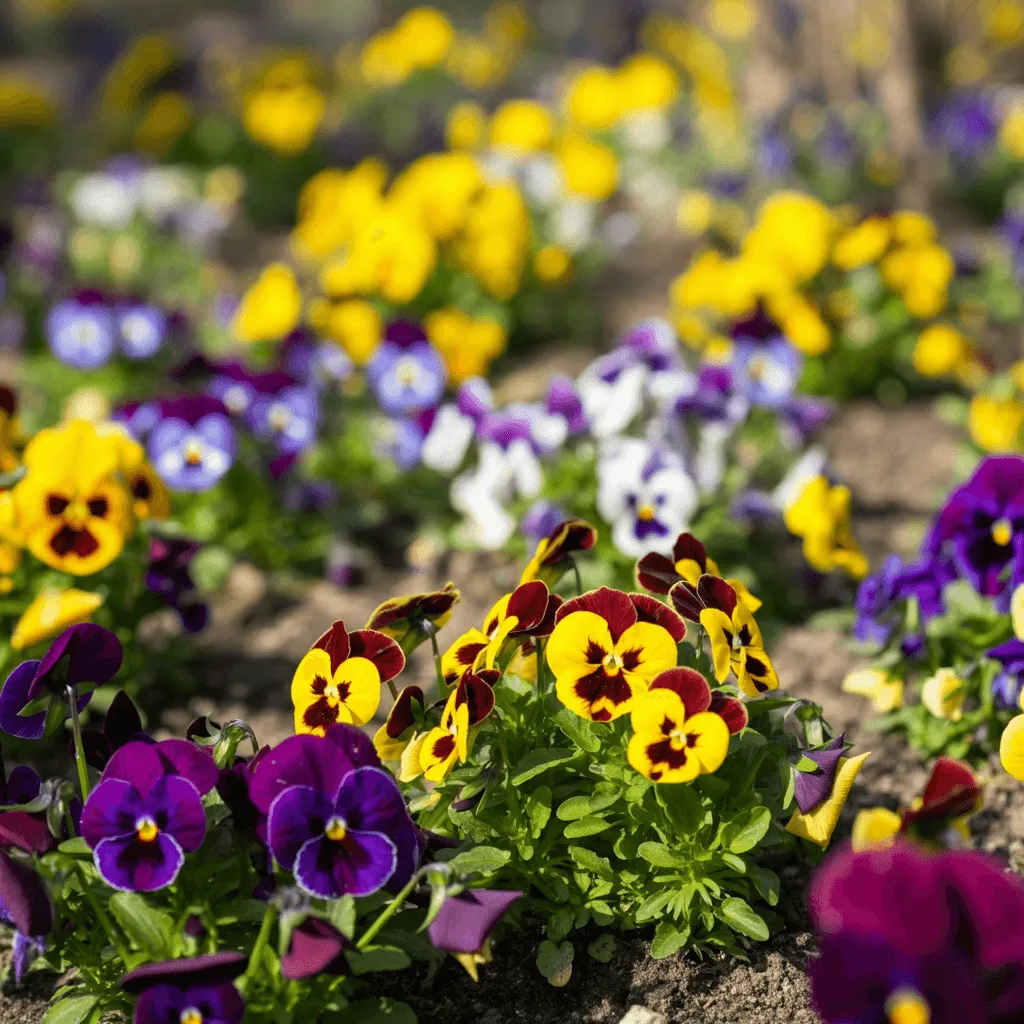
16. Pansies: Early Bloomers
Pansies are cool-weather champions that come in an array of jewel tones. They’re perfect for starting your garden season off right.
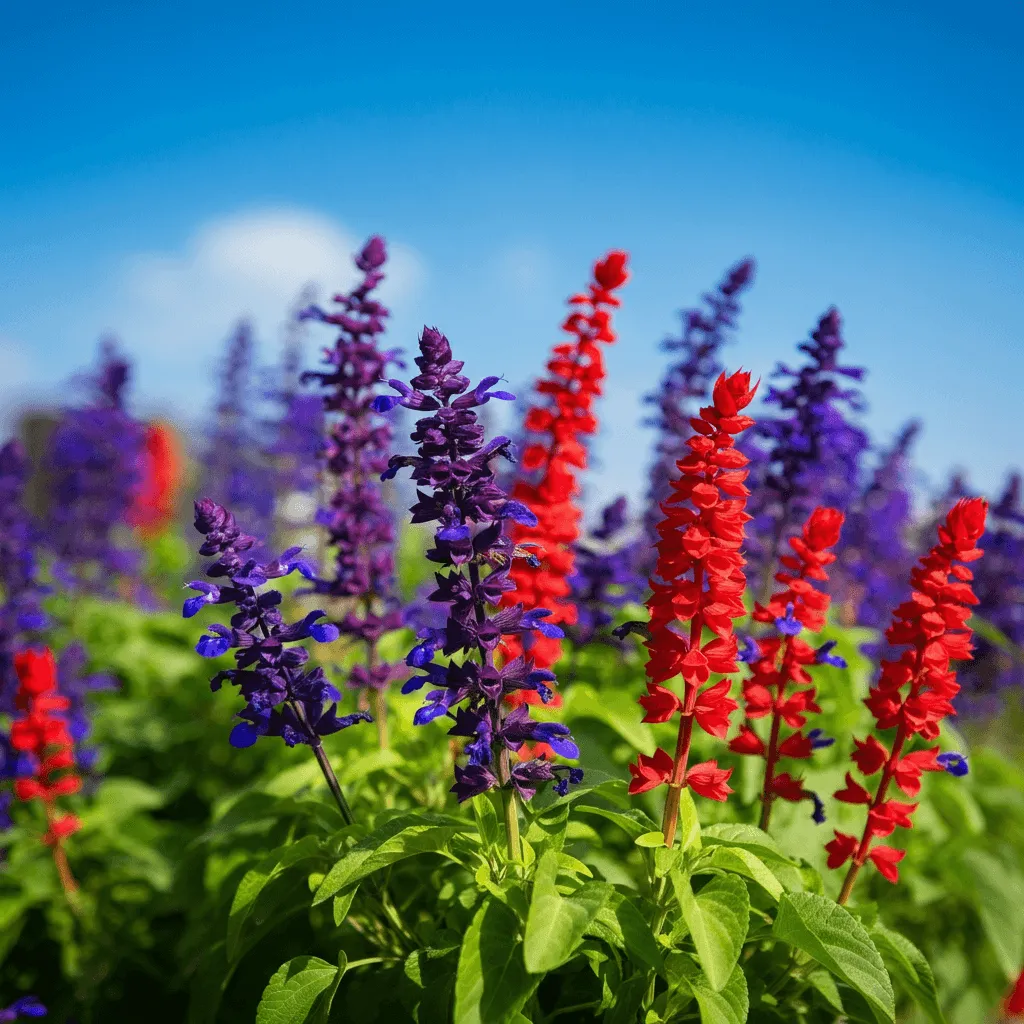
17. Salvia: Pollinator Paradise
Salvia’s spiky blooms in blue, purple, and red attract hummingbirds and bees, turning your garden into a pollinator haven.
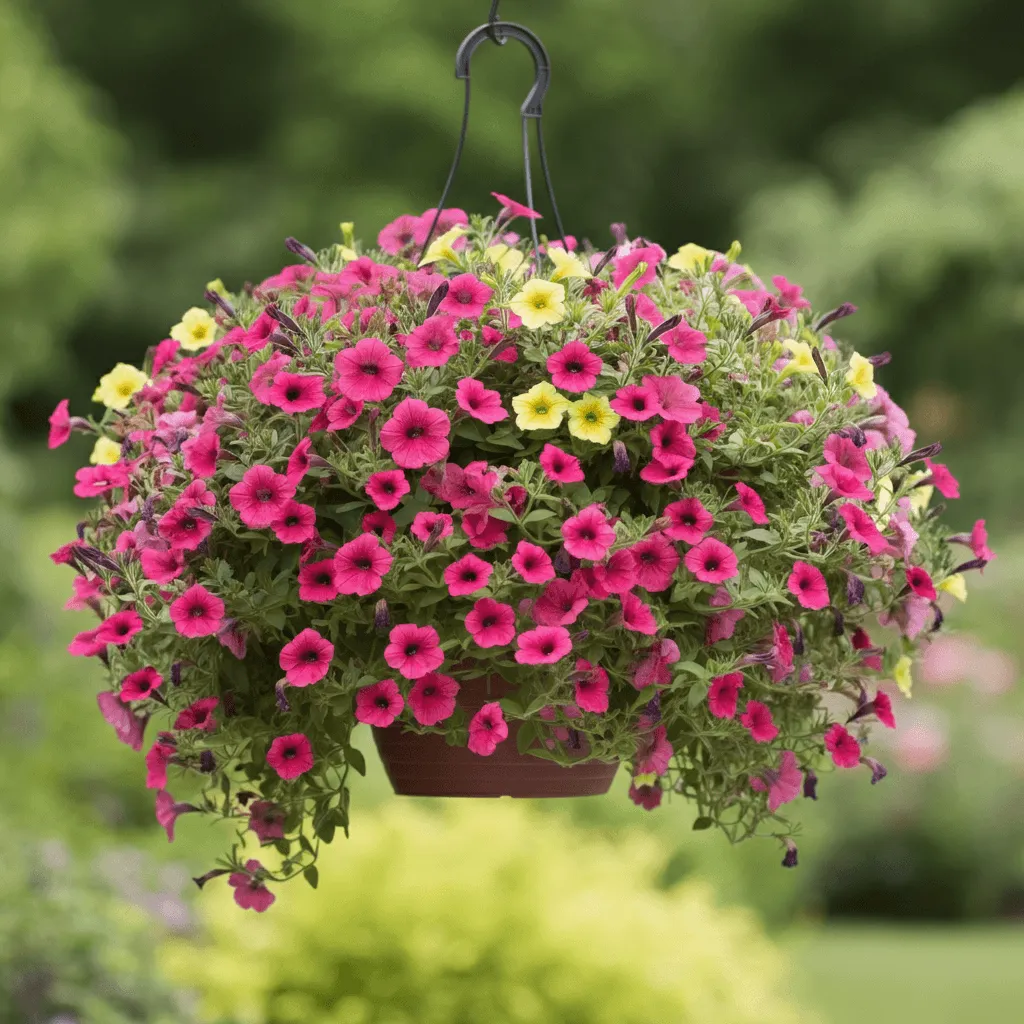
18. Calibrachoas: Mini Petunias
Often called “million bells,” calibrachoas are ideal for hanging baskets, spilling over with abundant flowers in cheerful hues.
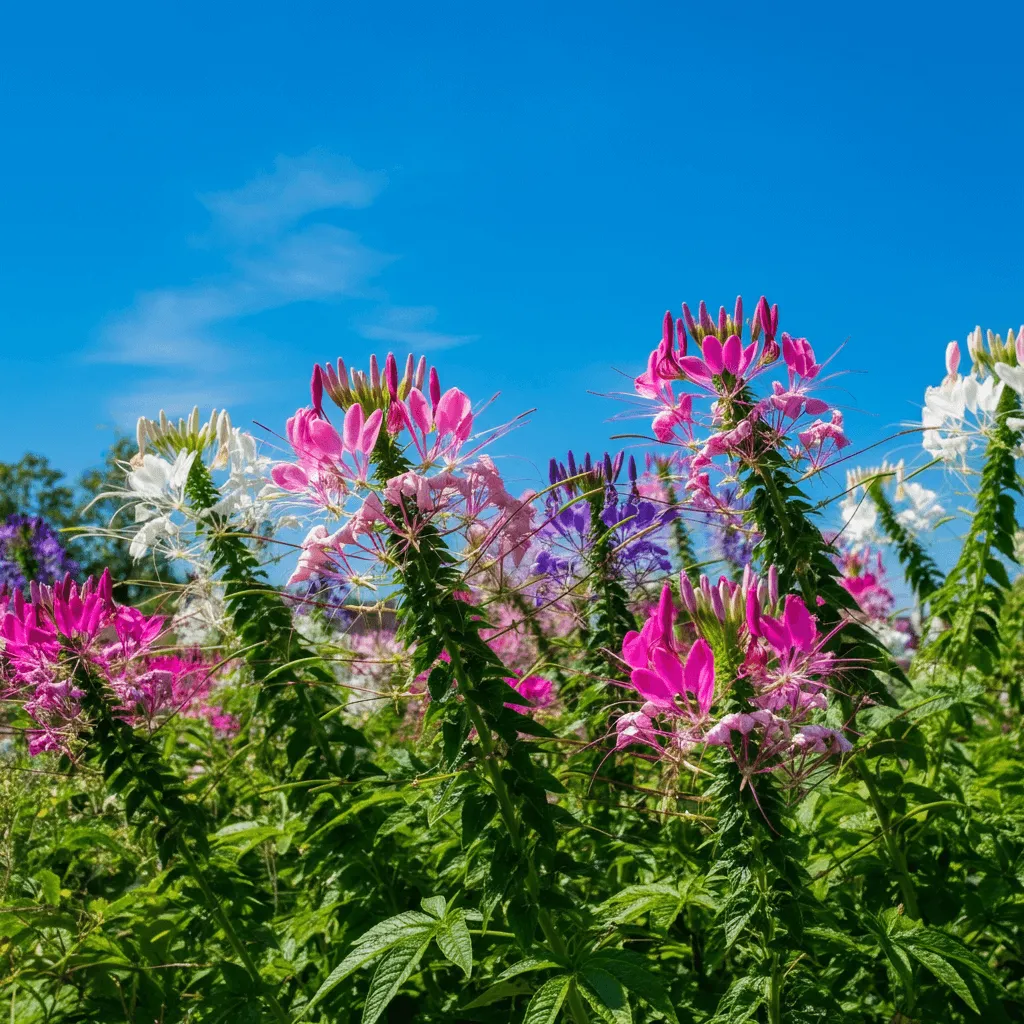
19. Cleome: Spider Flower Flair
With their unique, spindly blooms, cleomes are both intriguing to look at and easy to grow.
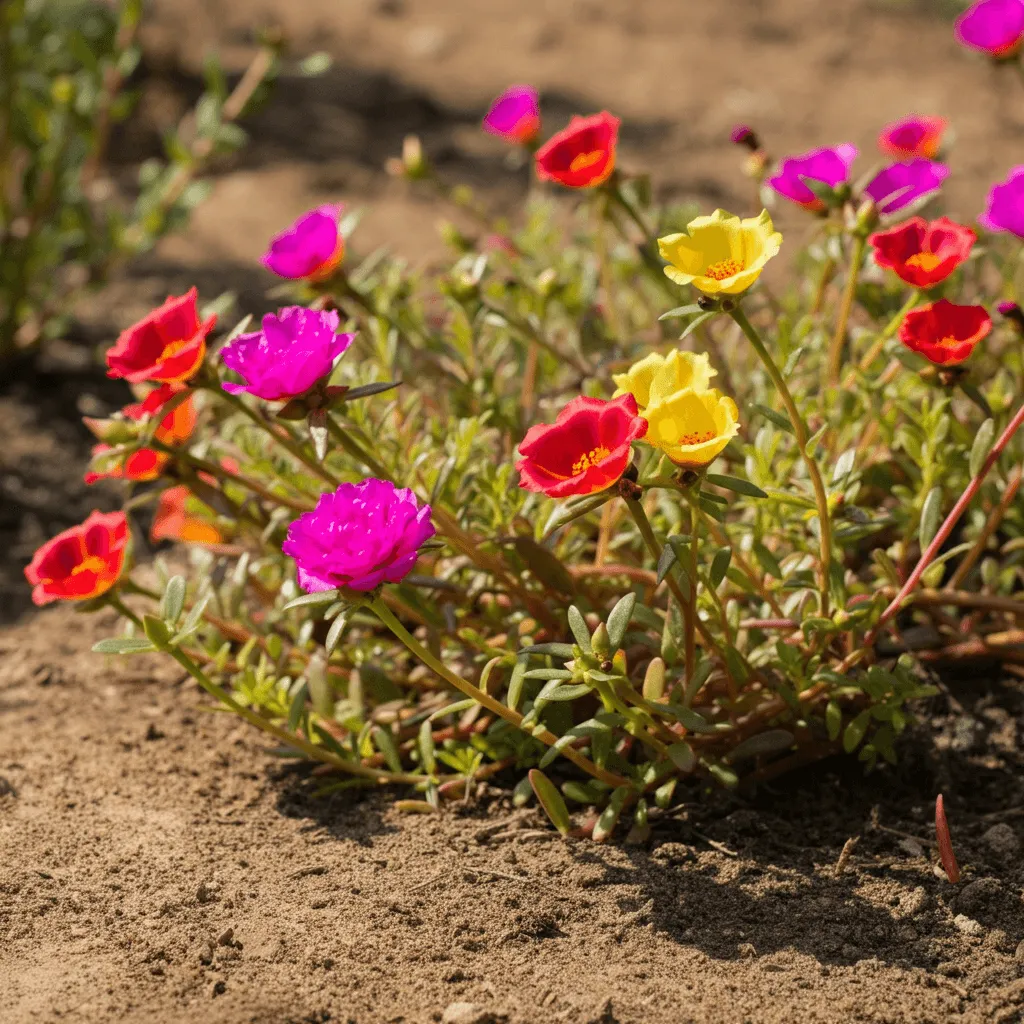
20. Portulaca: Succulent Ally
This drought-tolerant beauty blooms in bright pinks, yellows, and reds, making it a lifesaver in hot, dry climates.
FAQ Section
Q1. Can these annuals be mixed with perennials?
Absolutely! Mixing annuals with perennials can add seasonal variety and ensure there’s always something blooming in your garden.
Q2. Do annuals require deadheading?
Most annuals benefit from deadheading (removing spent blooms), which encourages continuous blooming.
Q3. How can I extend the bloom period for annuals?
Consistent watering, fertilizing every 2-4 weeks, and pruning can all help prolong blooming.
Q4. Can annuals survive indoors?
Some annuals, like begonias and coleus, can thrive indoors as long as they get enough light.
Q5. What’s the best soil for annuals?
Most annuals prefer well-draining, nutrient-rich soil with organic matter like compost.
Final Thoughts
Adding these 20 colorful annuals to your garden ensures nonstop blooms and a dynamic display all season. Whether you’re tackling a bare patio or a sprawling backyard, these stunning plants will make your space sing.
Now go ahead—grab those gardening gloves and turn your outdoor space into a masterpiece! Your neighbors might just mistake you for a pro landscaper.