15 Clever Container Gardening Ideas for Small Spaces
Ever feel like your patio or balcony is more about storing last decade’s lawn chairs than being a garden oasis? Good news—it doesn’t have to stay that way. Even with limited space, container gardening can bring vibrant life to your small areas. It’s like the tiny house movement, but for plants!
Whether you’re working with a postage stamp-sized backyard or managing an apartment balcony, these container gardening ideas will turn your small space into a lush, productive haven.
1. Start with Multi-Tiered Plant Stands
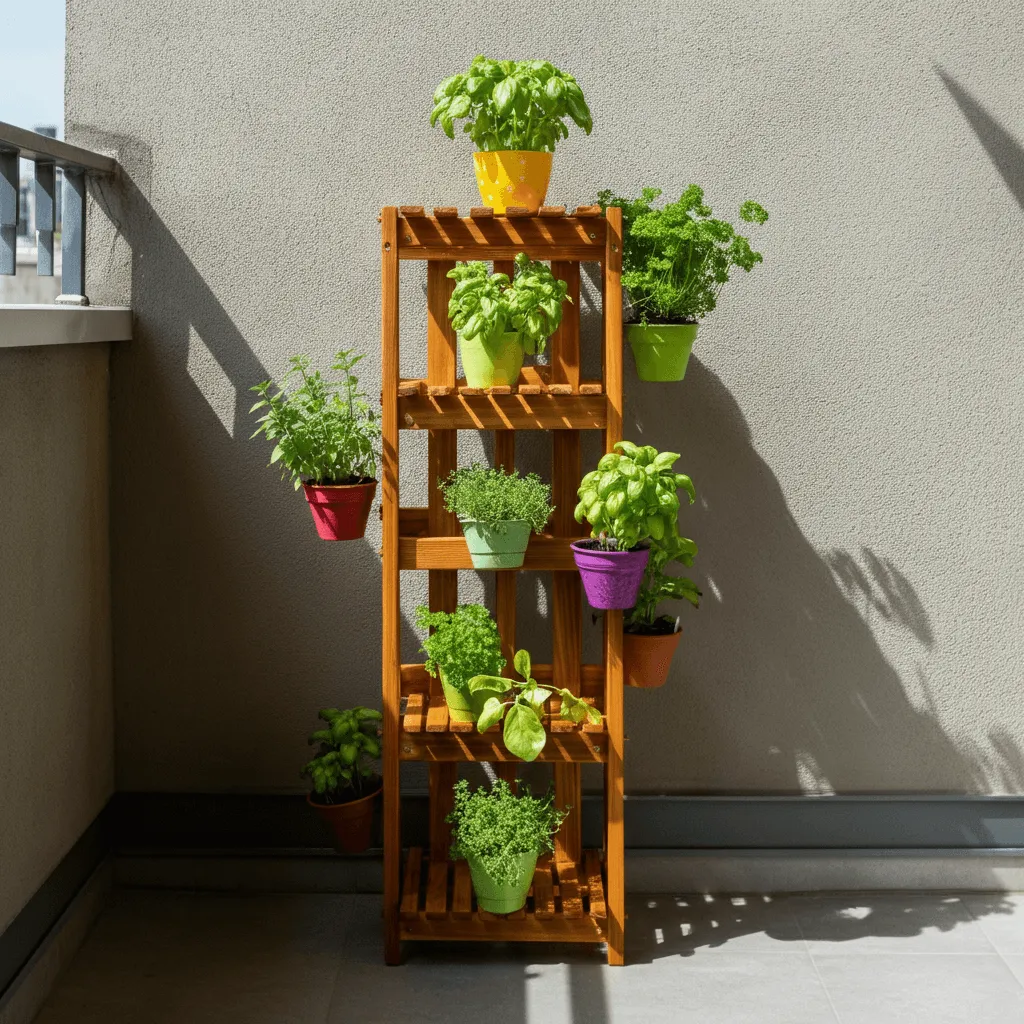
Vertical gardening is your best friend when you’re short on square footage. Multi-tiered plant stands, often made of wood or metal, allow you to layer containers upward instead of outward, saving you room while displaying your plants beautifully.
A friend in Chicago used a simple three-tiered shelf to grow herbs on their balcony. Basil, parsley, and thyme stayed fresh without taking over their coffee corner.
Bonus Tip
Use a mix of container colors and materials to create visual interest without crowding the stand.
2. Get Creative with Repurposed Containers
Who says containers have to come from the garden store? Think old teapots, wooden crates, or even vintage colanders. Repurposing items not only saves money but also adds personality and charm to your garden.
One family in Portland turned an antique wagon into a rolling flower garden. It became a charming centerpiece they could wheel around depending on sunlight.

3. Use Hanging Baskets for Extra Space
Hanging baskets are perfect for flowers, ferns, or even trailing vegetables like cherry tomatoes. They utilize unused vertical space, leaving the floor free for other containers or furniture.
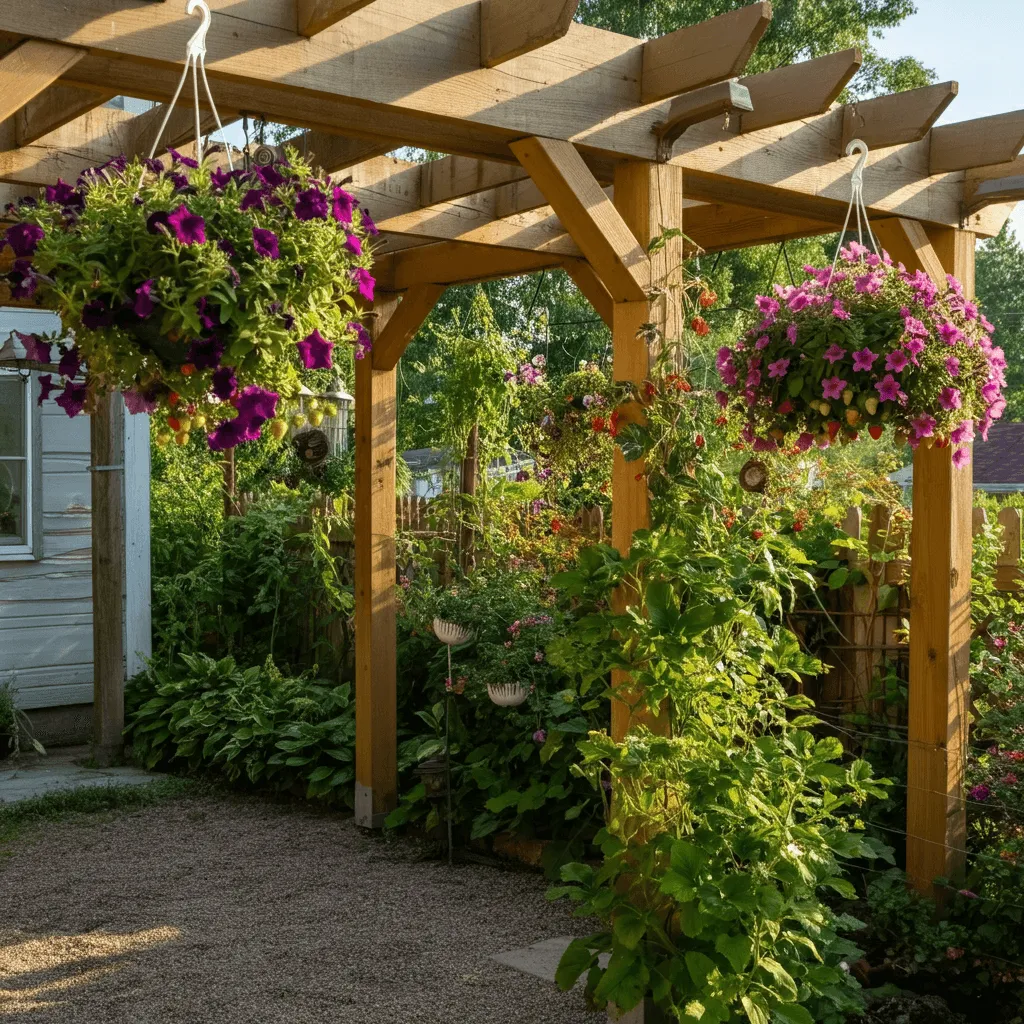
A couple in Austin turned their backyard pergola into a mini Eden by hanging pots of petunias and strawberries. The added height made the space feel more inviting and less cramped.
Pro Tip
Feel free to hang baskets indoors by sunny windows if outdoor space is really tight.
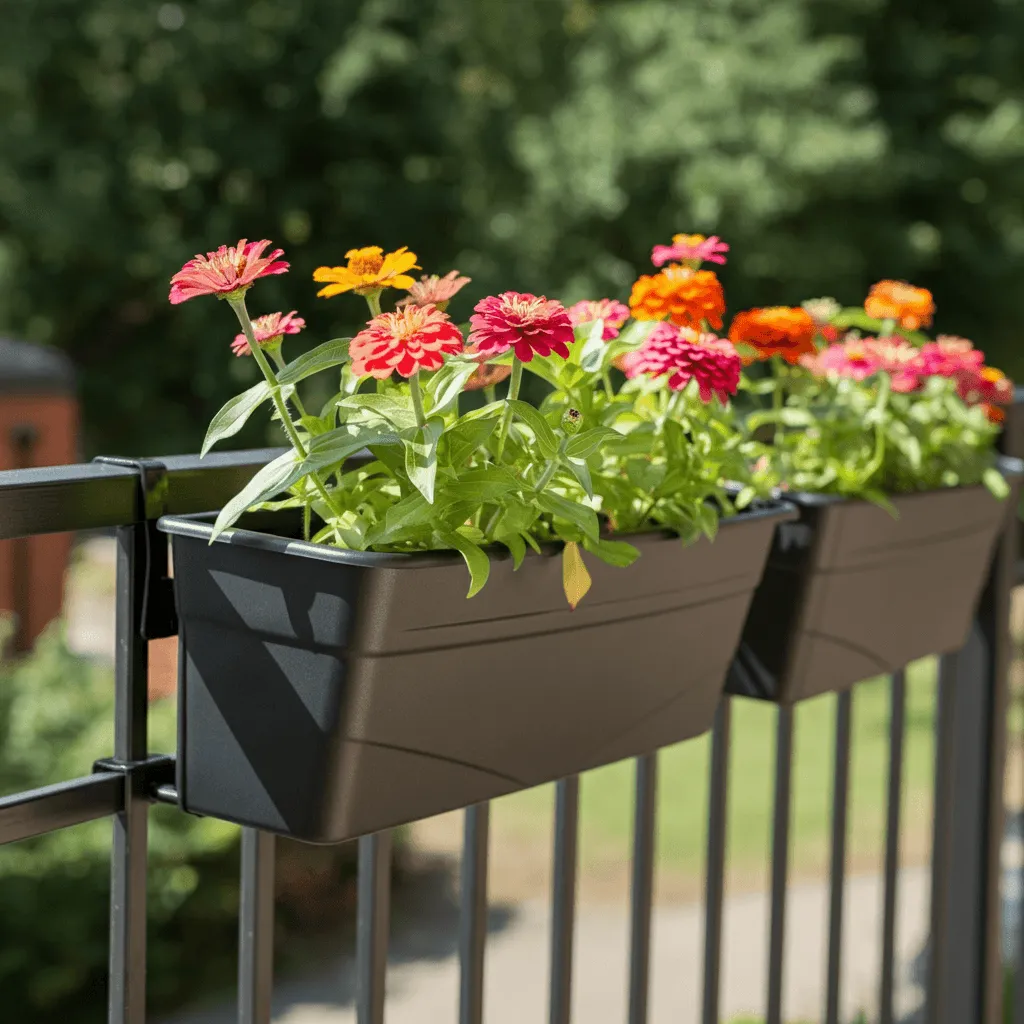
4. Maximize Small Spaces with Rail Planters
Balcony railings aren’t just for leaning on—they’re real estate for rail planters! These slim, elongated containers clip right onto your railing. They’re ideal for growing herbs, greens, or decorative flowers.
A renter in New York City used rail planters for colorful zinnias and fresh arugula, keeping their balcony stylish without sacrificing edible greens.
5. Grow Herbs on a Window Sill
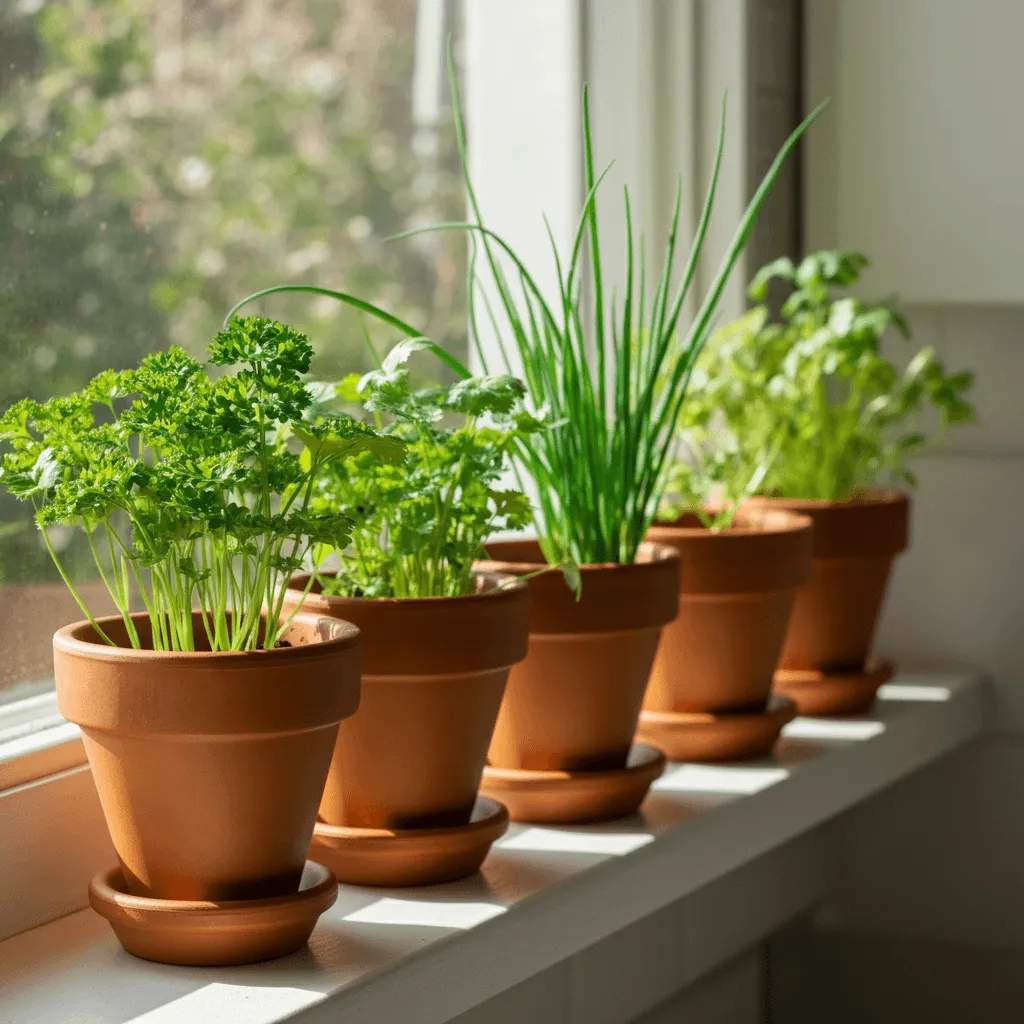
Don’t overlook window sills! A set of small pots filled with parsley, cilantro, and chives can fit neatly along those narrow ledges, bringing both greenery and functionality inside.
Inspiration
A chef in San Francisco created a mini herb garden in terracotta pots on their kitchen windowsill, making it easy to grab fresh ingredients while cooking.
6. Make Use of Stackable Planters
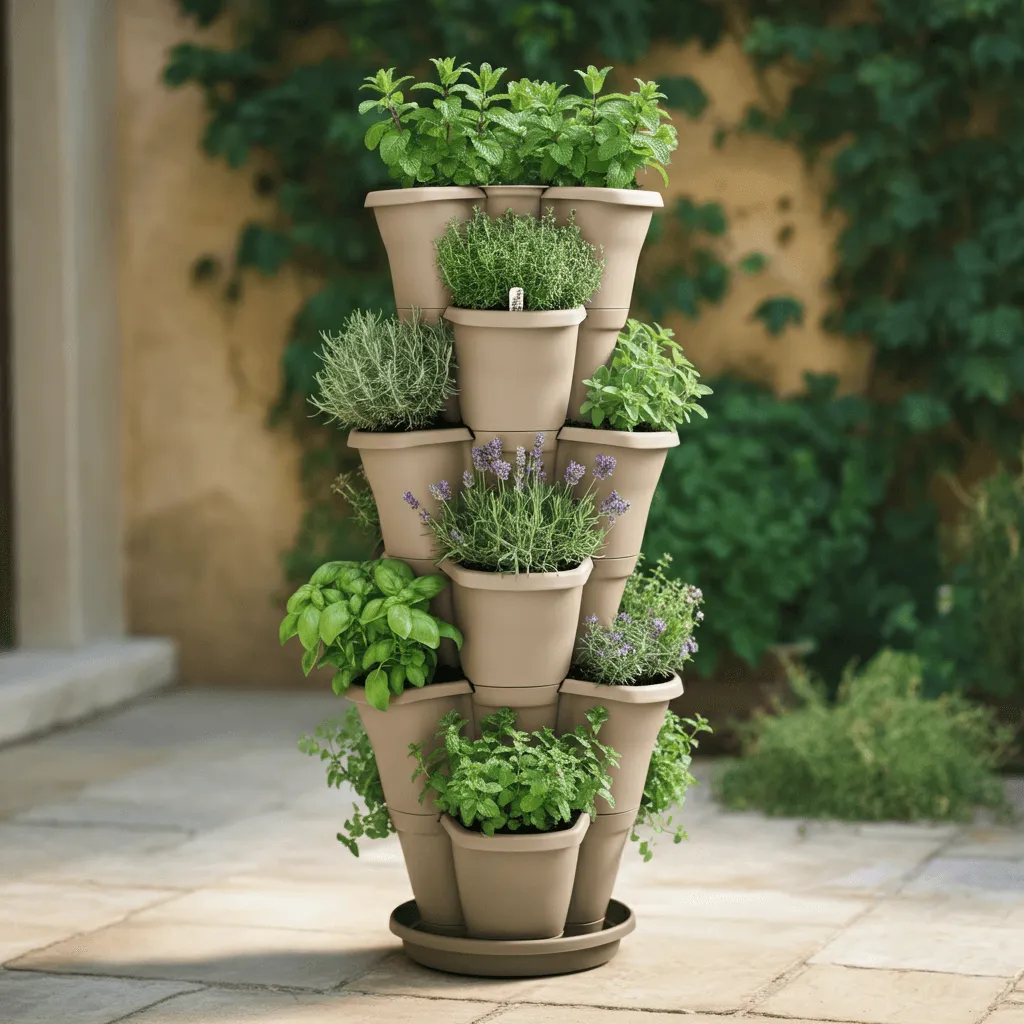
Stackable planters are a clever way to grow multiple plants within a single footprint. Designed like towers, they’re great for growing strawberries, herbs, or salad greens.
A gardener in Miami swore by a five-tiered stackable planter for their tiny courtyard. With mint, oregano, and lavender in abundance, the setup didn’t just look good—it smelled amazing too.
7. Opt for Self-Watering Pots
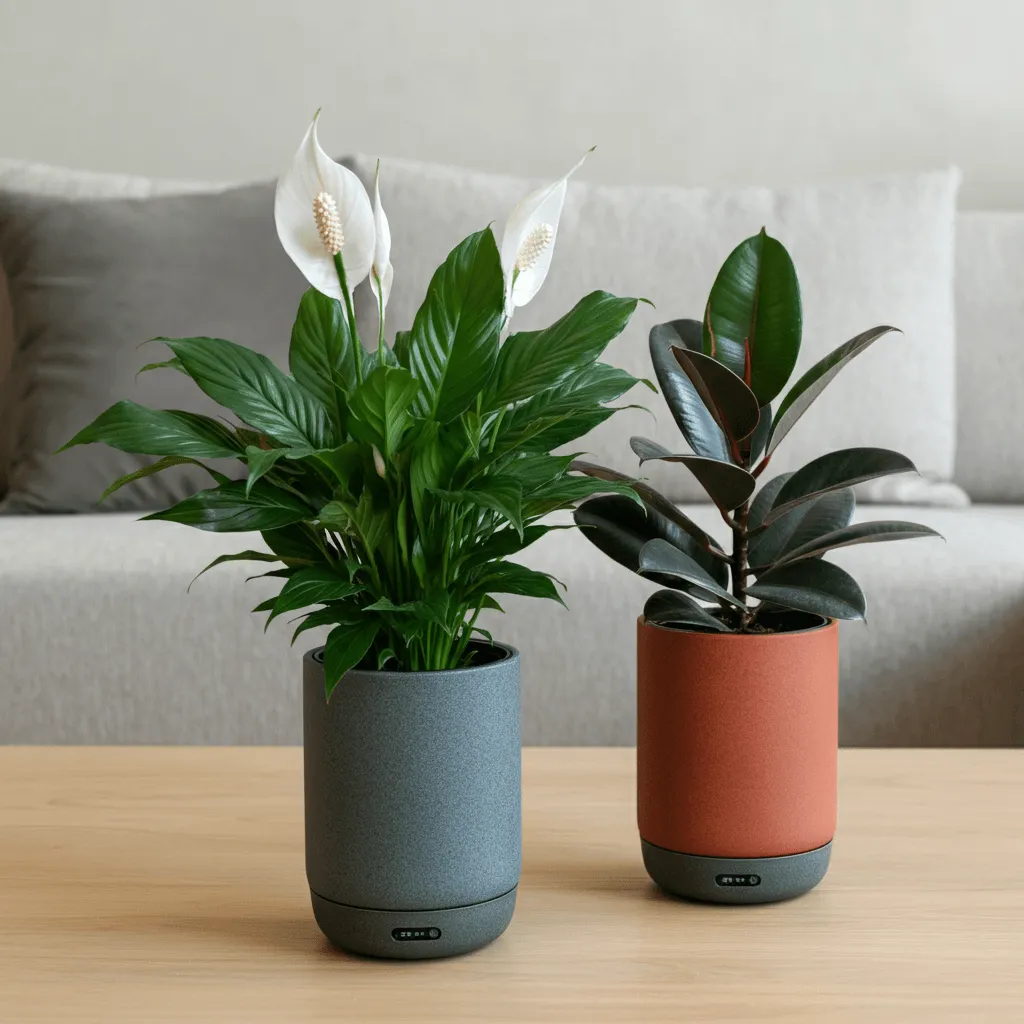
For busy people who tend to forget watering plants (no judgment!), self-watering pots can be life-savers. They feature reservoirs that keep plants hydrated for days, reducing maintenance and over-watering risks.
A family with a hectic schedule in Dallas used decorative self-watering containers to house their peace lily and rubber plant, ensuring consistent care with minimal effort.
8. Combine Plant Types for Visual Interest
Instead of sticking with one plant per pot, combine varieties like flowers, grasses, and trailing plants to create a mini ecosystem in each container. Play around with color, texture, and height for maximum effect.
Think marigolds paired with creeping jenny or geraniums surrounded by baby’s breath. A neighbor in Atlanta swore their colorful mix turned their entryway into a showstopper.

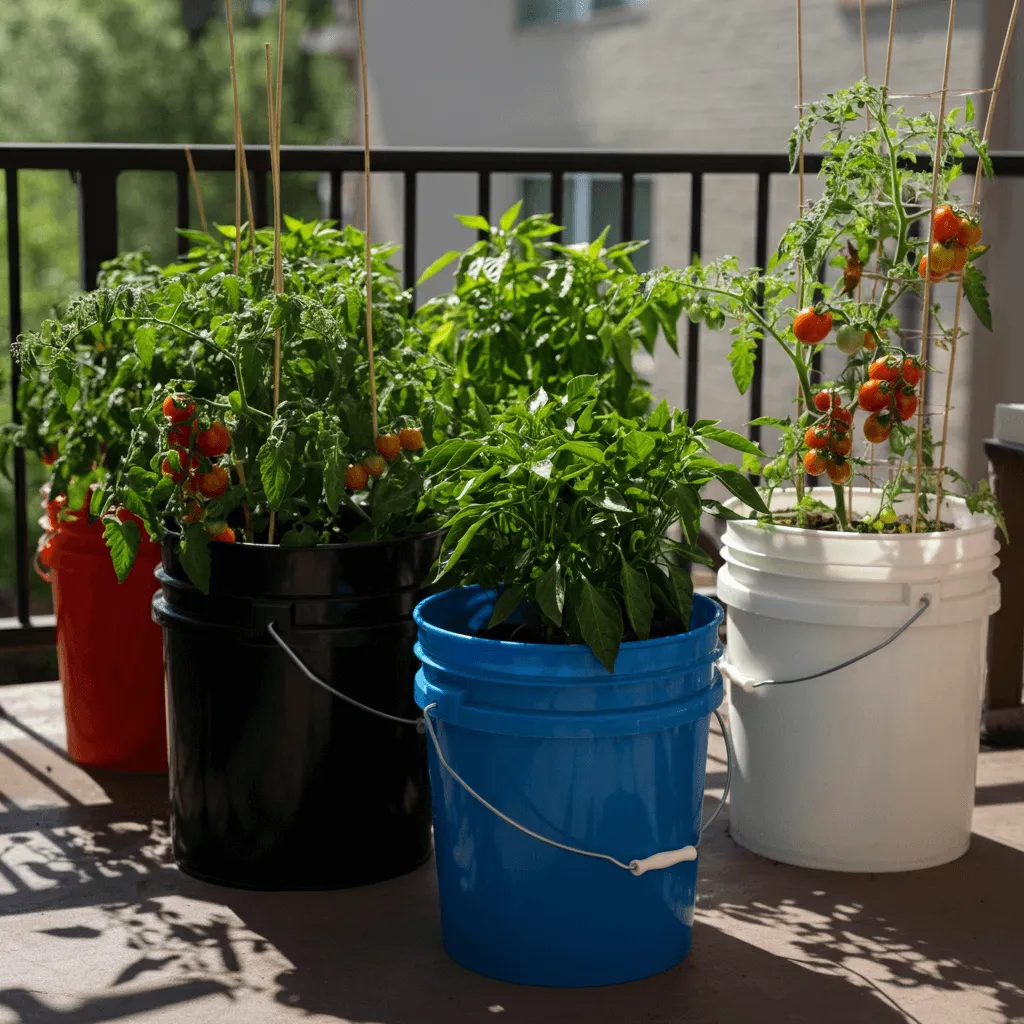
9. Grow Veggies in Buckets
Containers like 5-gallon buckets might not sound glamorous, but they’re perfect for growing hearty vegetables like tomatoes, peppers, and cucumbers in small spaces. Cut holes for drainage, add soil, and you’re ready to grow.
One urban gardener in Boston started with two buckets of cherry tomatoes and ended up harvesting enough to share with neighbors all summer.
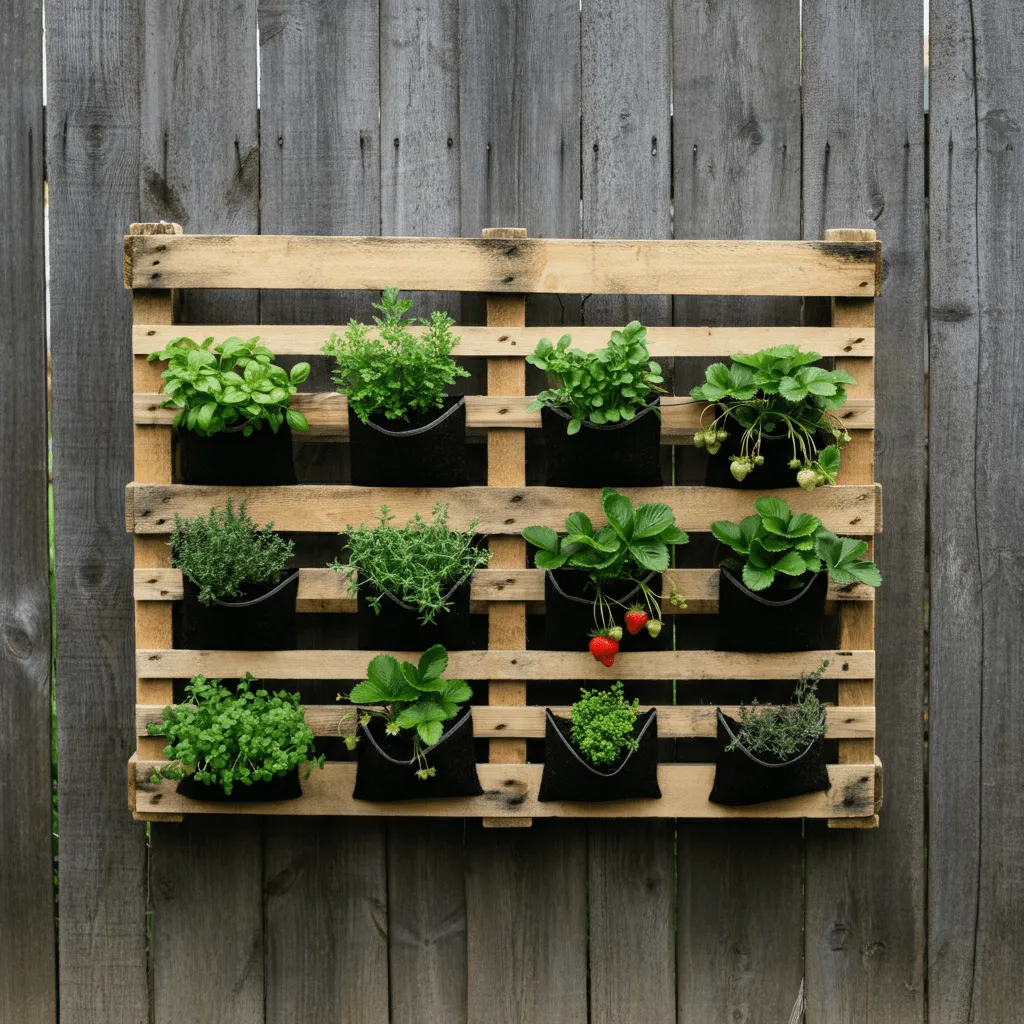
10. Use Wooden Pallets for Vertical Growing
Turn an old pallet into a vertical garden by attaching plant pockets or shallow pots. They’re brilliant for herbs, succulents, or even strawberries, and they take up almost no floor space!
A DIY-er in Denver mounted a pallet against her fence, creating an edible herb wall for under $20. Affordable and functional!
11. Go Green with Recycled Containers
Step up your sustainability game by using recycled cans, jars, or even discarded shoes for planting. These quirky pots catch attention and keep items out of landfills.
A family in Portland used colorful tin cans to grow chili peppers, creating an adorable and eco-friendly wall feature.

12. Create a Themed Garden
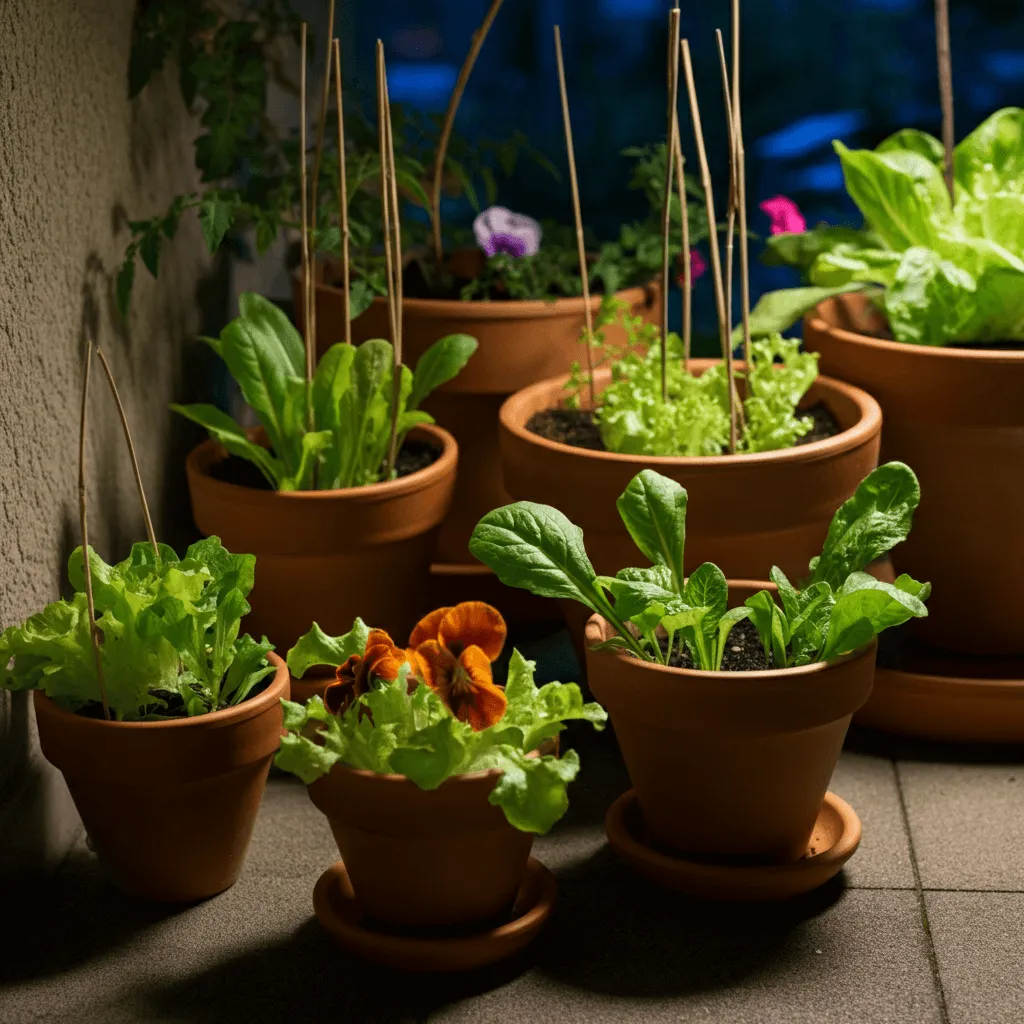
Pick a theme for your containers! For instance, you can create an all-edible garden with herbs and vegetables or focus on fragrant flowers like jasmine and lavender.
A gardening enthusiast in Nashville decided on a “salad bowl” theme, growing greens, cherry tomatoes, and edible flowers in matching terracotta containers.
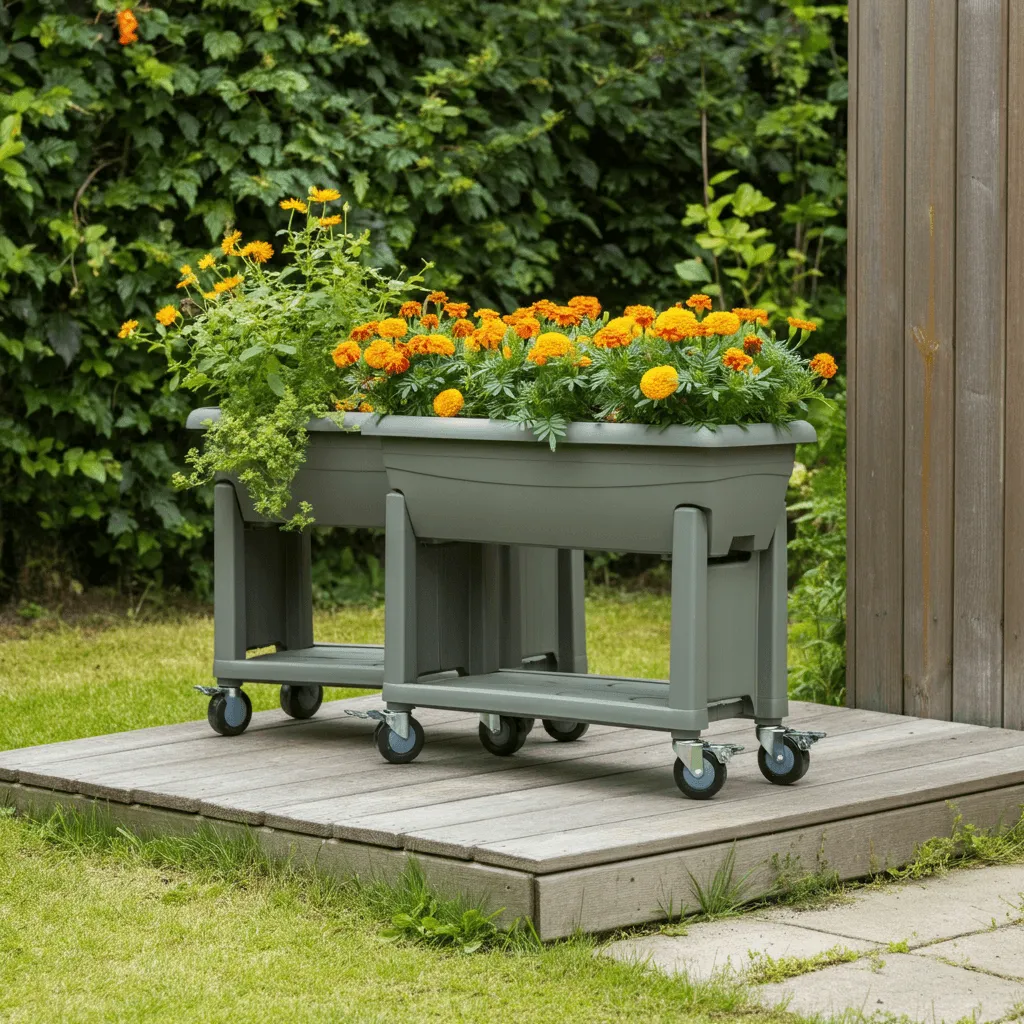
13. Add Mobility with Rolling Planters
Rolling planters are genius for small spaces. Wheels make it easy to move plants in and out of sunlight or to rearrange your deck for entertaining.
An elder gardener in Philly used rolling planters to keep their sun-loving flowers chasing the light throughout the day.
Pro Tip
Opt for locking wheels to prevent accidental rolling during windy days.
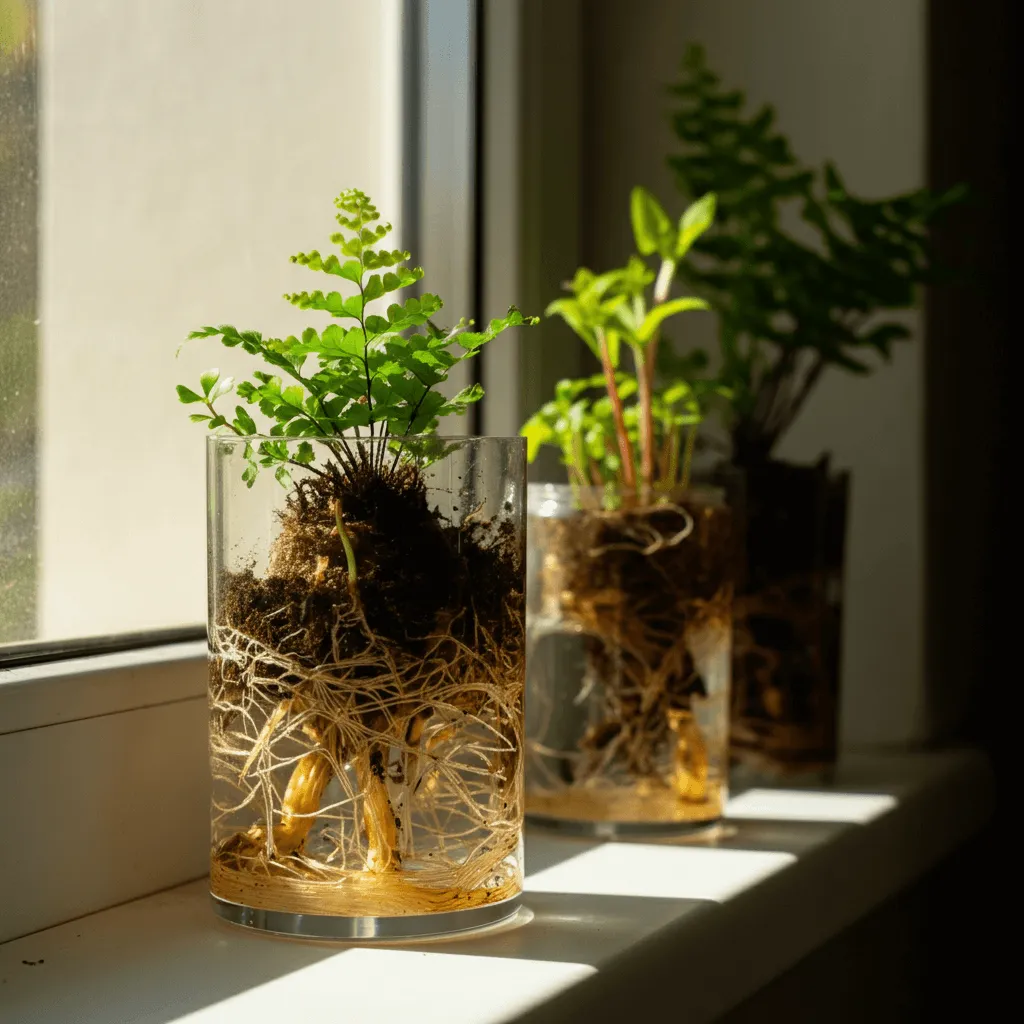
14. Use Clear Containers to Highlight Roots
Clear containers aren’t just for style—they showcase a plant’s hidden world. Watching root systems develop is both fascinating and educational, especially for kids. Glass jars or acrylic pots work well.
A teacher in Los Angeles used see-through containers in her classroom to teach students how plants grow, and the kids loved it.
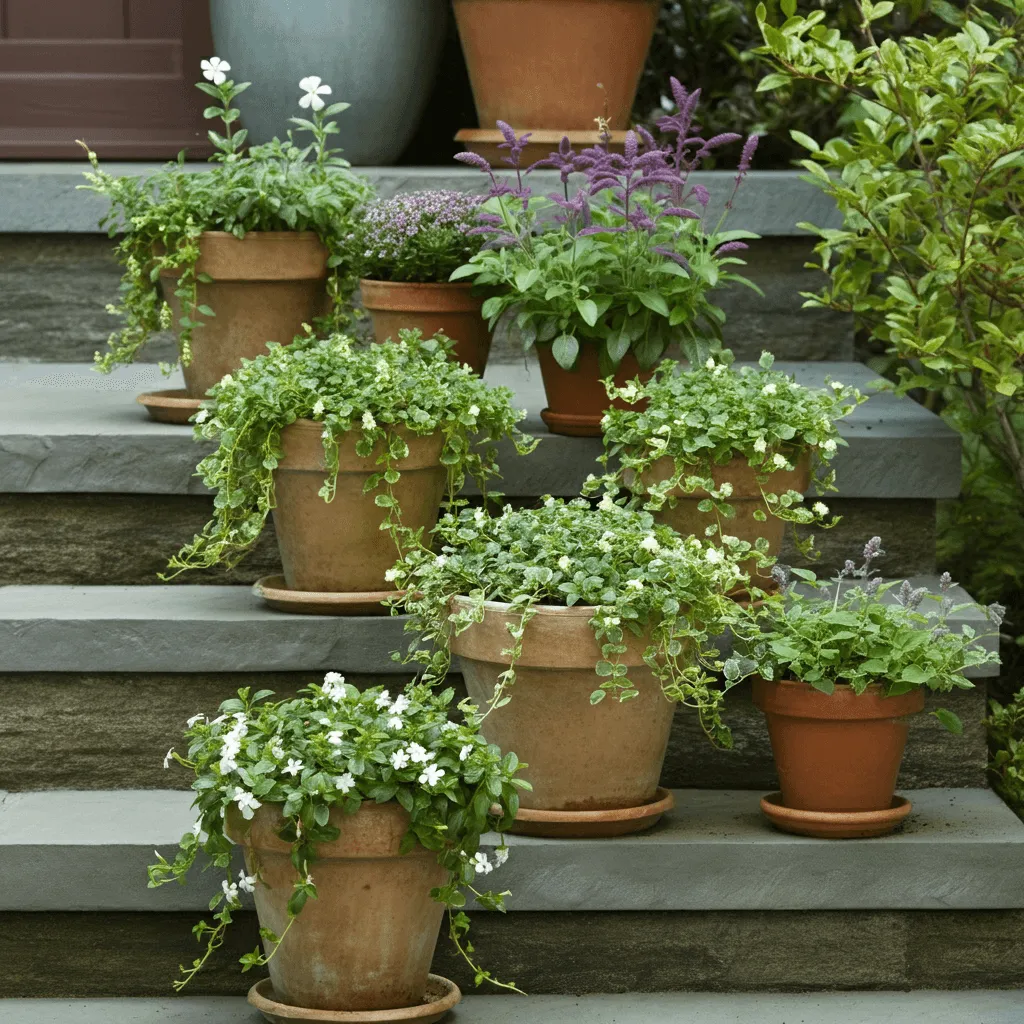
15. Layer Pots for a Cascading Design
Stacking pots or placing them on staircases creates a cascading effect that’s visually stunning. Use larger pots at the bottom and smaller ones on top to balance the tiers.
A gardener in Phoenix arranged pots along their outdoor steps, combining trailing plants like vinca and taller species like salvia. It became the perfect backdrop for evening barbecues.
FAQs About Container Gardening
What plants grow best in small containers?
Herbs like basil, parsley, and thyme thrive in small pots, as do succulents, salad greens, and compact flowers like pansies.
How do I prevent overwatering in containers?
Ensure pots have proper drainage holes. Consider using self-watering pots or placing a layer of pebbles at the bottom.
Can I grow vegetables in containers?
Absolutely! Tomatoes, peppers, lettuce, and even small root vegetables like radishes are great for container gardening. Just match the container size to the plant’s requirements.
What’s the easiest way to start container gardening on a budget?
Use repurposed household items as planters and start with easy-to-grow plants like herbs and flowers.
Wrapping Up
Container gardening proves that you don’t need a sprawling yard to create a green oasis. From tiered stands to rolling planters, these clever ideas will help you make the most of your small spaces while adding a personal touch to your outdoor or indoor areas. Which idea will you try first? Get started, and watch your small space bloom into something extraordinary!