11 Creative Eco-Friendly Garden Ideas to Transform Your Outdoor Space
Introduction
Have you ever felt like your garden needs a makeover but without harming the environment? Don’t worry; you’re not alone! Creating a stunning outdoor space while reducing environmental impact isn’t as hard as convincing a toddler to eat broccoli—it’s entirely possible! With a little creativity and effort, you can turn your garden into an eco-friendly haven that’s beautiful, functional, and kind to the planet.
From reducing water waste to upcycling materials, we’ve gathered 11 eco-friendly garden ideas that aren’t just innovative but also actionable. Think of it as giving your garden a green heart to match its vibrant leaves.
1. Compost for Healthy Soil
Why throw kitchen scraps away when they can fuel your garden? Composting is an easy and effective way to turn organic waste like fruit peels, coffee grounds, and eggshells into nutrient-rich soil amendments. Your plants will essentially have their own buffet without requiring chemical fertilizers.
Real-Life Example
A couple in Vermont set up a backyard compost bin and reduced their household waste by 40%. They used the compost to enrich their vegetable garden, leading to abundant tomatoes and zucchinis.
Pro Tip
Keep your compost balanced—combine “greens” (like vegetable scraps) with “browns” (like dried leaves or cardboard) to maintain the right moisture level.

2. Make Rainwater Your Partner
Instead of relying solely on tap water, install rain barrels to collect and store rainwater. It’s like free hydration for your plants, especially during dry seasons. This approach not only reduces your water bill but also conserves freshwater resources.
Case Study
An urban community garden in Oregon implemented a rainwater harvesting system. With it, they watered their entire garden without turning on a single faucet for an entire year!
Quick Tip
Position your rain barrels under gutters for maximum collection and ensure they have secure lids to prevent mosquitoes.

3. Choose Native Plants
Native plants are nature’s way of saying, “We’ve got this.” These plants are already adapted to your local climate and soil, meaning they require less water, fertilizer, and effort. They also provide crucial habitats for local wildlife.
Why It Works
Native plants like coneflowers or milkweed attract pollinators like bees and butterflies, doubling your garden’s aesthetic with a touch of nature.

4. Design with Mulch
Mulch isn’t just ground cover; it’s a plant’s best friend. By spreading natural materials like wood chips or straw around your plants, you retain soil moisture and reduce weeds while giving your garden a tidy, polished appearance.
Benefits
- Cuts down on water evaporation
- Prevents soil erosion
- Adds organic nutrients over time

5. Create an Edible Oasis
Transforming part of your garden into an edible one doesn’t just reduce your grocery trips—it also minimizes your carbon footprint. Grow your favorite vegetables, herbs, and fruits for a greener, tastier garden.
Real-Life Example
A family in California turned their side yard into an edible haven with raised beds filled with lettuce, peppers, and strawberries. The result? Fresh ingredients for family dinners and fewer trips to the market.

6. Go Solar with Outdoor Lighting
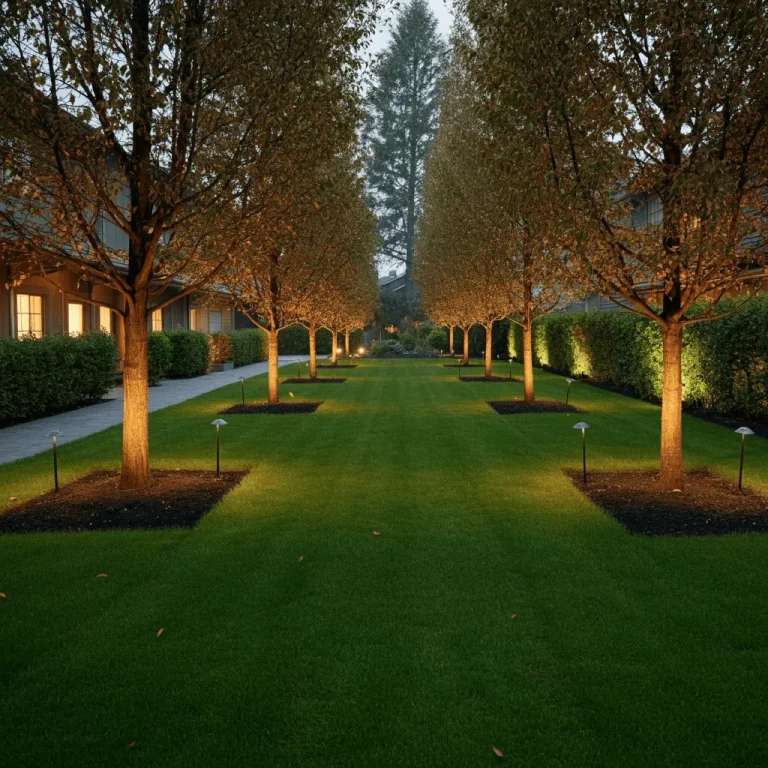
Solar-powered lights are an eco-friendly way to illuminate your garden at night. They soak up sunlight during the day and automatically turn on after dusk, cutting down your electricity usage without sacrificing ambiance.
Implementation Tip
Use solar string lights for patios or along pathways, giving your space a warm and magical glow.

7. Replace Lawns with Wildflower Meadows
Traditional grass lawns demand a lot of water, fertilizer, and mowing. Why not replace them with a low-maintenance wildflower meadow? Not only does this reduce upkeep, but it also invites colorful butterflies and bees.
Example
A couple in Texas replaced their thirsty front lawn with native wildflowers and reduced their water consumption by 60%. They now enjoy a vibrant, buzzing garden year-round.

8. DIY Drip Irrigation Systems
Traditional sprinklers are wasteful, often watering areas that don’t need it. Drip irrigation directly targets plant roots, ensuring every drop counts.
DIY Idea
Make your own system using a soaker hose or repurposed plastic bottles fitted with small holes. This is both cost-effective and sustainable.

9. Upcycle for Unique Decor
Who needs expensive decorations when you can upcycle? Repurpose old household items into garden art or planters. For example, an old teapot can become a whimsical flower pot, or pallets can be turned into vertical gardens.
Ideas to Get You Started
- Use wine bottles to edge pathways.
- Repurpose an unused ladder as a plant stand.

10. Create Animal Habitats
An eco-friendly garden isn’t just about plants—it’s about fostering biodiversity. Add birdhouses, bee hotels, or a small pond to invite wildlife into your yard.
Pro Tip
Opt for native shrubs and trees that provide shelter and food for local creatures.

11. Plant Layers for a Natural Look
Layering your garden with plants of different heights mimics natural ecosystems and promotes biodiversity. Start with shorter plants, then mid-sized shrubs, and finally taller trees for a cascading effect.
Real-Life Success
A landscaper in Washington designed a multi-layered garden using ferns, holly, and cedar trees, creating a space that feels like a walk through the woods.

FAQs
Q1. What is the easiest way to start an eco-friendly garden?
Start small with composting and native plants. These two steps are easy to manage and make a significant impact.
Q2. How can I make my garden eco-friendly and stylish?
Upcycle old items into decor and choose plants with vibrant foliage. Your garden can have personality while staying sustainable.
Q3. What plants are best for eco-friendly gardening?
Native plants are always a great choice. Additionally, perennials like lavender and salvia are low-maintenance and attract pollinators.
Q4. Are eco-friendly gardens expensive?
Not necessarily! Many eco-friendly practices, like composting and using rain barrels, reduce long-term costs.
Conclusion
Transforming your outdoor space into an eco-friendly garden isn’t just better for the planet—it’s rewarding, fun, and cost-saving in the long run. From using compost and native plants to creating vibrant pollinator habitats, these 11 ideas will make your garden greener in every sense of the word.
Start small, and watch as your efforts blossom (pun intended) into a lush, sustainable paradise. After all, every little step counts when it comes to caring for our Earth.