15 Fire-Resistant Landscaping Ideas for a Safer, Beautiful Yard
Why do trees have such good fire drills? Because they always know how to “leaf” danger behind! Jokes aside, protecting your home from wildfires doesn’t mean sacrificing elegance in your outdoor space. Fire-resistant landscaping, also known as firescaping, allows you to design a backyard that’s both stunning and safe. By combining strategic plant selection, creative spacing, and innovative elements, you’ll enjoy peace of mind while preserving your property.
This article introduces 15 fire-resistant landscaping ideas that balance safety and beauty seamlessly.
Why Fire-Resistant Landscaping Matters
Wildfires are becoming an increasing concern worldwide, particularly in areas with dry climates or extended hot seasons. Fire-resistant landscaping minimizes risks by limiting potential fuel sources, creating defensible zones, and incorporating non-flammable materials. Plus, implementing these ideas can help conserve water and enhance the aesthetic appeal of your outdoor space.
Read on for practical tips and inspiring ideas to design your fire-smart yard.
1. Create a Defensible Perimeter
One of the most important elements of fire-resistant landscaping is establishing a defensible space around your home. This area acts as a buffer zone between your house and wildfire-prone vegetation.
Tips for Success
- Keep a 5- to 10-foot zone immediately around your home free of flammable materials.
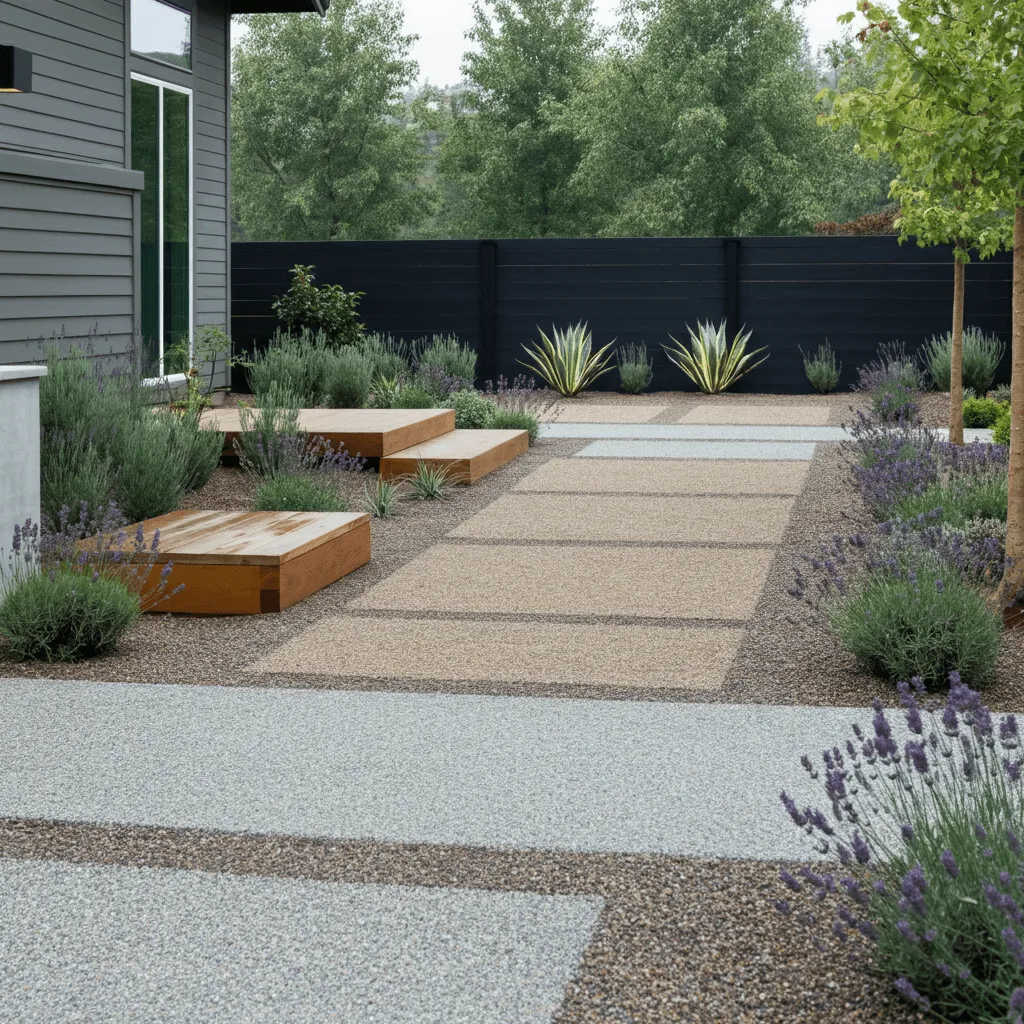
- Use hardscaping like gravel or pavers instead of organic mulch near structures.
- Mow grass regularly and clear away dry leaves or twigs.
Example
A homeowner in California installed a perimeter of decomposed granite around their house, reducing fire risks while adding a polished modern touch.
2. Choose Fire-Resistant Plants
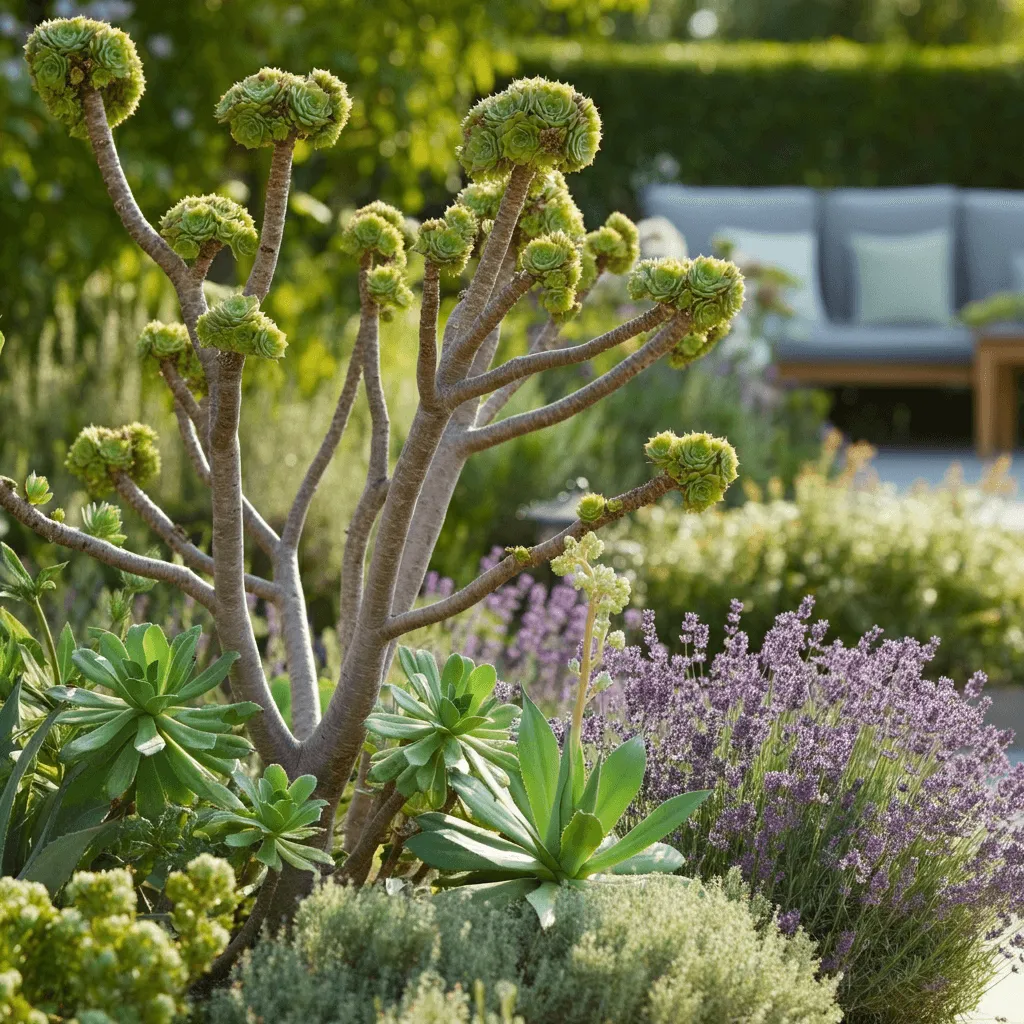
Including plants with high moisture content and low sap levels can make a significant difference in fireproofing your yard. Succulents, agave, and lavender are examples of plants that are both attractive and fire-resistant.
Characteristics of Fire-Resistant Plants
- Minimal oils, resins, or waxes.
- Thick, fleshy leaves that hold water.
- Open branching structures to prevent fire from spreading.
Real-Life Inspiration
An Arizona landscaper used aloe vera and golden barrel cacti to craft an attractive border that also serves as a natural fire break.
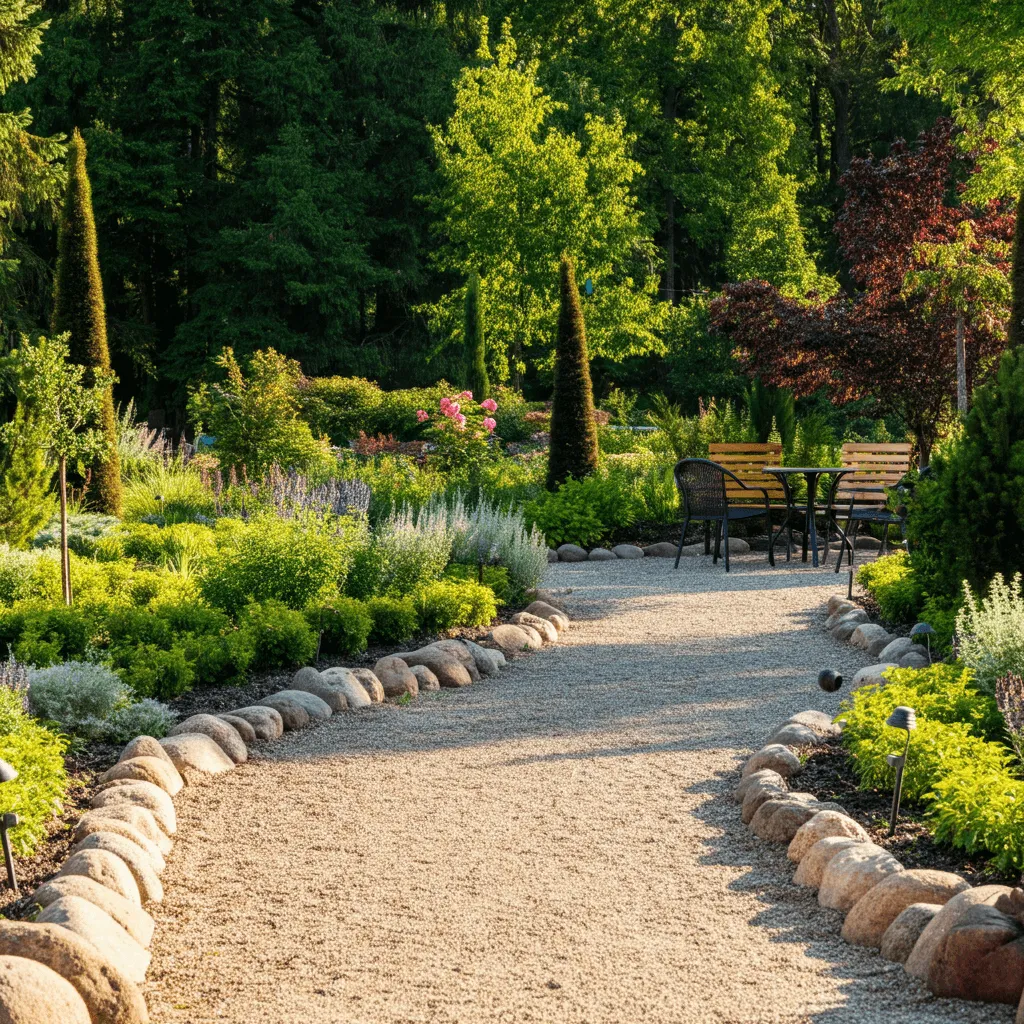
3. Integrate Gravel Pathways
Gravel pathways act as natural fire breaks, preventing flames from leaping between plant clusters. These paths also guide visitors through your yard, adding functionality and style.
Design Advice
Opt for gravel in earthy tones that complement your plants. Use curved paths to create visual interest while maintaining safety.
4. Install Non-Flammable Mulch Alternatives
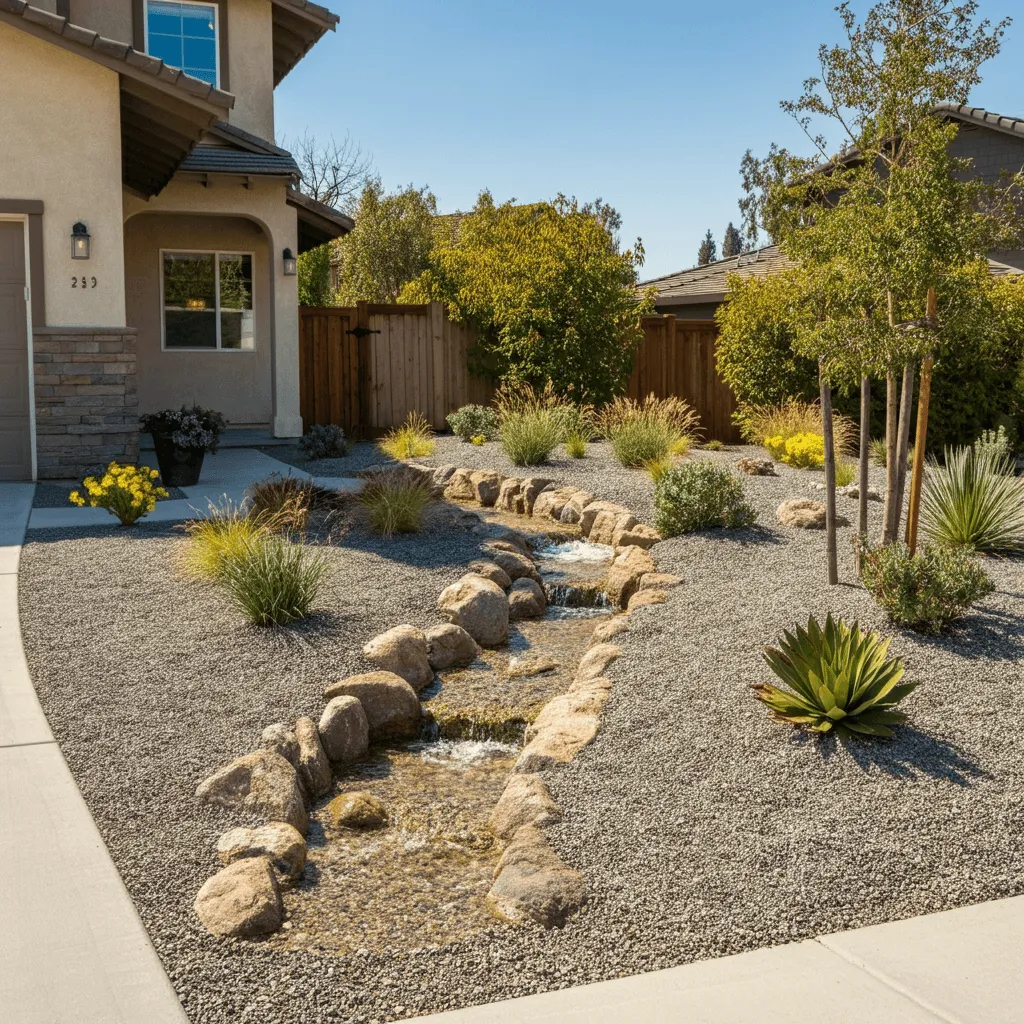
While mulch helps retain soil moisture, organic options like wood chips can ignite easily. Switch to safer alternatives, such as gravel, river rocks, or crushed stone.
Benefits
- Non-flammable materials significantly reduce the spread of fire.
- They also serve as aesthetically pleasing ground cover.
5. Space Out Vegetation
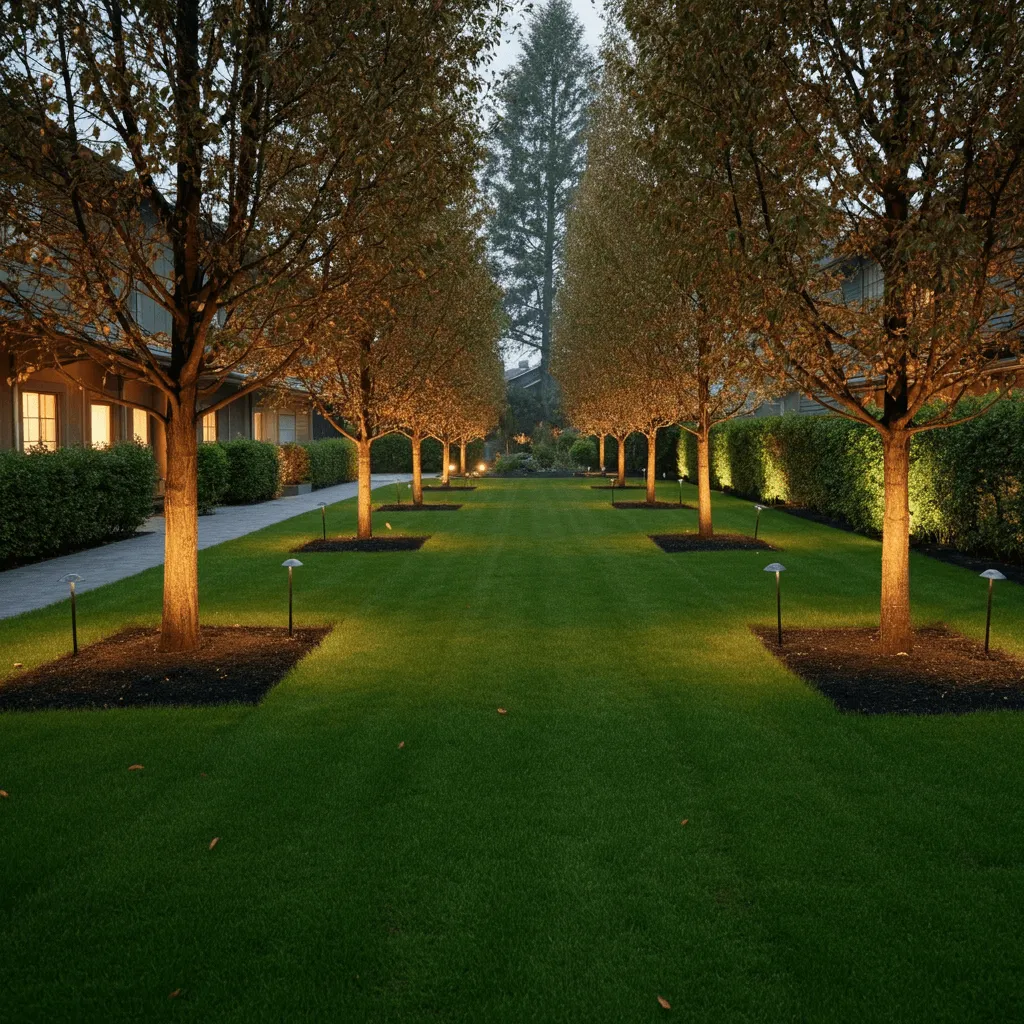
Overcrowded plants can act as fuel, helping fires spread quickly. Proper spacing between plants is essential for fireproof landscaping.
Best Practices
- Place trees at least 10-15 feet apart.
- Keep shrubs at least 4-6 feet away from structures or one another.
- Use low-growing vegetation in open areas.
6. Include Hardscaping Features
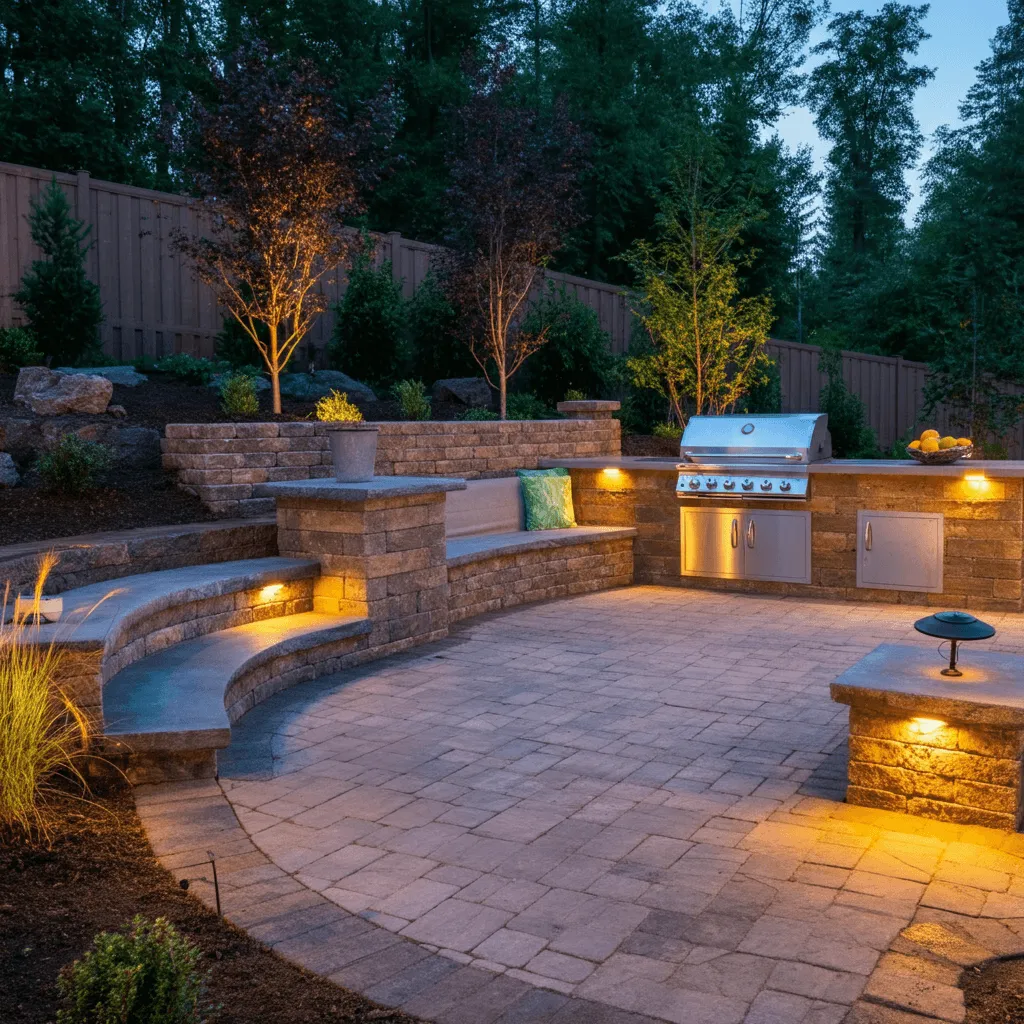
Stone, concrete, and brick aren’t just beautiful; they’re naturally fireproof. Hardscaping features such as patios, retaining walls, and stone garden beds provide both safety and durability.
Pro Tip
Consider adding a concrete sitting area with a built-in grill for a fire-safe entertainment corner.
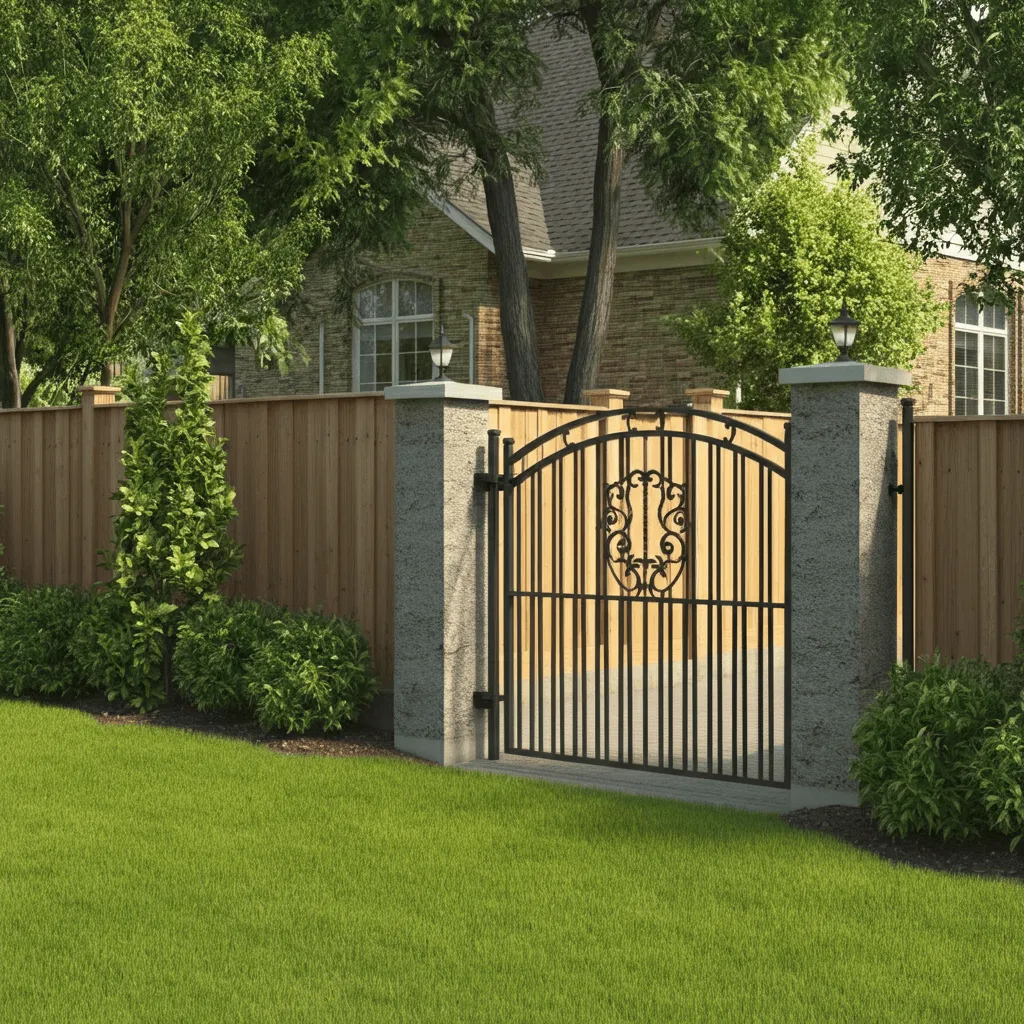
7. Switch to Metal Fencing
Wooden fences may look charming, but they’re also highly flammable. Metal or stone fences are safer and just as stylish.
Example
A suburban home in Nevada installed wrought-iron gates and steel fencing, giving their property a blend of rustic charm and fire resistance.
8. Integrate Water Features
A well-placed water feature can stop fires in their tracks while transforming your yard into a serene oasis. Ponds, fountains, and even small birdbaths act as natural barriers.
Creative Ideas
- Add a koi pond surrounded by drought-tolerant succulents.
- Use a cascading fountain as a centerpiece for your patio.

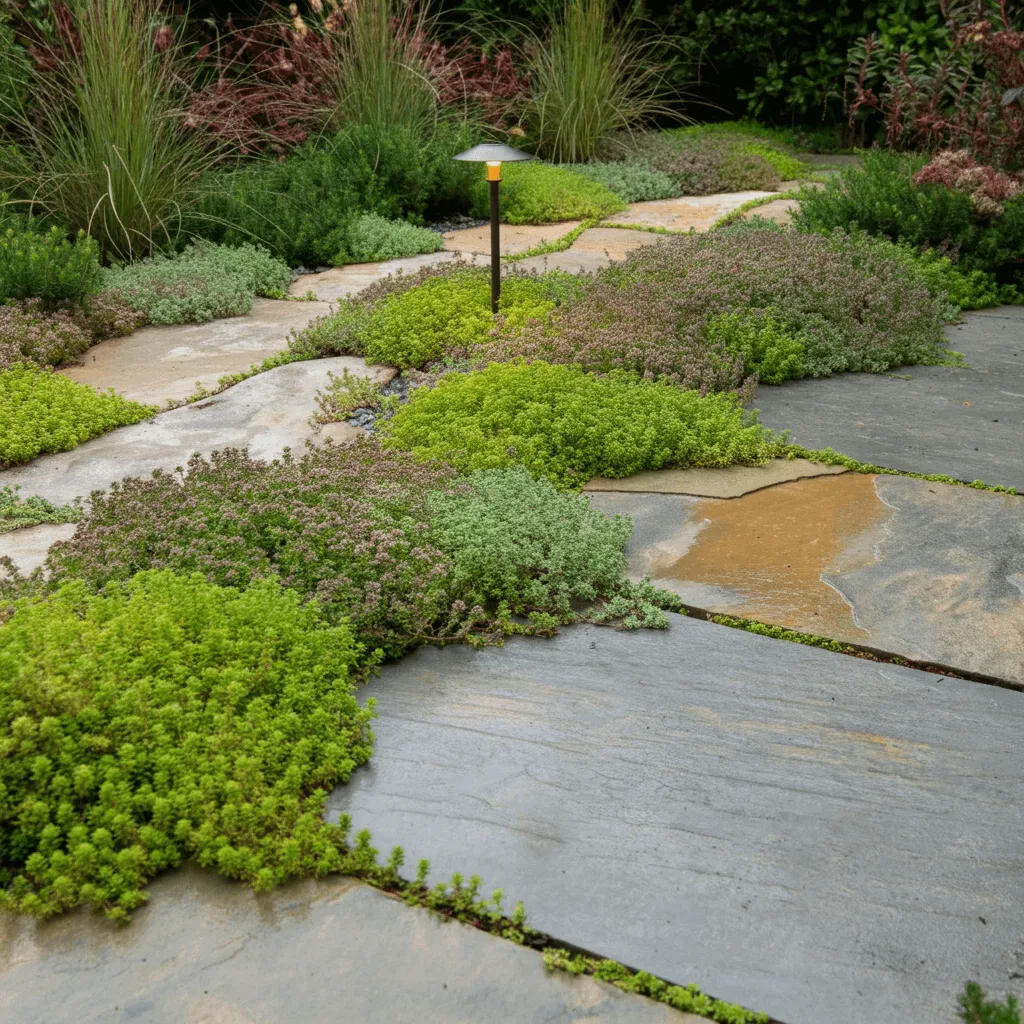
9. Plant Ground Cover With Low-Flammable Choices
Ground cover like creeping thyme or ice plants can add greenery to open spaces without elevating fire risks. These low-maintenance plants are ideal for filling gaps in your landscaping.
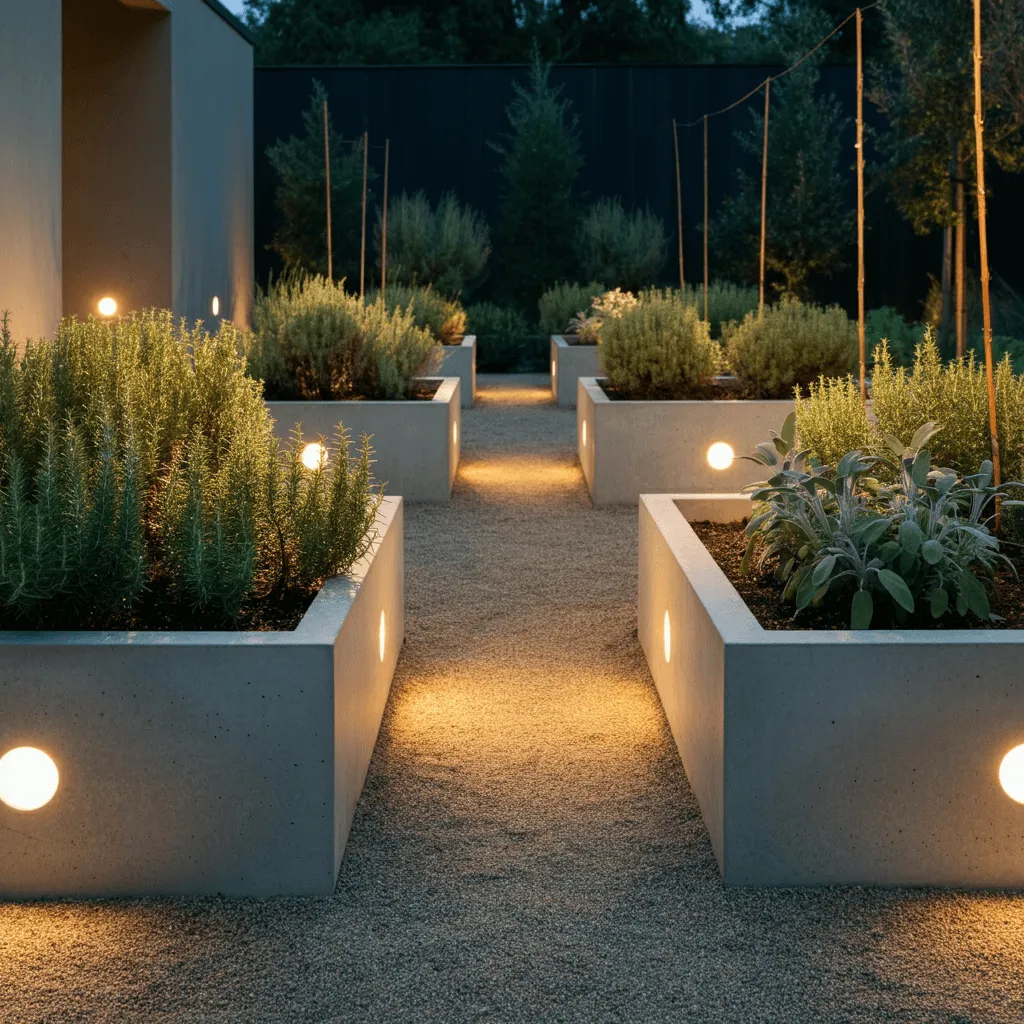
10. Use Raised Garden Beds
Raised beds, made from fireproof materials like concrete or stone, help control fire spread while keeping your garden organized.
Design Tip
Fill raised beds with herbs like rosemary and sage for a mix of beauty and utility.
11. Regular Maintenance to Reduce Risks
Over time, dead leaves and dry debris can accumulate and become fire hazards. Regular upkeep ensures your landscaping remains safe and attractive.
Maintenance Checklist
- Trim trees and remove low-hanging branches.
- Clear dead plant matter weekly.
- Inspect irrigation systems regularly.

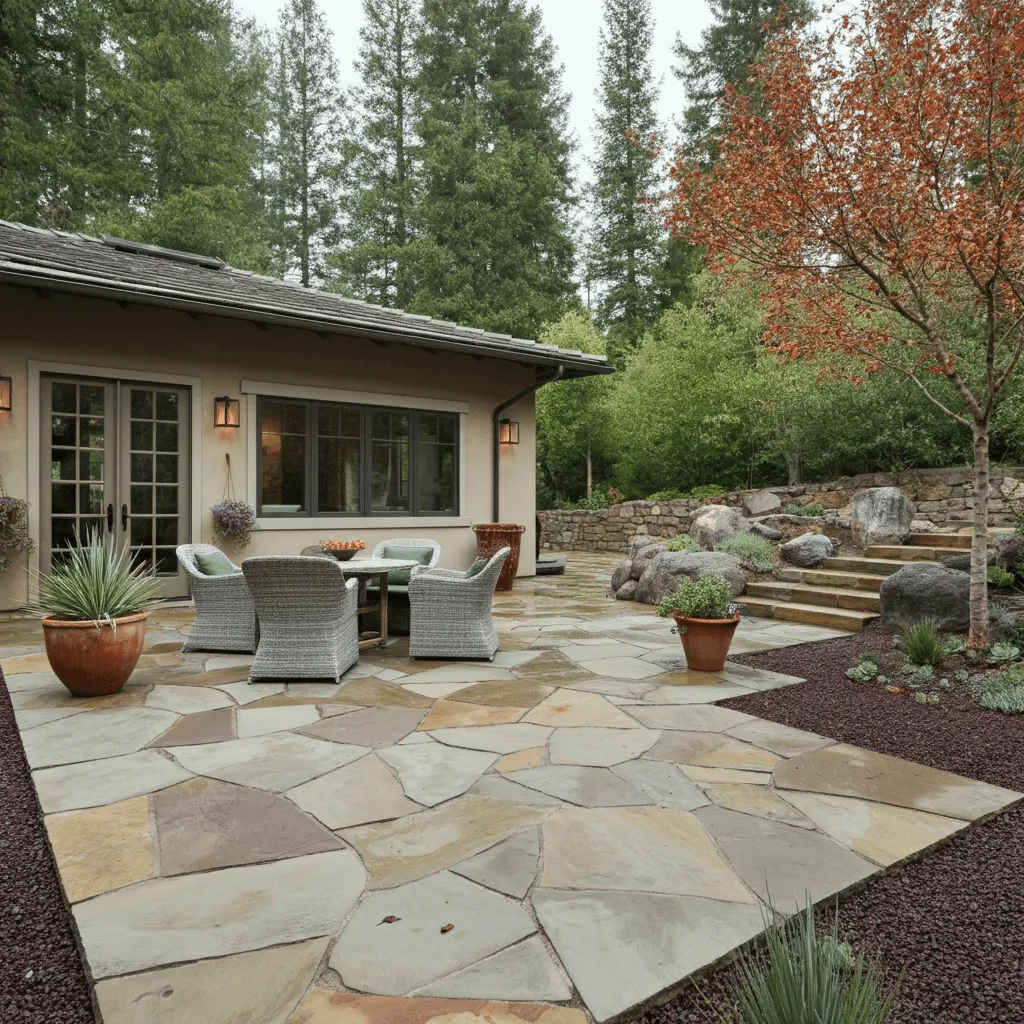
12. Install Fire-Safe Zoning Around Structures
Keep flammable plants and materials away from patios, decks, and windows to minimize risks. Use stone or tile flooring for added safety in these areas.
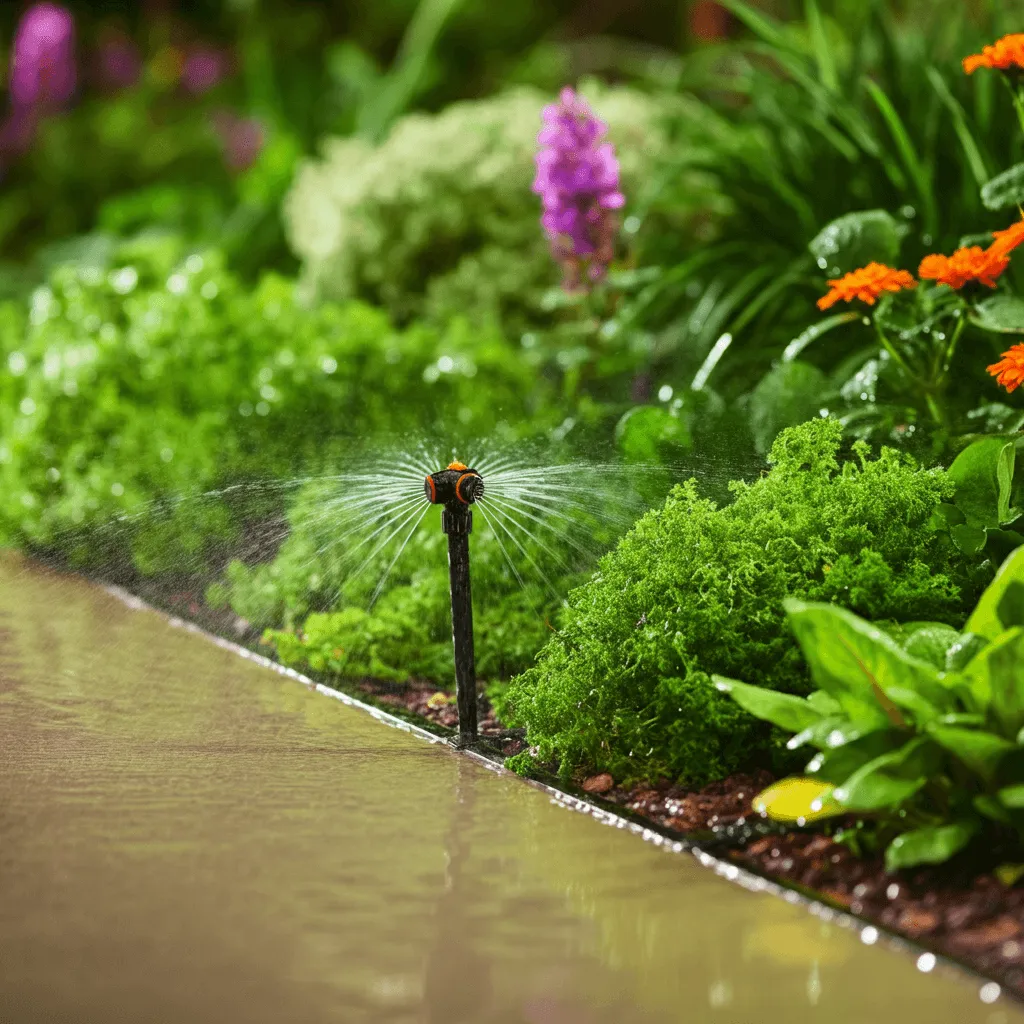
13. Set Up Drip Irrigation Systems
Drip irrigation delivers water straight to plant roots, keeping vegetation hydrated and less likely to ignite. It’s eco-friendly and efficient.
14. Add Vegetation-Free Firebreaks
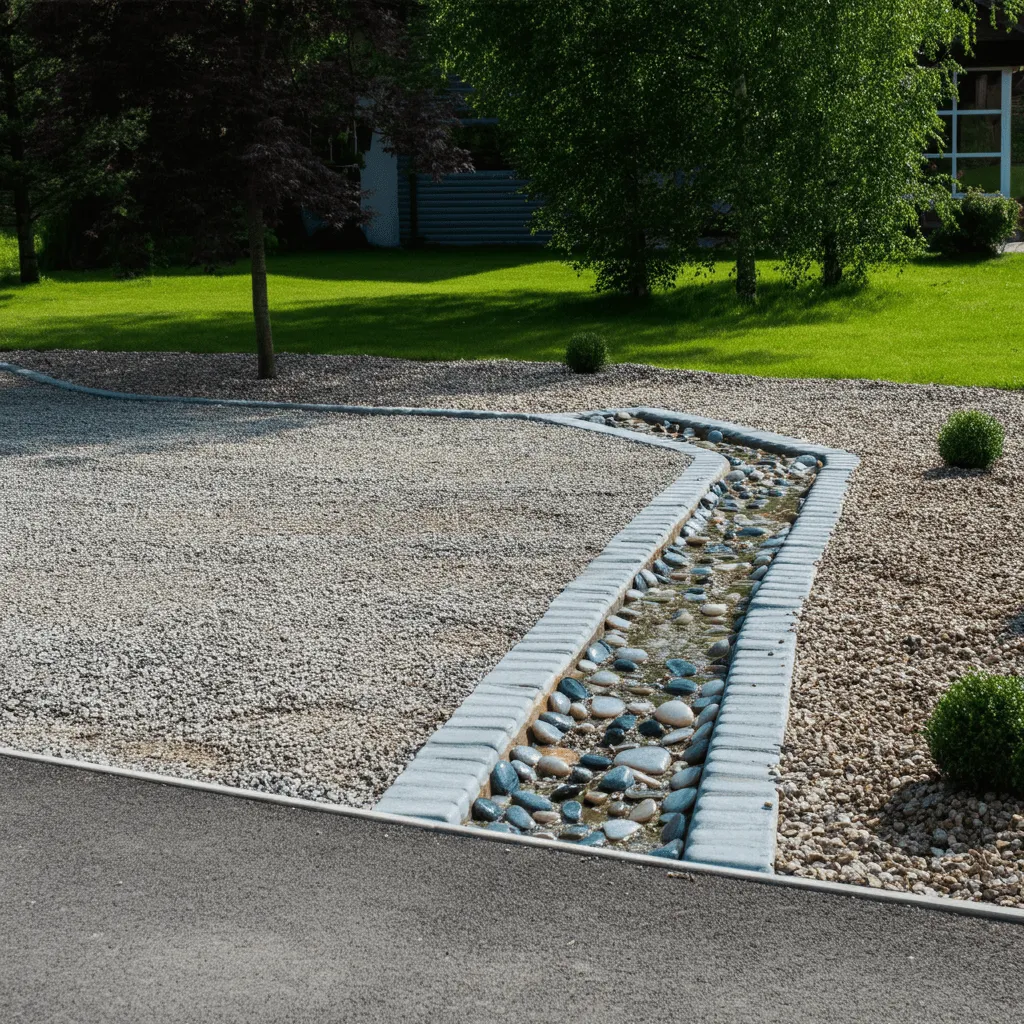
Firebreaks, like wide driveways, stone paths, or open gravel areas, prevent flames from spreading across your landscape.
Popular Options
- Faux riverbeds made of polished stones.
- Spacious brick patios with minimal greenery.
15. Replace Flammable Furniture
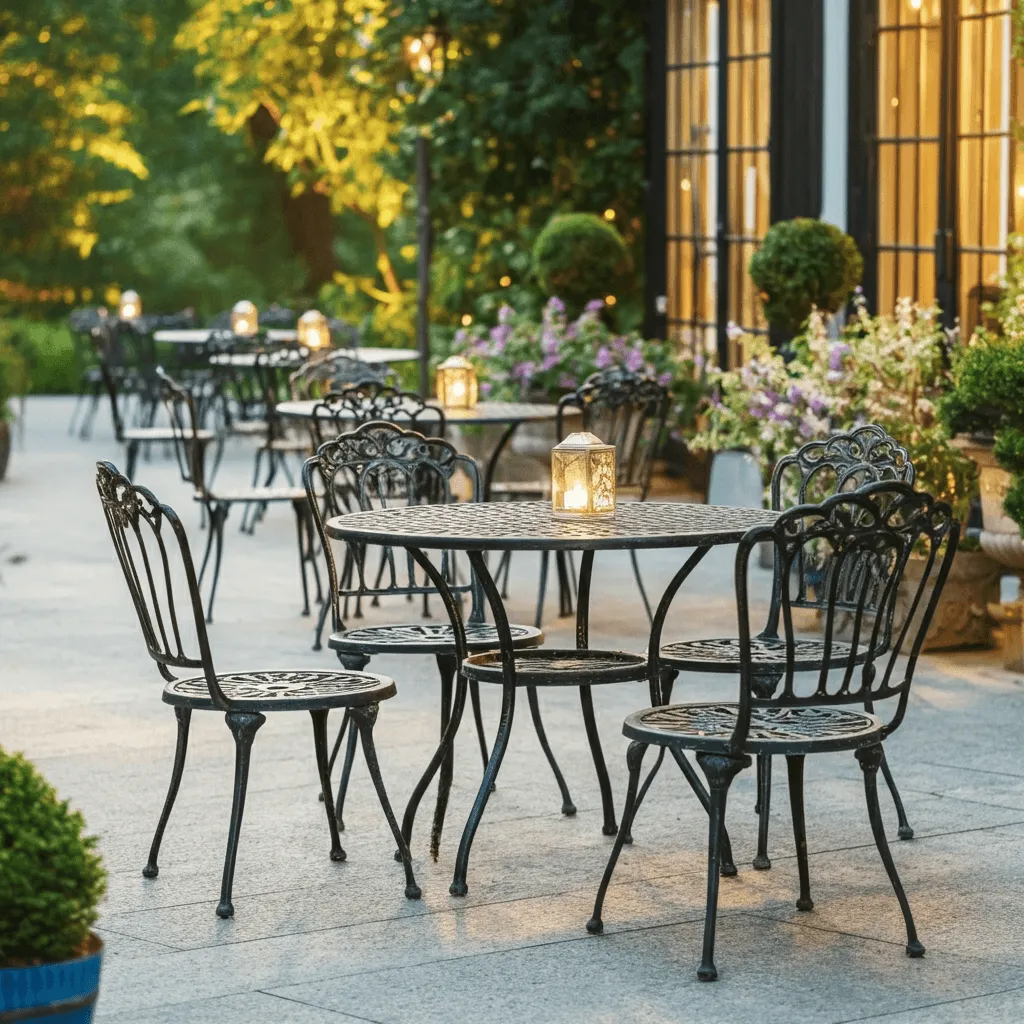
Outdoor furniture made with wood or fabric can catch fire quickly. Opt for metal or composite materials to elevate your seating area’s safety factor.
Example
A studio apartment complex in California switched to durable wrought-iron tables and chairs for their shared garden, blending style with practicality.
FAQs About Fire-Resistant Landscaping
What types of plants are fire-resistant?
Succulents, lavender, agave, and creeping thyme are great options due to their high moisture content and minimal oils.
How often should landscaping be maintained for fire safety?
Weekly clearing of debris and seasonal pruning help maintain a fire-safe yard.
Can wooden fences be fireproofed?
Consider replacing wooden fences with metal or stone for maximum safety. Alternatively, treat existing wood with fire-retardant coatings.
What’s the best type of mulch for fire-prone areas?
Gravel, decomposed granite, and lava rocks are excellent options.
Wrapping Things Up
Fire-resistant landscaping adds an extra layer of protection while keeping your yard visually appealing. From defensible spaces to water features and hardscaping, these ideas ensure your outdoor area remains safe and welcoming. By incorporating these strategies, you can enjoy a safer, more beautiful home environment.