10 Foliage Garden Ideas for a Lush, Vibrant Yard
Introduction
What’s a gardener’s dream? A yard so lush and vibrant that it makes your neighbors question their own landscaping choices. If you’ve been staring at your patchy lawn wondering why it feels more “meh” than magical, it’s time to turn over a new leaf—literally. Foliage gardens can bring life, texture, and character to your outdoor space. Plus, they’re the garden equivalent of a black turtleneck—timeless, classy, and always in style.
This guide will walk you through 10 creative foliage garden ideas to level up your yard. Whether you’re starting from scratch or adding to an existing setup, these tips will help you create a verdant masterpiece full of leafy greens and rich textures.
1. Go Big with Bold Foliage Plants
If subtlety isn’t your style, make a statement with large, dramatic foliage. Think banana plants or elephant ears with their oversized leaves dominating your garden. These plants create a striking focal point and pair well with smaller greenery to balance the space.
Real-Life Example
A couple in Florida turned their backyard into a tropical paradise with elephant ear plants strategically placed near their pool, instantly creating a resort-like vibe.
Pro Tip
Position larger foliage near seating areas or as a backdrop to highlight other garden features.

2. Layer Different Heights and Textures
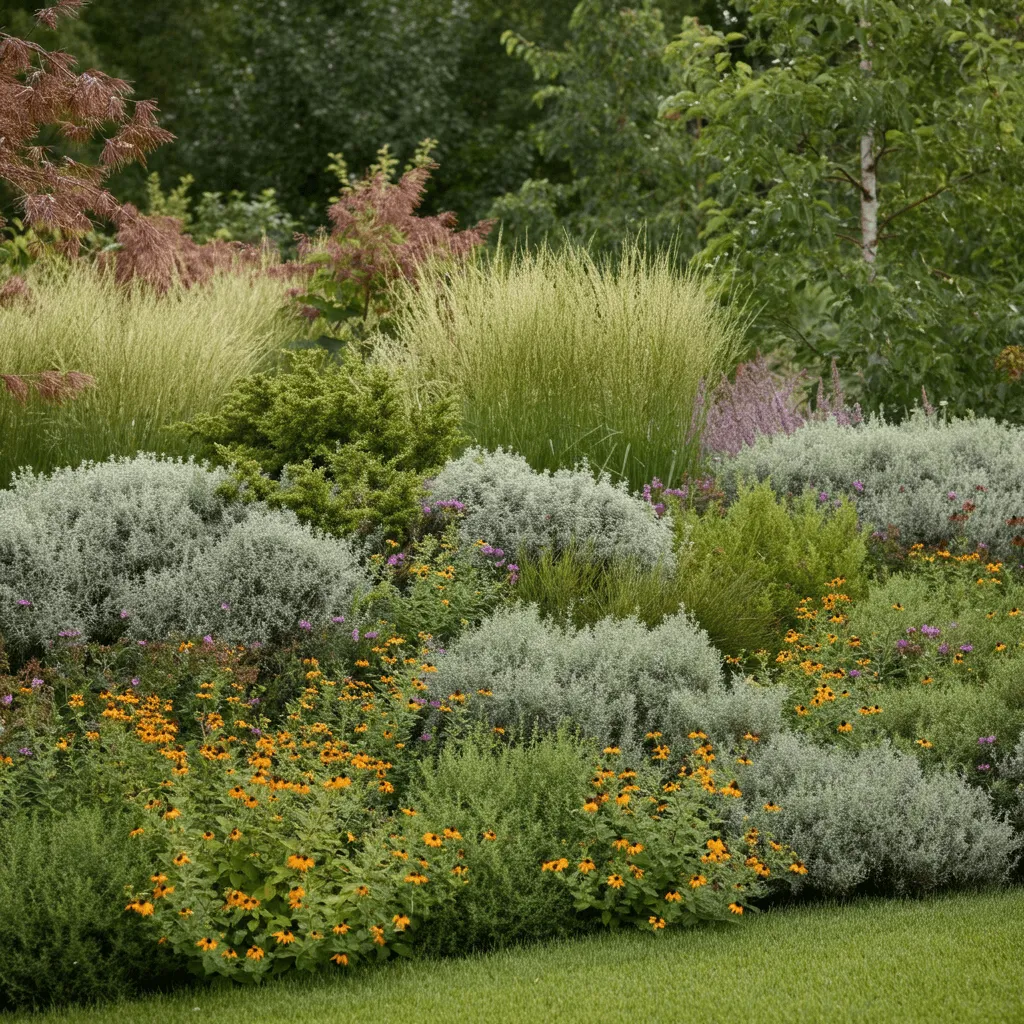
A lush garden needs depth. Combine low-growing groundcovers, medium-height shrubs, and tall grasses or trees. This layering technique creates a natural, flowing look and avoids the “flat” appearance of evenly manicured gardens.
Garden Design Tip
Mix textures like the feathery fronds of ferns with broader leaves from hostas to maintain visual interest.
3. Use Colorful Foliage for Variety
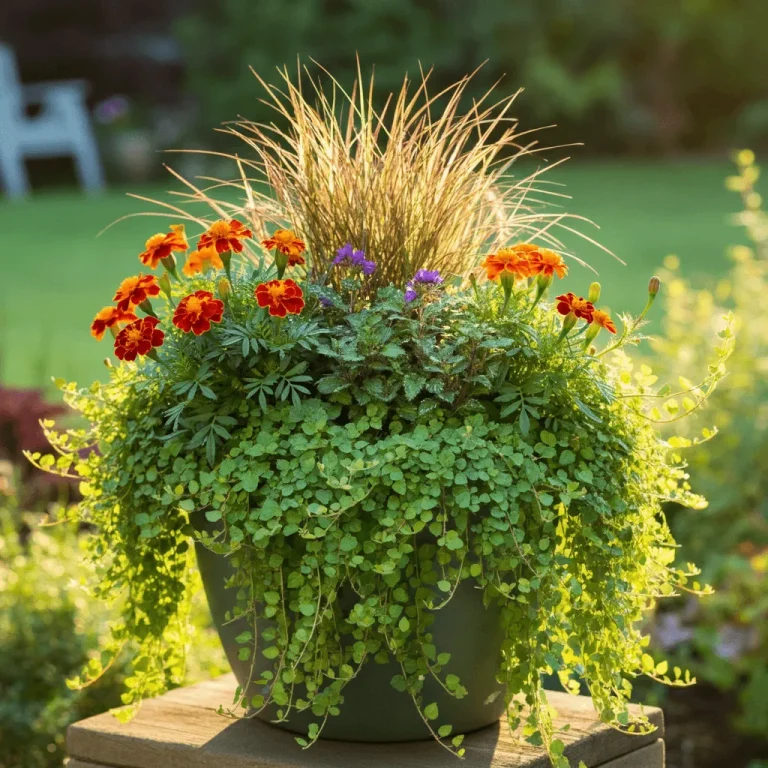
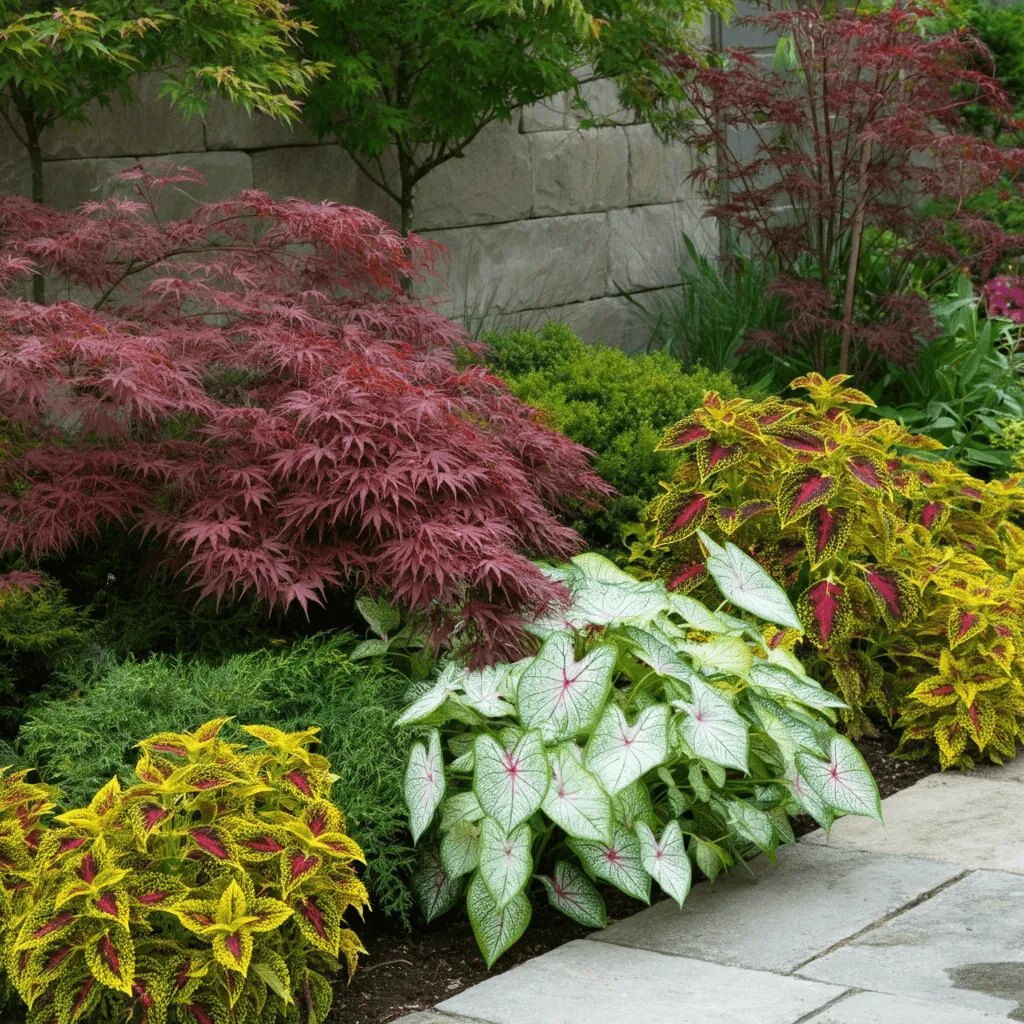
Green doesn’t have to be the only star in your foliage garden. Incorporate plants with colorful leaves like Japanese maple (deep red), caladiums (pink and white), or coleus (purple and yellow). These vibrant choices break up the monotony and draw attention to specific areas.
Case Study
A small Chicago garden added pops of color by integrating coleus plants into their shaded landscape, creating an eye-catching contrast against neutral stone features.
Pro Tip
Position bright foliage in shaded corners to naturally brighten those dim spaces.
4. Design with Evergreen Plants
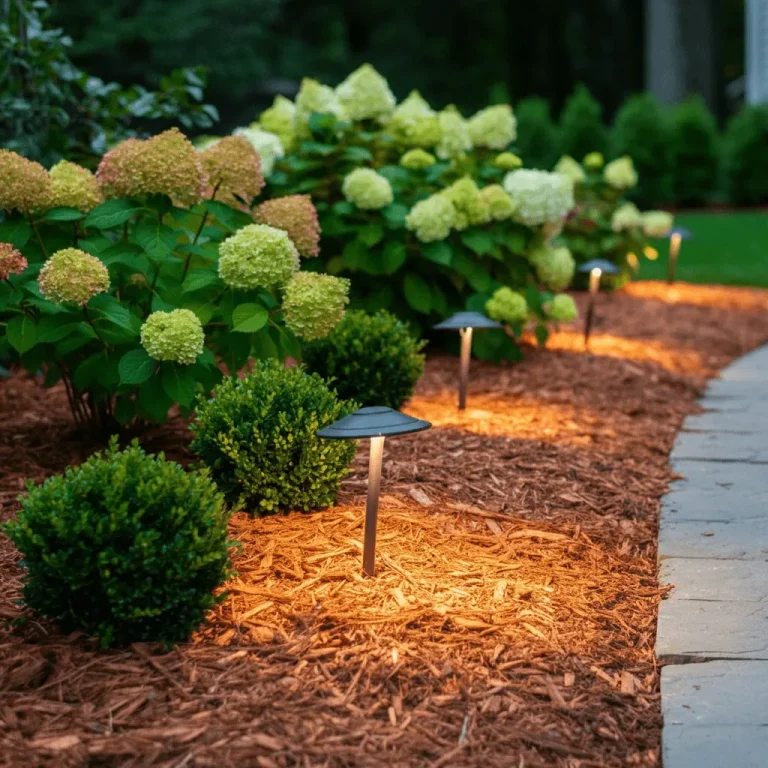
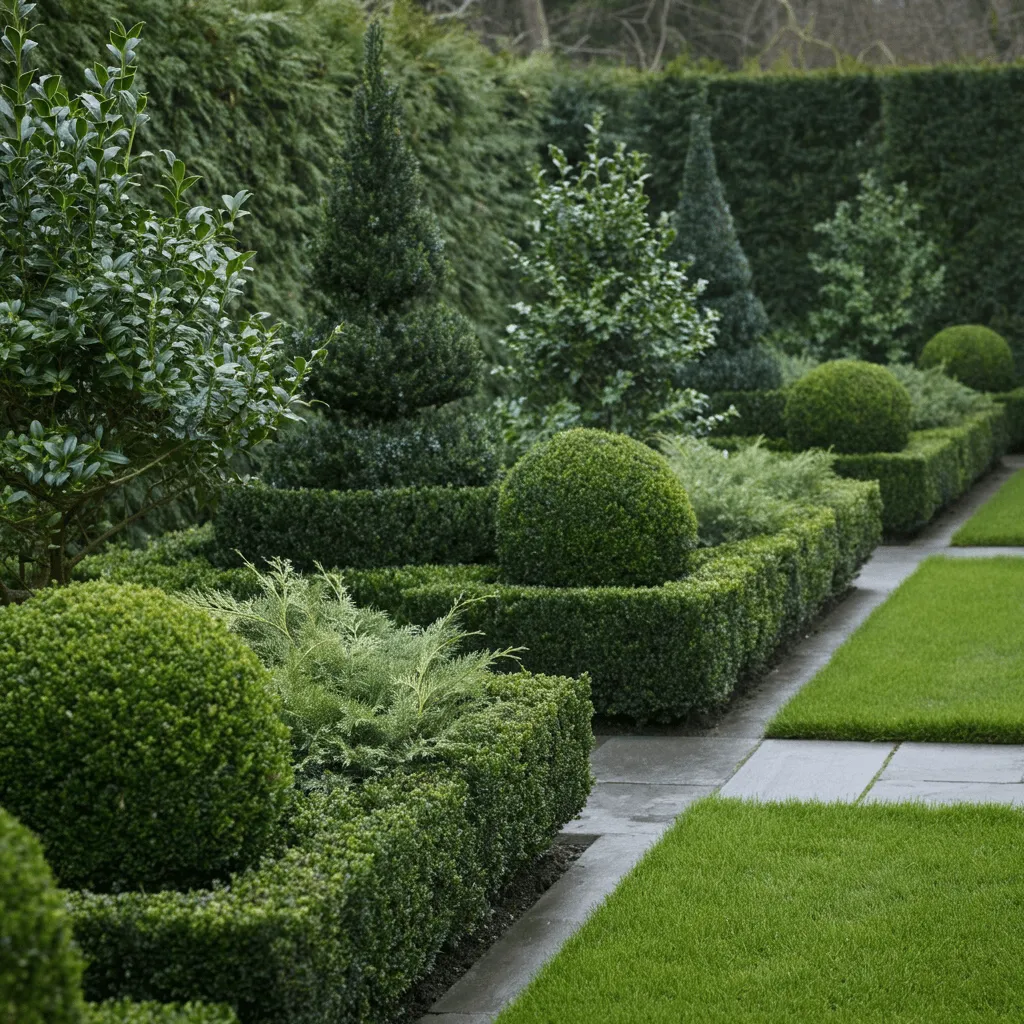
Evergreen foliage means year-round beauty. Incorporate plants like boxwood, holly, or juniper to keep your garden lively even in the dead of winter. These staples are especially useful for creating hedges and structured designs.
Why Evergreen Works
They provide a stable “base” for your design and look great when paired with seasonal flowers or changing foliage.
5. Combine Foliage with Hardscaping Elements
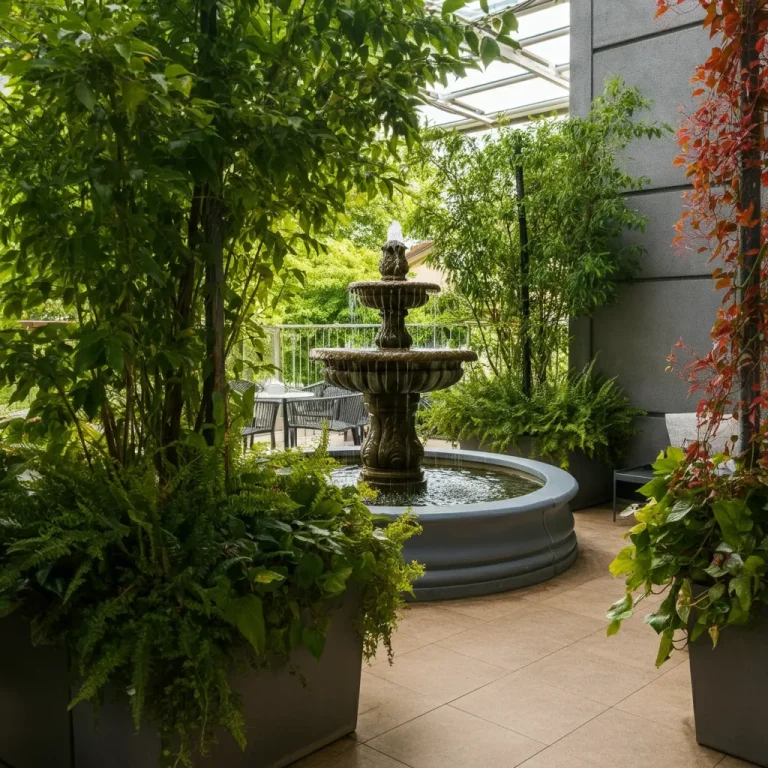
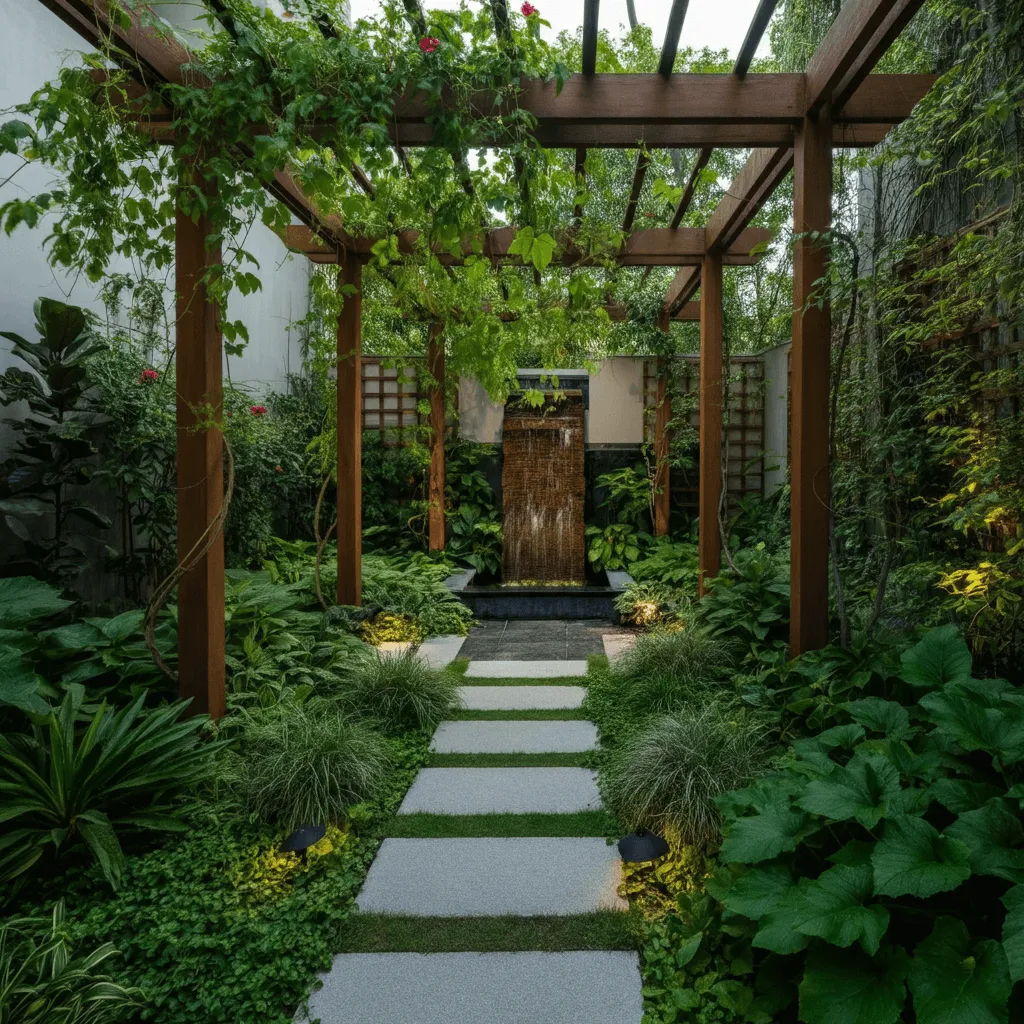
A great landscape balances lush plants with structural hardscaping. Think stone pathways, wooden trellises, or even a water feature surrounded by cascading leaves. Foliage climbing over and around these elements can create a magical, harmonious feel.
Example Scenario
A couple in Seattle incorporated hydrangea vines to creep up their wooden pergola. Paired with variegated ferns on the ground, it created a whimsical outdoor space.
6. Add Texture with Unique Leaf Shapes
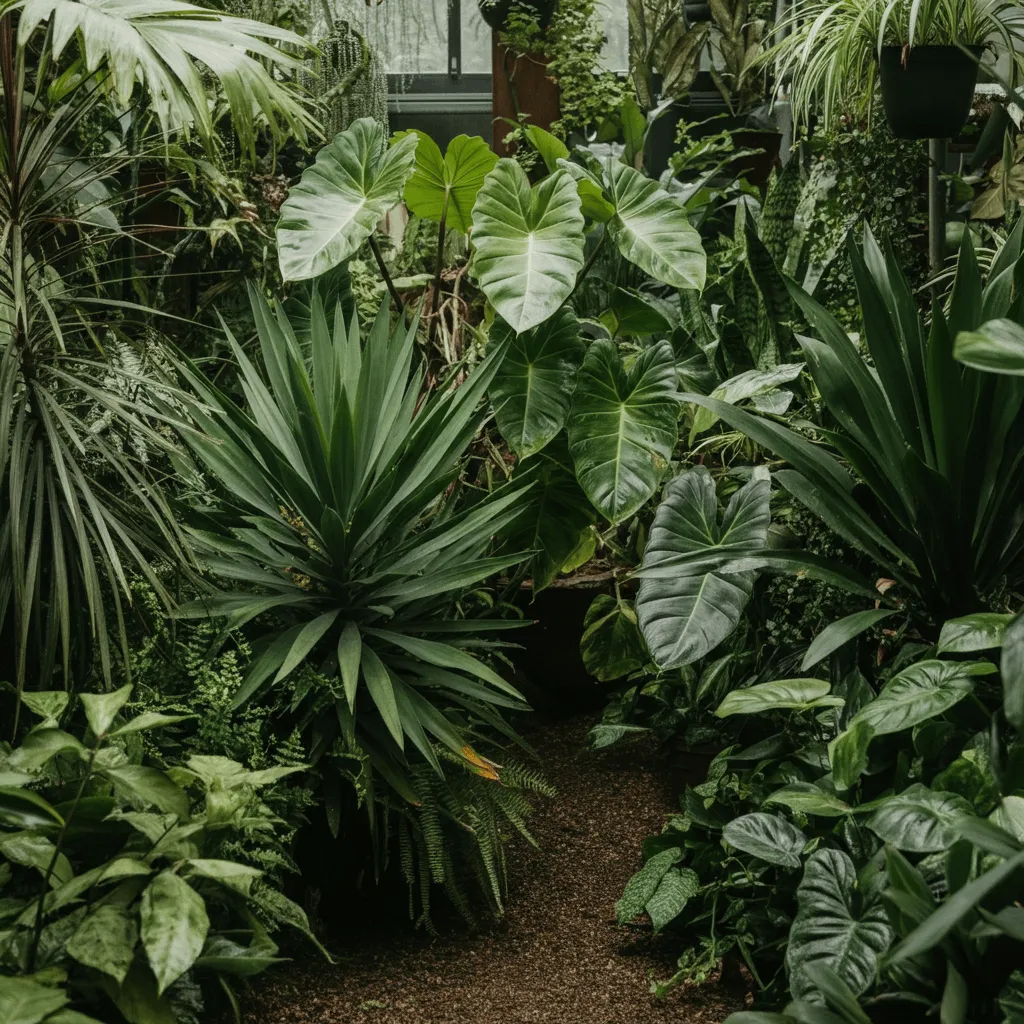
The secret to a truly vibrant yard lies in variety. Incorporate plants with unique leaf shapes, such as the ridged edges of philodendrons or the spiky drama of yucca plants.
Foliage Ideas
- Spiky and vertical: Snake plant
- Fan-like and architectural: Windmill palm
- Soft and cascading: Boston fern
Why It Works
Each shape adds a tactile and visual element that enhances overall garden design.
7. Install a Shaded Foliage Garden
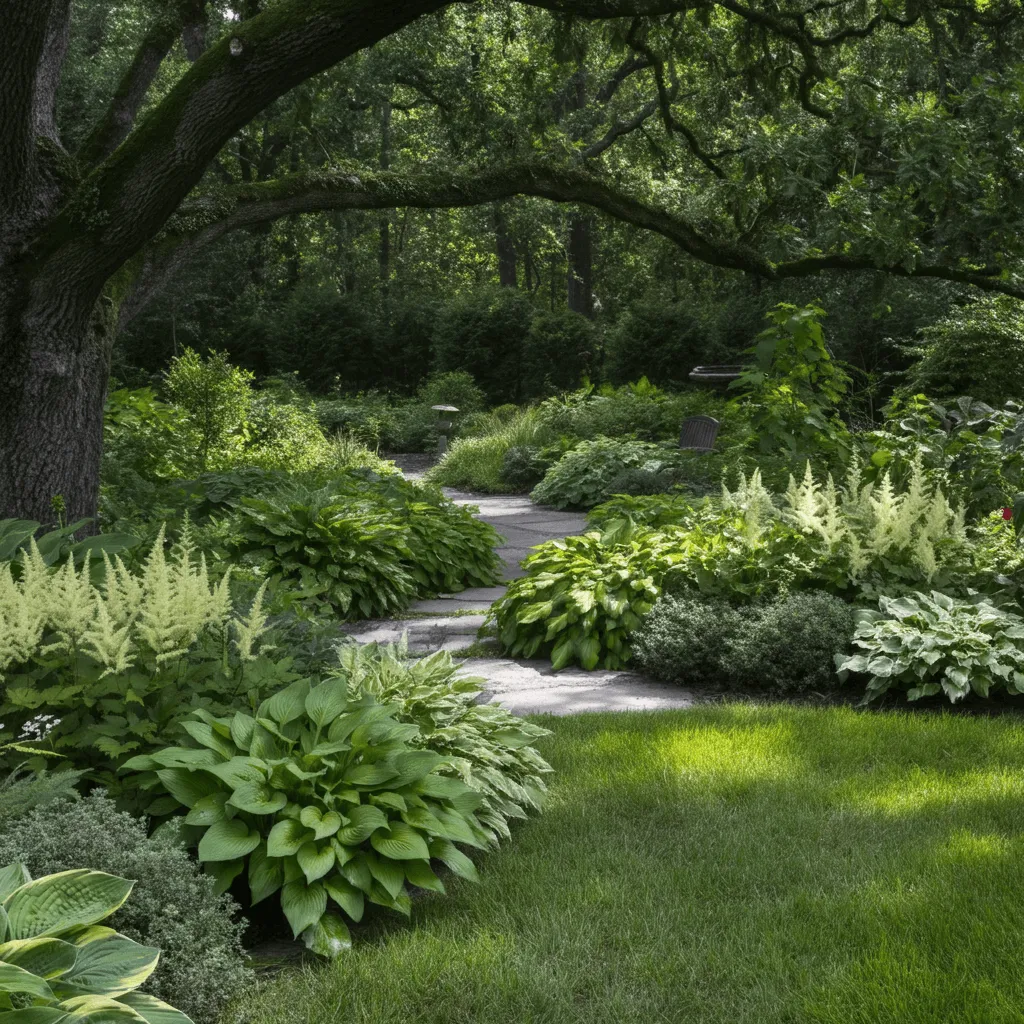
Got a spot that’s more “dark cave” than “sun-kissed”? Foliage plants thrive in shaded areas. Consider plants like hostas, heuchera, and astilbes. Their vibrant greens and purples turn shady spots into show-stoppers.
Case Study
A homeowner in Georgia leveraged their oak tree’s shade by planting hostas and purple heucheras, proving you don’t need direct sunlight to have a beautiful yard.
8. Create Contrast with Dark Foliage
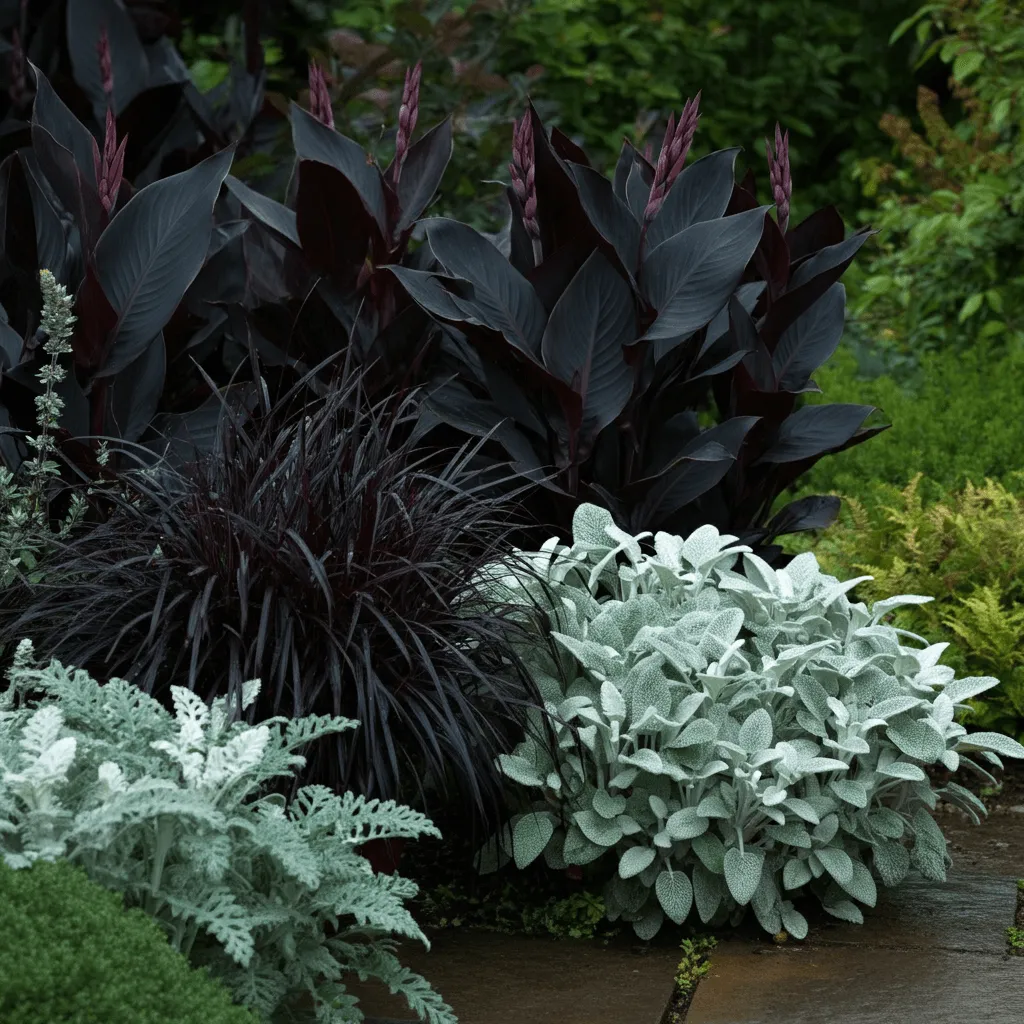
Plants like black mondo grass or dark-leaved cannas bring moody drama to your garden. Pair them with lighter foliage like silvery lamb’s ear for an aesthetic that catches everyone’s eye.
Design Insight
Dark plants add depth and serve as a striking contrast against brighter greens or colorful blooms.
9. Focus on Structural Foliage
Foliage isn’t just filler—it can be the feature. Plants with architectural qualities, such as the upright fronds of fiddle-leaf figs or the arching sprays of bamboo, provide structure and rhythm to your garden layout.
Example Scenario
A Texas homeowner created a Zen-inspired garden using neatly trimmed bamboo and fiddle-leaf ferns to complement minimalist stone pathways.

10. Create Pathways Framed with Foliage
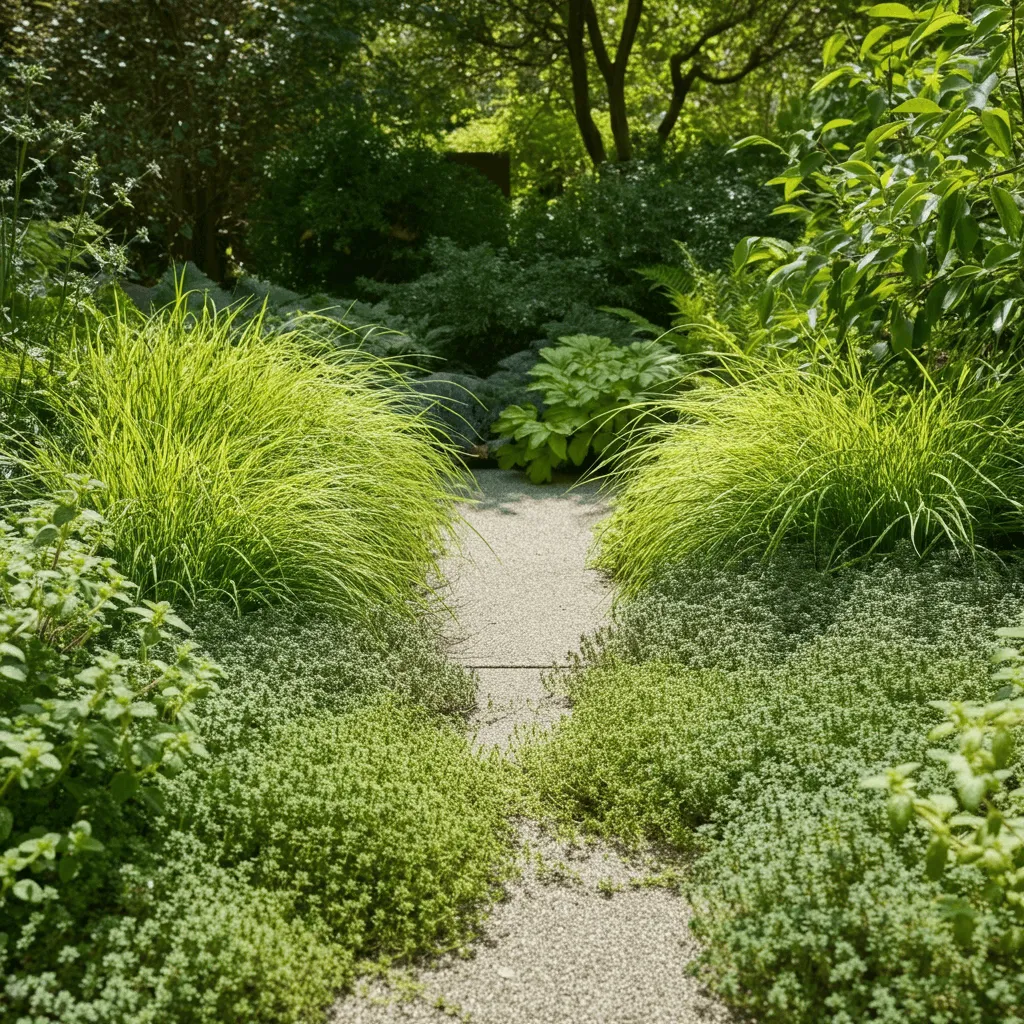
Why walk on plain grass when your paths can be framed by beautiful plants? Use low-growing foliage like creeping thyme or dwarf mondo grass to edge walkways, or plant evenly spaced shrubs for a more formal look.
Pro Tip
Choose plants that thrive in the microclimate around paths, such as those tolerant of partial shade created by nearby walls or trees.
FAQs
Q1. What are the easiest foliage plants to grow for beginners?
Ferns, hostas, and boxwood are beginner-friendly and require minimal care.
Q2. How do I maintain a lush foliage garden?
Regular trimming, watering, and soil testing are essential. Maximize your results by placing plants in their optimal light conditions.
Q3. Are there foliage plants for small spaces?
Yes! Try dwarf varieties like dwarf bamboo or tall but slim plants like snake plants, perfect for narrow corners.
Q4. Can foliage gardens work in colder climates?
Absolutely! Choose hardy plants like junipers and evergreens that can withstand icy winters.
Conclusion
Designing a foliage garden doesn’t mean playing second fiddle to colorful flowers. With thoughtful choices and creative layouts, your yard can be a lush oasis that’s as vibrant as it is inviting. These 10 ideas provide a roadmap to transform your outdoor space into a rich, textured masterpiece.
Start small or go big—just remember, your garden is your canvas. Time to turn it into a leafy paradise and make your neighbors green with envy (pun intended).