
15 Small Japanese Garden Ideas for a Calming Backyard Retreat
Ever thought of transforming your backyard into a peaceful paradise but ended up with more chaos than calm? Creating a small Japanese garden might just be the zen answer you’re looking for. Imagine walking into your backyard after a long day, seeing nothing but serene design, and thinking, “Ah, this is what I needed.” Plus, it’s a lot easier than you think!
Here are 15 brilliant ideas to turn even the smallest outdoor space into a tranquil Japanese garden retreat that whispers harmony—and maybe gets your nosy neighbor curious.
1. Start with a Simple Sand and Stone Design
The core of a Japanese garden is its use of sand and stones to symbolize natural elements like rivers, mountains, or oceans. Use small pebbles or white sand, raking them into clean, wavy patterns for a meditative and calming effect.
Real-Life Inspiration
A couple in Seattle swapped their patchy grass for raked gravel and a single large boulder. They shared that spending a few minutes rearranging the patterns felt like therapy after long workdays.

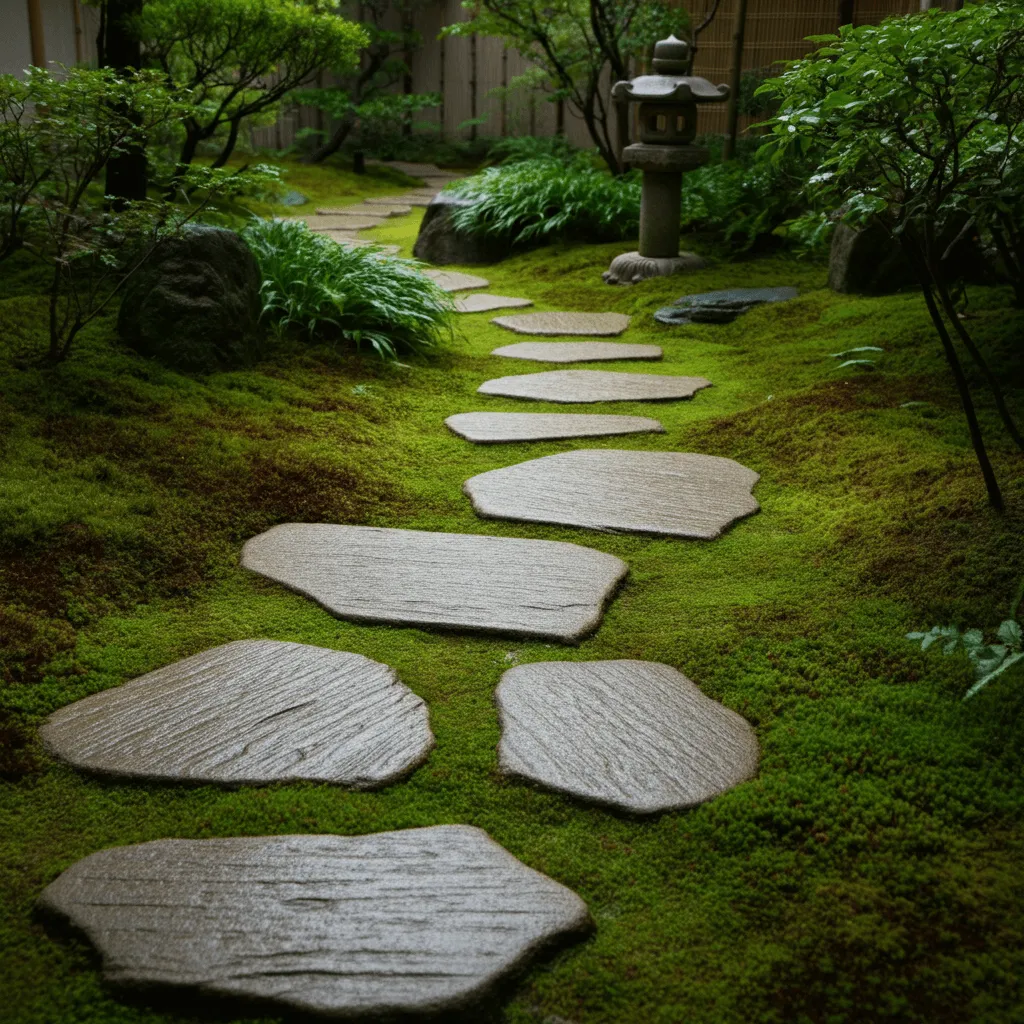
2. Create a Pathway with Natural Stones
Japanese gardens often feature stone pathways, leading visitors slowly and deliberately through the space. Use natural stepping stones to emphasize the idea of a gentle stroll.
Why It Works
Finding your way through a winding stone path mirrors the practice of mindfulness, helping you focus on each step (literally). It’s both calming and practical.

3. Introduce a Central Water Feature
Water is a symbol of renewal and life in Japanese gardens. Even if space is tight, a small fountain or a bamboo water spout (known as “shishi-odoshi”) can add a soothing soundscape.
Case Study
An Arizona family built a minimalist bamboo water spout feeding into a stone basin. It turned their dry, desert-like backyard into a refreshing oasis.

4. Use Moss or Groundcover Plants
Instead of traditional lawn grass, add patches of soft moss or groundcover plants like thyme or sedum. Moss not only enhances the garden’s texture but gives it an earthy, ancient feel.
Bonus Tip
If your backyard gets little sunlight, moss thrives in shaded environments—perfectly low-maintenance!

5. Frame the Space with Bamboo Fencing
Privacy matters when creating a calming retreat. Use bamboo fencing to define the edges of your small garden without making it feel closed off. It’s sustainable and screams “zen” like nothing else.
DIY Inspiration
Homeowners in Portland saved money by weaving thin bamboo strips themselves, creating a personalized look that was both functional and beautiful.

6. Add a Little Bridge (Even if There’s No Water)
A Japanese-style bridge symbolizes transition and harmony. Even if your space lacks a pond, a small wooden or stone bridge can become a focal point.
Creative Idea
A tiny wooden footbridge placed over a bed of white gravel can mimic a stream without needing any actual waterworks.

7. Plant Dwarf Trees for Scale
Small Japanese gardens are made for compact plants like dwarf pines, bonsais, or Japanese maples. They add height and structure without overcrowding the space.
Why It’s Perfect
Smaller trees keep your backyard uncluttered while offering just enough shade to complete the tranquil vibe.

8. Include a Stone Lantern (Ishidoro)
A stone lantern is almost a must-have in Japanese gardens. These come in various styles and sizes, and they instantly add character and elegance to the space.
Placement Tip
Put the lantern near pathways or water features to enhance its visual impact during both day and night.

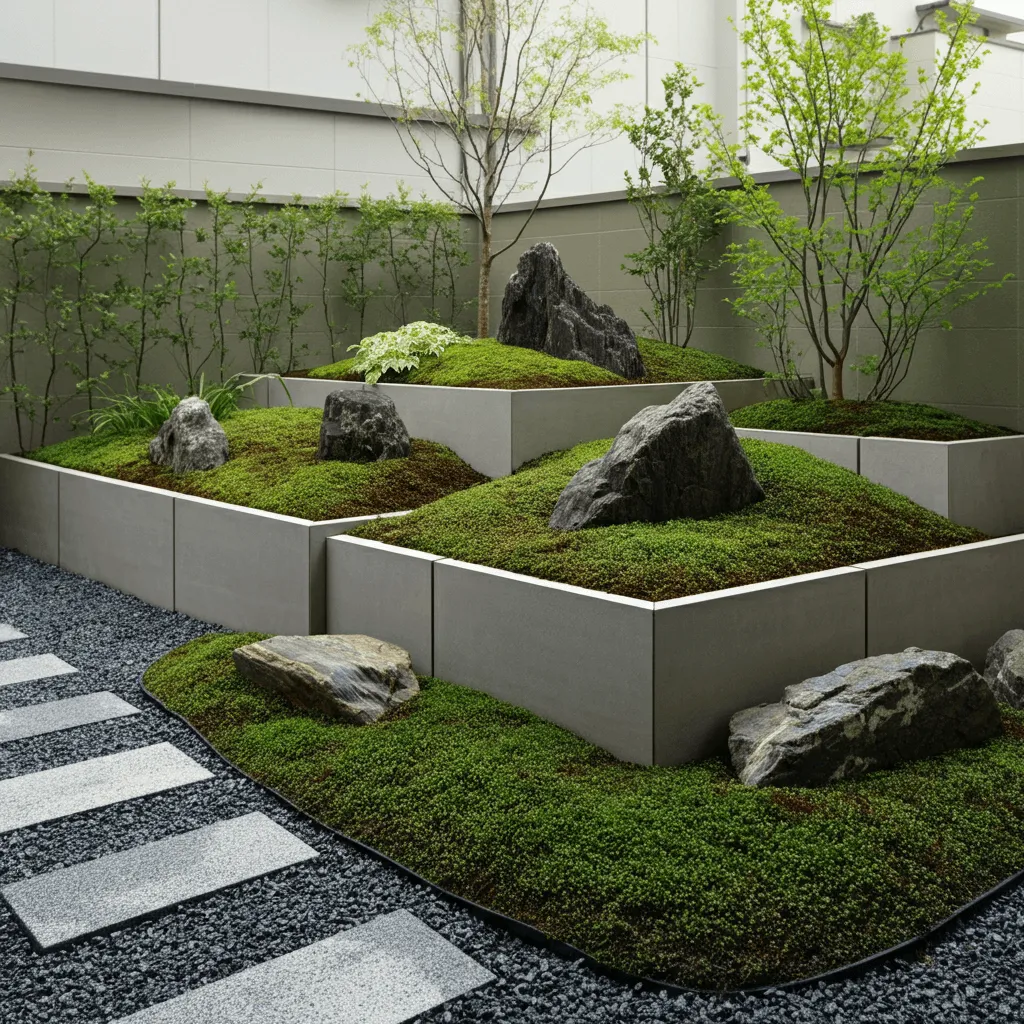
9. Layer with Raised Planters or Rock Arrangements
Raised areas add depth and dimension to small gardens. Use rock arrangements or elevated planters to make the garden feel more expansive than it actually is.
Real-Life Design
One urban gardener used small tiers made of river stones to separate herbs from decorative plants—a modern twist on traditional Japanese layering.
10. Stick to a Neutral Color Palette
Japanese gardens focus on natural hues like green, brown, and gray. Keep plant pots and decorative features in these earthy tones to maintain harmony.
Insider Tip
For pops of color, add seasonal flowers like plum blossoms—but sparingly for that minimalist touch.

11. Feature a Dry Garden (Karesansui)
A dry garden uses rocks, pebbles, and sand to symbolize nature’s elements. This option works especially well for small spaces—and even better for people with little time for upkeep.
Practical Example
An Airbnb host in San Francisco added a mini dry garden to her patio using just white sand and small black stones. Guests raved about its calming presence.

12. Embrace Minimal Furnishings
To maintain the tranquil aesthetic, keep outdoor furniture minimal and natural. Think low wooden benches or even floor cushions for authenticity.
Pro Advice
Stick to untreated, weather-resistant wood for a raw, natural look that pairs beautifully with the outdoors.

13. Install Subtle Outdoor Lighting
Soft lighting highlights your garden’s features after sundown. Use lantern-style lights or discreet solar LEDs to enhance the atmosphere.
Success Story
One couple swapped their glaring porch bulb with solar-powered ground lights. The result? A serene, glowing backyard retreat that doubled as a dinner spot.

14. Design a Zen Corner for Meditation
If your backyard is truly small, designate a corner with a floor mat, meditation cushion, or even a single concrete block to create a zen nook.
Case Study
An Ohio resident created a meditation nook with just sand, a small bonsai tree, and a wooden bench—and described it as their favorite 10-minute escape from busy mornings.

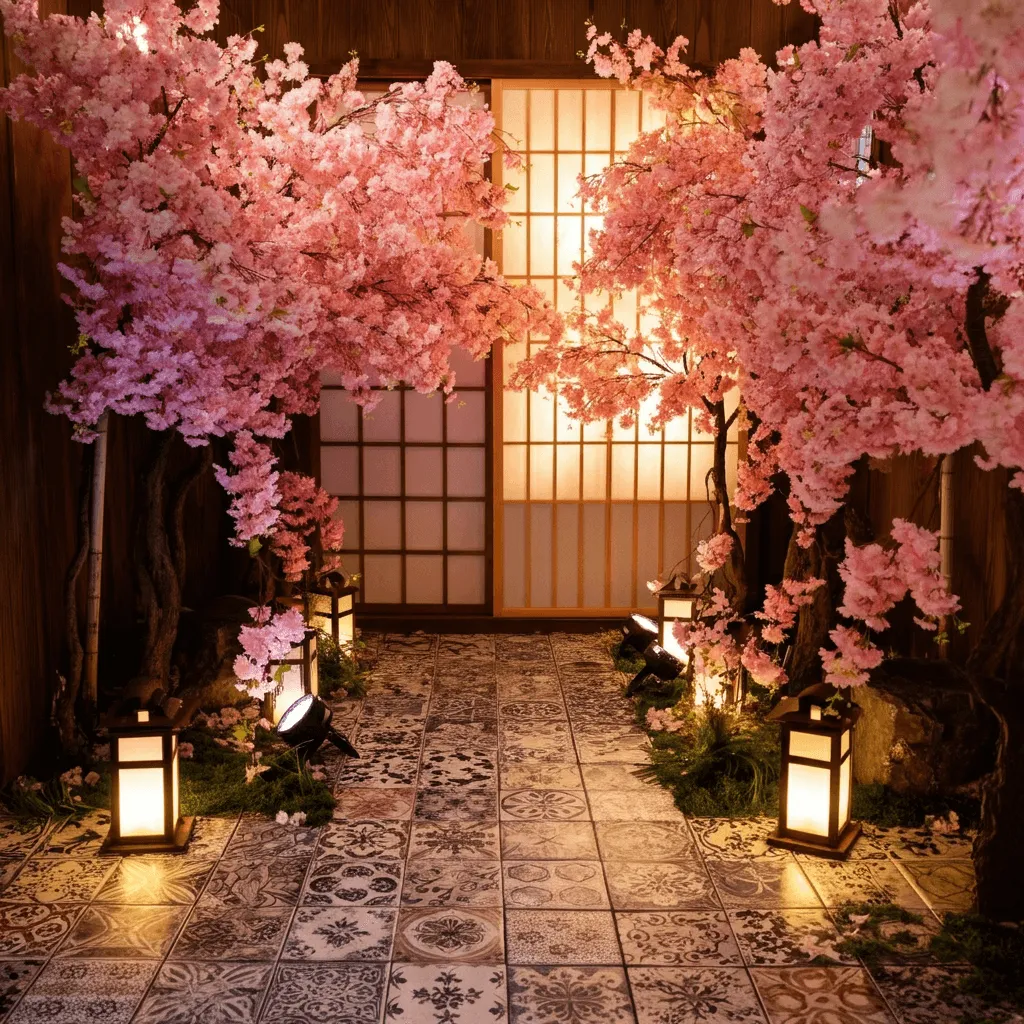
15. Scatter Cherry Blossom Motifs
If actual cherry blossoms are impractical for your climate, introduce them subtly—through decorative tiles, plant pots, or fabric cushions. It’s a nod to Japanese culture while keeping the space manageable.
Fun Fact
A Tokyo-inspired cafe in New York added faux cherry blossom branches to its garden seating area and saw an Instagram-worthy transformation!
FAQs About Japanese Gardens
What makes a Japanese garden unique?
Japanese gardens focus on balance, simplicity, and symbolism. Key elements include natural stones, water features, and plants that exude harmony.
How much maintenance does a Japanese garden require?
While they are designed to be low-maintenance, you’ll need occasional pruning, sweeping of pathways, and occasional reshaping of gravel or sand.
Can I create a Japanese garden in a small space?
Absolutely! Core elements like sand, stones, and compact plants can be scaled to fit even the tiniest of backyards or balconies.
What type of plants work best in Japanese gardens?
Bonsai, Japanese maple, bamboo, ferns, moss, and evergreen shrubs are all fantastic options.
Final Thoughts
Creating a small Japanese garden is like crafting your personal pocket of peace. Whether you love the rhythmic art of raking sand or the soothing sound of a water feature, the possibilities are endless—even if space isn’t. Which design idea speaks to your inner zen? Whatever you choose, enjoy the process—it’s about the journey, not just the destination.


