
19 Beautiful Labyrinth Garden Ideas You’ll Wish You Tried Sooner
Ever feel like your backyard could use a touch of whimsy—without requiring you to install a full-blown castle? Why not add a labyrinth garden? You’ll get all the drama and elegance, but with way fewer knights challenging each other to duels. Today, we’re walking through 19 stunning labyrinth garden ideas that will turn your outdoor space into a meditative escape you’ll wish you tried years ago.
1. Classic Hedge Maze for Timeless Elegance
One of the most iconic designs, the classic hedge maze, brings a regal and magical vibe to your garden. Opt for plants like boxwood or yew that can be trimmed and shaped into well-defined pathways.
Pro Tips:
- Keep pathways at least 3 feet wide for easy navigation.
- Alternate plant heights to create depth and variation.
Real-Life Example:
A garden in Hampton Court, England, features a classic hedge maze that’s been fascinating visitors for centuries. Not only is it elegant, but it’s also a fun challenge for anyone willing to explore the twists and turns.

2. Stone Labyrinths for a Rustic Touch
Flat, stone-paved labyrinths are both beautiful and practical, requiring less maintenance than their plant-based counterparts. Arrange cobblestones, gravel, or flagstones into intricate patterns for a vintage, old-world charm.
Bonus Idea:
Outline the stone pathways with lavender or thyme for added fragrance with every step.

3. Flower-Filled Labyrinths for a Pop of Color
Who says labyrinths have to be green? Use flowering plants like marigolds, daylilies, or tulips to create a colorful maze. Not only will your labyrinth be visually stunning, but it will also attract pollinators like butterflies and bees.
Case Study:
A flower labyrinth in Oregon features rows of sunflowers and asters, creating a delightful, seasonal display that draws tourist crowds every year.

4. Circular Labyrinths for a Meditative Experience
Circular labyrinth designs are perfect if you’re seeking tranquility. These layouts are often used in meditation and therapy gardens, helping people relax as they follow the calming loops.
Design Tip:
Add a central focal point like a small statue, fountain, or seating area where visitors can pause and reflect.

5. Low-Maintenance Gravel Maze
Gravel labyrinths are excellent for anyone looking to reduce upkeep. Use dark-colored gravel for the paths and outline them with alternating rock colors for added contrast and definition.
Quick Suggestion:
Include stepping stones or mosaic patterns for visual interest and functionality.

6. Miniature Labyrinth for Small Spaces
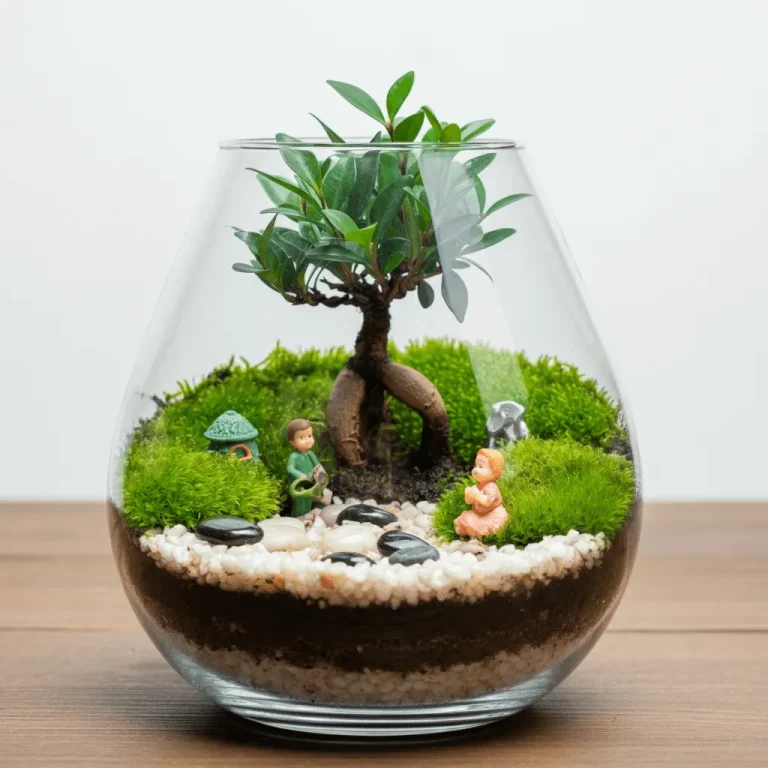
If your yard is on the cozy side, you can still enjoy the magic of a labyrinth garden. Create a compact labyrinth using potted plants or low-lying shrubs like boxwoods.
Fun Idea:
Add fairy lights or miniature garden sculptures to create a whimsical vibe.

7. Herbal Labyrinth for Functional Beauty
Why not combine aesthetics with utility? Design a labyrinth with a variety of herbs such as rosemary, sage, and mint. Not only will the garden look and smell amazing, but you’ll also have fresh ingredients right at your fingertips.
Example:
A community garden in California transformed an herbal labyrinth into an educational space for children to learn about gardening and cooking.

8. Gothic-Inspired Labyrinth for Drama
Take inspiration from gothic aesthetics by using dark plants like black mondo grass or burgundy heucheras. Add wrought iron trellises or arches to enhance the moody vibe.
Decor Tip:
Position gargoyle statues at the entry points for an extra dramatic flair.

9. Water-Themed Labyrinth for Serenity
Combine the beauty of flowing water with the structure of a labyrinth. Include small water channels or fountains along the pathways to create a serene, soothing soundscape.
Pro Tip:
Use reflective pebbles or shells to line the water paths for a visually striking effect.

10. Stepping Stone Pathways
Simple and elegant, stepping stone labyrinth paths are perfect for beginners. Use circular or square stones spaced evenly apart and outline them with mulch or low grass.
Fun for Kids:
Children love to hop from stone to stone, making it a playful addition to your yard.

11. Seasonal Labyrinths
Switch things up by designing a labyrinth that changes with the seasons. Use plants like Japanese maples for brilliant red hues in fall or tulips for a springtime refresh.

12. Living Wall Labyrinth
Vertical gardens aren’t just for flat walls—use them to craft winding, towering maze walls. Incorporate a mix of greenery like ferns and ivy for texture and depth.

13. Wildflower Labyrinths for Natural Charm
Natural wildflower labyrinths blend beautifully into the environment. Use a mix of daisies, poppies, and grasses for a carefree, organic look.
Maintenance Tip:
Only mow pathways to maintain its charm while keeping maintenance low.

14. Arches and Tunnel Pathways
Add an enchanting allure with plants trained to grow over arched trellises. Roses, wisteria, or grapevines create a lush, magical canopy.

15. Mosaic Embedded Pathways
Customize stone labyrinths with intricate mosaic art. Use colored tiles to create designs that pop visually at every turn.

16. Labyrinth with Sculptures
Turn your labyrinth into a miniature art gallery by showcasing sculptures or art pieces. These points of interest double as visual markers throughout the maze.

17. Maze for Kids
Design a smaller-scale maze made from fun items like hay bales or hedges at a child-friendly height.
Adding Fun:
Include a surprise at the center such as a play zone or treasure chest!

18. Monastic-Style Labyrinths
Take inspiration from traditional monastic labyrinths that were used for spiritual reflection. Integrate low-maintenance plants and keep the design simple yet meaningful.

19. Interactive Tech Labyrinths
For the tech-savvy, incorporate LED lights or augmented reality experiences within your maze. Imagine paths glowing at night or visitors using an app to explore added features hidden within.

FAQs About Labyrinth Garden Design
Q1. Are labyrinth gardens high-maintenance?
Not always! Many designs, such as gravel or stone labyrinths, are low-maintenance. Even hedge labyrinths can be designed with slow-growing plants to reduce pruning.
Q2. How much space do I need for a labyrinth garden?
Designs can vary from compact layouts suitable for small yards to expansive mazes for larger areas.
Q3. What are the best plants for a labyrinth garden?
Plants like boxwood, lavender, and wildflowers work beautifully. Choose varieties suited to your climate for best results.
Q4. Can labyrinths be kid-friendly?
Absolutely! Child-sized mazes made of hay bales or shrubs create a fun and engaging play area for kids.
Wrapping It Up
Creating a labyrinth garden is more than just landscaping—it’s an opportunity to add depth, beauty, and even a bit of playfulness to your outdoor space. With these 19 ideas, there’s something for everyone, whether you want a meditative retreat, a colorful display, or a fun area for kids. Start designing your magical, winding pathways today. Trust us, your backyard will thank you!