23 Best Low Growing Perennials for Ground Cover
Gardening is like hosting a family dinner—if you’ve got the right mix, everyone gets along beautifully. But if weeds are the unruly cousins taking over, you need a secret weapon. Enter low-growing perennials, the superheroes of ground cover! They’re the perfect solution for gardens needing a pop of color, texture, and minimal maintenance.
Here, we’ll explore the 23 best low-growing perennials for ground cover, leaving your garden looking like a masterpiece (minus the backache).
Why Choose Low Growing Perennials for Ground Cover?
Low-growing perennials are a favorite among gardeners for good reason—they’re reliable, versatile, and beautiful. Mixing these plants into your landscape isn’t just about aesthetics; it’s about functionality too.
1. Creeping Thyme
Known For: Fragrance and resilience.
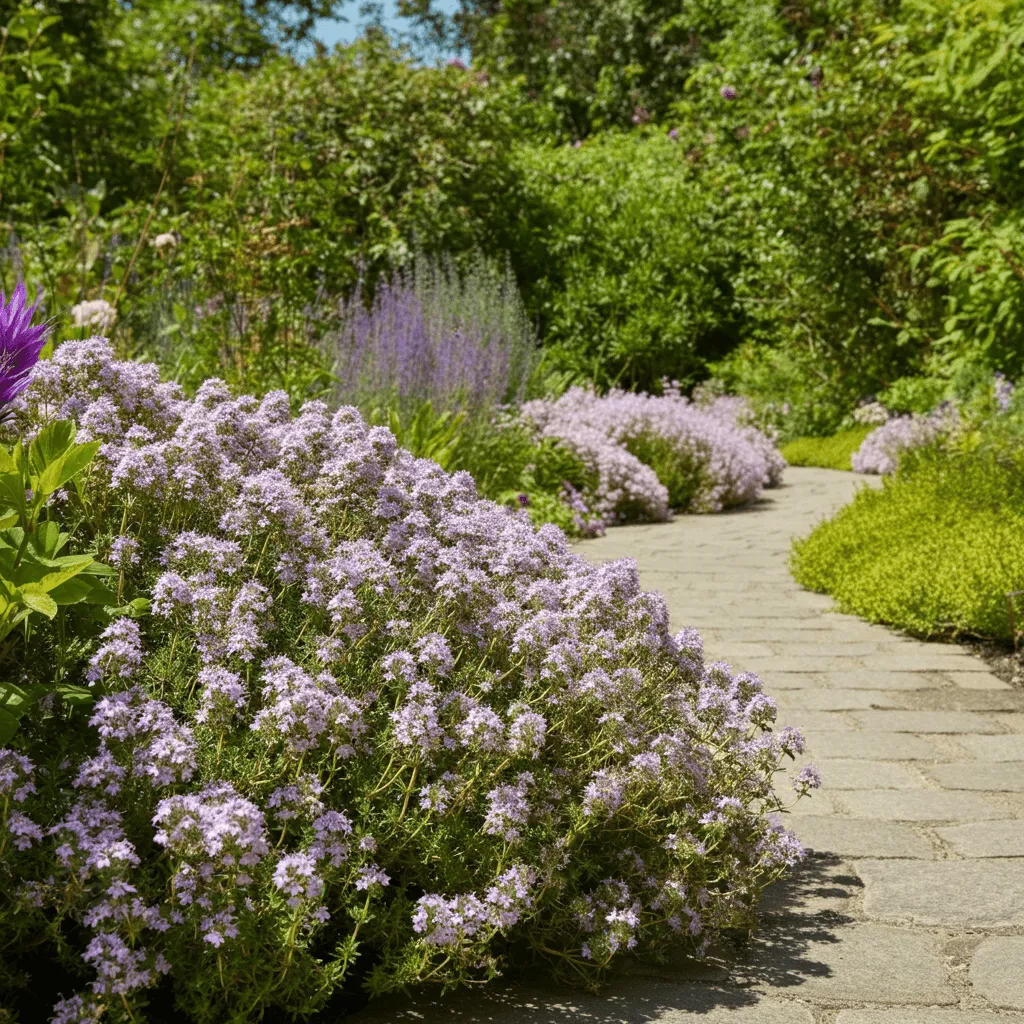
Creeping Thyme steals the show with its lavender-hued flowers and earthy aroma. Growing low and compact, it’s as functional as it is beautiful.
Real-Life Example:
Anna from Arizona planted Creeping Thyme along her garden path, and not only did it thrive in the dry heat, but it turned her space into a pollinator paradise.
2. Sedum (Stonecrop)
Known For: Drought tolerance.
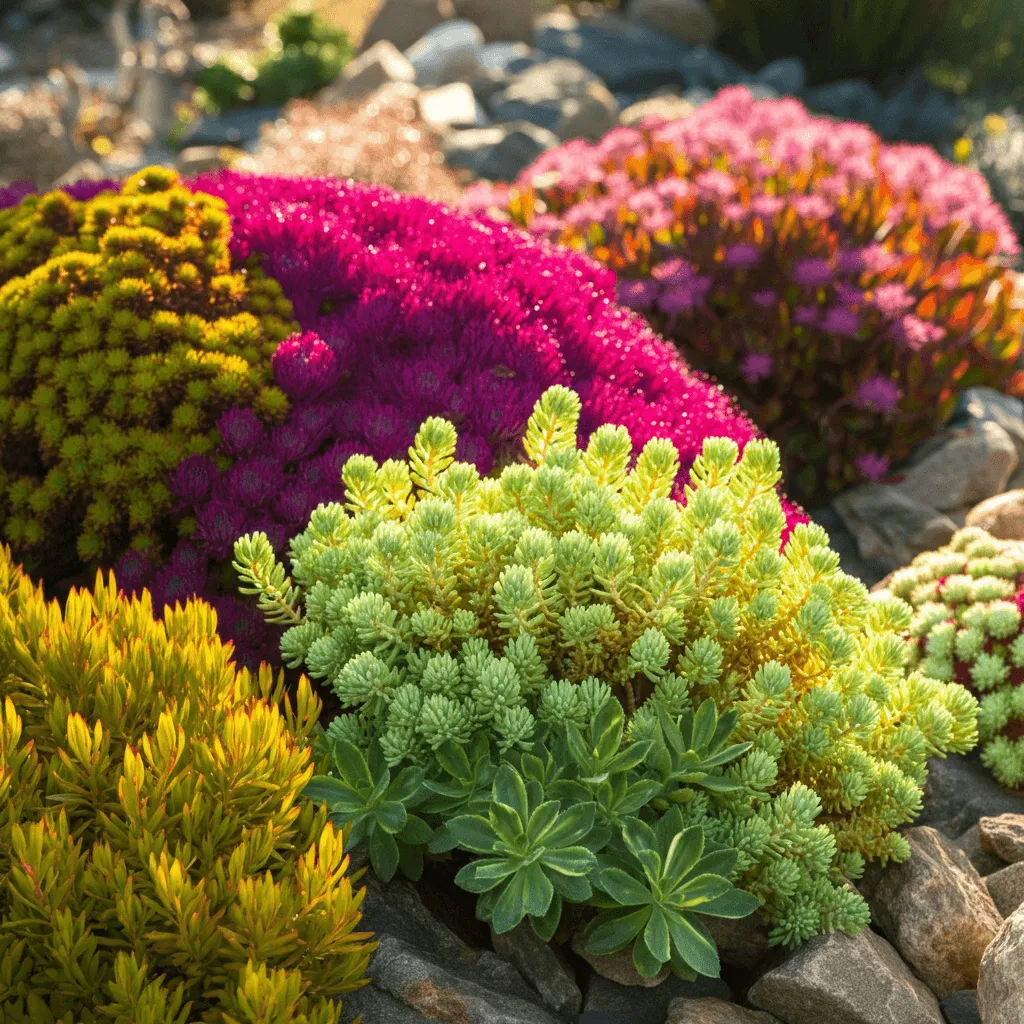
Sedum comes in various sizes and shades, from soft green to bold purple. Its succulent-like qualities make it ideal for sunny and arid locations.
Expert Tip:
Plant Sedum in rocky or sandy areas for a vibrant and low-maintenance solution.
3. Creeping Jenny (Lysimachia Nummularia)
Known For: Trailing golden leaves.
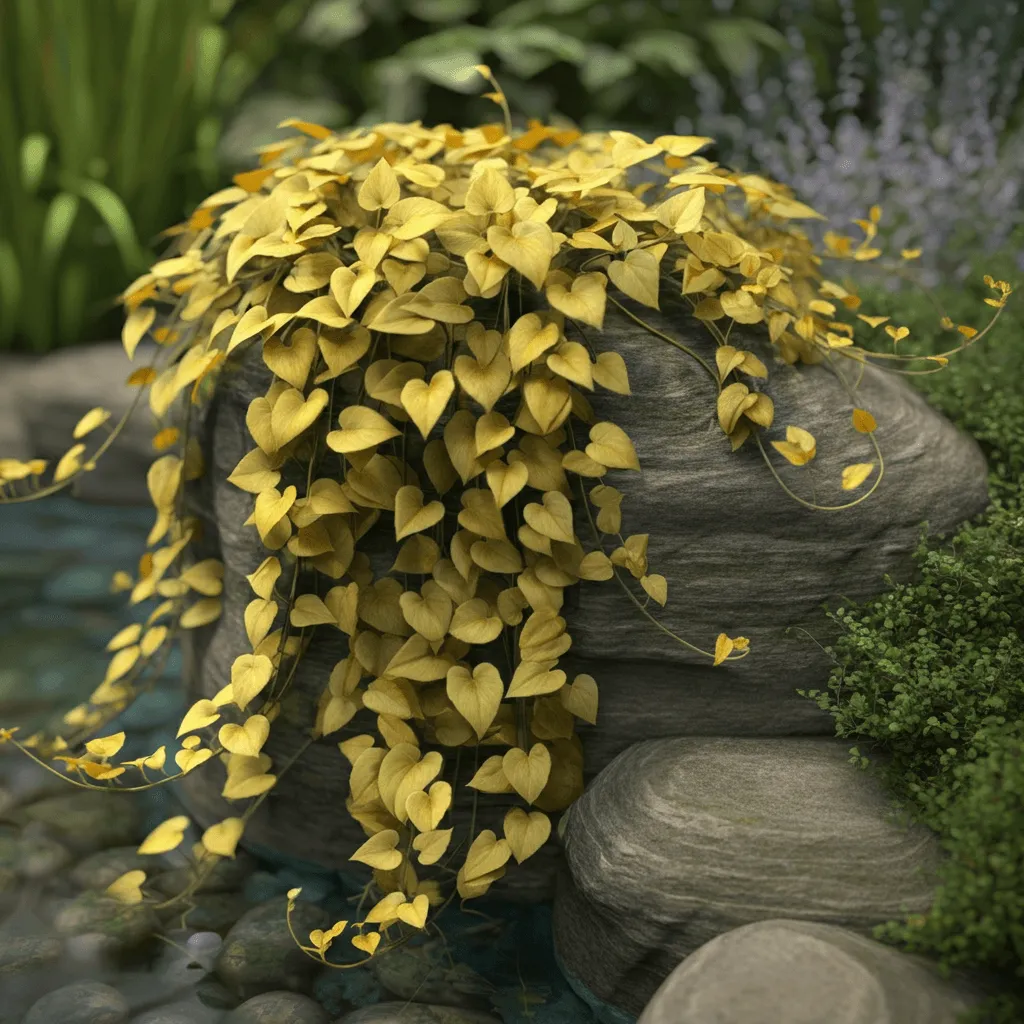
Creeping Jenny expands rapidly, creating a flowing carpet of greenery that spills beautifully over edges and rocks.
Garden Hack:
Use this plant near water features to add a pop of glowing contrast.
4. Periwinkle (Vinca Minor)
Known For: Evergreen prowess.
The glossy leaves and delicate purple-blue flowers make Periwinkle a staple in shaded gardens.

Case Study:
A small backyard in Portland replaced their struggling lawn with Vinca Minor, transforming the space into a lush evergreen oasis.
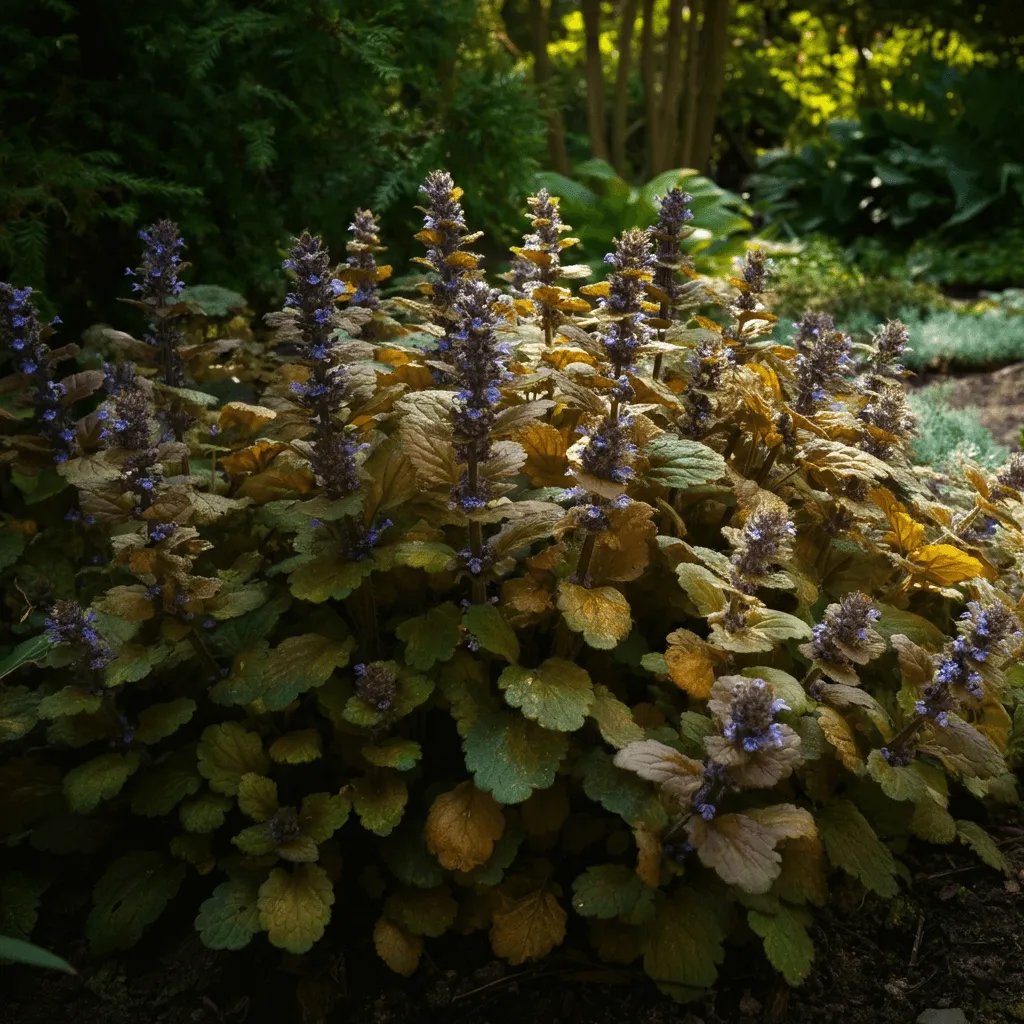
5. Bugleweed (Ajuga)
Known For: Colorful foliage.
Ajuga thrives in partial to full shade, offering rich hues like bronze, purple, and green. Plus, its quick-spreading nature is ideal for tough patches.
Quick Fact:
Ajuga forms dense clusters that discourage weeds from invading your garden.
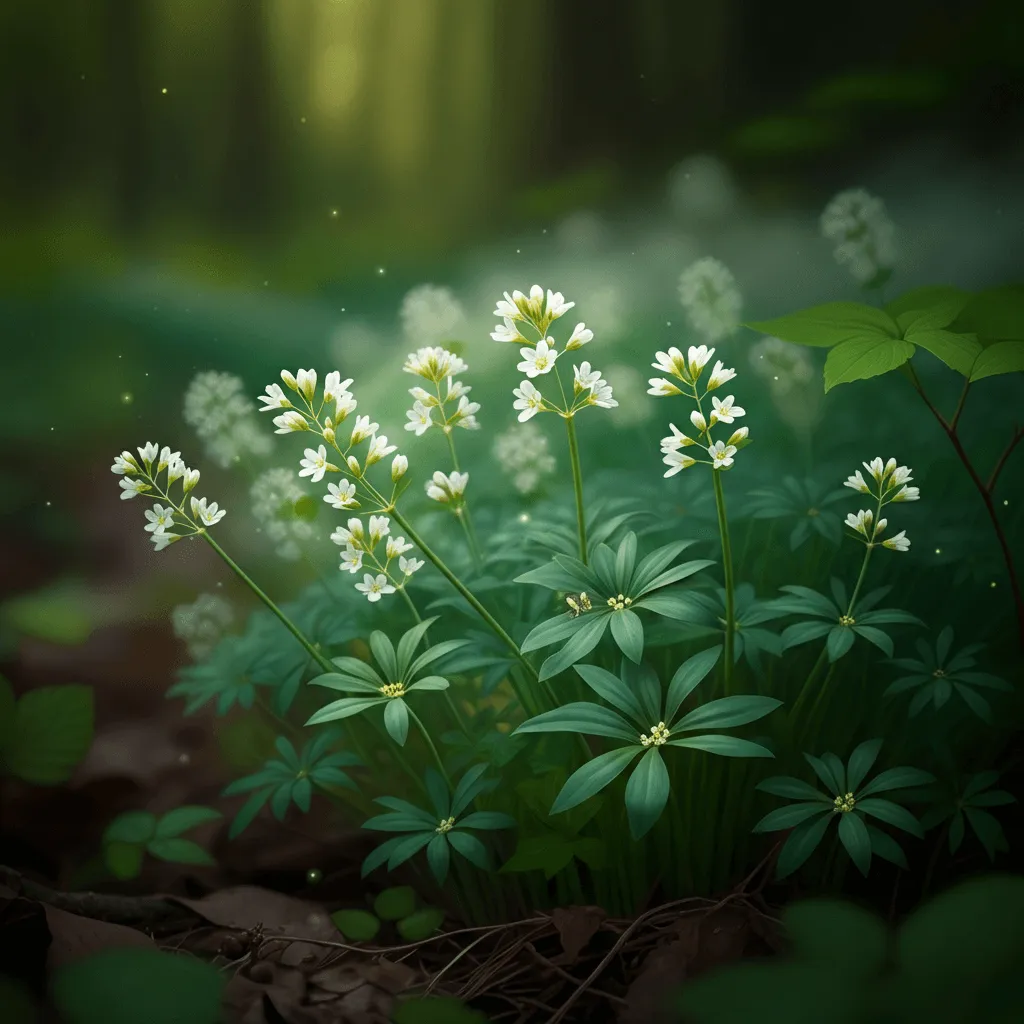
6. Sweet Woodruff (Galium Odoratum)
Known For: Sweet vanilla scent.
Sweet Woodruff is perfect for shaded areas—its tiny white blooms add a fairy-tale charm.
Fun Trivia:
Crushed Sweet Woodruff leaves were once used to scent linens in medieval Europe.
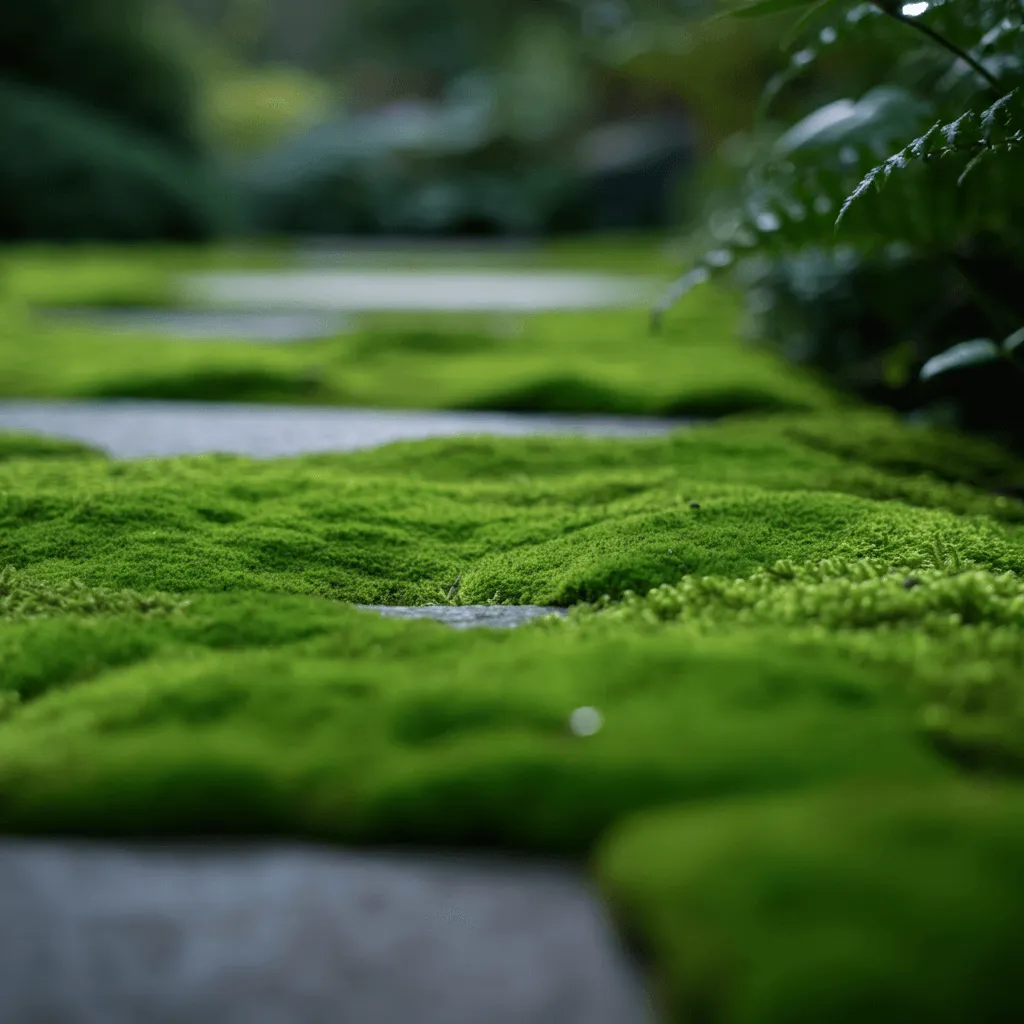
7. Irish Moss
Known For: Plush texture.
Irish Moss resembles a soft green carpet and fits wonderfully between stepping stones or along garden paths.
Practical Use:
It performs exceptionally well in damp, shaded environments.
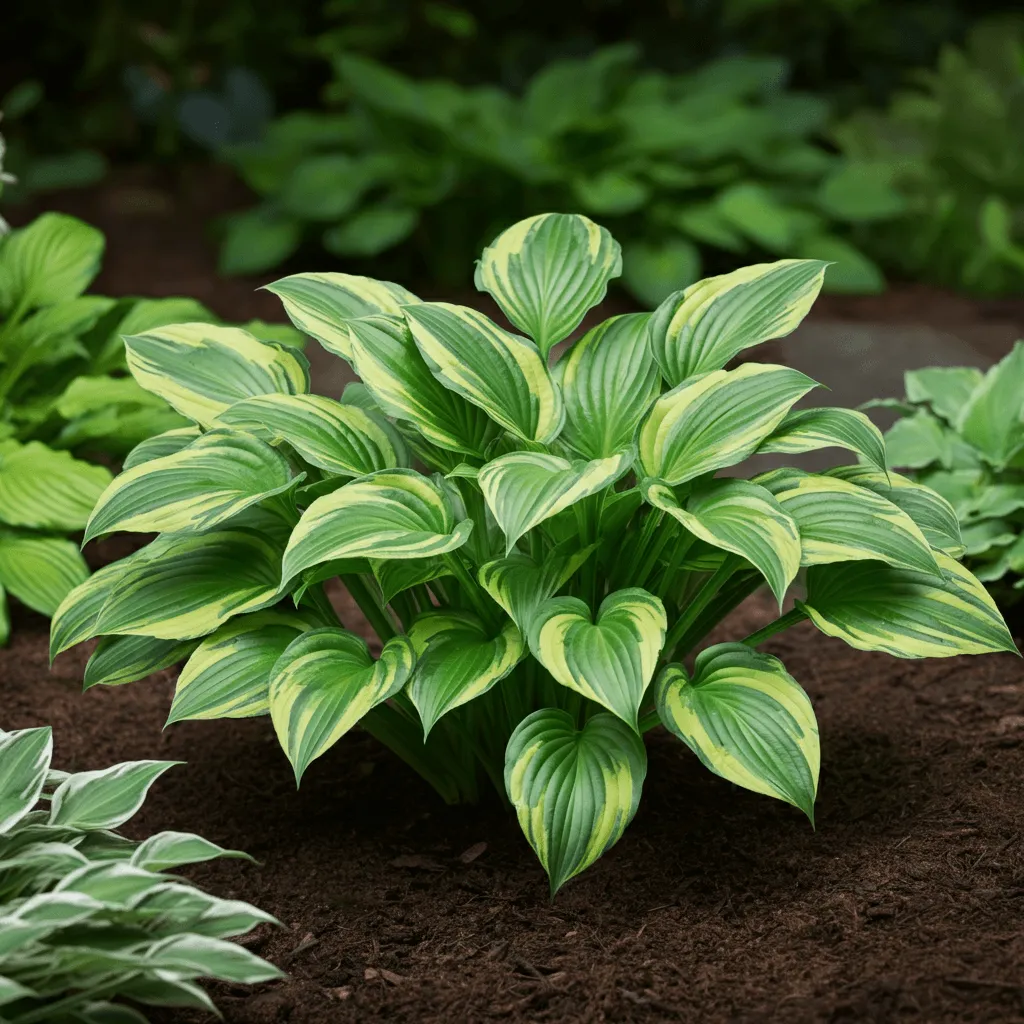
8. Hosta
Known For: Bold leaves.
Hostas are a crowd favorite, adding texture with their large, variegated leaves. They’re fantastic for tackling those shady spots in your yard.
Care Tip:
Keep an eye out for slugs—they’re as drawn to Hostas as you are.
9. Pachysandra
Known For: Classic ground cover.
Pachysandra is a go-to choice for areas under dense trees, where little else grows.

A Real-Life Scenario:
Margaret in Vermont swapped her patchy lawn for Pachysandra under a row of oaks—she hasn’t worried about weeds since!
10. Thymeleaf Speedwell (Veronica Repens)
Known For: Pale blue flowers.
This species spreads quickly, creating a stunning blue-purple carpet in spring.

Garden Tip:
Plant it around stepping stones for a magical cottage-garden vibe.
11. Mazus Reptans
Known For: Vibrant flowers in shades of purple and white.
Mazus is the epitome of a fast-grower, providing brilliant ground cover on slopes or in shaded areas.
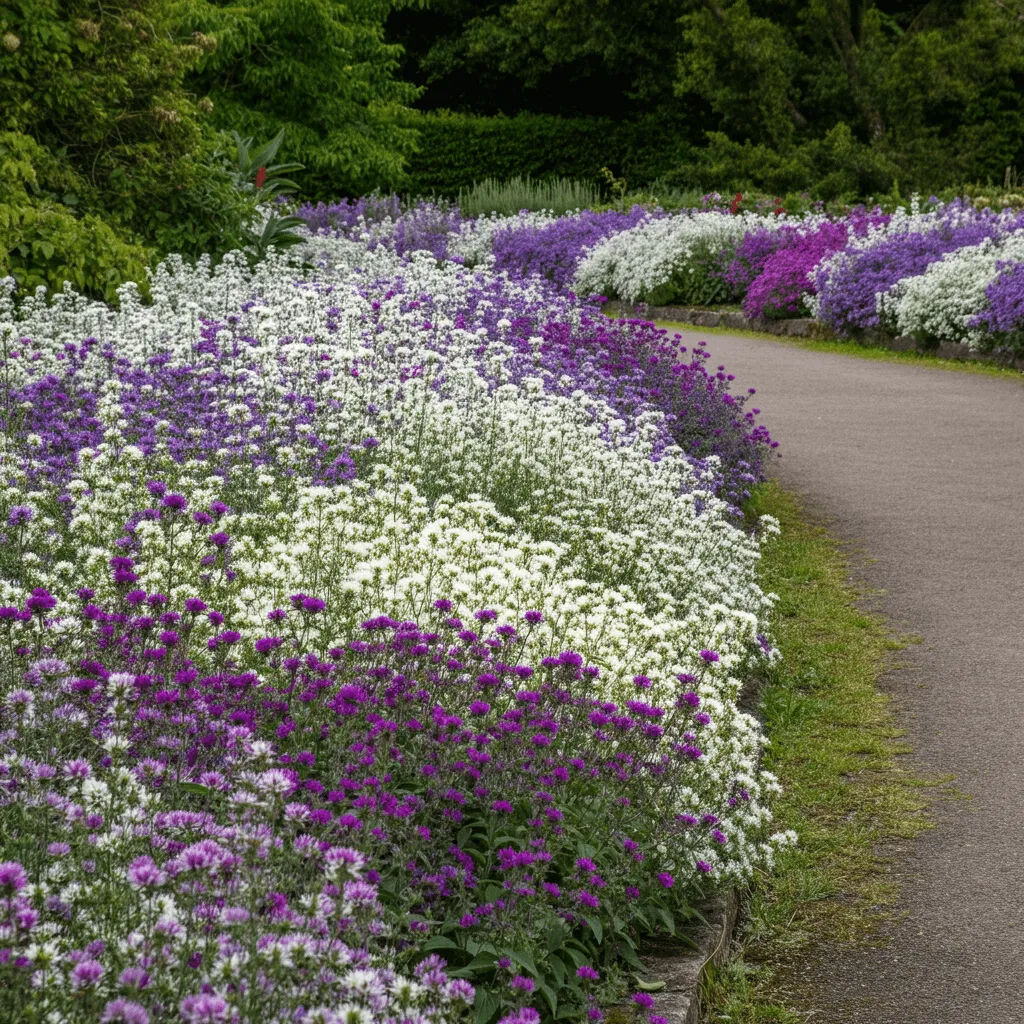
Placement Idea:
Lead it along a pathway to create an inviting splash of color.
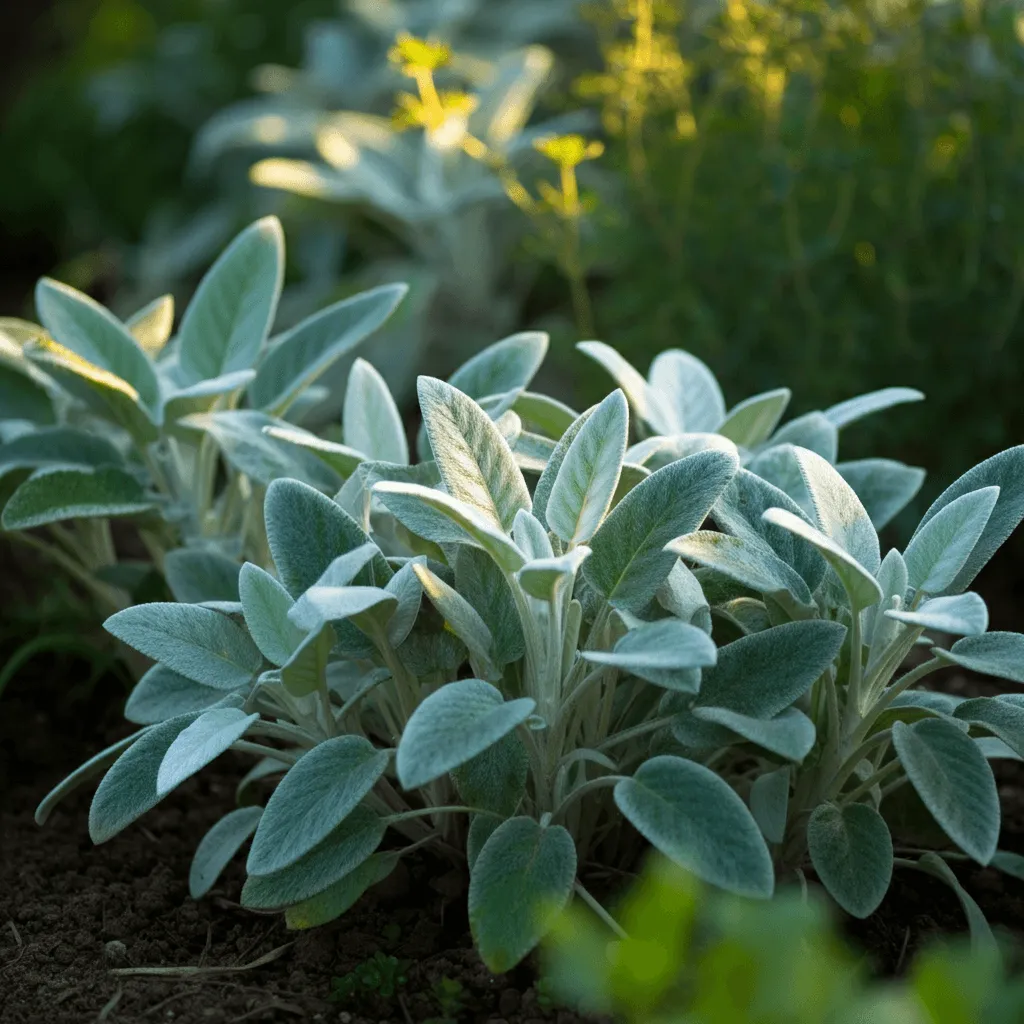
12. Lamb’s Ear (Stachys Byzantina)
Known For: Velvety texture.
Lamb’s Ear not only offers soft, silvery leaves but also serves as an edible addition in some herbal gardens.
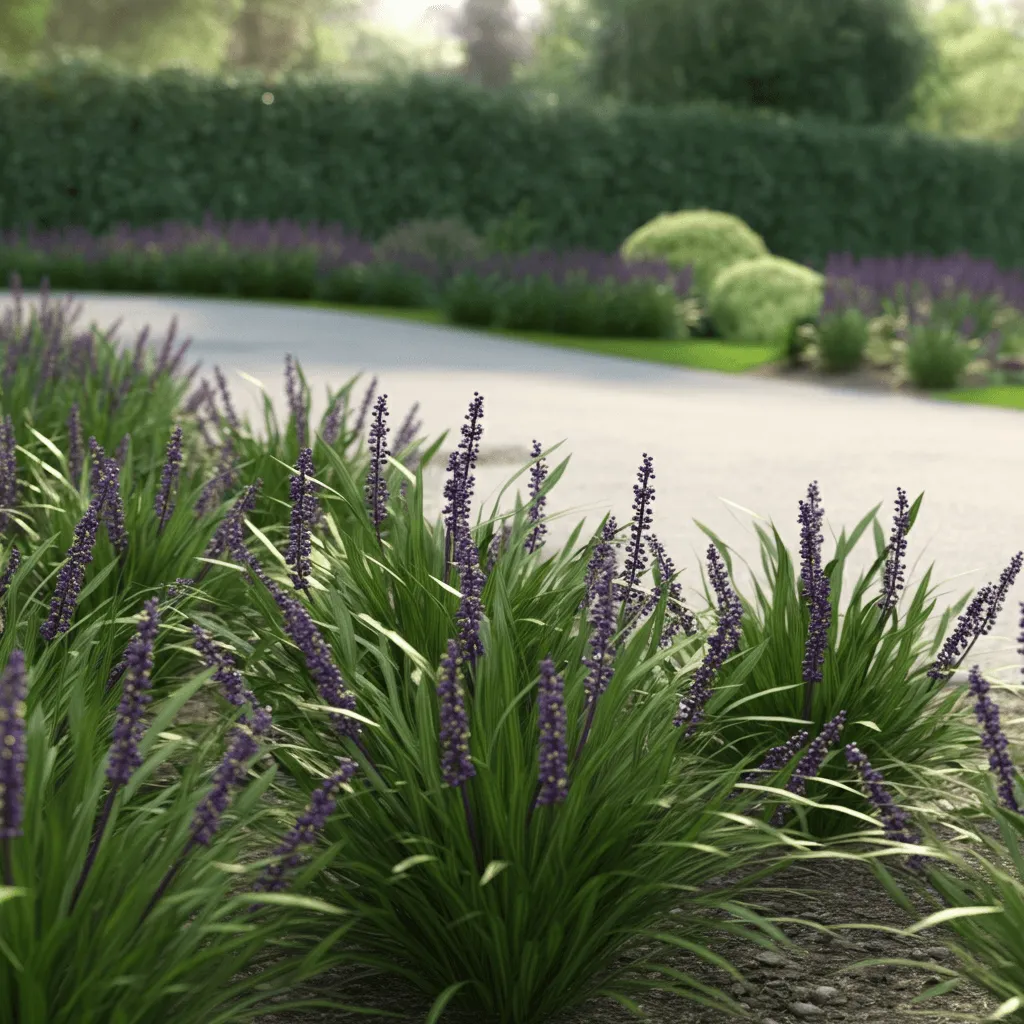
13. Lilyturf (Liriope Spicata)
Ideal for lining driveways and pathways.
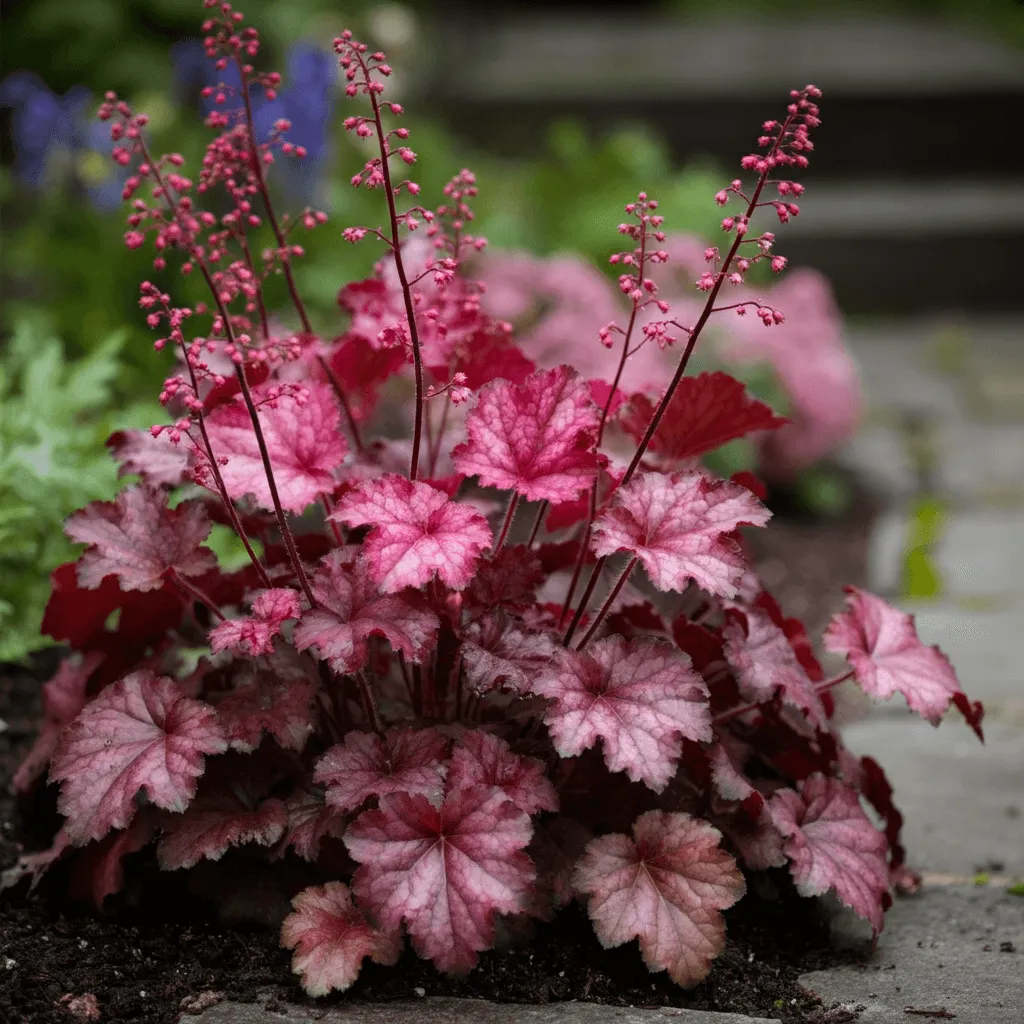
14. Coral Bells (Heuchera)
Known for their striking foliage in shades of pink, purple, and bronze.
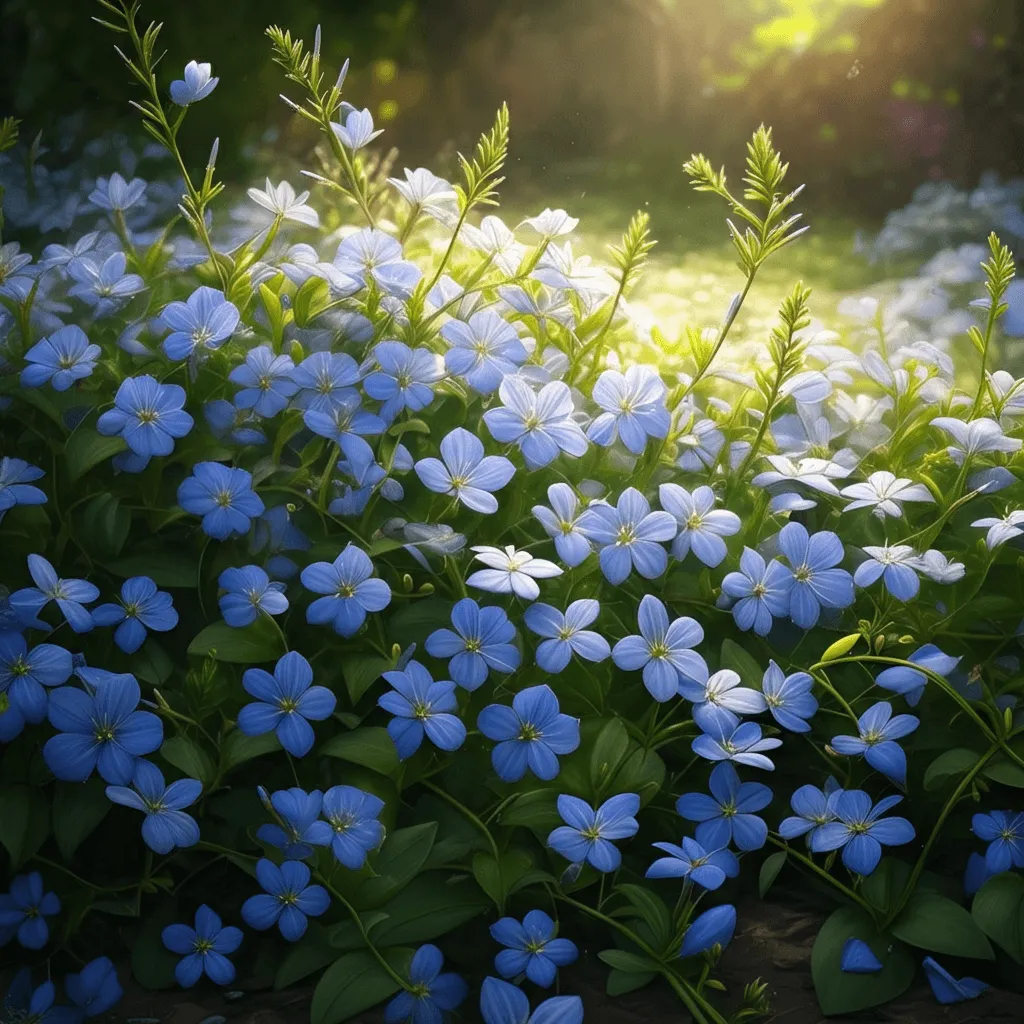
15. Blue Star Creeper
Adds pale blue flowers to sunny spots.
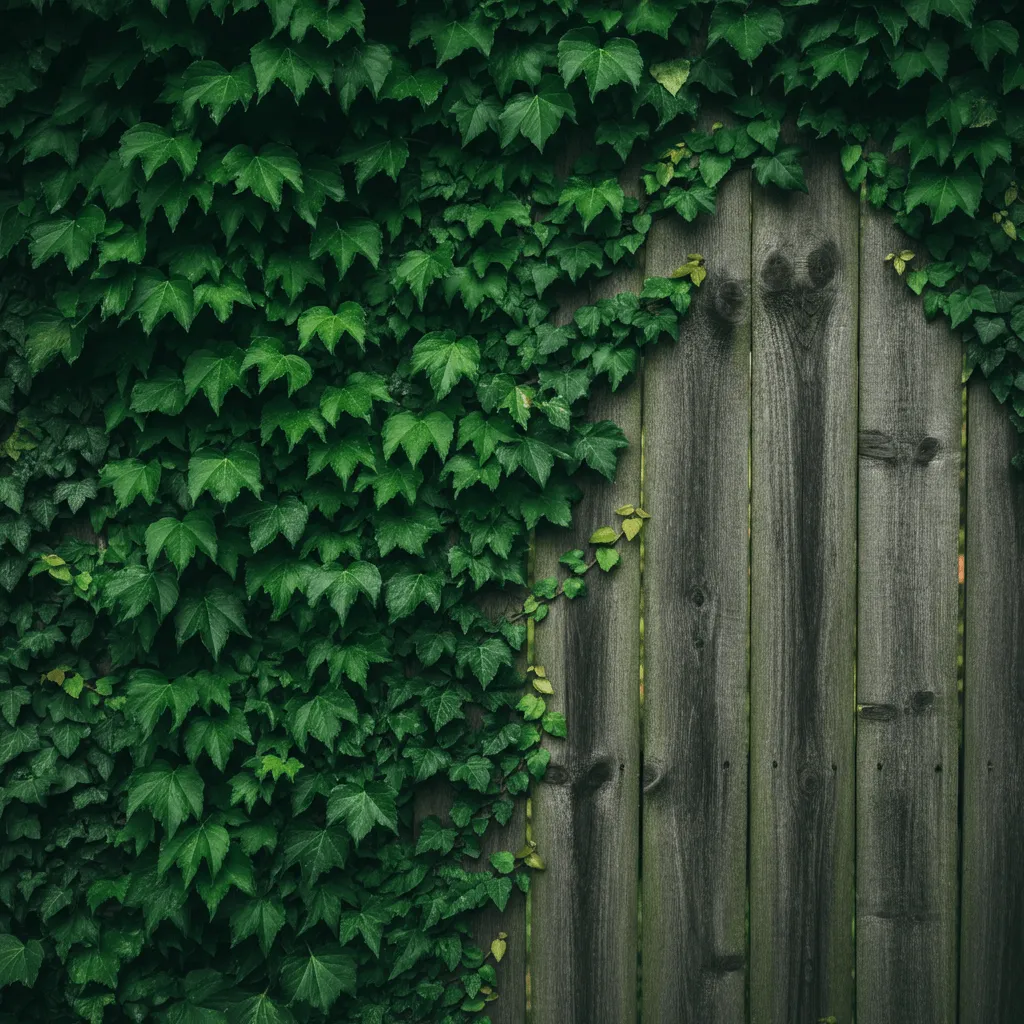
16. Baltic Ivy
Evergreen and perfect for fences or walls.
17. Japanese Spurge
Another reliable option for shaded gardens.

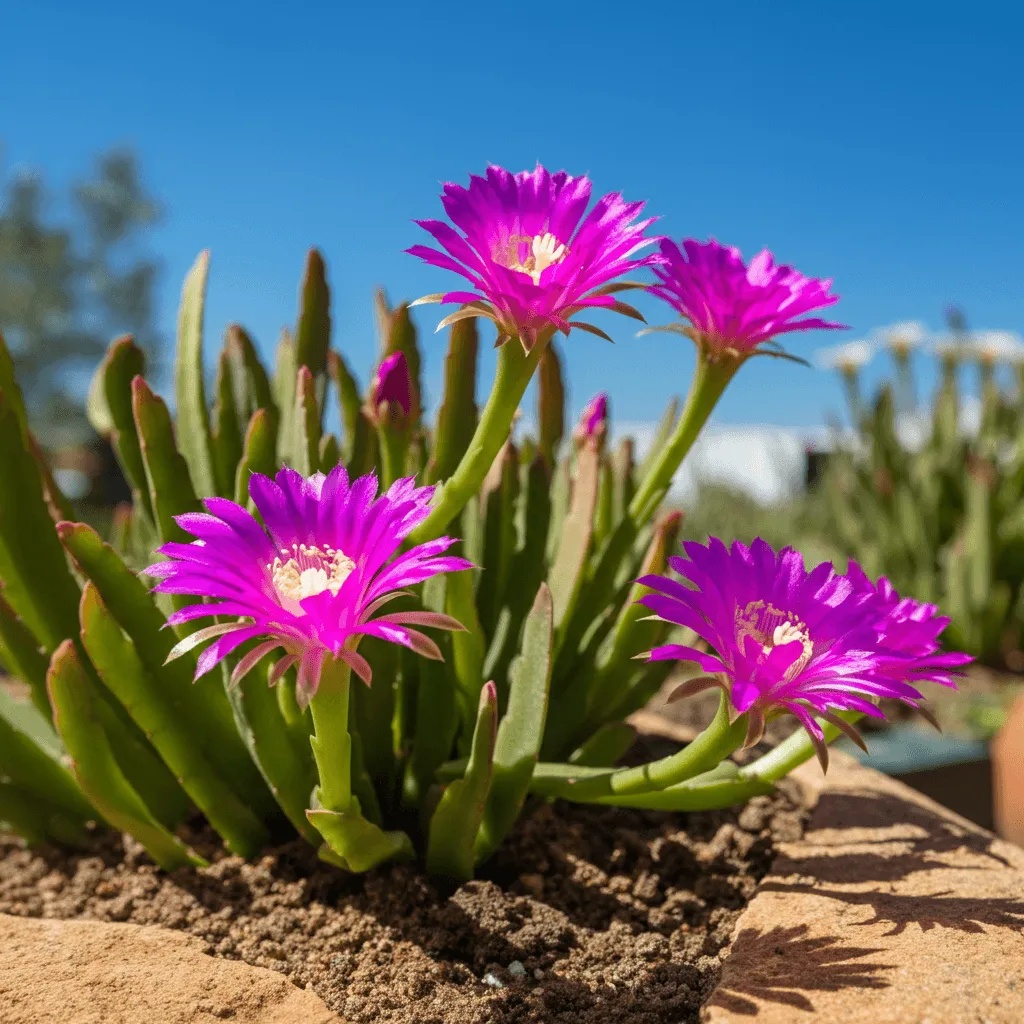
18. Ice Plant (Delosperma)
Vibrant blooms that dazzle in sun-soaked areas.
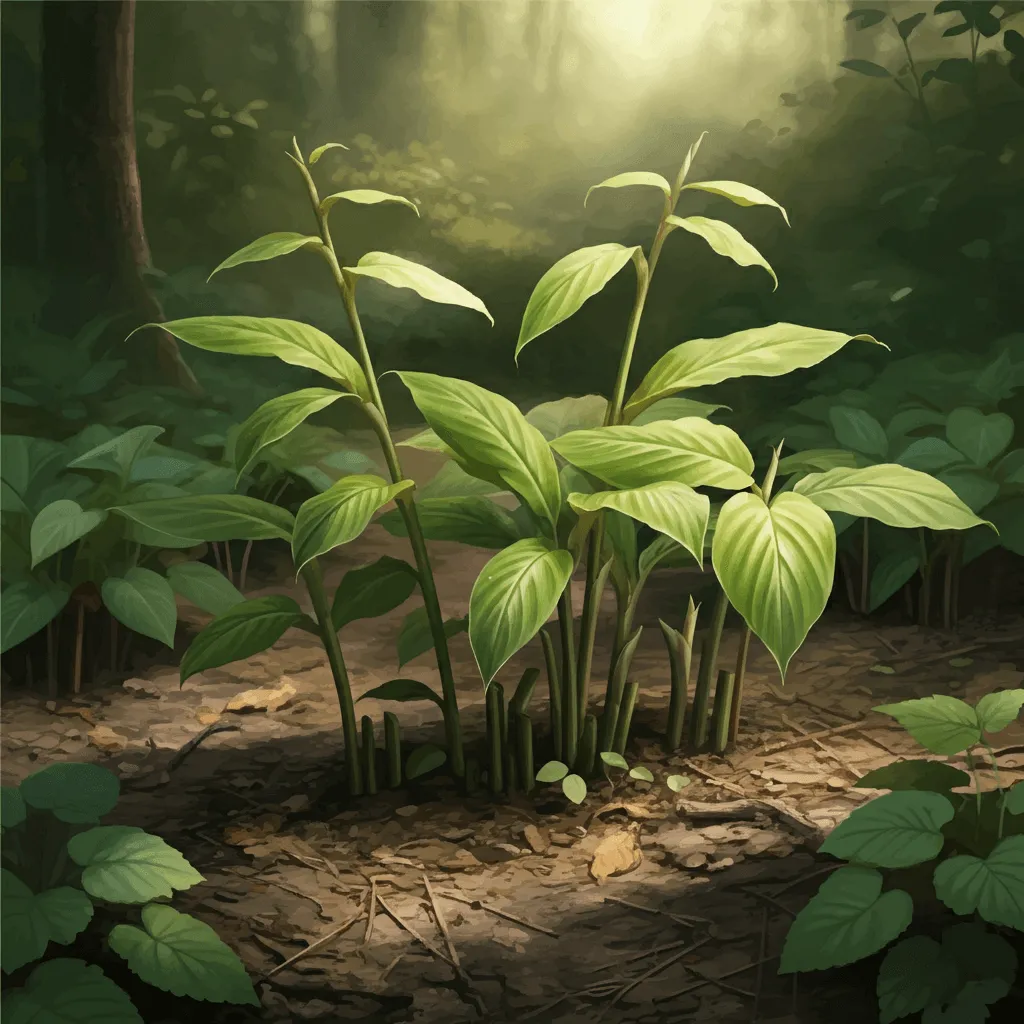
19. Wild Ginger
Perfect for shaded woodlands.
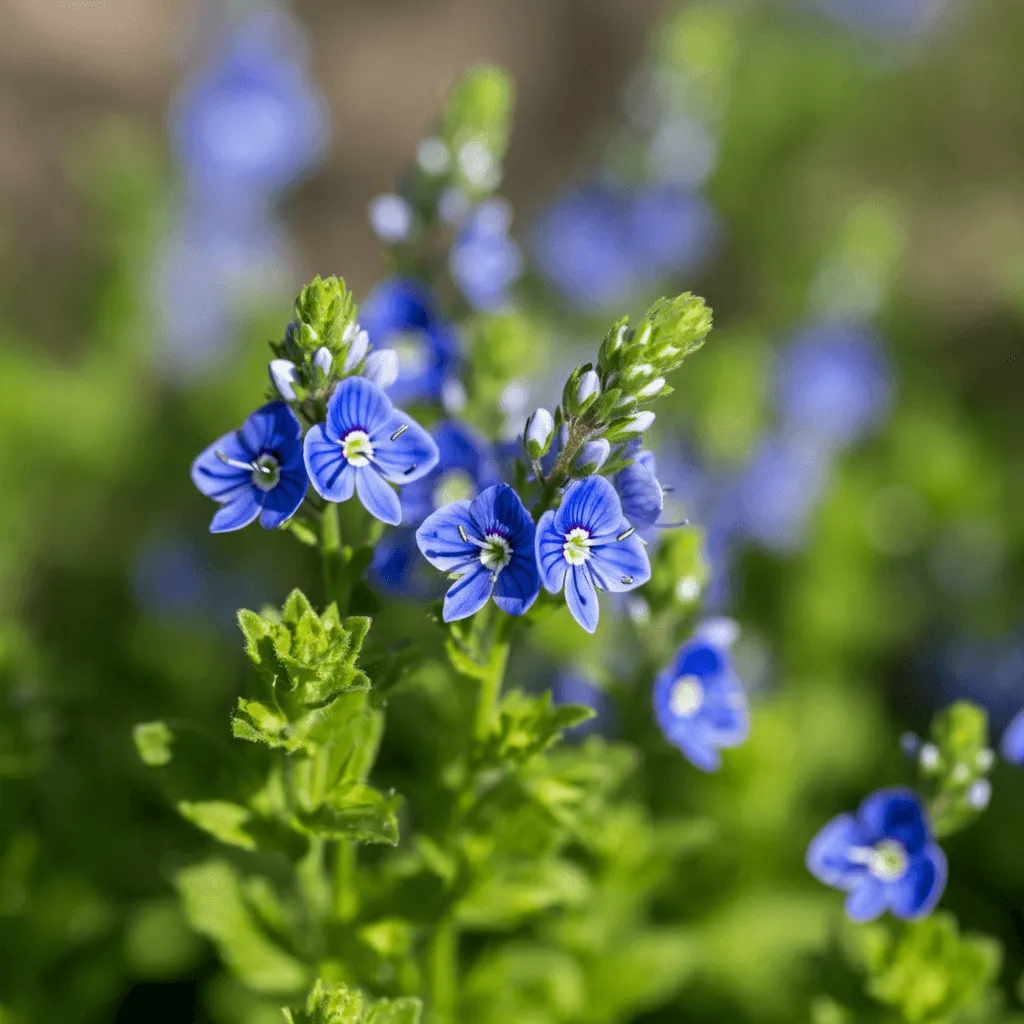
20. Veronica Georgia Blue
Vibrant blue accents for early spring.
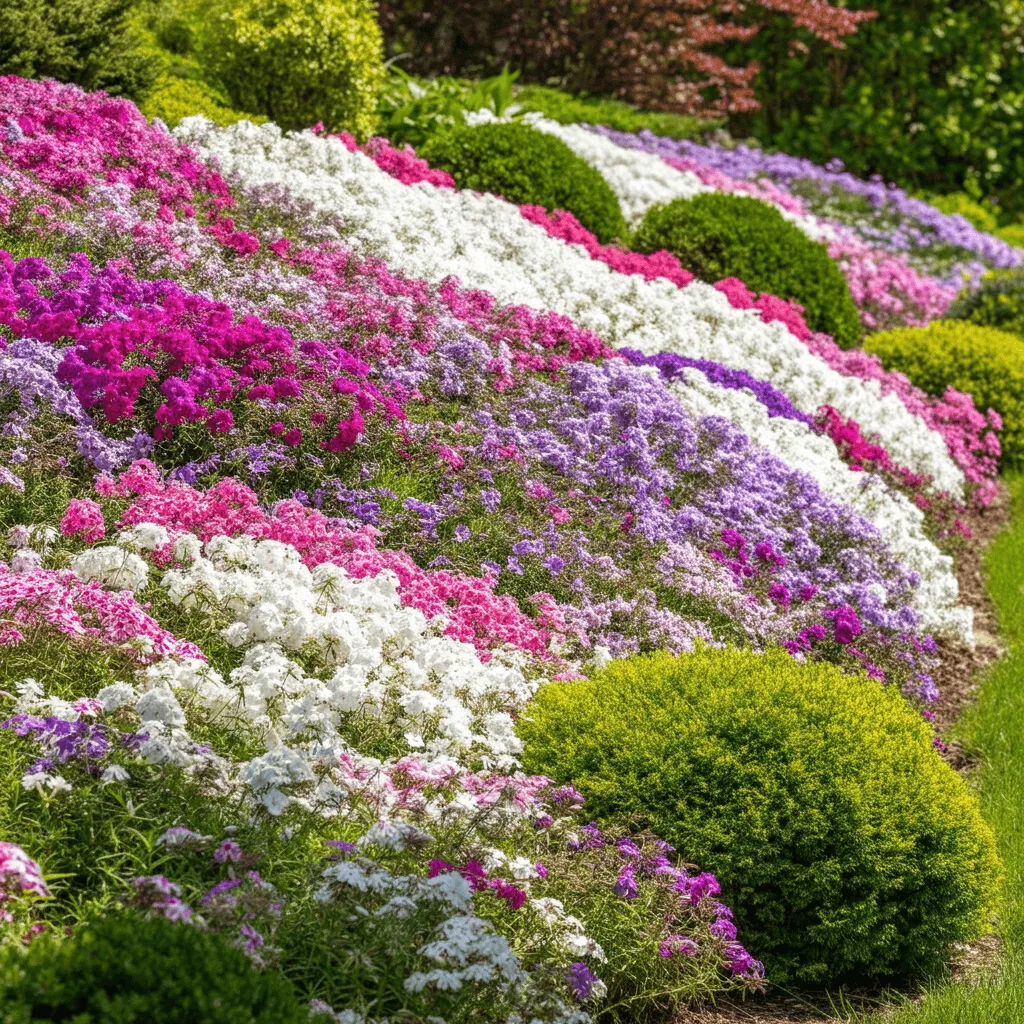
21. Creeping Phlox
Brings a stunning burst of colors in spring.
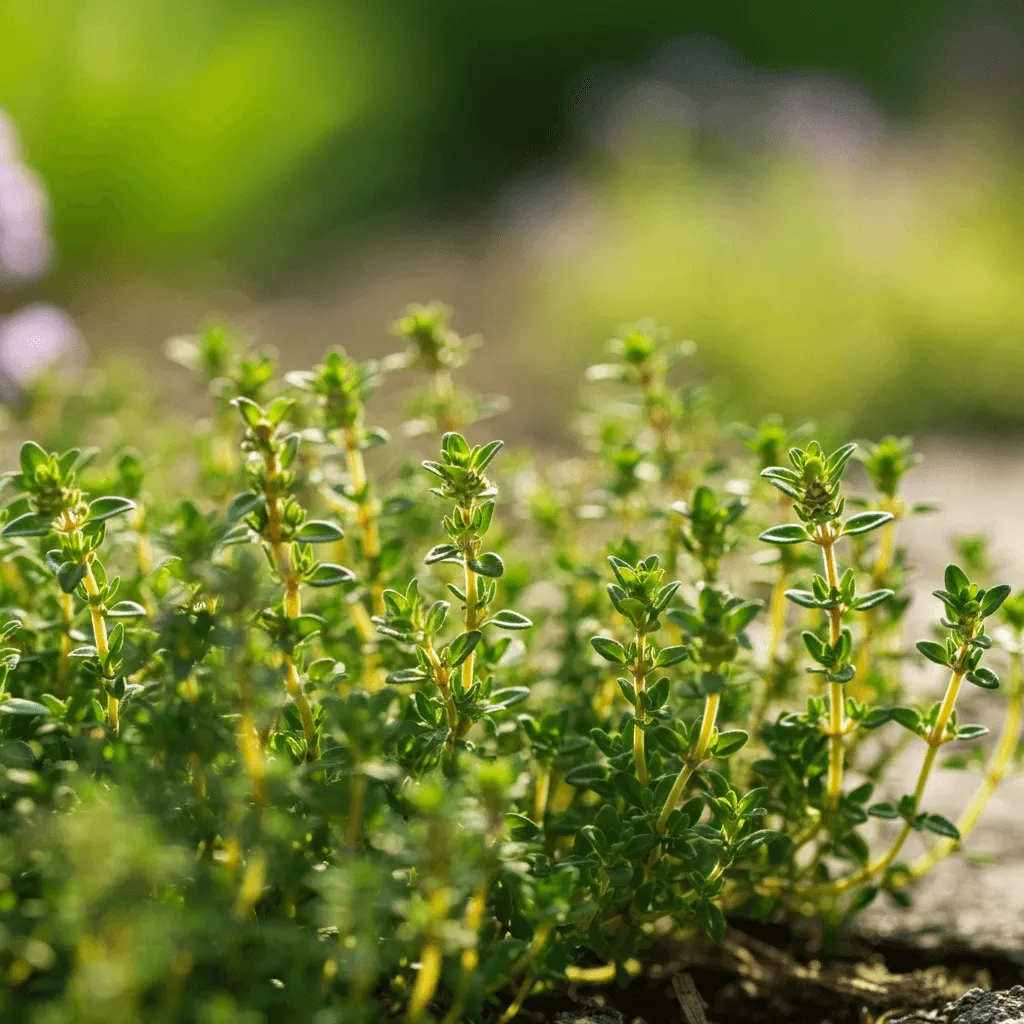
22. Thyme ‘Elfin’
A more compact version of creeping thyme.
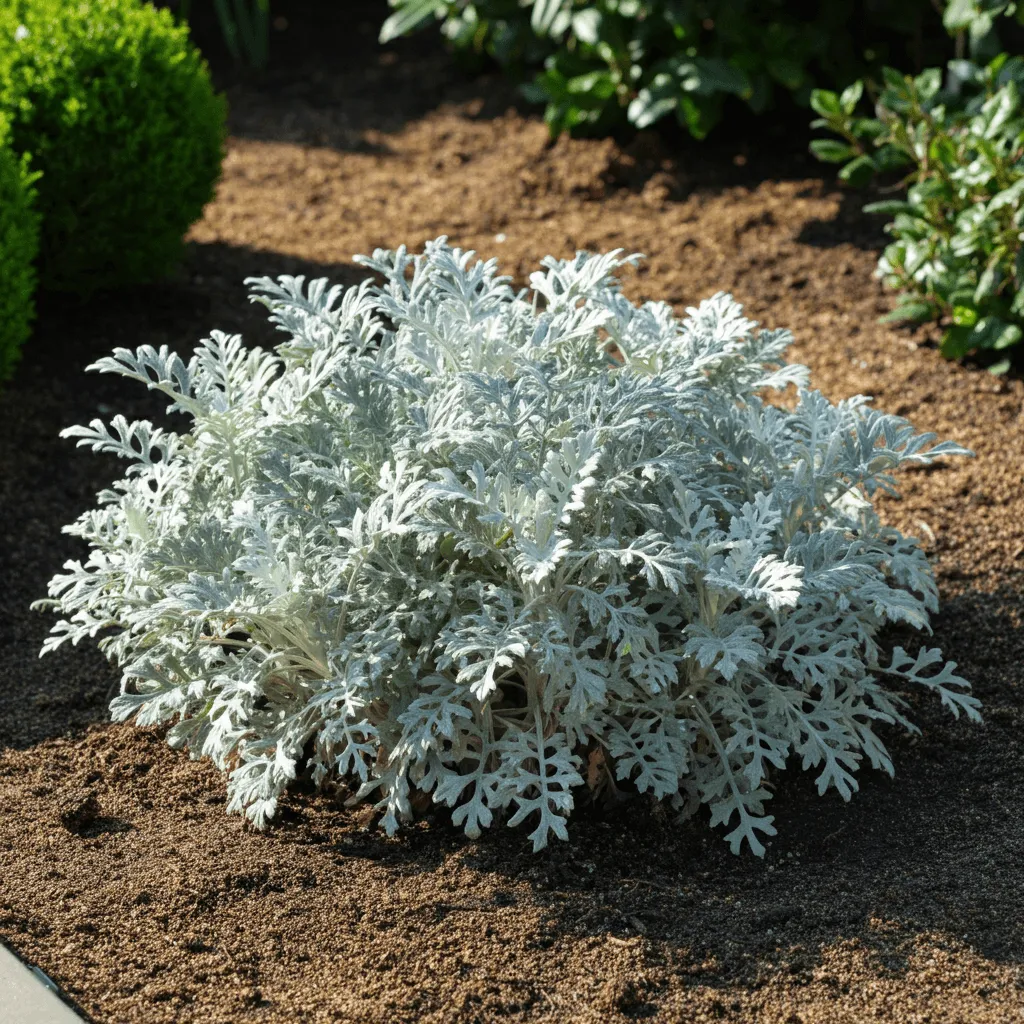
23. Silver Carpet (Dymondia Margaretae)
A silvery, flat foliage plant ideal for sunny spaces.
FAQ Section
Q1. What are low-growing perennials?
These are plants that grow close to the ground and return each year with minimal replanting.
Q2. How do I choose the right perennial for my garden?
Consider your garden’s sunlight, soil type, and climate. For example, Sedums thrive in sunny areas, while Hostas excel in shade.
Q3. Are these plants pet-friendly?
Always double-check! Some, like Lamb’s Ear, are safe, while others, such as certain Sedum varieties, may not be.
Final Thoughts
Choosing the right low-growing perennials isn’t just about creating beauty—it’s about crafting a sustainable, low-maintenance garden that serves a purpose. Whether you’re fighting erosion, replacing a lawn, or simply adding character, these plants have you covered (literally). Your greenery doesn’t just have to survive; it can thrive with the right perennial friends. Happy gardening! 🌿