10 Gorgeous Low Light Garden Ideas to Transform Shady Spaces
Ever feel like your shady yard is the mysterious cousin of sun-drenched gardens? It’s okay—every family has one. But just because your garden lacks direct sunlight doesn’t mean it has to miss out on beauty and charm. With some creativity and clever planning, you can create a stunning low-light garden that thrives in the shadows. Get ready to prove that shade gardens can be just as dazzling as their sunny counterparts!
This post covers ten amazing ideas to turn your shady spaces into lush, inviting retreats. Grab your gloves—your shady garden makeover is about to begin!
What Is a Low Light Garden?
Low light gardens, or shade gardens, are areas where sunlight is minimal, often blocked by trees, structures, or taller plants. Instead of struggling with sun-loving plants, we focus on greenery that thrives in low-light conditions. Think of it as nature’s version of hygge, offering cozy, serene spots in your backyard.
Real-Life Inspiration:
Meet Sarah, a homeowner with a backyard consistently shaded by towering maples. Instead of fighting nature, she embraced it with ferns, hostas, and pops of color from impatiens. Today, Sarah’s shade garden is so dreamy that even the sun wants a spot there!
1. Welcome Ferns for Evergreen Elegance
Ferns are the royalty of shade gardens. With their feathery fronds and lush greens, they thrive in low light and add depth to your space.
Recommended Varieties:
- Maidenhair ferns for delicate texture
- Japanese painted ferns for silvery tones
- Boston ferns for hanging baskets
Tip: Add a layer of mulch to help retain soil moisture and mimic the forest floor, which ferns adore.

2. Hostas: The MVPs of Shady Spaces
Hostas are the classic shade garden champions. They come in a variety of sizes, shapes, and colors, from deep greens to striking variegated patterns.
Practical Example:
Plant a mix of large wild hostas in the background with smaller varieties like Blue Mouse Ears up front for a tiered look.
Pro Tip: Protect them from slugs and snails by surrounding plants with crushed eggshells or diatomaceous earth.

3. Add Pops of Color with Shade-Loving Flowers
A shady garden doesn’t have to lack color. Choose blooms that soak up limited sunlight gracefully.
Top Picks:
- Impatiens for bright, vibrant flowers
- Astilbe for feathery plumes in pinks, reds, or whites
- Bleeding hearts for delicate, unique blooms

Quick Win: Use potted flowers to bring in color where planting isn’t possible, like under dense tree cover.
4. Design with Textures and Contrasts
Shady gardens often shine through contrasting textures. Experiment with combinations like:
- The glossy leaves of Ligularia
- The matte fronds of ferns
- Ornamental grasses such as Hakonechloa (Japanese forest grass)
Case Study:
James transformed a dull garden corner by planting a mix of hostas, Japanese forest grass, and soft moss for a mesmerizing mix of textures and movement.

5. Consider Architectural Plants
Choose bold, statement-making plants like:
- Bear’s Breeches (Acanthus mollis)
- Elephant ear for oversized leaves
Design Tip:
Position architectural plants strategically as focal points to draw the eye into darker spaces.

6. Mix in Edibles That Tolerate Shade
Yes, you can grow edibles in partial shade! Some veggies and herbs are perfectly comfortable without direct sunlight.
Edibles to Try:
- Leafy greens like spinach, kale, and Swiss chard
- Herbs including mint, parsley, and cilantro
Example:

Janet uses her shady garden patch to grow a “soup garden” filled with parsley, spinach, and kale. Dinner is literally in her backyard.
7. Enhance with Groundcovers
Groundcovers are ideal for shade gardens, filling in empty gaps and creating a lush “carpet” effect.
Popular Choices:
- Liriope (monkey grass) for wavy, grass-like textures
- Sweet woodruff for tiny flowers and a pleasant aroma
- Creeping Jenny for cascading light green tendrils

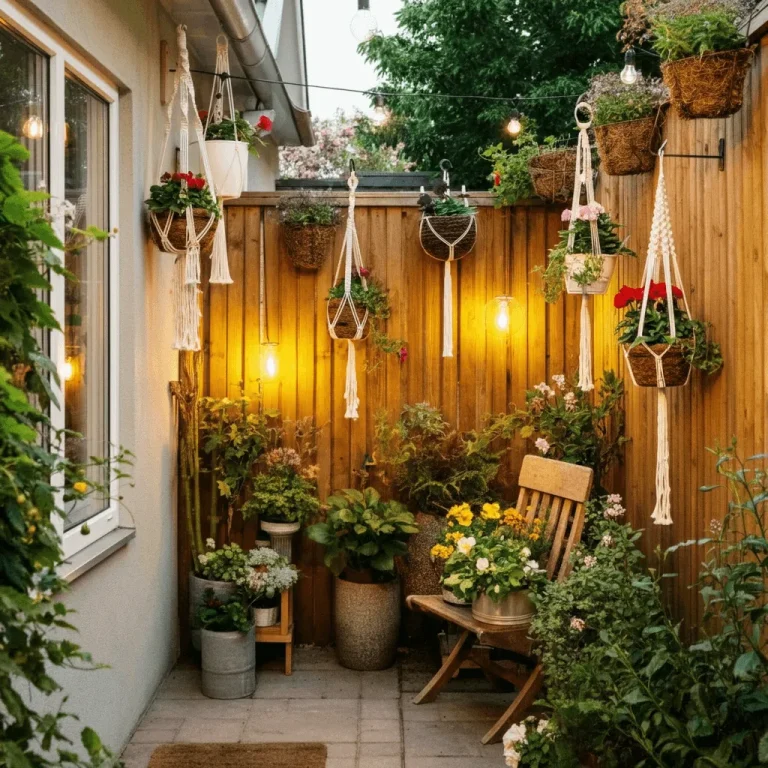
8. Illuminating Darkness with Lighting
Don’t forget lighting—why should your beautiful garden disappear after sunset? Use solar lights tucked behind plants to highlight their shapes and textures. Or add string lights for ambiance.
Installation Idea:
Hang waterproof Edison-style lights between trees for a rustic glow that turns any shady corner into a welcoming nook.

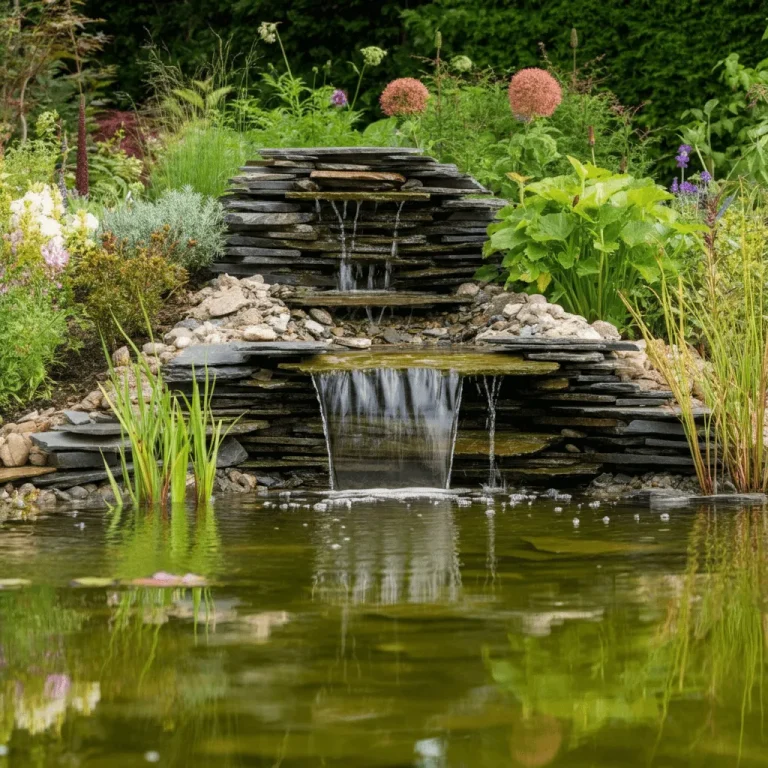
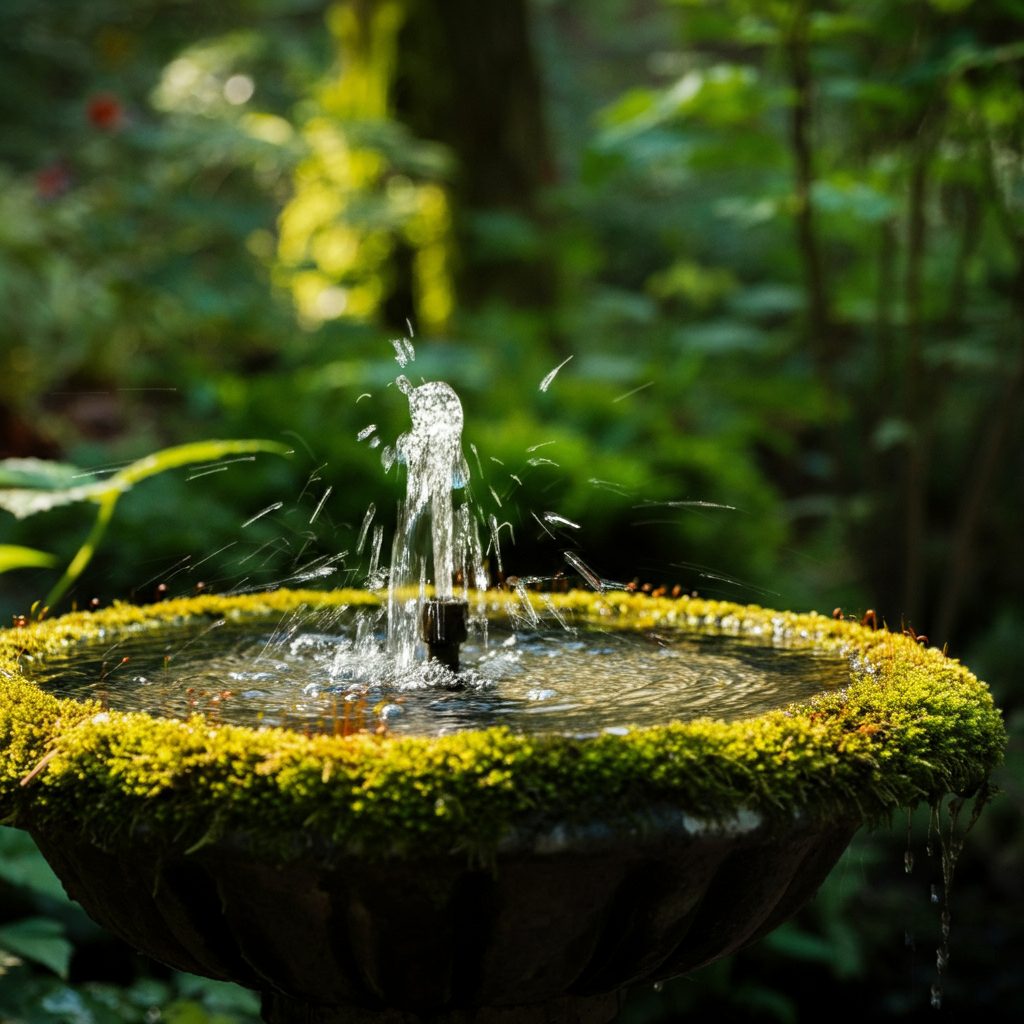
9. Add Water Features
Water features bring calmness to shady spaces and fit beautifully with the overall peaceful vibe.
Ideas to Explore:
- Small fountains surrounded by moss for a woodland feel
- Reflective pools to bounce what light you have
Tip:
Keep water features clean and regularly refreshed for that soothing trickling sound.
10. Use Mulch and Hardscaping for the Perfect Finish
Mulch prevents weeds while retaining moisture, mimicking nature’s forest floors. Complement mulch with hardscaping elements like stone paths, planter boxes, or wooden benches for a polished look.
Pro Tip:
Choose dark mulch (like bark or cocoa shells) to contrast the light greens of plants for added visual interest.

Frequently Asked Questions
Q1. Can a shady garden be colorful?
Absolutely! Use shade-loving flowering plants like impatiens and astilbes, combined with colorful groundcovers such as Creeping Jenny.
Q2. What’s the best soil for shade gardens?
Amend soil with organic matter like compost to ensure adequate drainage and nutrients for plants thriving in low light.
Q3. How do I stop weeds in a shaded area?
Apply a layer of mulch around your plants to suppress weeds and retain soil moisture.
Q4. Is it possible to grow fruit in a shady garden?
Yes! Consider shade-tolerant fruits like gooseberries, blackberries, and currants.
Q5. How do I deter snails in my low-light garden?
Use natural barriers such as diatomaceous earth or crushed eggshells around plants to stop snails.
Wrapping It Up
Shady areas aren’t problem spaces—they’re opportunities. With the right plants, clever designs, and pops of creativity, you can transform any low-light corner into an oasis of beauty and calm. Which idea will you try first? Remember, the shade isn’t a limitation—it’s a canvas!