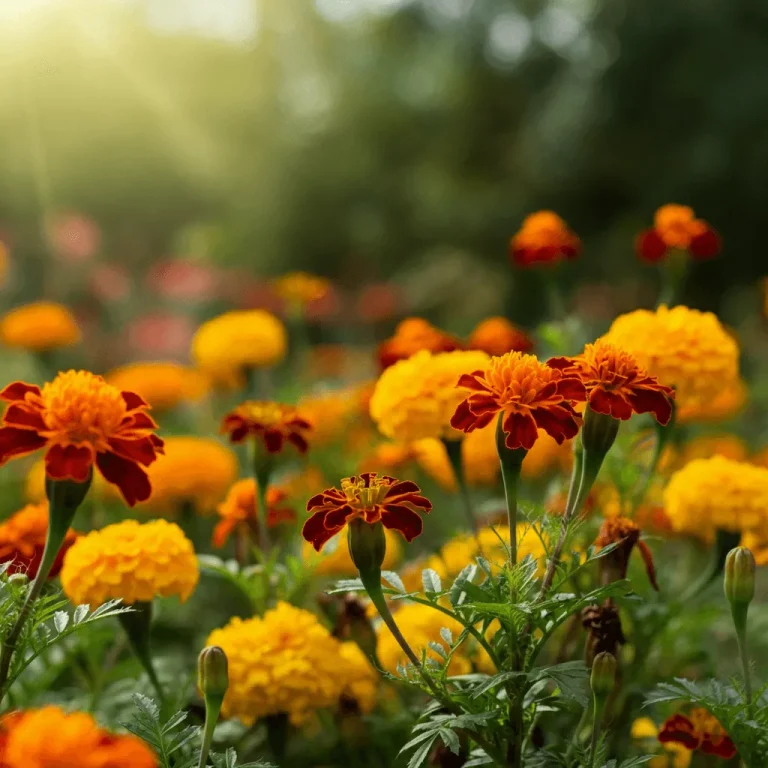
9 Best Milkweed to Grow for Monarch Butterflies
If monarch butterflies could write reviews, milkweed plants would probably earn five stars across the board. They’re effectively the “home, buffet, and nursery” for these magnificent pollinators. Looking to invite these beauties into your garden? Here are the 9 best milkweed varieties to grow for monarch butterflies. But first, why do butterflies love it so much? Well, think of it this way—if you loved pizza AND it came with free housing, you’d be thrilled, too!
Why Milkweed Matters to Monarch Butterflies
Milkweed is not just any plant; it’s a crucial host plant for monarch butterflies. Female monarchs lay their eggs exclusively on milkweed, and the caterpillars feed on its leaves. This means no milkweed, no monarchs. It also produces nectar for many other pollinators, making it a champion in maintaining a vibrant ecosystem.
But not all milkweeds are created equal. Different species cater to various gardening conditions, regional climates, and even aesthetic preferences. Choosing the best milkweed doesn’t just make monarchs happy—it also ensures your garden flourishes!
Now, onto the list of winners!
1. Common Milkweed (Asclepias syriaca)
Common milkweed lives up to its name—it’s widespread, hardy, and highly attractive to monarch butterflies. Thriving in sunny areas, it features broad leaves that caterpillars find irresistible and clusters of pink to purplish flowers that release a sweet fragrance.
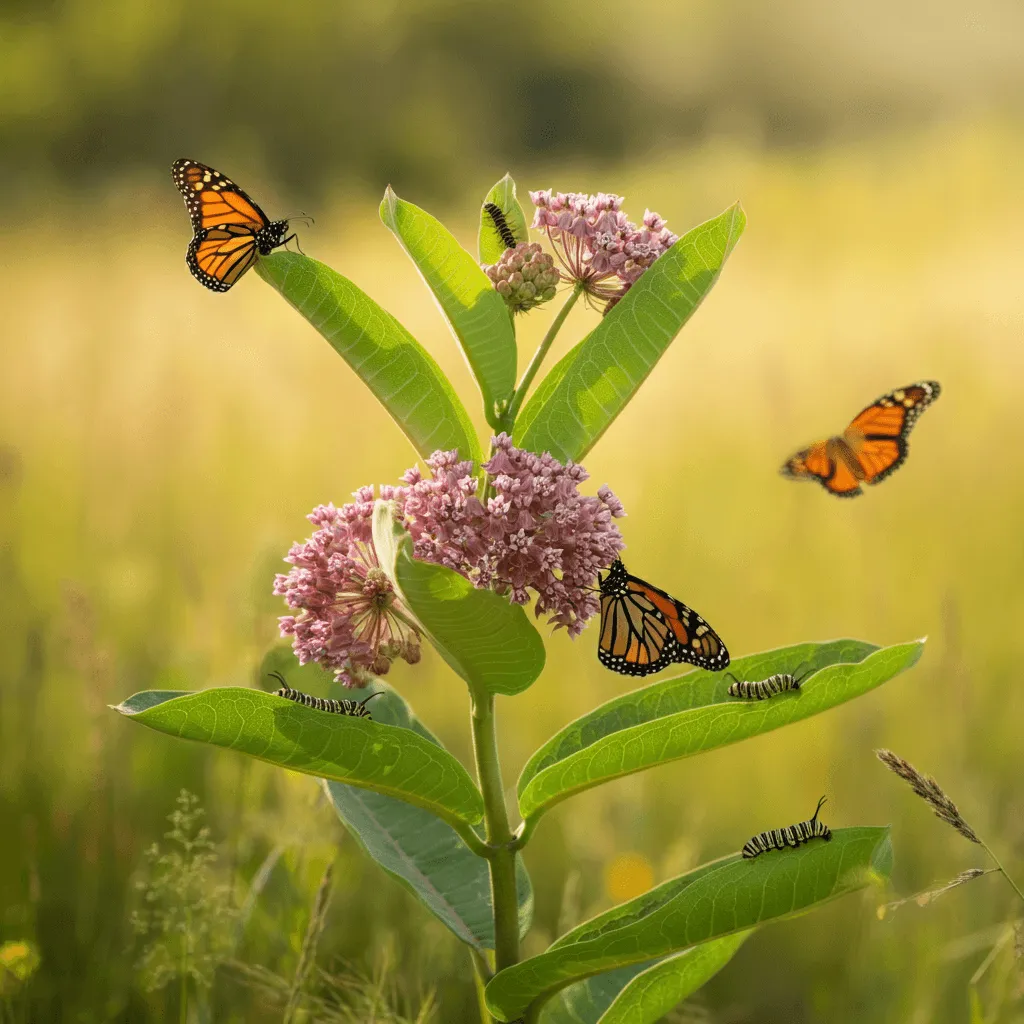
Why Choose It?
- Ideal for large gardens or wildflower meadows.
- Tolerates clay soil and drought conditions.
🌱 Tip: Its extensive root system can spread, so plant it where it has space to roam.
2. Swamp Milkweed (Asclepias incarnata)
Think having a soggy backyard disqualifies you from a butterfly-friendly garden? Think again! Swamp milkweed thrives in wet soils and offers captivating pink blossoms. It also resists deer, meaning your butterfly garden won’t become an unintended buffet for other creatures.
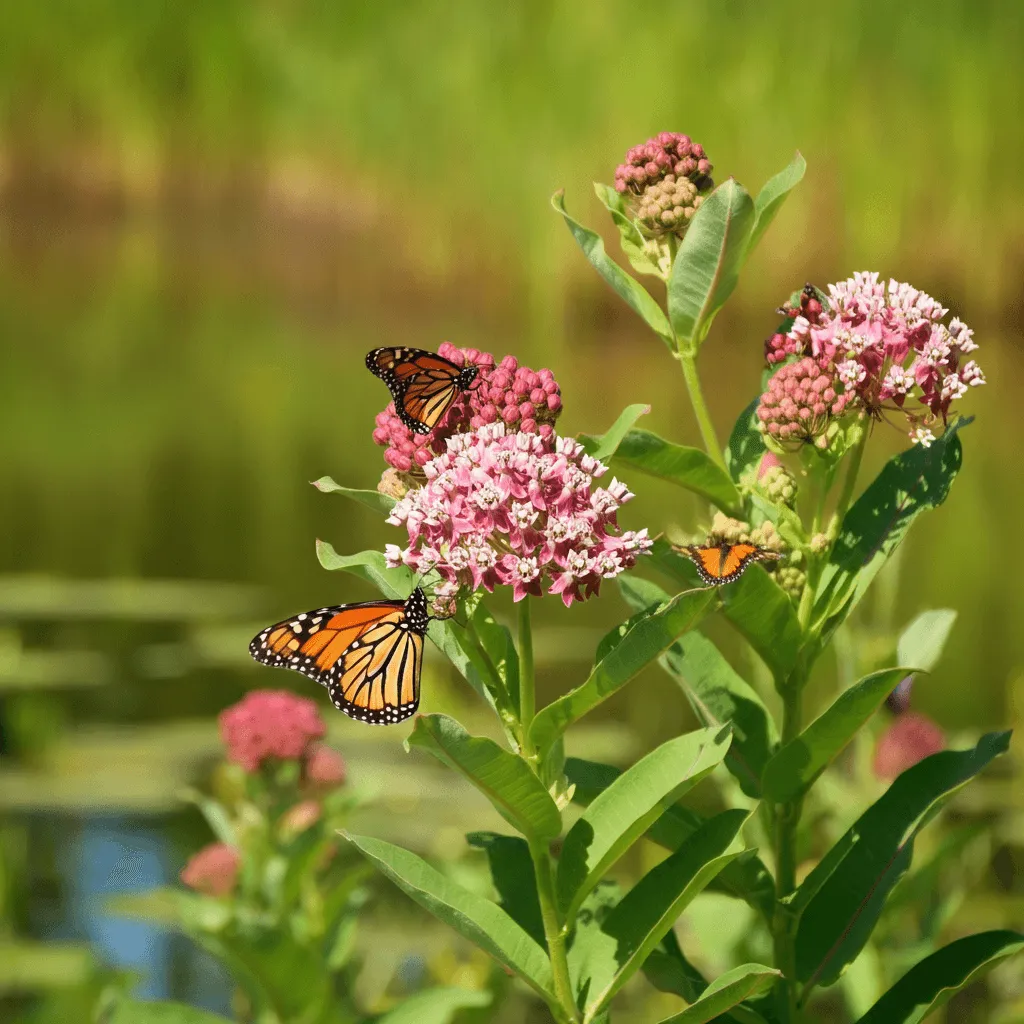
Where It Shines
- Perfect for rain gardens or near ponds.
- Highly aromatic, adding appeal to any space.
3. Showy Milkweed (Asclepias speciosa)
True to its name, showy milkweed stands out with its large, star-shaped pink flowers and soft, velvety leaves. A native to the western regions of North America, this species works well in dry, open spaces.
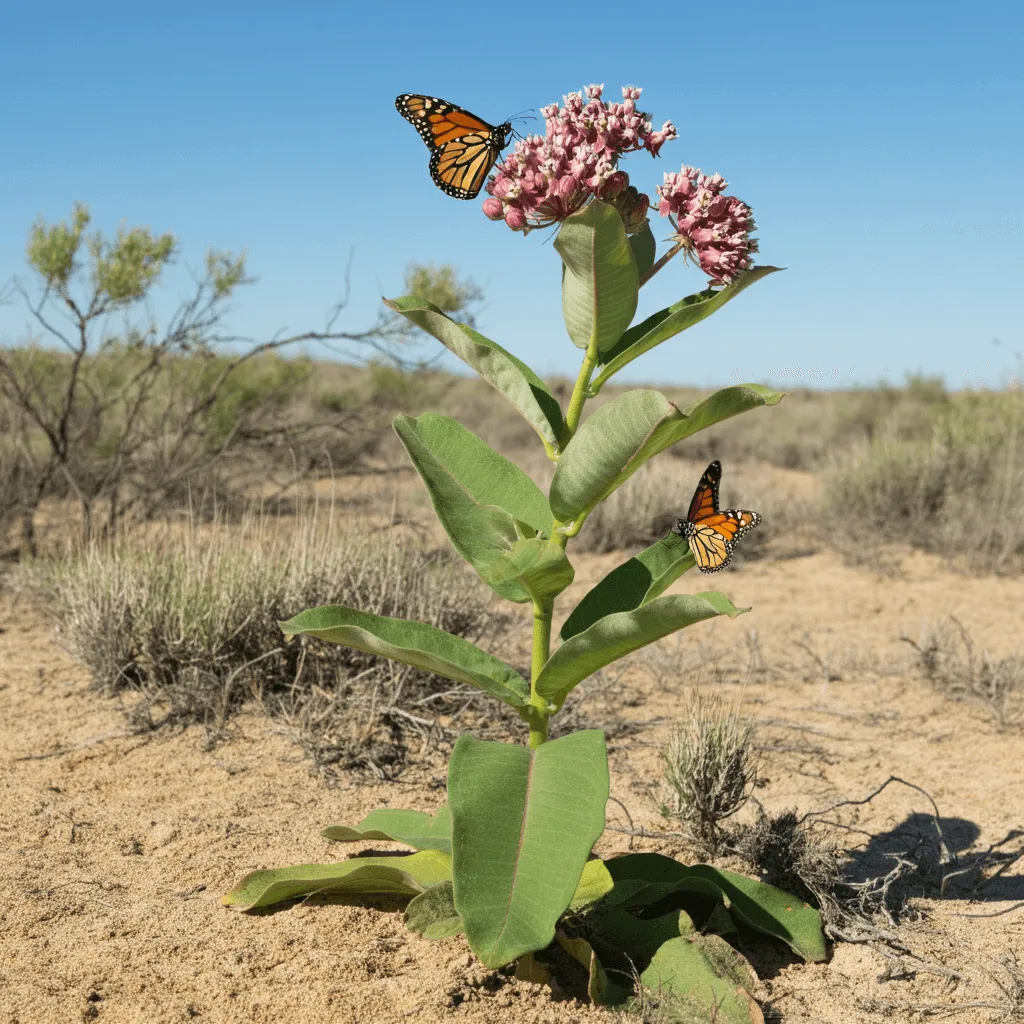
Features to Love
- Tolerates poor soils like sand.
- Looks gorgeous and supports monarchs simultaneously.
🌼 Friendly Reminder: Keep invasive weeds at bay to give this milkweed room to thrive.
4. Butterfly Weed (Asclepias tuberosa)
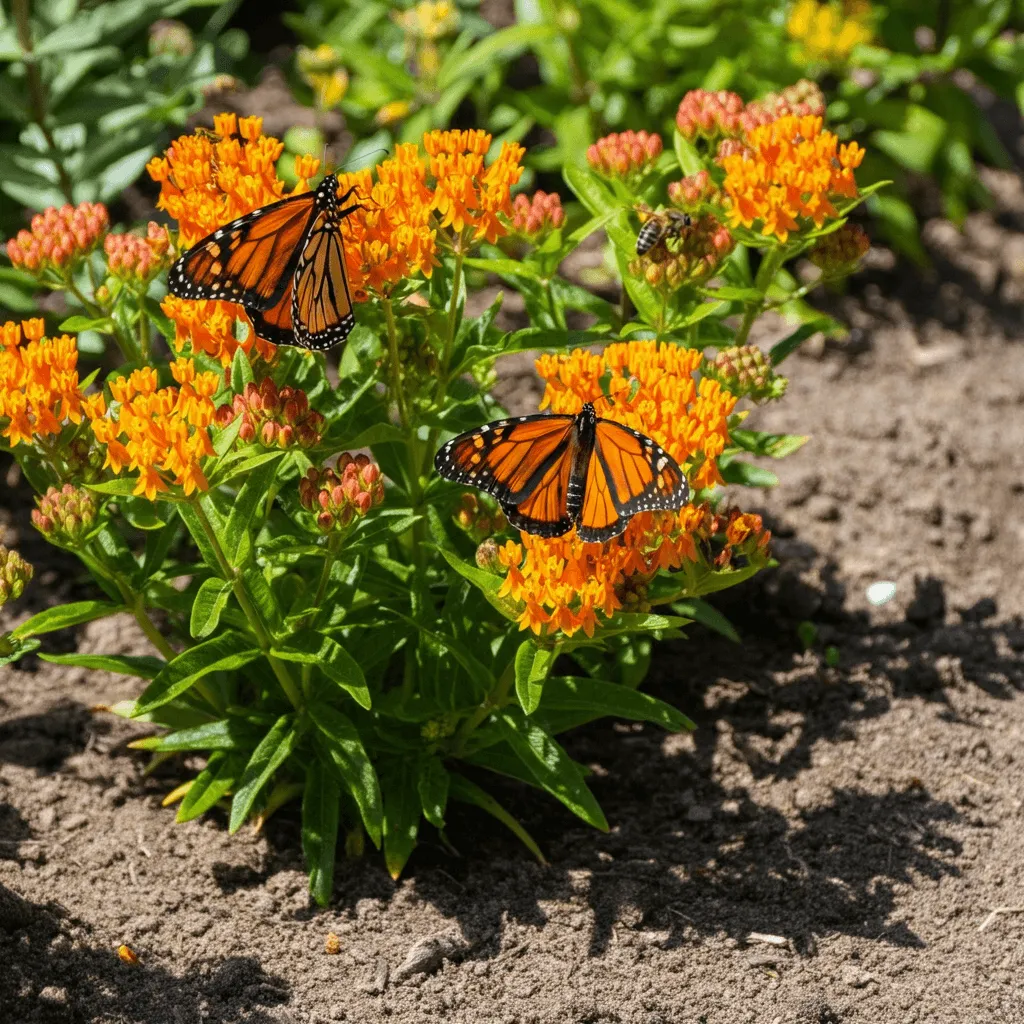
Butterfly weed is an all-star milkweed species that combines practicality with beauty. Unlike its cousins, it doesn’t have that milky sap but still delivers vibrant orange flowers and ample nectar for pollinators.
Benefits for Your Garden
- Thrives in sunny locations with well-drained soil.
- Its compact growth makes it ideal for smaller gardens.
5. Green Antelopehorn (Asclepias viridis)
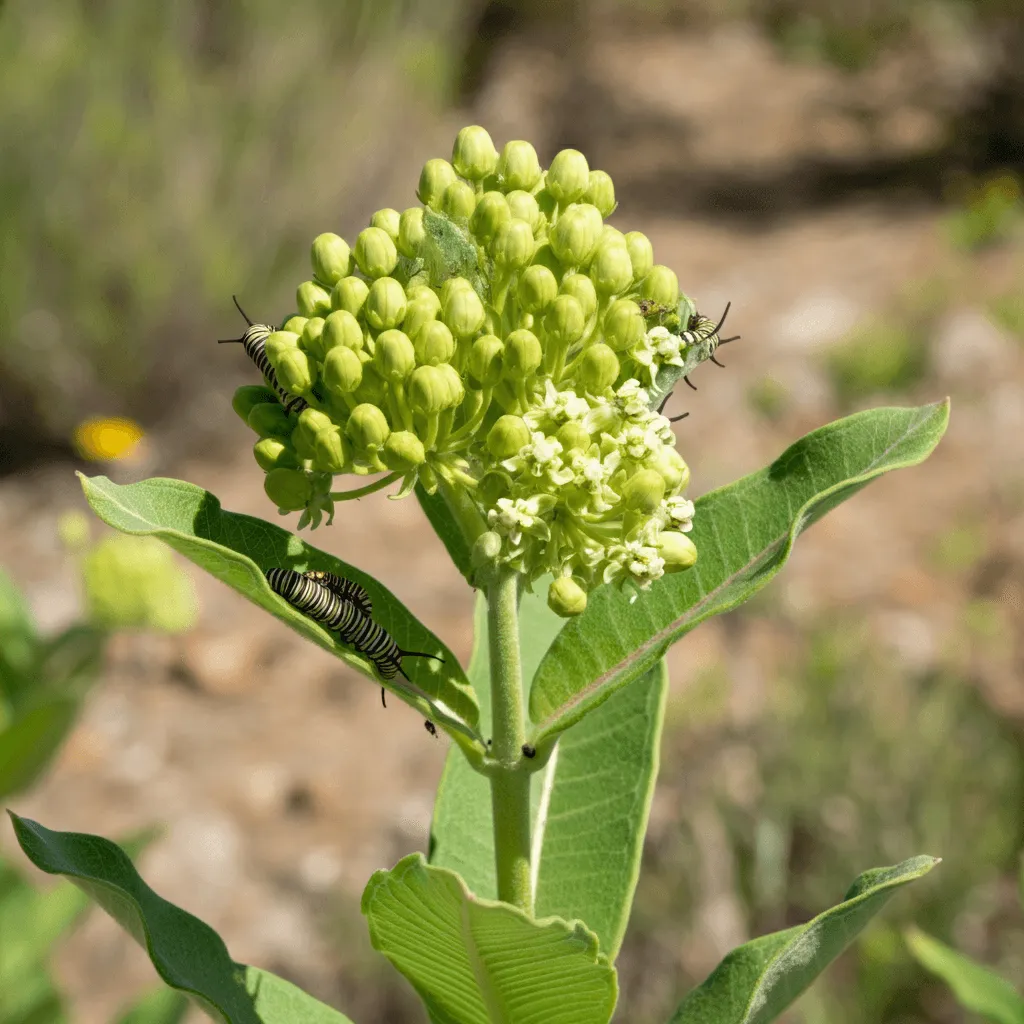
Native to the southern United States, green antelopehorn milkweed boasts clusters of green and white blooms. Monarch caterpillars feed on this species readily while adults enjoy the nectar.
Great For:
- Areas with rocky or sandy soil.
- Regions prone to high heat.
6. Tropical Milkweed (Asclepias curassavica)
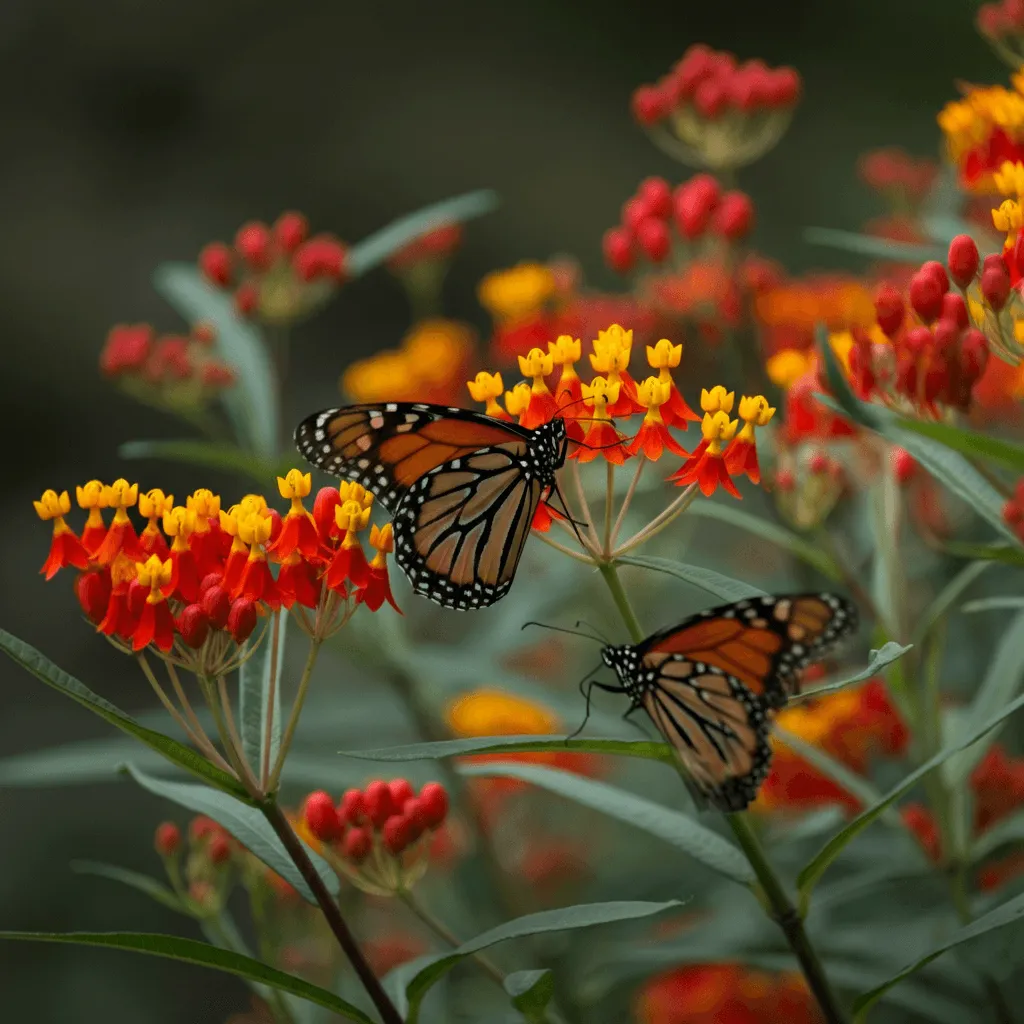
Tropical milkweed offers a pop of red, orange, and yellow blooms that brighten up any garden. While it’s not native to the U.S., it’s a favorite among gardeners in warmer climates. However, some scientists suggest using it cautiously to prevent disrupting monarch migration patterns.
Best Practices
- Keep it trimmed to mimic seasonal die-back.
- Works wonderfully in butterfly gardens in zones 8-11.
7. Whorled Milkweed (Asclepias verticillata)
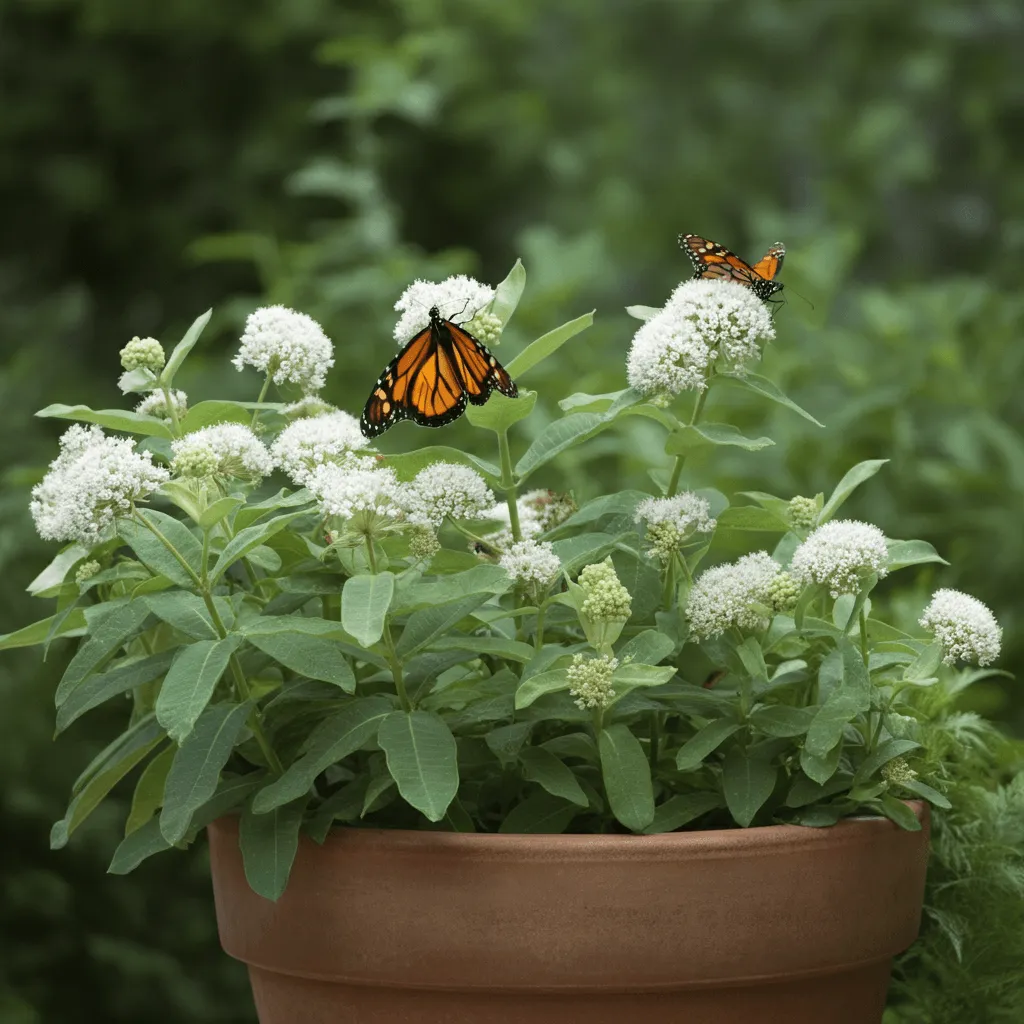
Don’t underestimate whorled milkweed because of its slim, narrow leaves. It’s a delicate-looking species but packs a punch when attracting butterflies. The white blooms are especially attractive in naturalized settings.
Fun Fact
- It’s one of the smaller milkweed species, so great for container gardens.
8. Clasping Milkweed (Asclepias amplexicaulis)
This is a lesser-known milkweed, but it deserves a spot in our top 9 for its unique “clasping” leaves and vibrant blooms. Native to southeastern U.S. states, clasping milkweed can handle drier conditions.
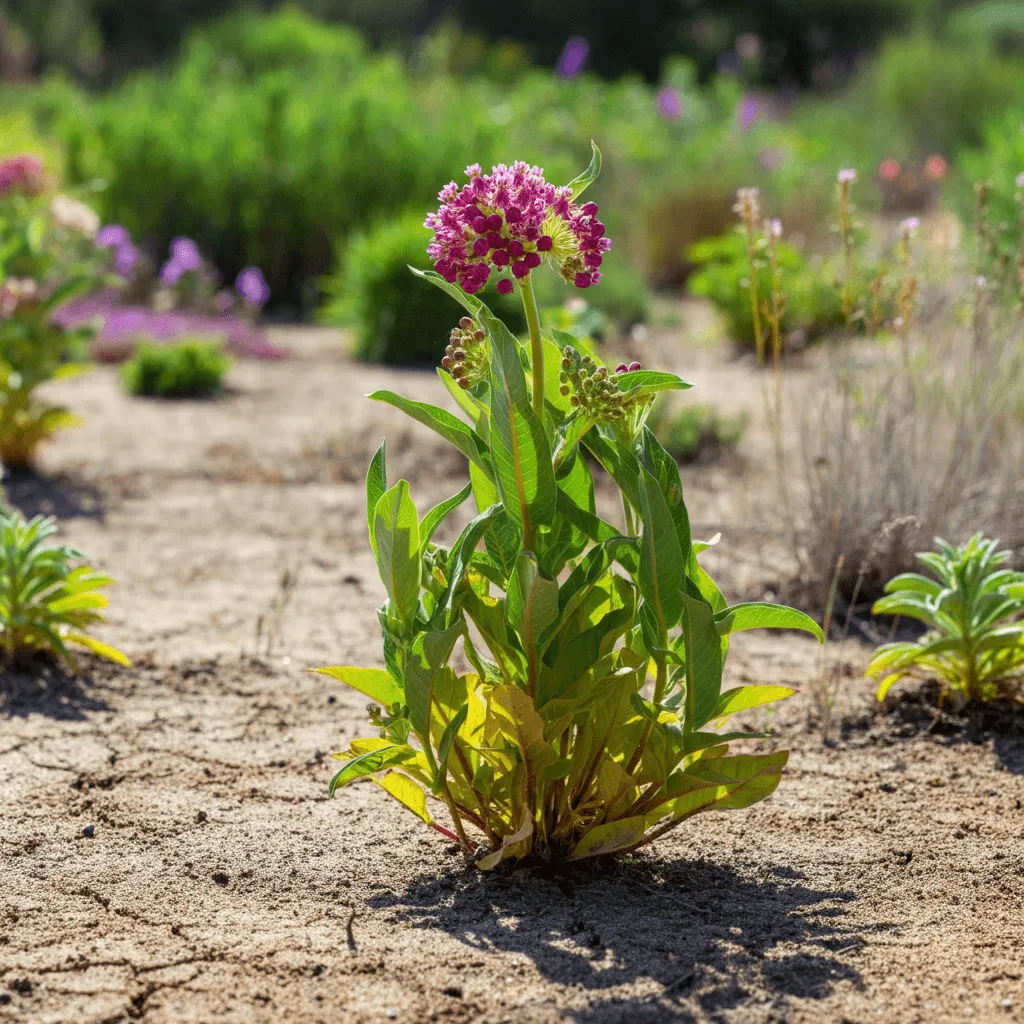
Highlights
- Unusual foliage adds uniqueness to your garden.
- Tolerates a range of soil types.
9. Purple Milkweed (Asclepias purpurascens)
Looking for elegance in your butterfly garden? Purple milkweed offers stunning magenta flowers. While rarer than other milkweed species, it’s well worth the effort to incorporate.
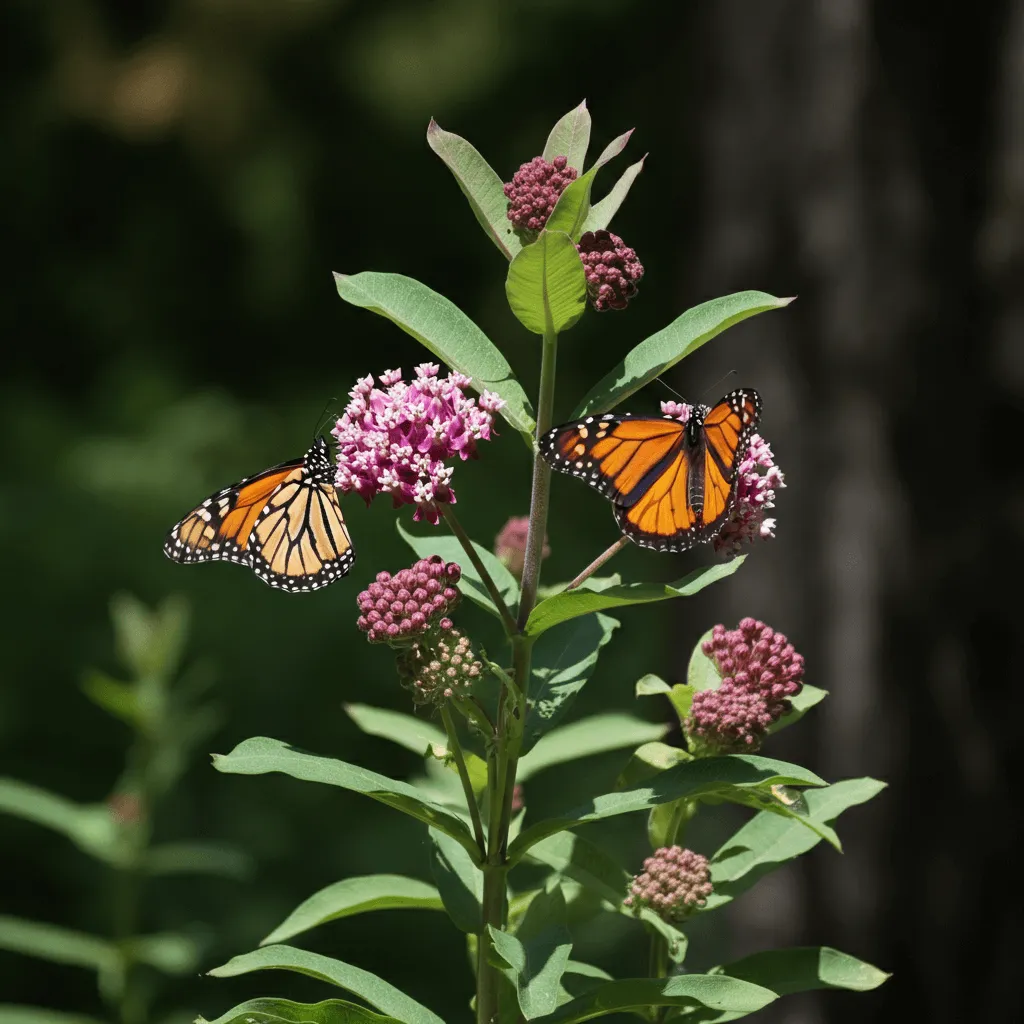
Perfect For
- Sunny to partially shaded areas.
- Gardeners seeking both beauty and ecological function.
How to Choose the Right Milkweed for Your Garden
Whether your garden is a small backyard or a rolling meadow, there’s a milkweed species suited to your conditions. Key factors to consider include soil type, sunlight, and climate. By selecting native milkweed species, you’ll create a more sustainable and effective pollinator habitat.
🌟 Pro tip for first-timers: Milkweed seeds require cold stratification to germinate. Simulating winter conditions ensures healthier plants.
Real-Life Example: Monarchs in Action
A Midwest homeowner planted common milkweed in a sunny corner of her yard last spring. By July, she counted over 15 caterpillars munching on leaves while adult monarchs flitted around the flowers. The milkweed patch also became a magnet for bees, making her garden come alive with activity.
This firsthand account shows how even a small planting effort can provide refuge to monarchs and other pollinators.
FAQ
Q1. Can I grow milkweed in pots?
Yes! Species like butterfly weed and whorled milkweed are naturally compact, making them ideal for container gardening.
Q2. Is milkweed toxic to pets or humans?
Some milkweed species contain compounds that are toxic if ingested. Be cautious about planting it in areas accessible to pets and young children.
Q3. Can I plant milkweed in shady areas?
Most milkweed varieties prefer full sun. However, species like purple milkweed can tolerate partial shade.
Q4. How does milkweed benefit other pollinators?
Milkweed flowers produce nectar that’s enjoyed by bees, hummingbirds, and other butterflies.
Q5. Will milkweed attract pests?
Some aphids target milkweed, but they generally don’t harm the plant. Consider natural predators like ladybugs to keep them in check.
Wrap-Up
Creating a monarch butterfly haven in your garden is as easy as planting the milkweed species best suited to your space. More than eye-catching plants, they’re lifelines for monarchs and other pollinators. Whether you go big with common milkweed or keep it compact with butterfly weed, every garden addition makes a difference. Start planting, and enjoy the fluttery rewards!