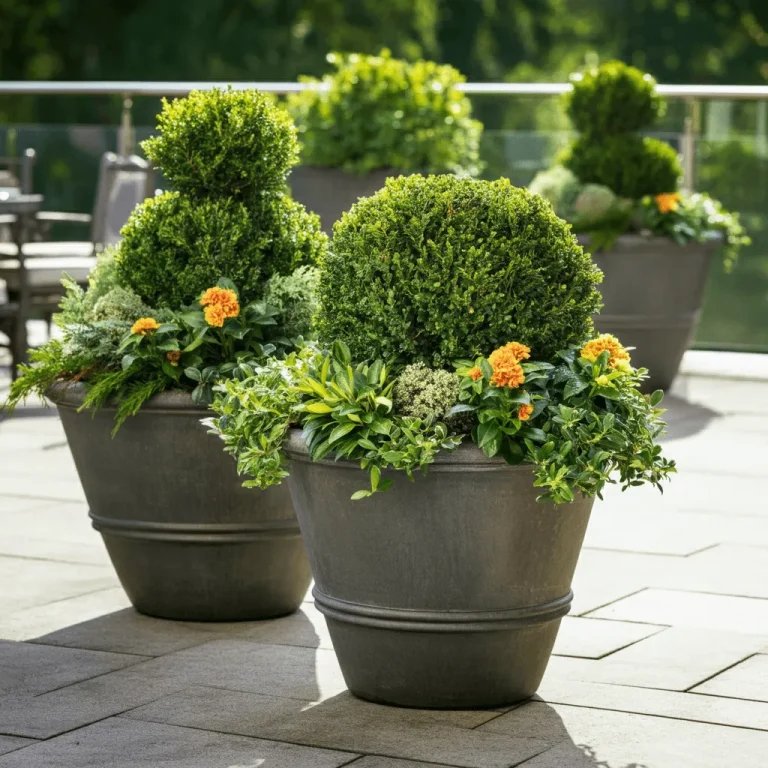
11 Best Plants That Attract Butterflies to Your Garden
Gardening without butterflies is like a birthday party without cake—beautiful, but missing an essential ingredient! Want to turn your garden into a butterfly wonderland? Start with the right plants. This guide highlights the 11 best plants for attracting those colorful winged visitors, along with practical tips for nurturing your butterfly haven.
Why Attract Butterflies to Your Garden?
Before we start, why are butterflies such prized guests? Besides their undeniable beauty, butterflies play a crucial role in pollination, ensuring your garden thrives. They’re like Mother Nature’s tiny flying gardeners—and they work for free! Plus, their presence is a sign of a healthy ecosystem. All you need now are the right plants to roll out the red carpet for them.
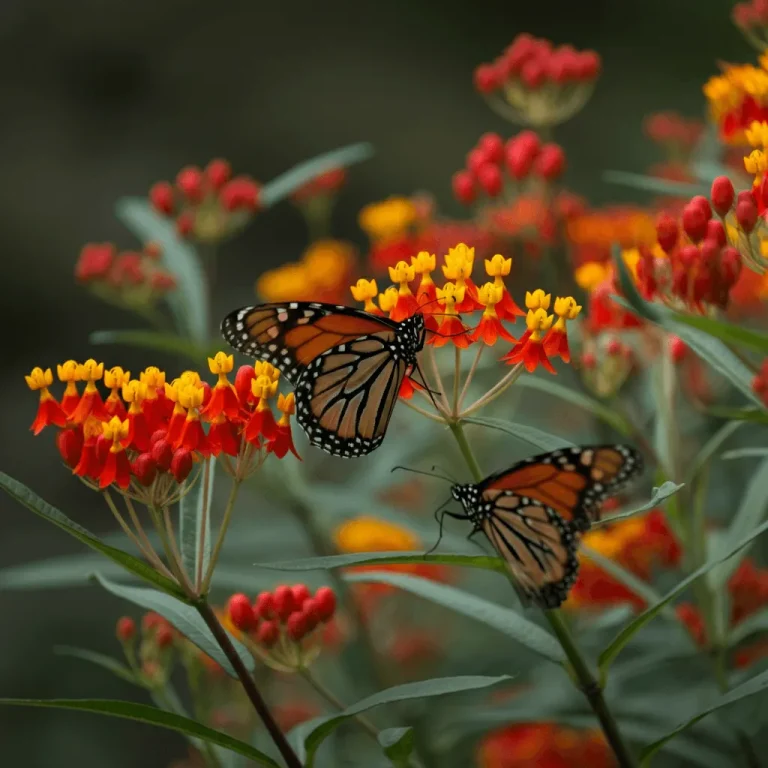
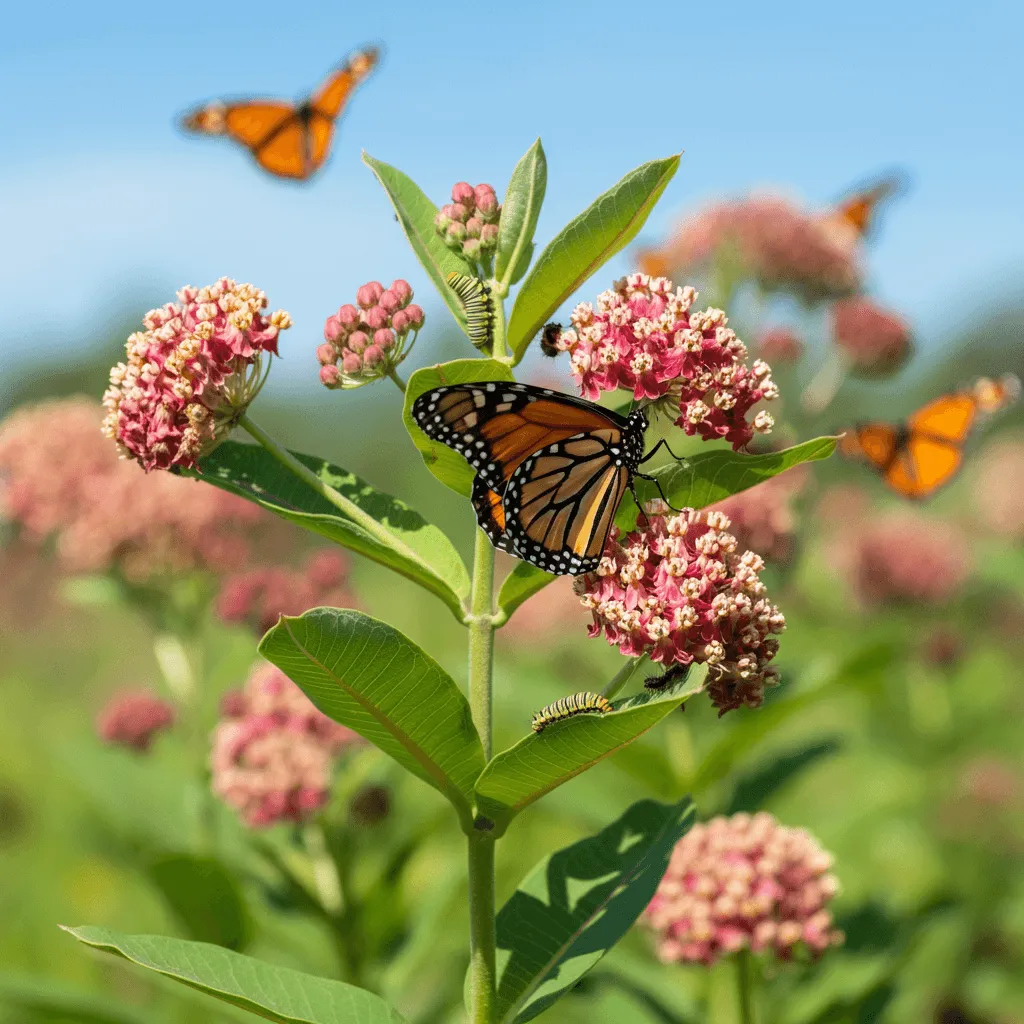
1. Milkweed (Asclepias)
Milkweed is essentially a five-star resort for monarch butterflies. It’s not just a nectar source—monarch caterpillars depend on it exclusively for food. If your area is part of the monarch migration route, planting milkweed could give you front-row seats to a spectacular butterfly show.
- Picture this: A Midwest gardener planted milkweed along their backyard fence. Within weeks, it became a nursery for monarch caterpillars, transforming their garden into a migration hotspot. Talk about a metamorphosis for the yard, too!
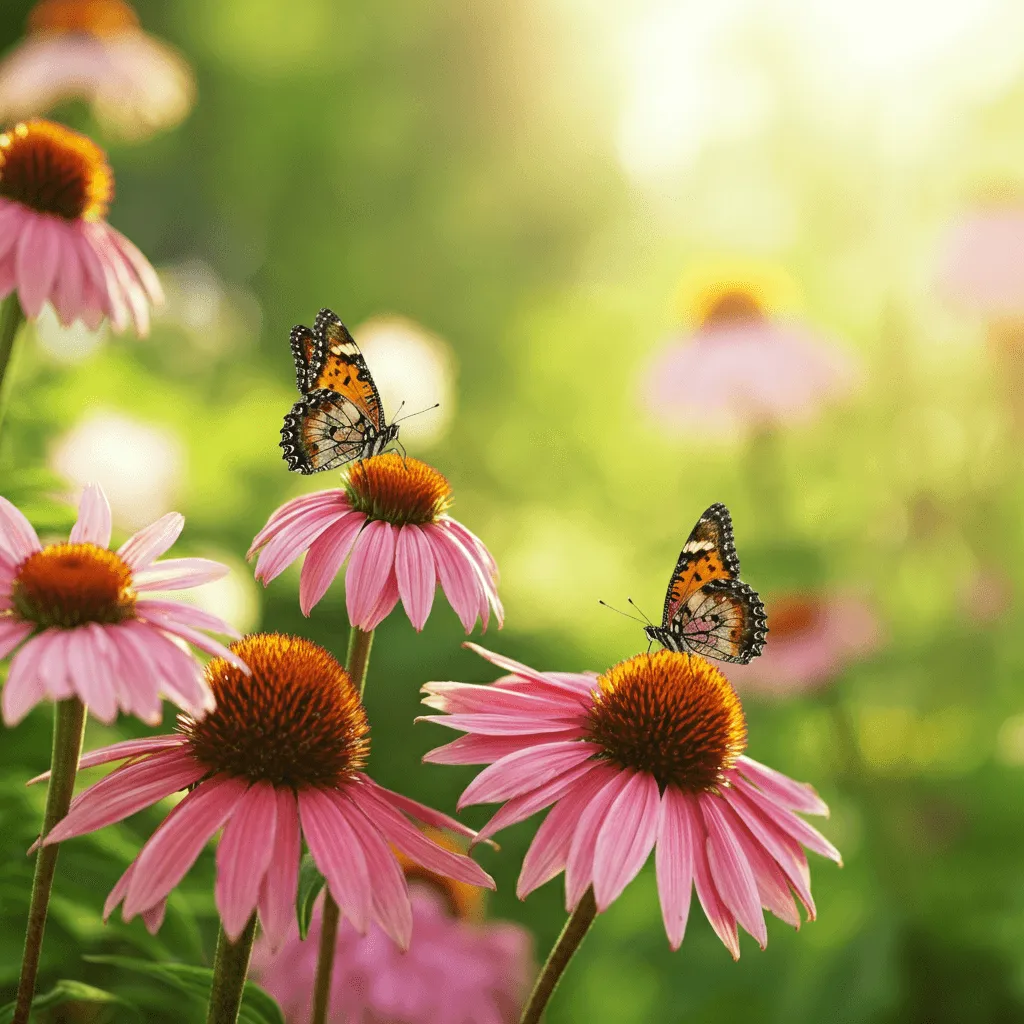
2. Coneflowers (Echinacea)
Coneflowers add a splash of bold color while offering nectar-rich blooms that butterflies adore. The sturdy shape of the petals also provides an excellent landing pad for hungry pollinators, making it a hit in butterfly circles.
- Pro tip: Coneflowers are drought-resistant, which means they’ll thrive even in less-than-perfect gardening conditions.
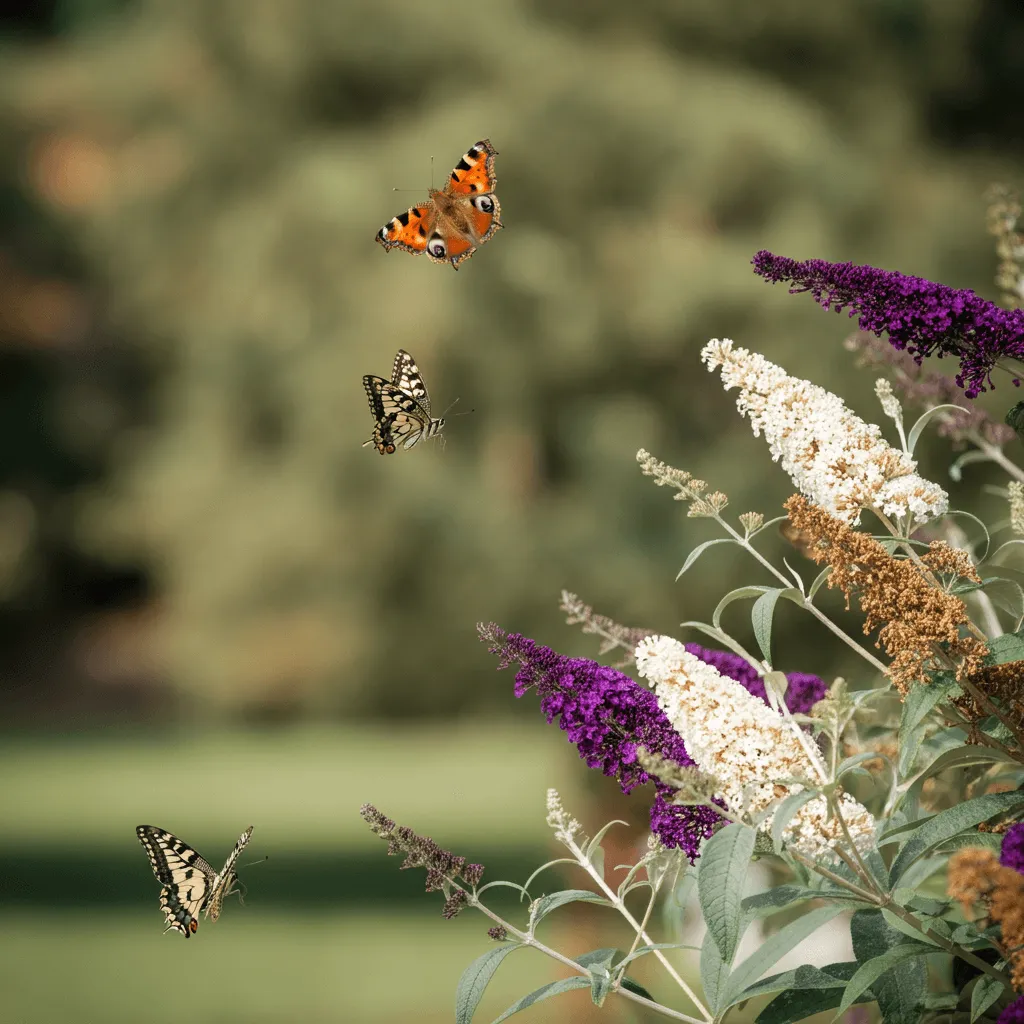
3. Butterfly Bush (Buddleia)
The name says it all. Butterfly bushes act like magnets for pollinators, producing clusters of fragrant flowers in shades of white, purple, and pink. Just be prepared—the sheer number of butterflies that visit might make your garden feel like Grand Central Station during rush hour.
- Caution: Butterfly bushes can be invasive in some regions. Check your local guidelines before planting.
4. Lantana
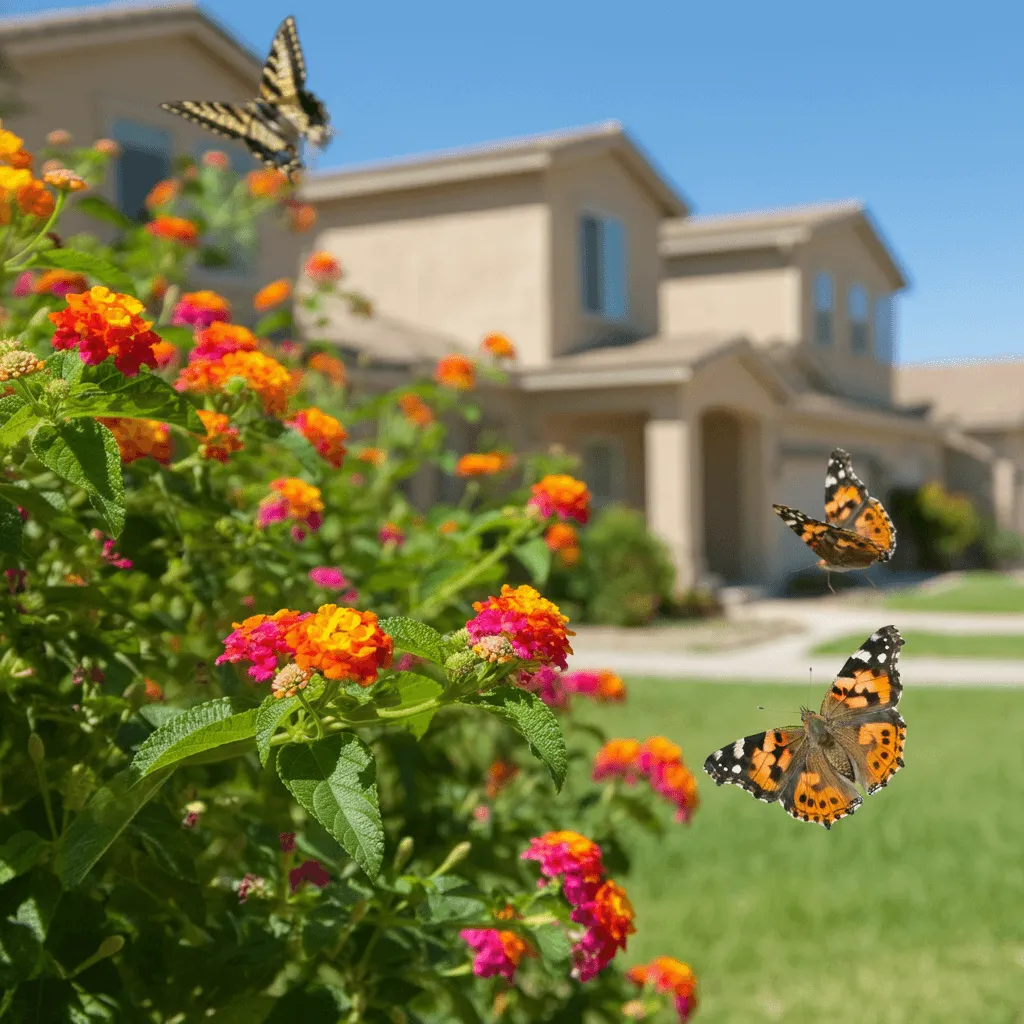
Lantanas boast vivid, multi-colored blooms, resembling tiny floral fireworks. Butterflies are drawn to their sweet nectar, and you’ll love their low-maintenance nature.
- Example: A family in California filled their front yard with lantana bushes. Soon enough, swarms of painted ladies and swallowtails became their daily visitors.
5. Joe-Pye Weed (Eutrochium)
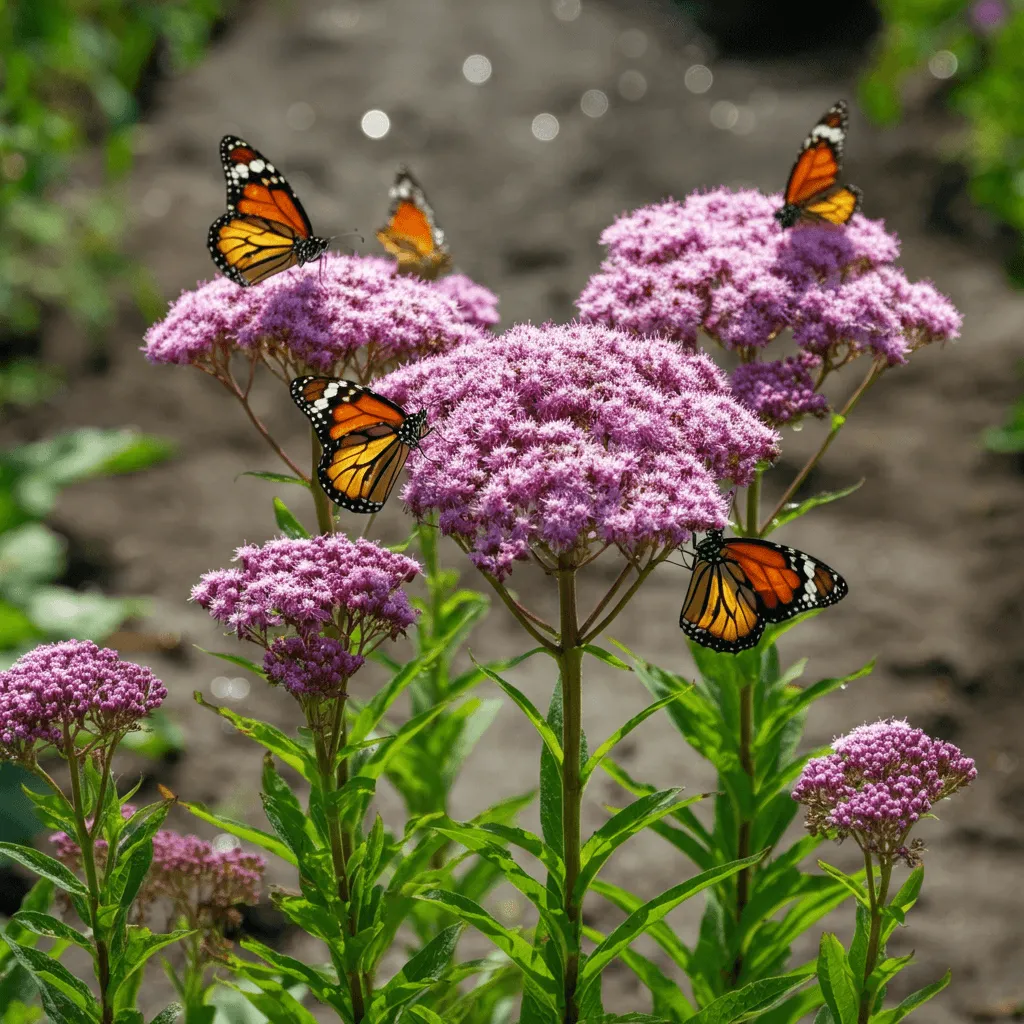
Despite its unassuming name, Joe-Pye weed is a butterfly favorite. With its towering stalks and clusters of pinkish-purple flowers, it’s a visual and an ecological treat.
- Why gardeners love it: It thrives in wet soil and full sun, making it a perfect fit for rain gardens.
6. Zinnias
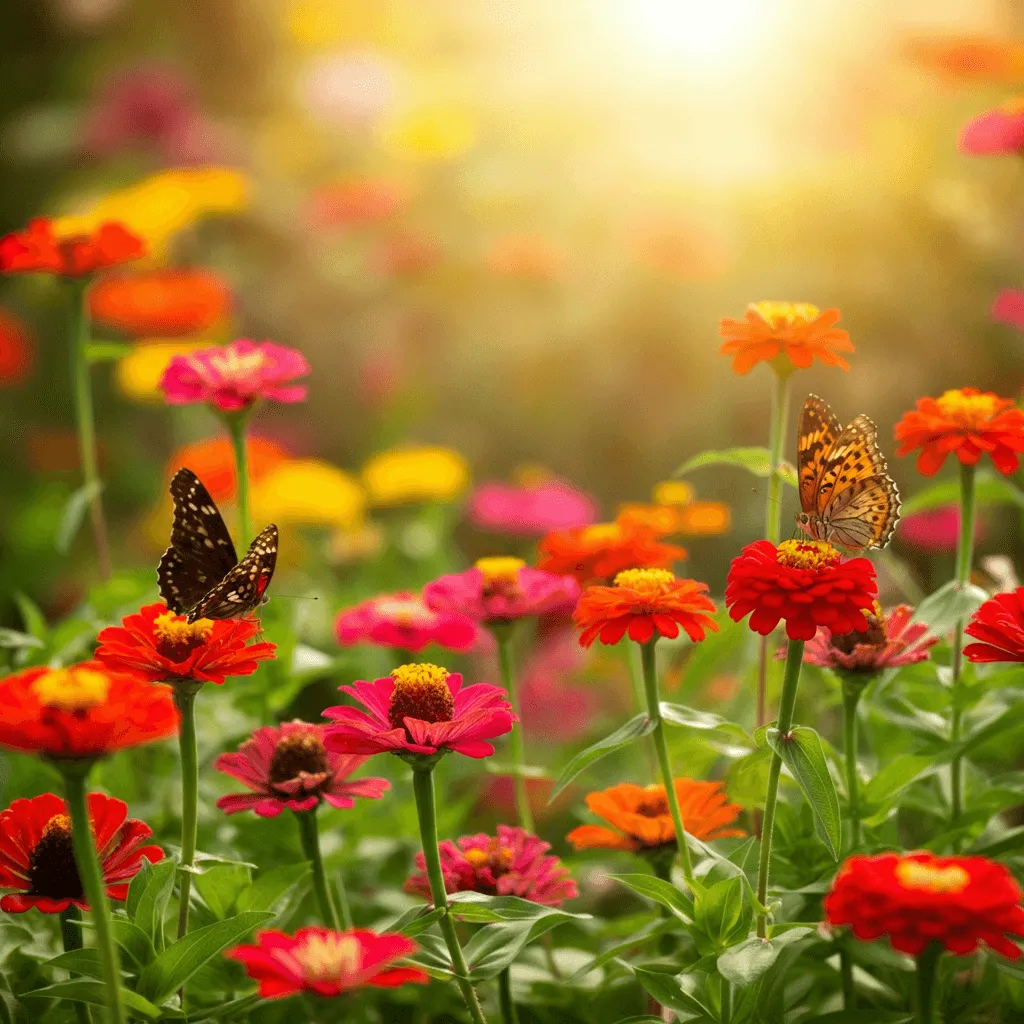
Zinnias are like buffet tables for butterflies, offering nectar all summer long. Their vibrant blooms come in every shade except blue, giving you endless combinations to play with.
- Bonus: Zinnias are one of the easiest flowers to grow from seed, so they’re beginner-friendly.
7. Phlox
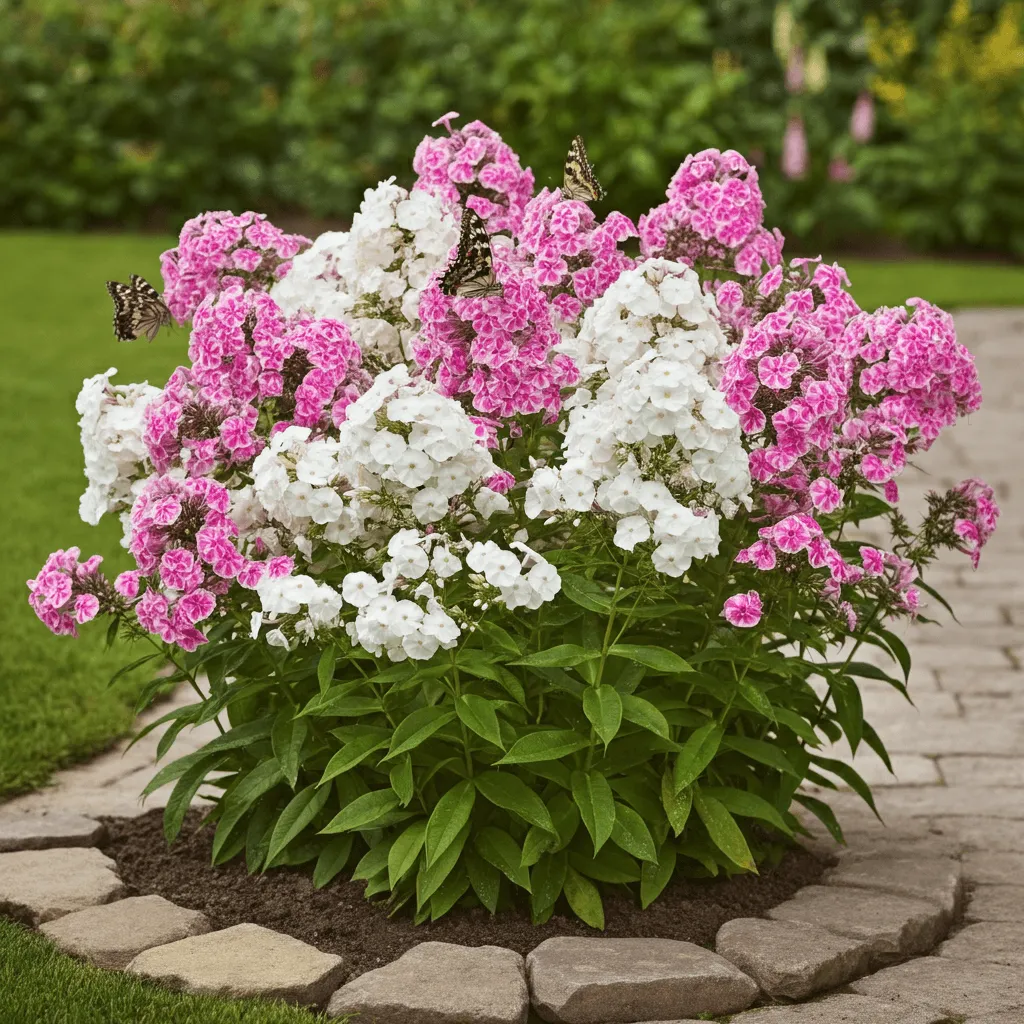
Phlox offers sweetly scented blooms that butterflies can’t resist. Whether you choose garden phlox or creeping phlox, you’ll end up with a garden centerpiece that doubles as the local butterfly café.
- Gardening tip: Space your phlox plants adequately to promote airflow and avoid mildew issues.
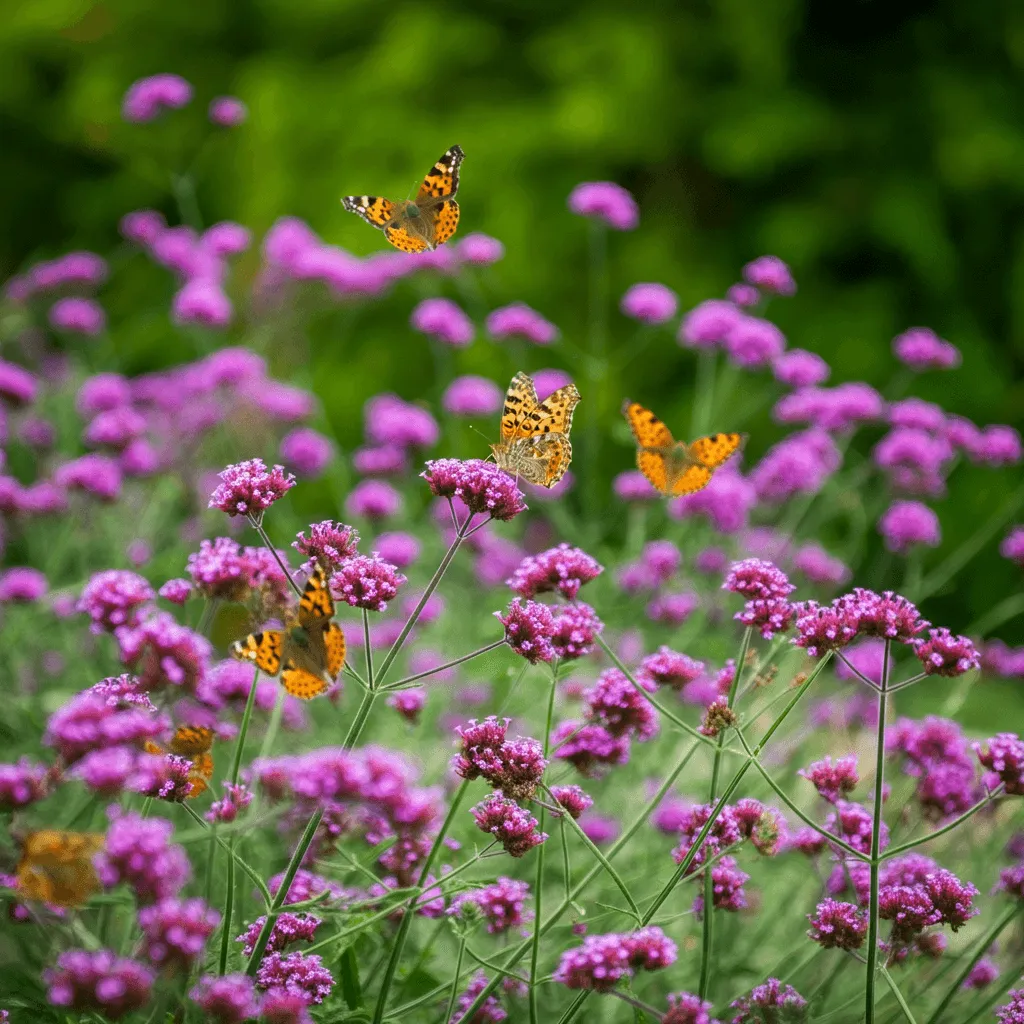
8. Verbena
Verbena sprawls elegantly across garden beds and containers, producing clusters of small, tubular flowers. It’s a favorite among nectar-loving butterflies like skippers and fritillaries.
- Fun folklore: Some cultures believe that planting verbena brings luck and positive energy. Who knew a butterfly-attracting plant could double as a charm?
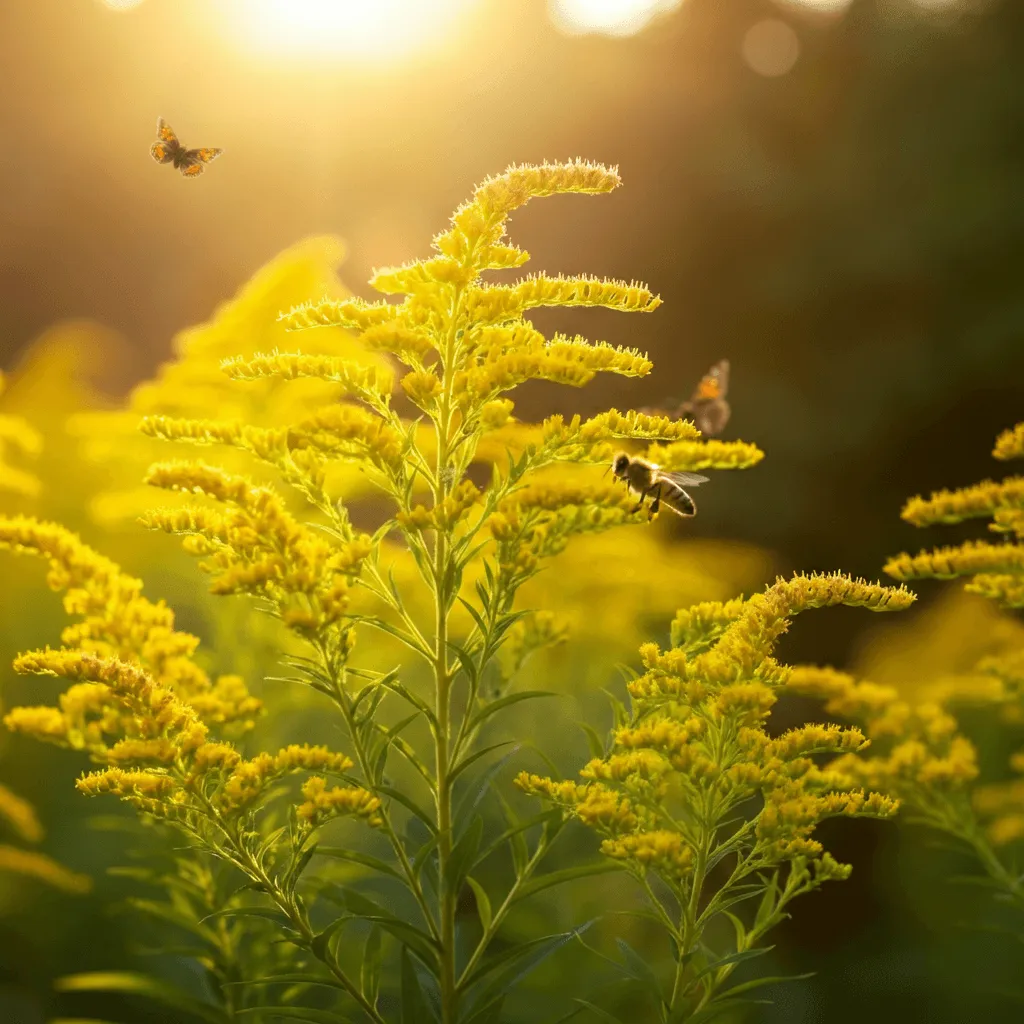
9. Goldenrod (Solidago)
Goldenrod’s bright yellow blooms light up the garden like a summer sunset. Apart from butterflies, bees and other pollinators find it irresistible.
- Misconception cleared: Goldenrod is often blamed for allergies, but the actual culprit is usually ragweed. Plant it guilt-free!
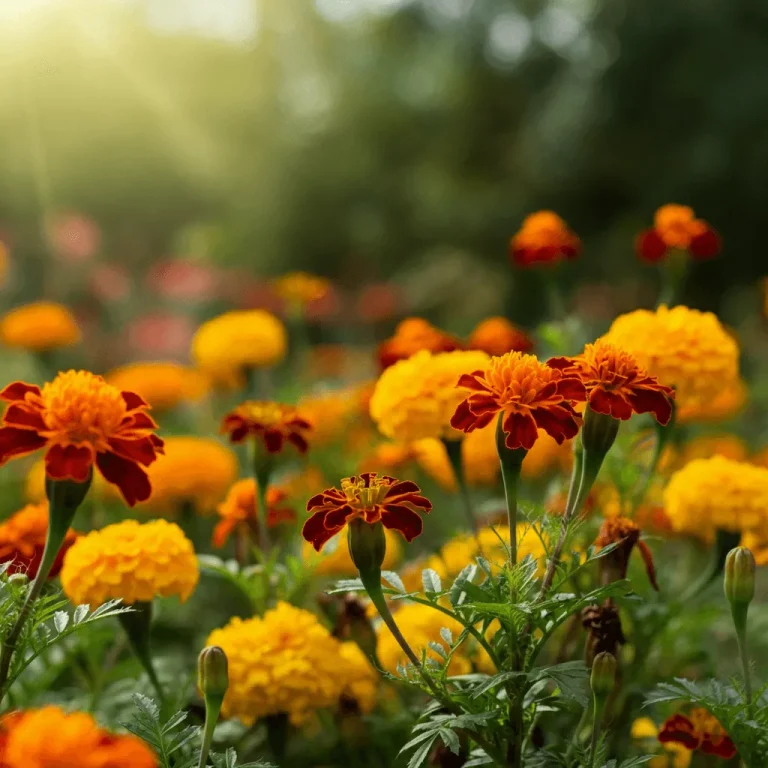
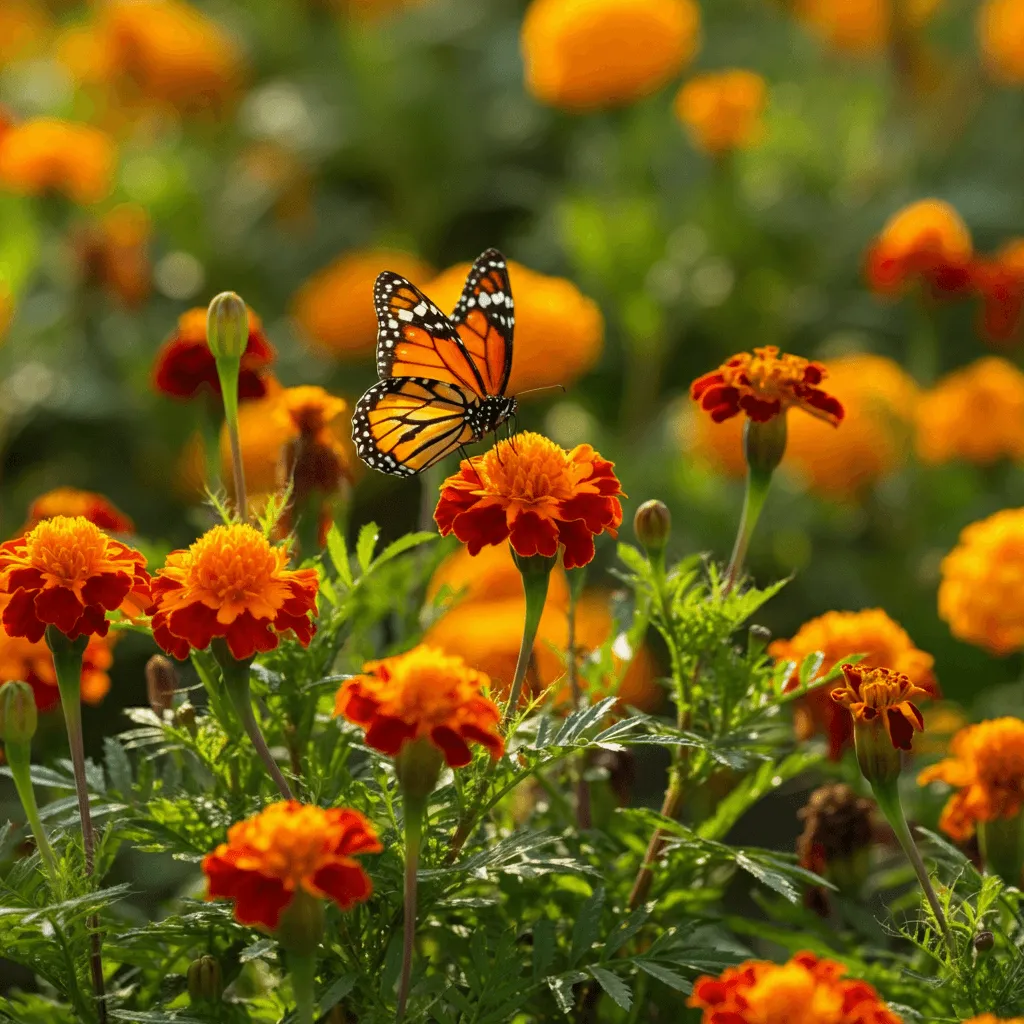
10. Marigolds
Marigolds are bold, cheerful, and undemanding, making them a staple in many pollinator-friendly gardens. They produce nectar that attracts butterflies as well as vibrant colors to please your eyes.
- Double duty: Besides attracting pollinators, marigolds naturally repel harmful bugs, acting as a garden bodyguard.
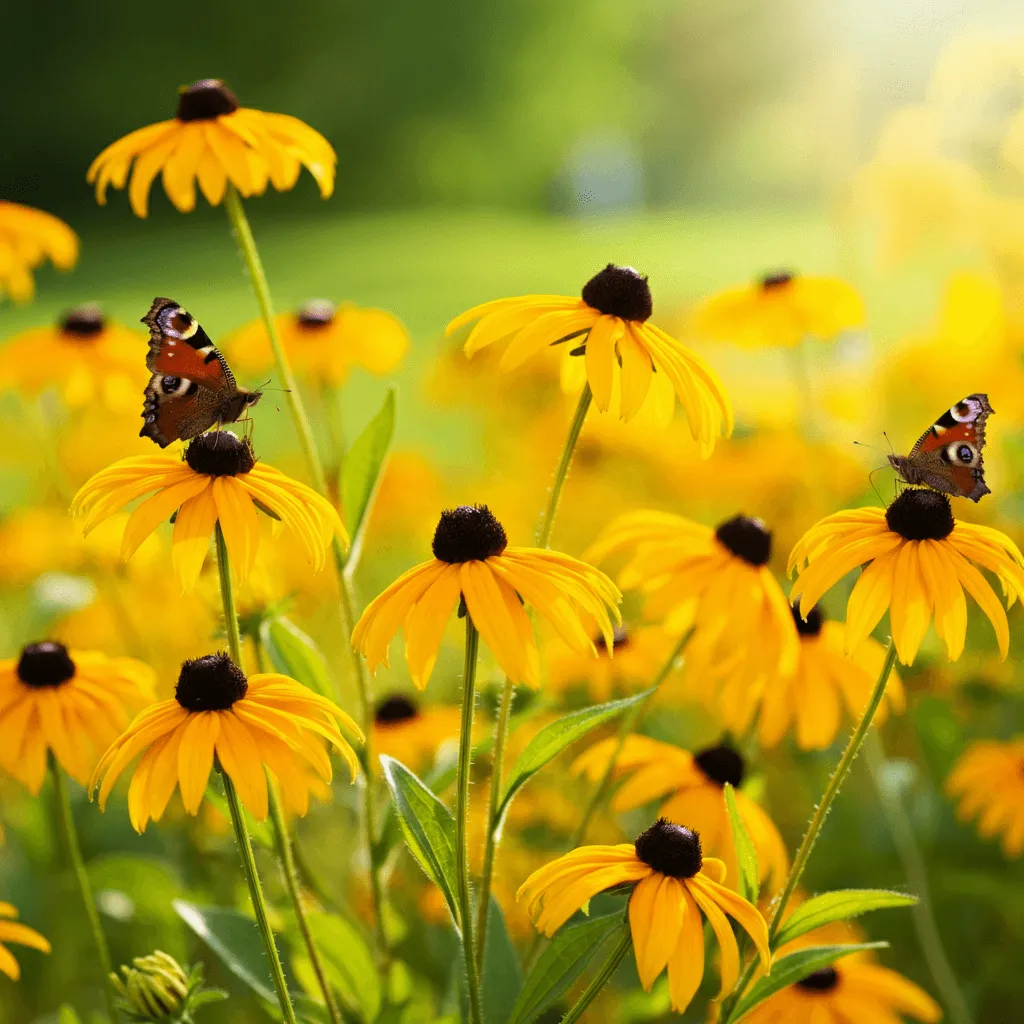
11. Black-Eyed Susan (Rudbeckia)
Black-eyed Susans create a dramatic effect with their golden petals and dark centers. Butterflies not only find them alluring but also benefit from their ample nectar supply.
- Pro gardener tip: Deadhead spent blooms regularly to encourage continuous flowering.
Bonus Tips for a Butterfly-Friendly Garden
Now that you know the VIP plants, here’s how to make butterflies feel even more at home:
- Skip pesticides – Chemicals can harm both caterpillars and adult butterflies. Stick to natural pest control methods.
- Provide shelter – Add shrubs, trees, or even logs to give butterflies a resting spot.
- Water sources – A shallow dish of water with a few pebbles gives butterflies a safe place to hydrate.
- Continuous blooms – Plant a mix of early, mid-season, and late-blooming flowers to keep the nectar buffet open year-round.
FAQs About Plants That Attract Butterflies
What time of year is best to plant butterfly-attracting flowers?
Spring is ideal, as it gives plants time to establish themselves before peak butterfly season. However, many species can be planted in the fall for blooms the following year.
Are native plants better for attracting butterflies?
Yes! Native plants are already adapted to your local ecosystem and often become the primary nectar source for butterflies in your area.
Can I grow these plants in containers?
Absolutely. Many butterfly-friendly plants, like lantanas and zinnias, thrive in pots and make excellent additions to balconies or patios.
How do I balance attracting butterflies and avoiding deer?
Choose plants like milkweed, which tend to be less appealing to deer. You can also use fencing or repellents to protect your flowers.
Actionable Next Steps
Why not get started today? Visit a local nursery to pick out a few of these butterfly-attracting plants and turn your garden into the pollinator paradise it deserves to be. With a little effort, you’ll create a vibrant space that’s a win-win for you and your winged friends.